Lee Nam Hee, Kim Mikyung, Oh Sung Yong, Kim Seong-Geun, Kwon Hyuk-Chan, Hwang Tae-Ho
SillaJen, Inc., Busan, Korea.
Department of Physiology, Pusan National University, School of Medicine, Yangsan, Korea.
Oncotarget. 2017 Jan 3;8(1):1213-1225. doi: 10.18632/oncotarget.13598.
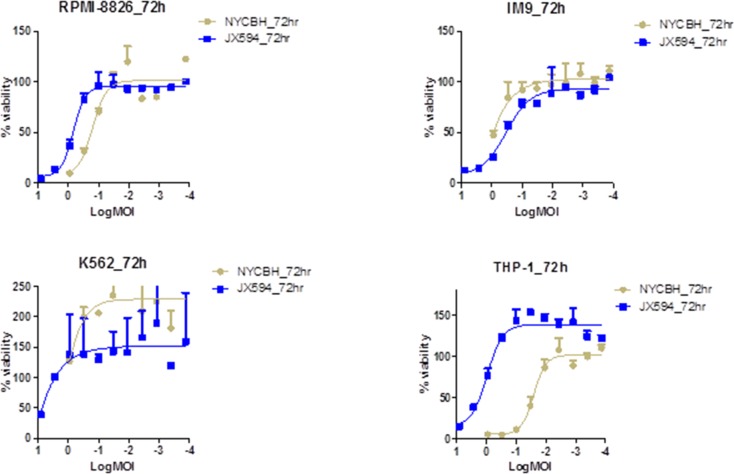
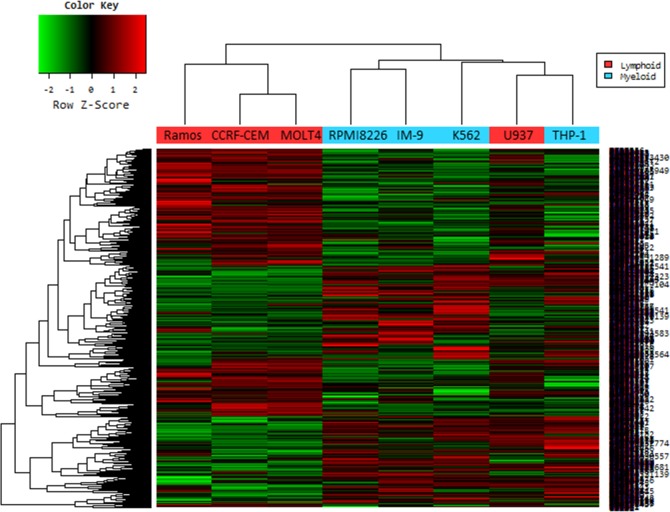
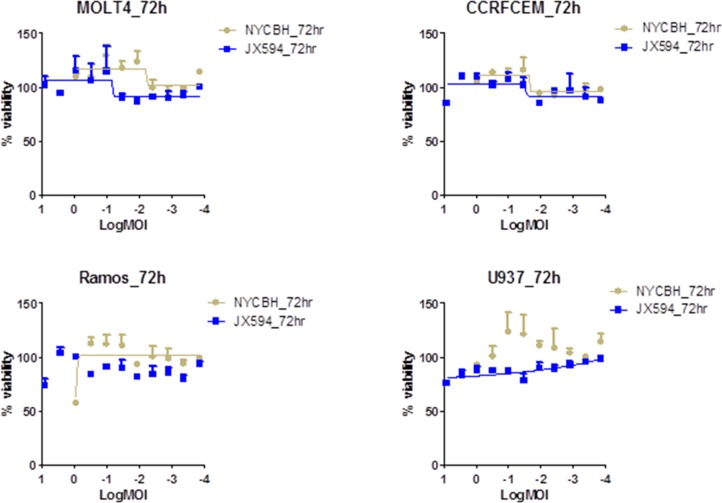
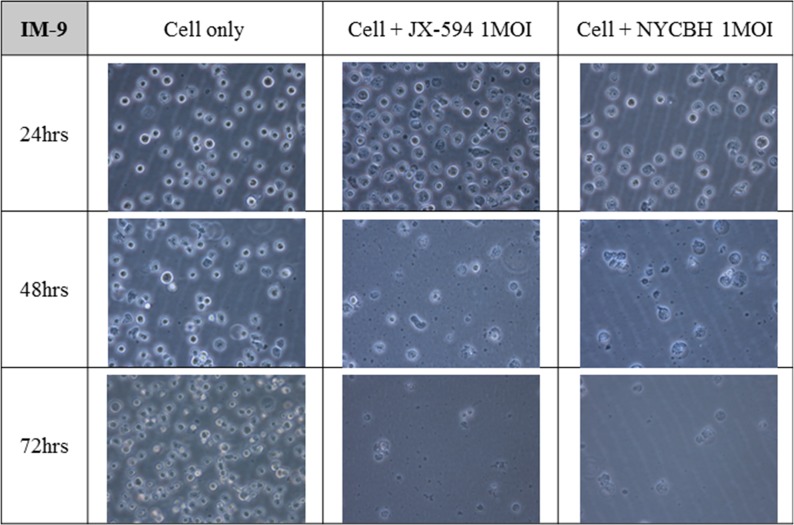
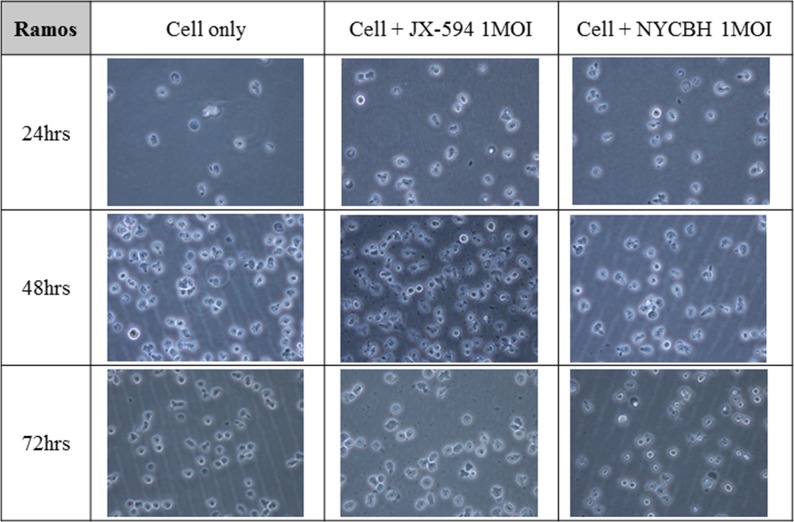
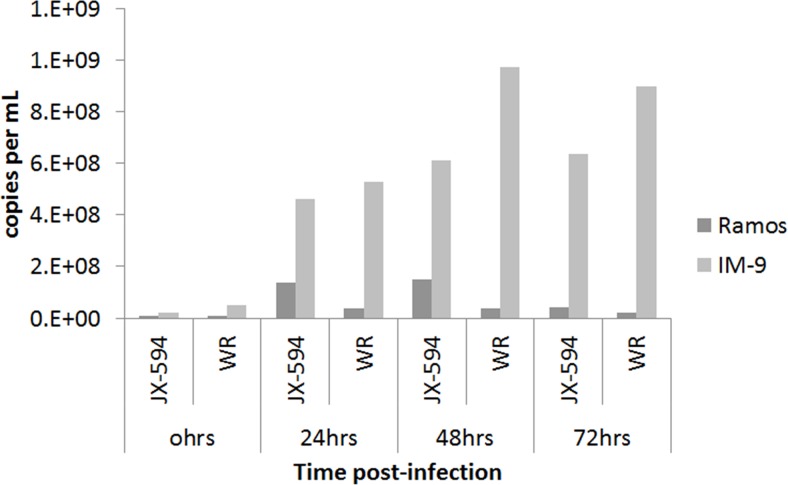
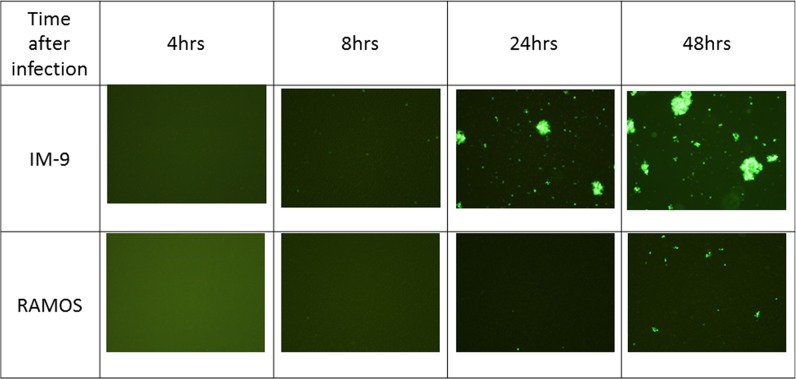
Pexa-Vec (pexastimogene devacirpvec; JX-594) has emerged as an attractive tool in oncolytic virotherapy. Pexa-Vec demonstrates oncolytic and immunotherapeutic mechanisms of action. But the determinants of resistance to Pexa-Vec are mostly unknown. We treated hemoatologic malignant cells with Pexa-Vec and examined the gene-expression pattern of sensitive and resistant cells. Human myeloid malignant cell lines (RPMI-8226, IM-9, K562, THP-1) and lymphoid cancer cell lines (MOLT4, CCRF-CEM, Ramos, U937) were treated with Pexa-Vec. Pexa-Vec was cytotoxic on myeloid cell lines in a dose-dependent manner, and fluorescent imaging and qPCR revealed that Pexa-Vec expression was low in RAMOS than IM-9 after 24 hrs and 48 hrs of infection. Gene expression profiles between two groups were analyzed by microarray. Genes with at least 2-fold increase or decrease in their expression were identified. A total of 660 genes were up-regulated and 776 genes were down-regulated in lymphoid cancer cell lines. The up- and down-regulated genes were categorized into 319 functional gene clusters. We identified the top 10 up-regulated genes in lymphoid cells. Among them three human genes (LEF1, STAMBPL1, and SLFN11) strongly correlated with viral replication. Up-regulation of PVRIG, LPP, CECR1, Arhgef6, IRX3, IGFBP2, CD1d were related to resistant to Pexa-Vec. In conclusion, lymphoid malignant cells are resistant to Pexa-Vec and displayed up-regulated genes associated with resistance to oncolytic viral therapy. These data provide potential targets to overcome resistance, and suggest that molecular assays may be useful in selecting patients for further clinical trials with Pexa-Vec.
Pexa-Vec(pexastimogene devacirpvec;JX-594)已成为溶瘤病毒疗法中一种颇具吸引力的工具。Pexa-Vec展现出溶瘤和免疫治疗的作用机制。但对Pexa-Vec耐药的决定因素大多尚不清楚。我们用Pexa-Vec处理血液系统恶性细胞,并检测敏感细胞和耐药细胞的基因表达模式。用Pexa-Vec处理人髓系恶性细胞系(RPMI-8226、IM-9、K562、THP-1)和淋巴癌细胞系(MOLT4、CCRF-CEM、Ramos、U937)。Pexa-Vec对髓系细胞系具有剂量依赖性细胞毒性,荧光成像和定量PCR显示,感染24小时和48小时后,Ramos中Pexa-Vec的表达低于IM-9。通过微阵列分析两组之间的基因表达谱。鉴定出表达至少上调或下调2倍的基因。在淋巴癌细胞系中,共有660个基因上调,776个基因下调。上调和下调的基因被分类为319个功能基因簇。我们鉴定出淋巴样细胞中上调最明显的10个基因。其中三个人类基因(LEF1、STAMBPL1和SLFN11)与病毒复制密切相关。PVRIG、LPP、CECR1、Arhgef6、IRX3、IGFBP2、CD1d的上调与对Pexa-Vec的耐药有关。总之,淋巴样恶性细胞对Pexa-Vec耐药,并表现出与溶瘤病毒疗法耐药相关的上调基因。这些数据提供了克服耐药性的潜在靶点,并表明分子检测可能有助于选择适合进一步进行Pexa-Vec临床试验的患者。