Mahfouz Ahmed, Huisman Sjoerd M H, Lelieveldt Boudewijn P F, Reinders Marcel J T
Department of Radiology, Leiden University Medical Center, Leiden, The Netherlands.
Delft Bioinformatics Laboratory, Delft University of Technology, Delft, The Netherlands.
Brain Struct Funct. 2017 May;222(4):1557-1580. doi: 10.1007/s00429-016-1338-2. Epub 2016 Dec 1.
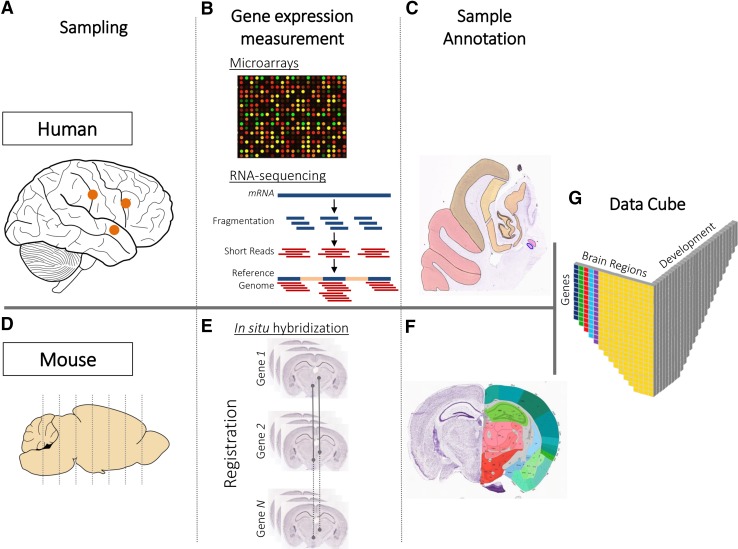
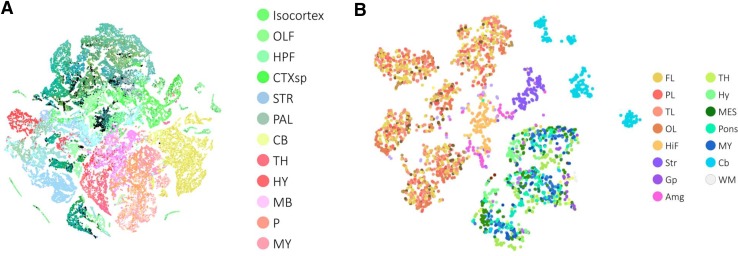
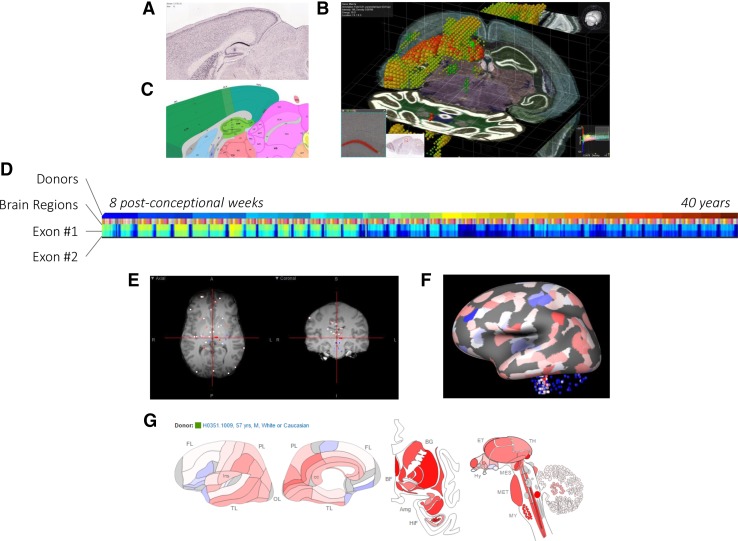
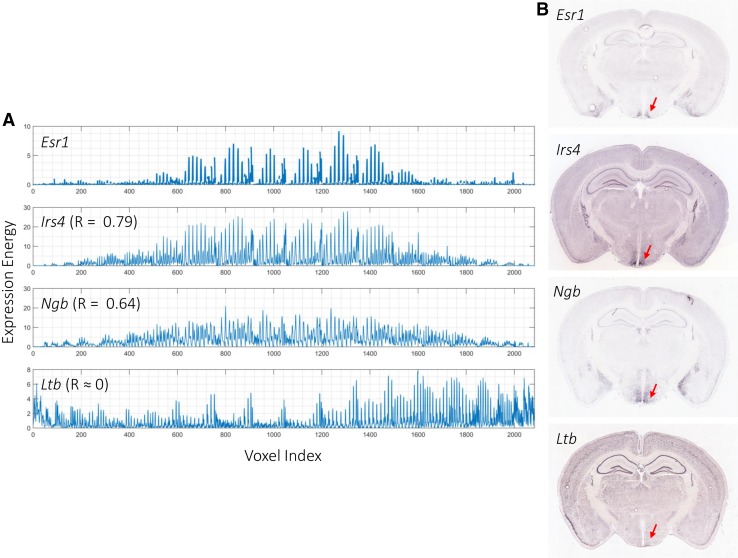
The immense complexity of the mammalian brain is largely reflected in the underlying molecular signatures of its billions of cells. Brain transcriptome atlases provide valuable insights into gene expression patterns across different brain areas throughout the course of development. Such atlases allow researchers to probe the molecular mechanisms which define neuronal identities, neuroanatomy, and patterns of connectivity. Despite the immense effort put into generating such atlases, to answer fundamental questions in neuroscience, an even greater effort is needed to develop methods to probe the resulting high-dimensional multivariate data. We provide a comprehensive overview of the various computational methods used to analyze brain transcriptome atlases.
哺乳动物大脑的极度复杂性在其数十亿个细胞的潜在分子特征中得到了很大程度的体现。大脑转录组图谱为了解整个发育过程中不同脑区的基因表达模式提供了有价值的见解。这些图谱使研究人员能够探究定义神经元身份、神经解剖结构和连接模式的分子机制。尽管为生成此类图谱付出了巨大努力,但要回答神经科学中的基本问题,还需要付出更大努力来开发探测由此产生的高维多元数据的方法。我们全面概述了用于分析大脑转录组图谱的各种计算方法。