Kronschläger M T, Drdla-Schutting R, Gassner M, Honsek S D, Teuchmann H L, Sandkühler J
Department of Neurophysiology, Center for Brain Research, Medical University of Vienna, Spitalgasse 4, 1090 Vienna, Austria.
Science. 2016 Dec 2;354(6316):1144-1148. doi: 10.1126/science.aah5715. Epub 2016 Nov 10.
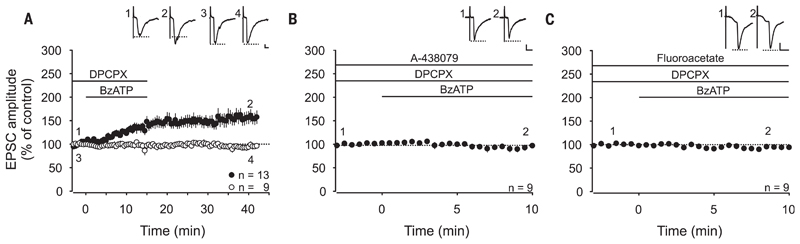
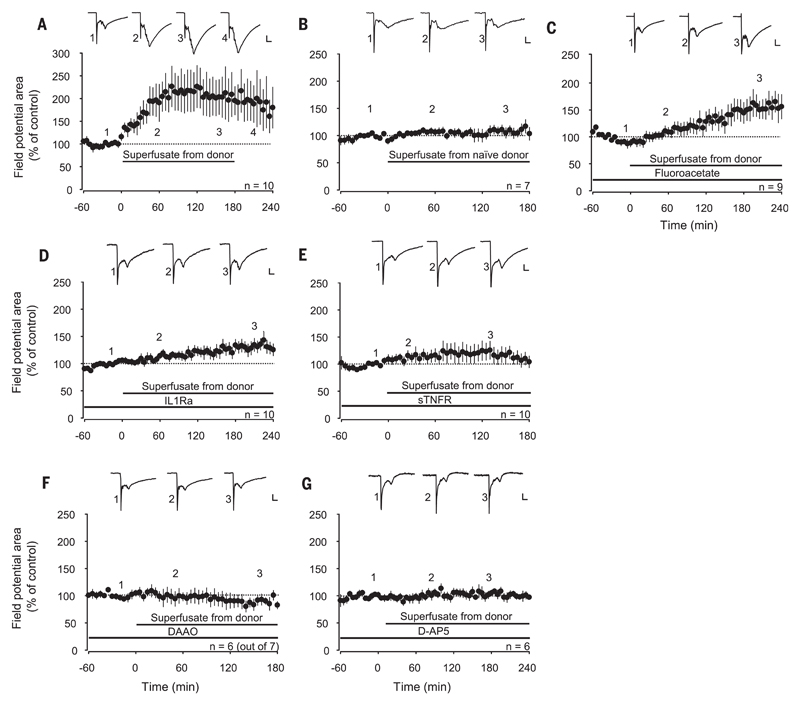
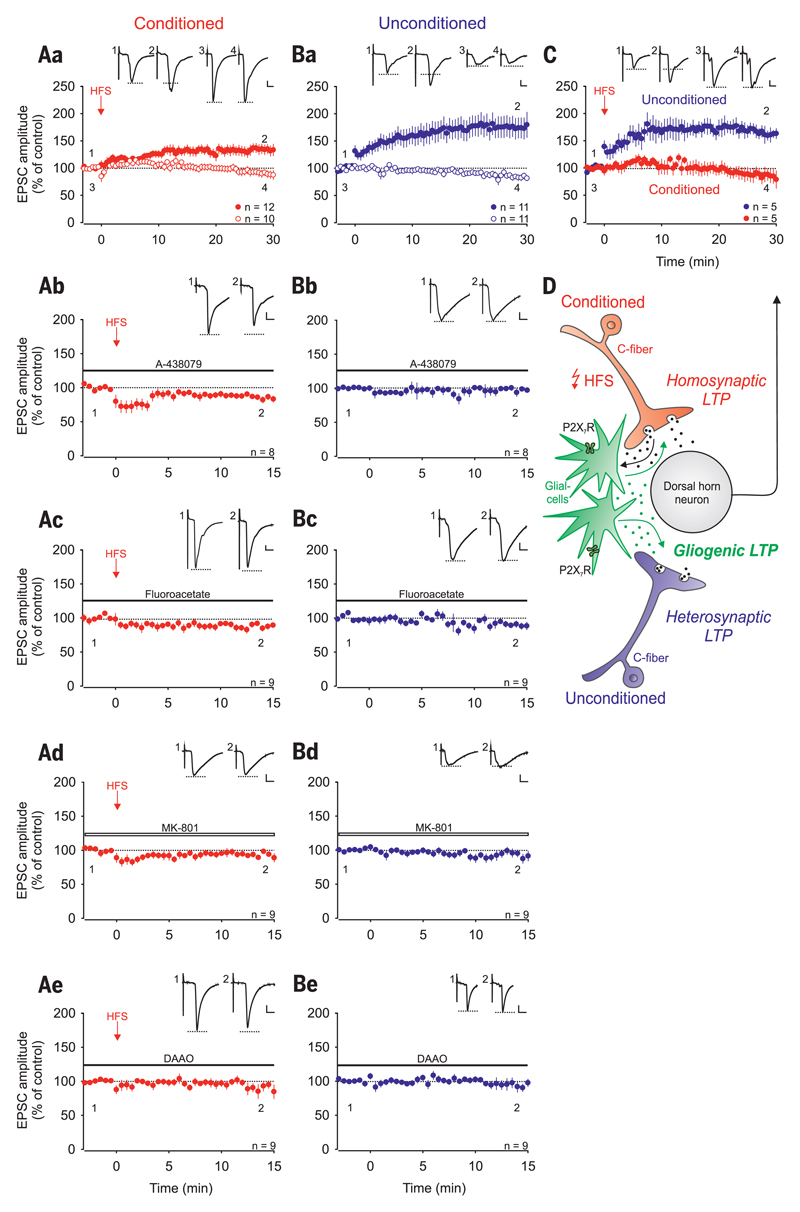
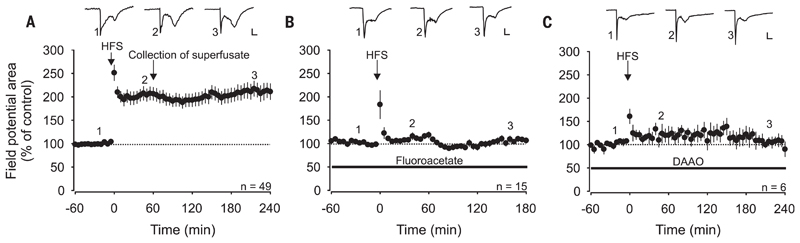
Learning and memory formation involve long-term potentiation (LTP) of synaptic strength. A fundamental feature of LTP induction in the brain is the need for coincident pre- and postsynaptic activity. This restricts LTP expression to activated synapses only (homosynaptic LTP) and leads to its input specificity. In the spinal cord, we discovered a fundamentally different form of LTP that is induced by glial cell activation and mediated by diffusible, extracellular messengers, including d-serine and tumor necrosis factor (TNF), and that travel long distances via the cerebrospinal fluid, thereby affecting susceptible synapses at remote sites. The properties of this gliogenic LTP resolve unexplained findings of memory traces in nociceptive pathways and may underlie forms of widespread pain hypersensitivity.
学习和记忆形成涉及突触强度的长期增强(LTP)。大脑中LTP诱导的一个基本特征是需要突触前和突触后活动同时发生。这将LTP的表达限制在仅被激活的突触(同突触LTP),并导致其输入特异性。在脊髓中,我们发现了一种根本不同形式的LTP,它由胶质细胞激活诱导,并由可扩散的细胞外信使介导,包括D-丝氨酸和肿瘤坏死因子(TNF),这些信使通过脑脊液远距离传播,从而影响远处的易感突触。这种由胶质细胞产生的LTP的特性解释了伤害性感受通路中记忆痕迹的一些无法解释的发现,并且可能是广泛疼痛超敏反应形式的基础。