Gheda Saly F, El-Adawi Hala I, El-Deeb Nehal M
Botany Department, Faculty of Science, Tanta University, Tanta, Egypt.
Medical Biotechnology Department, Genetic Engineering & Biotechnology Research Institute, Alexandria, Egypt.
Iran J Pharm Res. 2016 Summer;15(3):483-491.
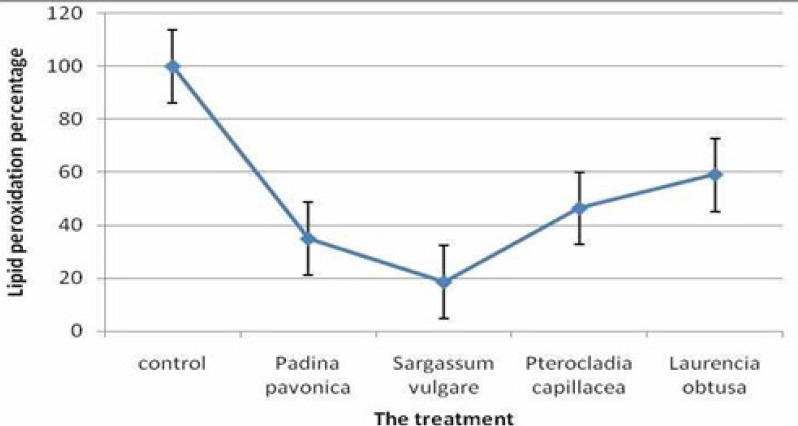
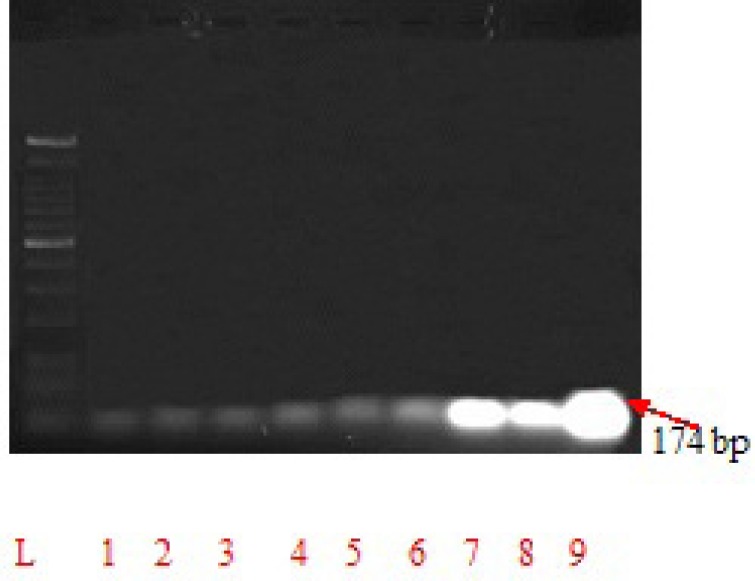
Hepatitis C virus (HCV) has infected 3% of the population worldwide and 20% of the population in Egypt. HCV infection can lead to hepatocellular carcinoma and death. The presently available treatment with interferon plus ribavirin, has limited benefits due to adverse side effects. Seaweeds have become a major source of new compounds to treat viral diseases. This work aimed to study the effect of four species of seaweeds as anti- HCV. The inhibition of lipid peroxidation was measured by evaluating the ability of seaweed extracts to scavenge the free radicals. The HepG2 cells were infected with the HCV and treated with each seaweed polysaccharide. Inhibition of viral replication was detected using the Real Time PCR (RT) qPCR. To explain the mode of the seaweed action on HCV, three modes of virus infections and seaweed polysaccharide treatments were applied. All treatments had the ability to inhibit the HCV with priority to (82.36%), while the potentiality to scavenge the free radicals reached up to 81.5% with the . Seaweed polysaccharide extracts may be helpful in exploring further gateways for antiviral therapy against HCV.
丙型肝炎病毒(HCV)已感染全球3%的人口以及埃及20%的人口。HCV感染可导致肝细胞癌和死亡。目前可用的干扰素加利巴韦林治疗,由于副作用,益处有限。海藻已成为治疗病毒性疾病新化合物的主要来源。这项工作旨在研究四种海藻作为抗HCV的效果。通过评估海藻提取物清除自由基的能力来测定脂质过氧化的抑制情况。将HepG2细胞感染HCV并用每种海藻多糖进行处理。使用实时荧光定量聚合酶链反应(RT-qPCR)检测病毒复制的抑制情况。为了解释海藻对HCV的作用方式,应用了三种病毒感染和海藻多糖处理模式。所有处理都有抑制HCV的能力,其中 优先达到82.36%,而清除自由基的潜力在 使用 时高达81.5%。海藻多糖提取物可能有助于探索针对HCV的抗病毒治疗的更多途径。