Cao Zhengyu, Xu Jian, Hulsizer Susan, Cui Yanjun, Dong Yao, Pessah Isaac N
State Key Laboratory of Natural Medicines & Jiangsu Provincial Key Laboratory for TCM Evaluation and Translational Development, China Pharmaceutical University, Nanjing, 211198, PR China; Department of Molecular Biosciences, School of Veterinary Medicine, University of California, Davis, 95616, United States.
State Key Laboratory of Natural Medicines & Jiangsu Provincial Key Laboratory for TCM Evaluation and Translational Development, China Pharmaceutical University, Nanjing, 211198, PR China.
Neurotoxicology. 2017 Jan;58:11-22. doi: 10.1016/j.neuro.2016.10.015. Epub 2016 Oct 29.
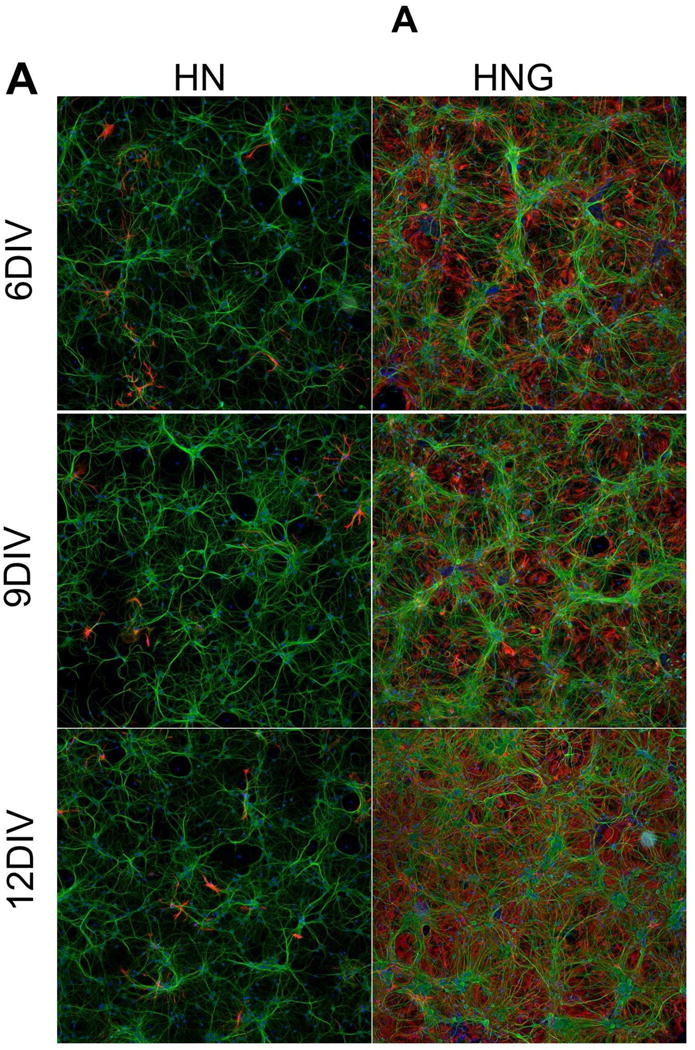
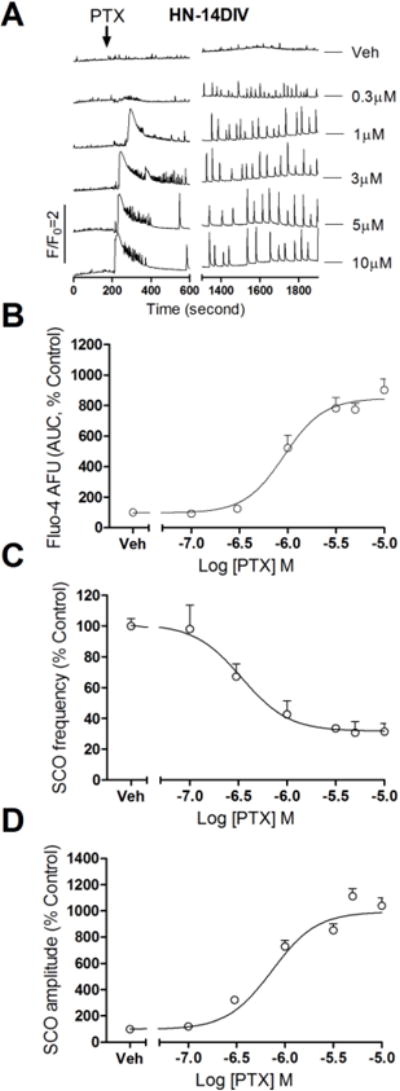
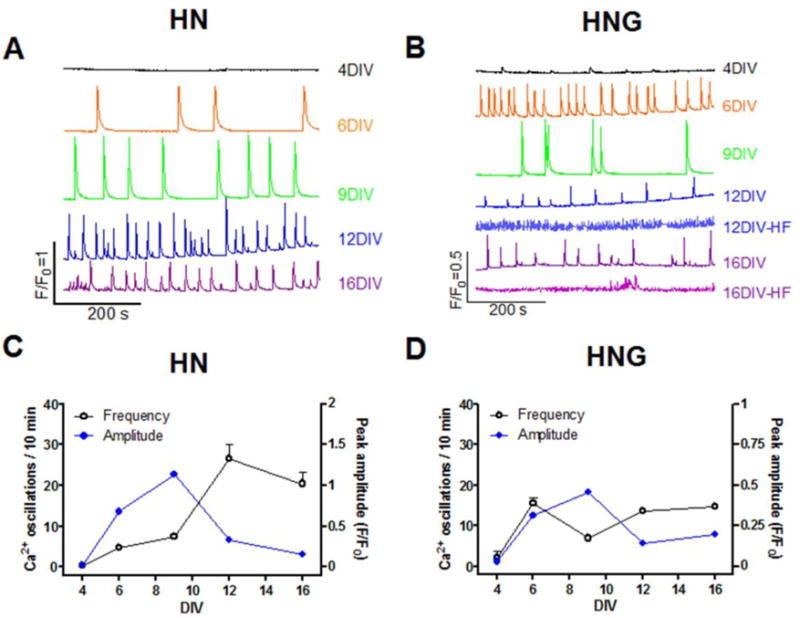
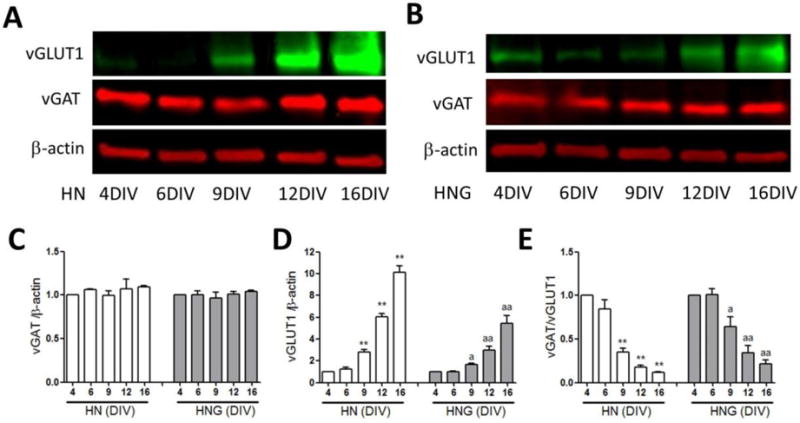
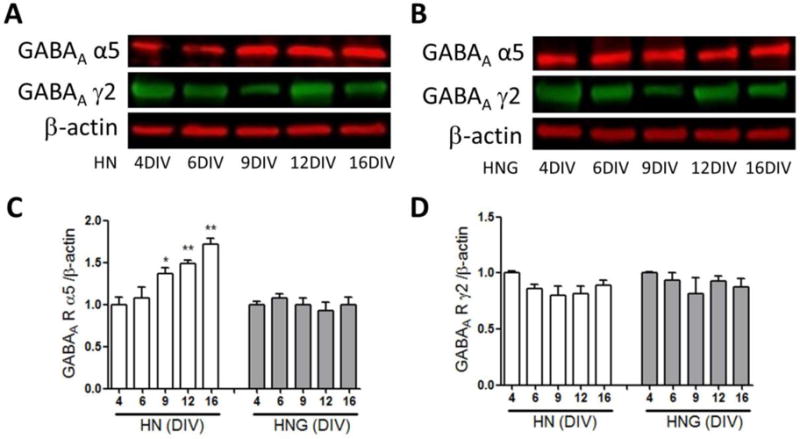
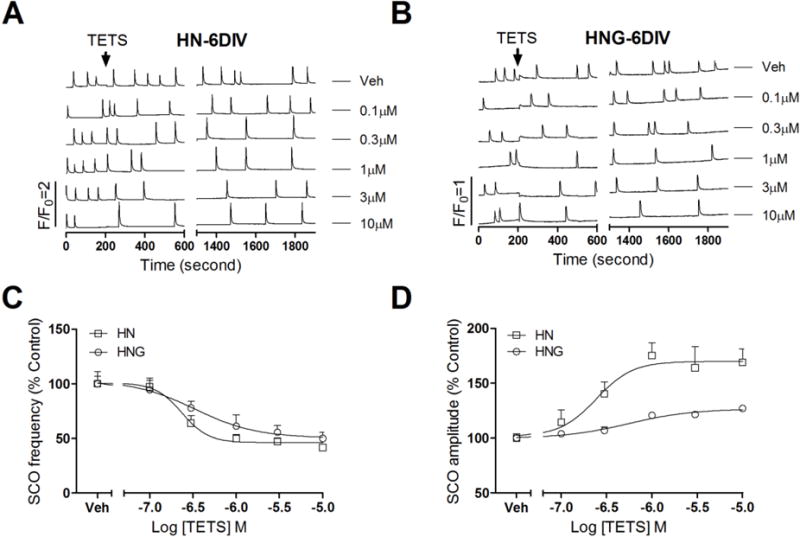
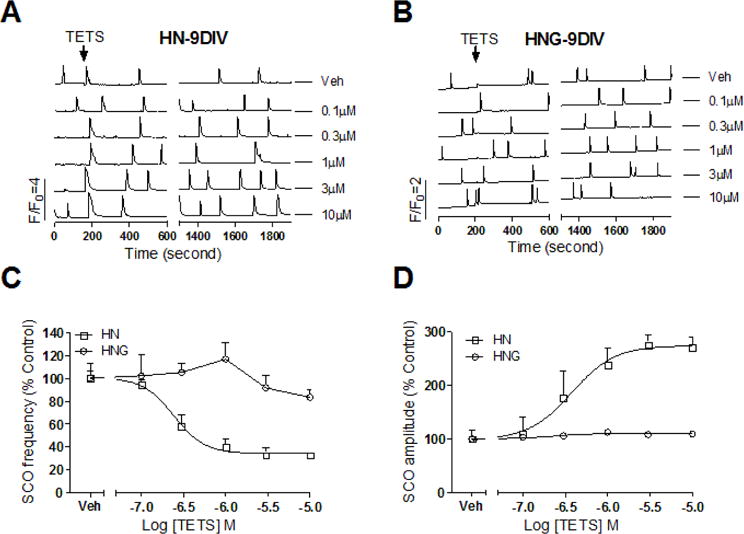
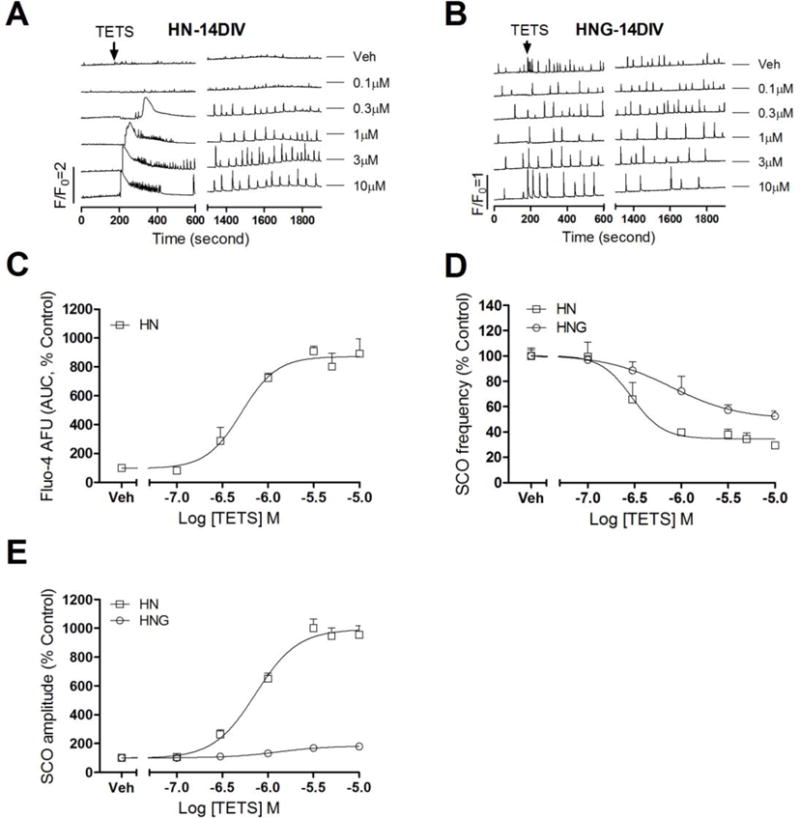
The spatial and temporal patterns of spontaneous synchronous Ca oscillations (SCOs) regulate physiological pathways that influence neuronal development, excitability, and health. Hippocampal neuronal cultures (HN) and neuron/glia co-cultures (HNG) produced from neonatal mice were loaded with Fluo-4/AM and SCOs recorded in real-time using a Fluorescence Imaging Plate Reader at different developmental stages in vitro. HNG showed an earlier onset of SCOs, with low amplitude and low frequency SCOs at 4days in vitro (DIV), whereas HN were quiescent at this point. SCO amplitude peaked at 9 DIV for both cultures. SCO network frequency peaked at 12 DIV in HN, whereas in HNG the frequency peaked at 6 DIV. SCO patterns were associated with the temporal development of neuronal networks and their ratio of glutamatergic to GABAergic markers of excitatory/inhibitory balance. HN and HNG exhibited differential responses to the convulsant tetramethylenedisulfotetramine (TETS) and were highly dependent on DIV. In HN, TETS triggered an acute rise of intracellular Ca (Phase I response) only in 14 DIV and a sustained decrease of SCO frequency with increased amplitude (Phase II response) at all developmental stages. In HNG, TETS decreased the SCO frequency and increased the amplitude at 6 and 14 but not 9 DIV. There was no acute Ca rise (Phase I response) in any age of HNG tested with TETS. These data demonstrated the importance of glia and developmental stage in modulating neuronal responses to TETS. Our results illustrate the applicability of the model for investigating how caged convulsants elicit abnormal network activity during the development of HN and HNG cultures in vitro.
自发同步钙振荡(SCOs)的时空模式调节着影响神经元发育、兴奋性和健康的生理途径。用Fluo-4/AM加载新生小鼠产生的海马神经元培养物(HN)和神经元/神经胶质共培养物(HNG),并使用荧光成像微孔板读数器在体外不同发育阶段实时记录SCOs。HNG的SCOs起始较早,在体外第4天(DIV)时具有低振幅和低频SCOs,而此时HN处于静止状态。两种培养物的SCO振幅在第9 DIV时达到峰值。HN中SCO网络频率在第12 DIV时达到峰值,而在HNG中频率在第6 DIV时达到峰值。SCO模式与神经网络的时间发育及其兴奋性/抑制性平衡的谷氨酸能与γ-氨基丁酸能标记物的比例相关。HN和HNG对惊厥剂四亚甲基二砜四胺(TETS)表现出不同的反应,并且高度依赖于DIV。在HN中,TETS仅在14 DIV时触发细胞内钙的急性升高(I期反应),并且在所有发育阶段均导致SCO频率持续降低且振幅增加(II期反应)。在HNG中,TETS在6和14 DIV时降低SCO频率并增加振幅,但在9 DIV时没有这种现象。在用TETS测试的任何年龄的HNG中均未观察到急性钙升高(I期反应)。这些数据证明了神经胶质和发育阶段在调节神经元对TETS反应中的重要性。我们的结果说明了该模型在研究笼装惊厥剂如何在体外HN和HNG培养物发育过程中引发异常网络活动方面的适用性。