Liau Brian B, Sievers Cem, Donohue Laura K, Gillespie Shawn M, Flavahan William A, Miller Tyler E, Venteicher Andrew S, Hebert Christine H, Carey Christopher D, Rodig Scott J, Shareef Sarah J, Najm Fadi J, van Galen Peter, Wakimoto Hiroaki, Cahill Daniel P, Rich Jeremy N, Aster Jon C, Suvà Mario L, Patel Anoop P, Bernstein Bradley E
Department of Pathology and Center for Cancer Research, Massachusetts General Hospital and Harvard Medical School, Boston, MA 02114, USA; Broad Institute of Harvard and MIT, Cambridge, MA 02142, USA.
Department of Stem Cell Biology and Regenerative Medicine, Lerner Research Institute, Cleveland Clinic, Cleveland, OH 44195, USA; Department of Molecular Medicine, Cleveland Clinic Lerner College of Medicine, Case Western Reserve University, Cleveland, OH 44195, USA.
Cell Stem Cell. 2017 Feb 2;20(2):233-246.e7. doi: 10.1016/j.stem.2016.11.003. Epub 2016 Dec 15.
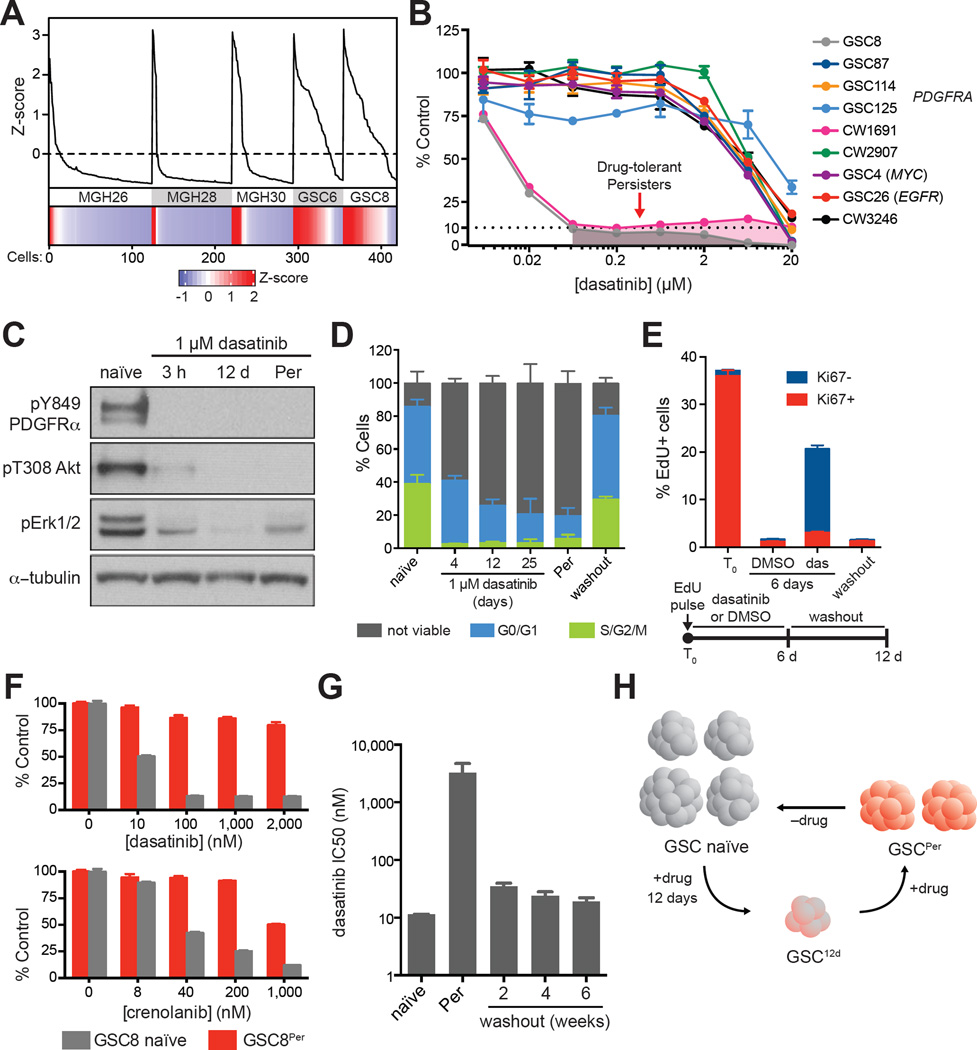
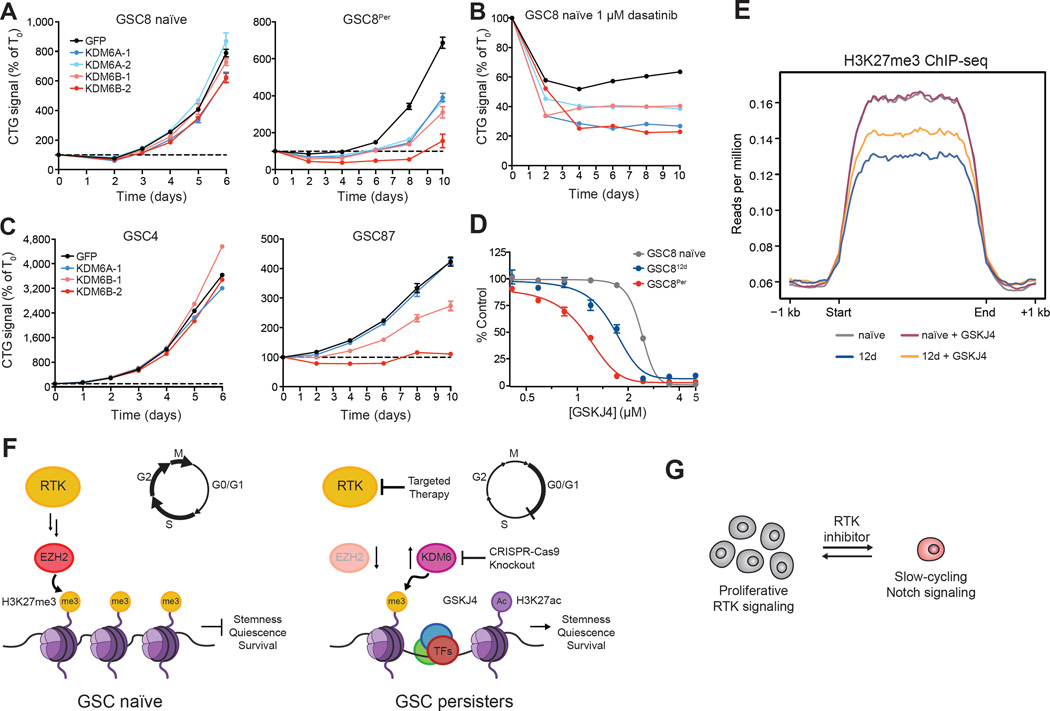
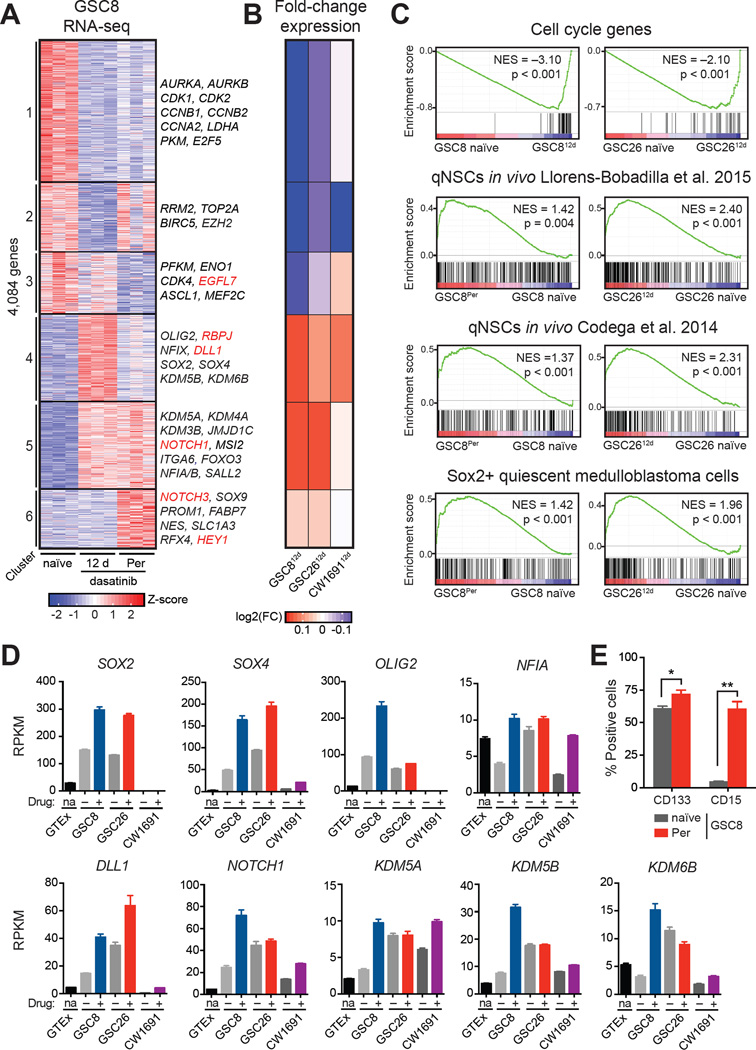
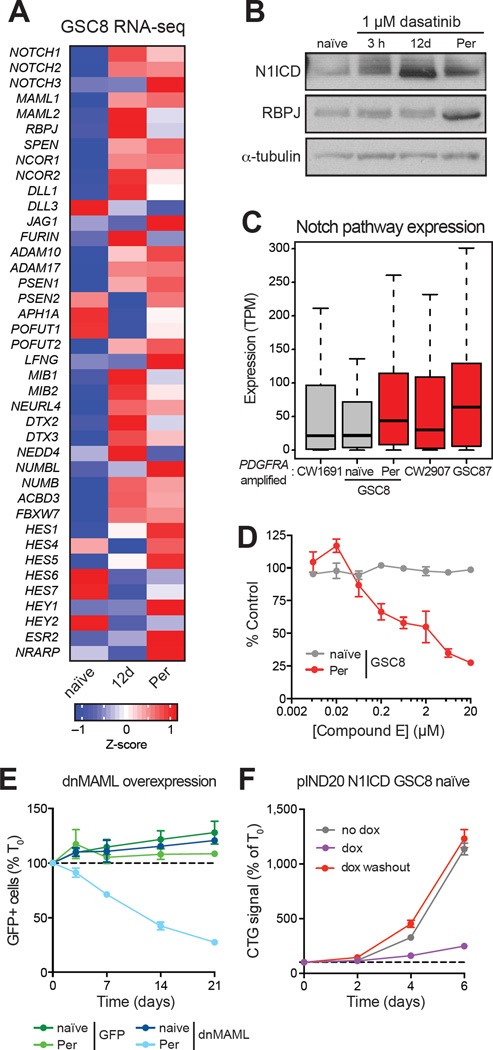
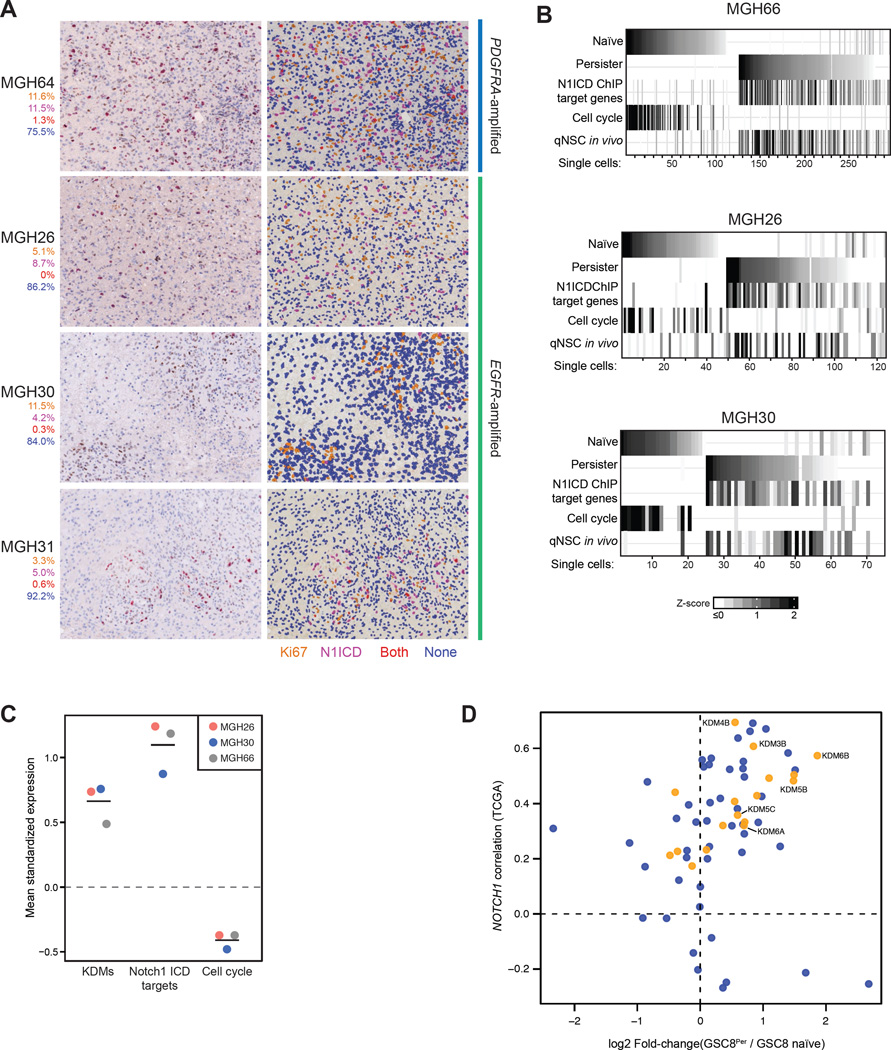
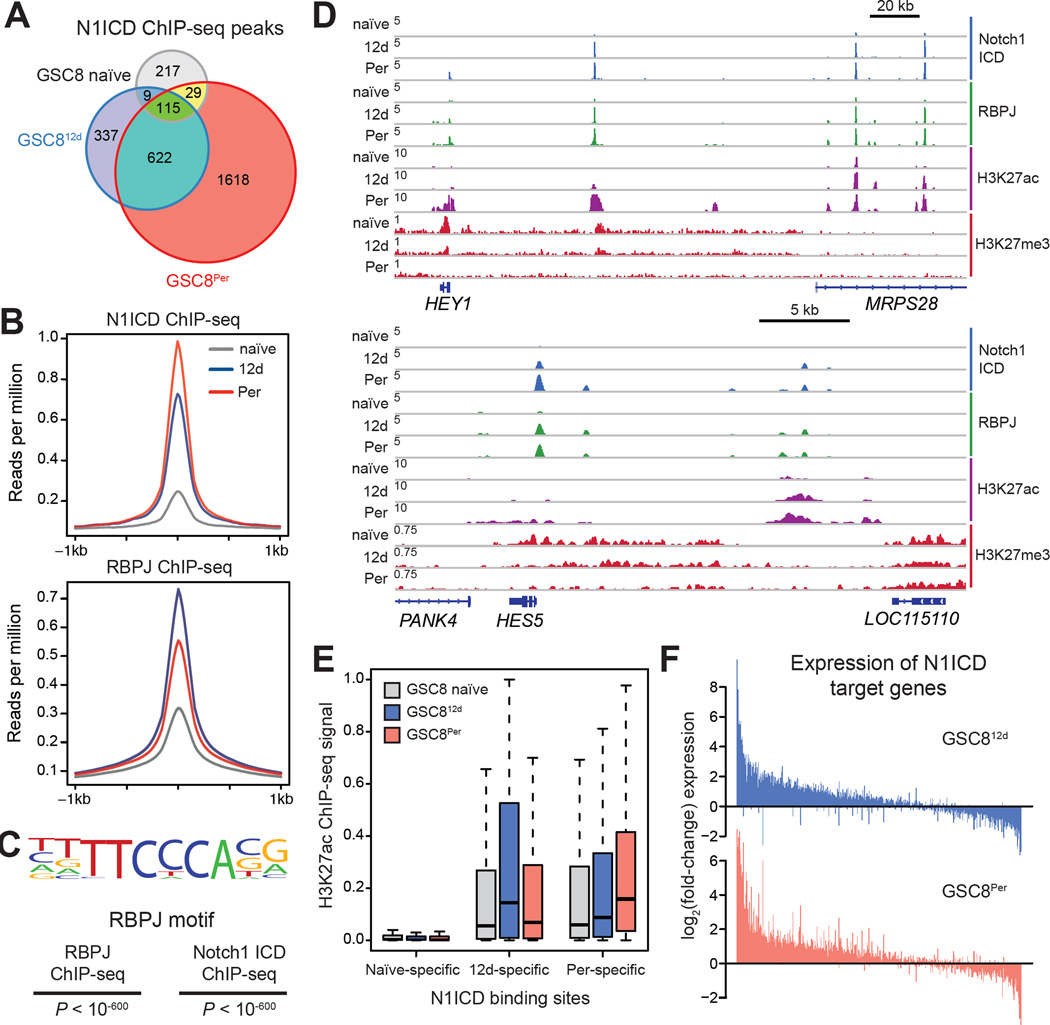
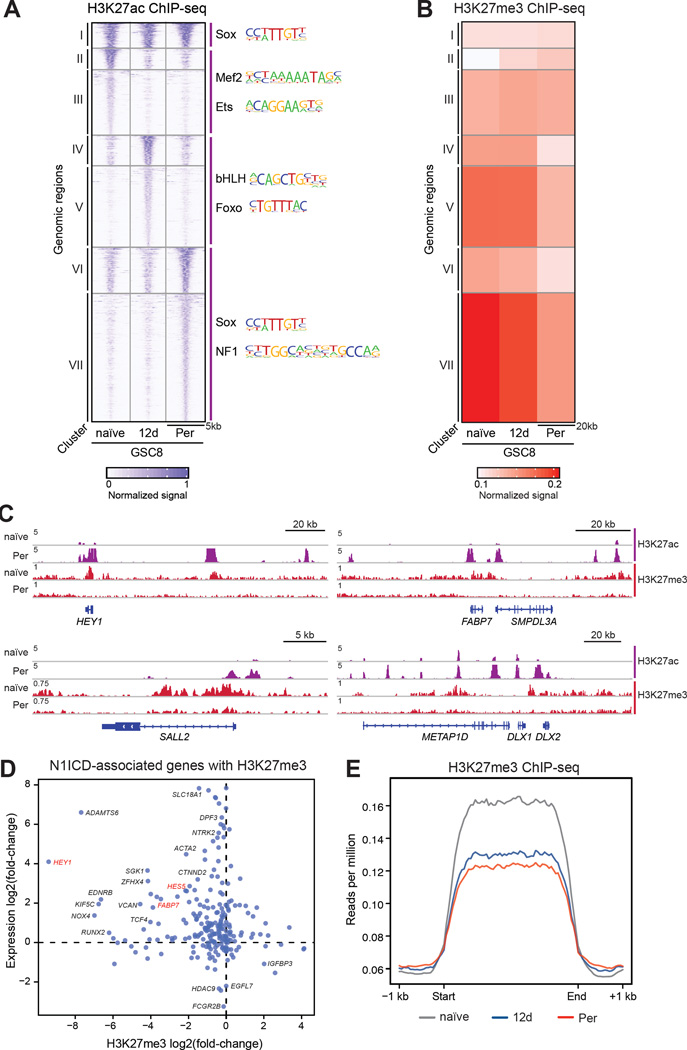
Glioblastoma, the most common and aggressive malignant brain tumor, is propagated by stem-like cancer cells refractory to existing therapies. Understanding the molecular mechanisms that control glioblastoma stem cell (GSC) proliferation and drug resistance may reveal opportunities for therapeutic interventions. Here we show that GSCs can reversibly transition to a slow-cycling, persistent state in response to targeted kinase inhibitors. In this state, GSCs upregulate primitive developmental programs and are dependent upon Notch signaling. This transition is accompanied by widespread redistribution of repressive histone methylation. Accordingly, persister GSCs upregulate, and are dependent on, the histone demethylases KDM6A/B. Slow-cycling cells with high Notch activity and histone demethylase expression are present in primary glioblastomas before treatment, potentially contributing to relapse. Our findings illustrate how cancer cells may hijack aspects of native developmental programs for deranged proliferation, adaptation, and tolerance. They also suggest strategies for eliminating refractory tumor cells by targeting epigenetic and developmental pathways.
胶质母细胞瘤是最常见且侵袭性最强的恶性脑肿瘤,由对现有疗法具有抗性的干细胞样癌细胞增殖形成。了解控制胶质母细胞瘤干细胞(GSC)增殖和耐药性的分子机制,可能会为治疗干预提供机会。在此,我们表明,GSC可响应靶向激酶抑制剂而可逆地转变为慢周期、持久状态。在此状态下,GSC上调原始发育程序,并依赖Notch信号传导。这种转变伴随着抑制性组蛋白甲基化的广泛重新分布。因此,持久性GSC上调并依赖组蛋白去甲基化酶KDM6A/B。具有高Notch活性和组蛋白去甲基化酶表达的慢周期细胞在原发性胶质母细胞瘤治疗前就已存在,这可能导致复发。我们的研究结果说明了癌细胞如何劫持天然发育程序的某些方面以实现紊乱的增殖、适应和耐受。它们还提出了通过靶向表观遗传和发育途径消除难治性肿瘤细胞的策略。