Xu Dunquan, Li Yan, Zhang Bo, Wang Yanxia, Liu Yi, Luo Ying, Niu Wen, Dong Mingqing, Liu Manling, Dong Haiying, Zhao Pengtao, Li Zhichao
Department of Pathophysiology, Fourth Military Medical University, Xi`an, 710032, PR China.; Clinical laboratory, the Eighth Hospital of PLA, Xigaze, 857000, PR China.
Physical Examination Center of Beijing Military Region General Hospital, Beijing, 100700, PR China.
Int J Med Sci. 2016 Nov 23;13(12):942-954. doi: 10.7150/ijms.16810. eCollection 2016.
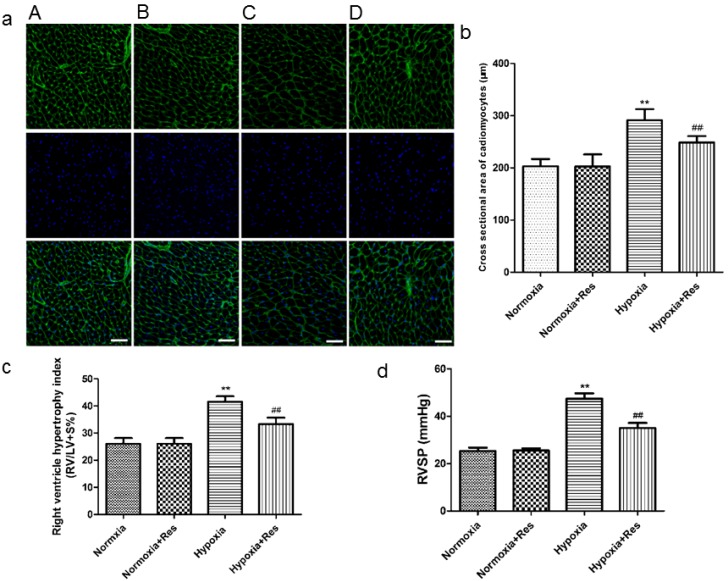
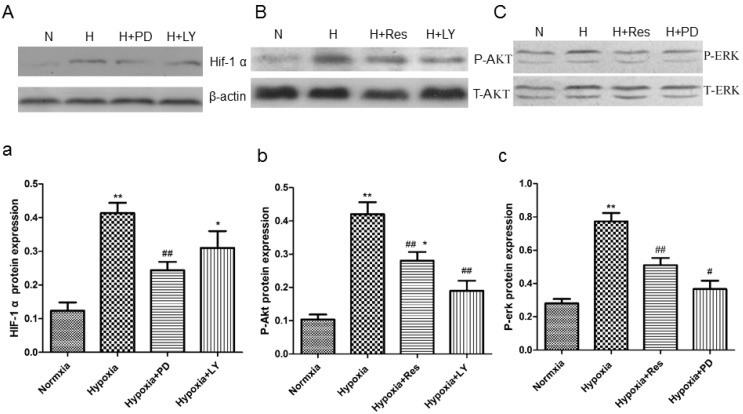
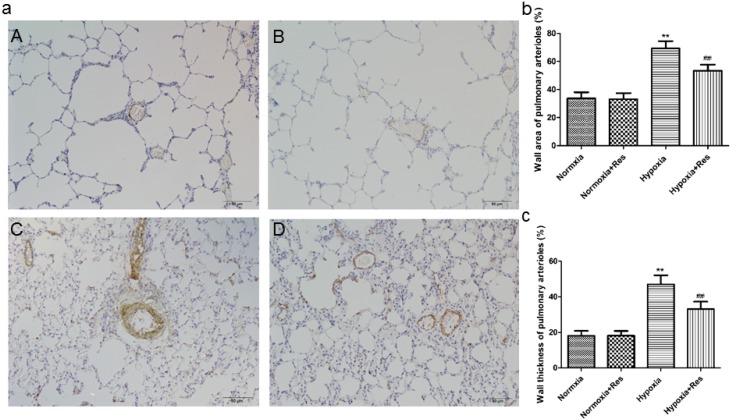
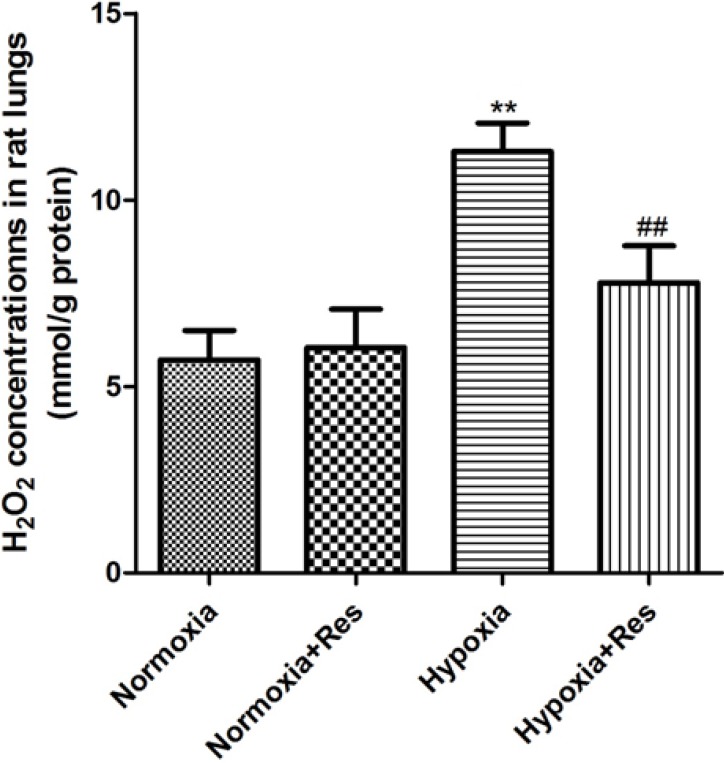
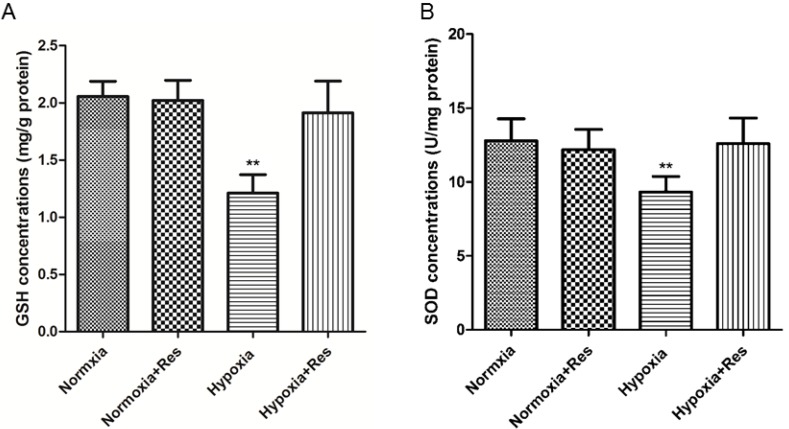
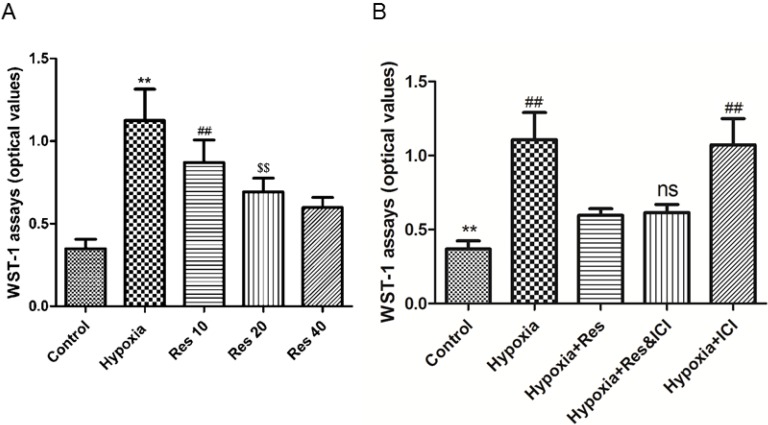
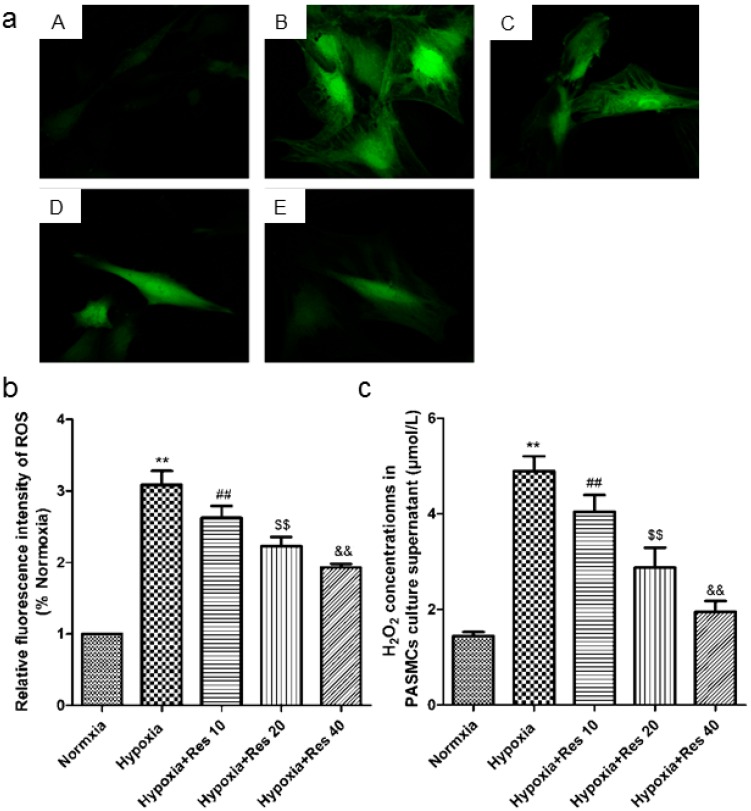
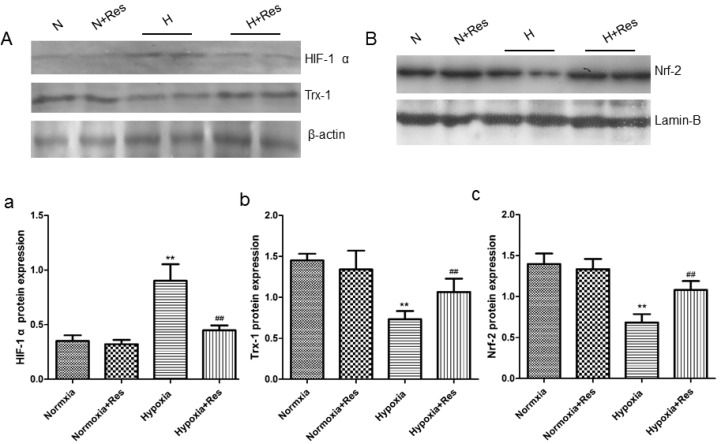
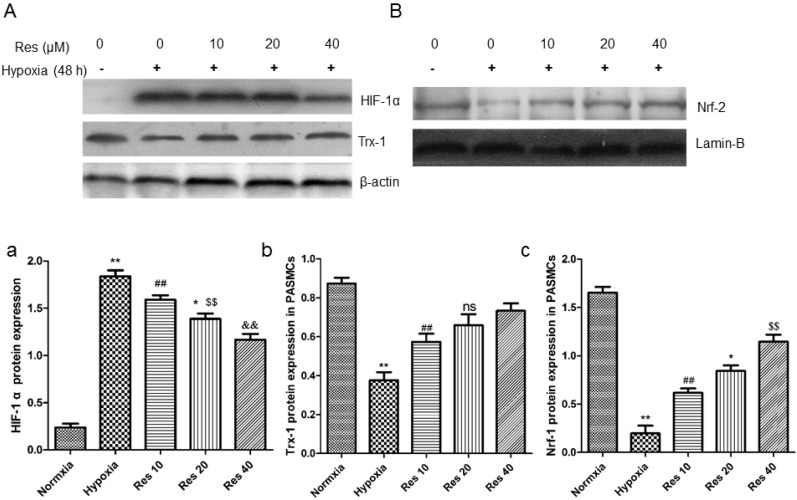
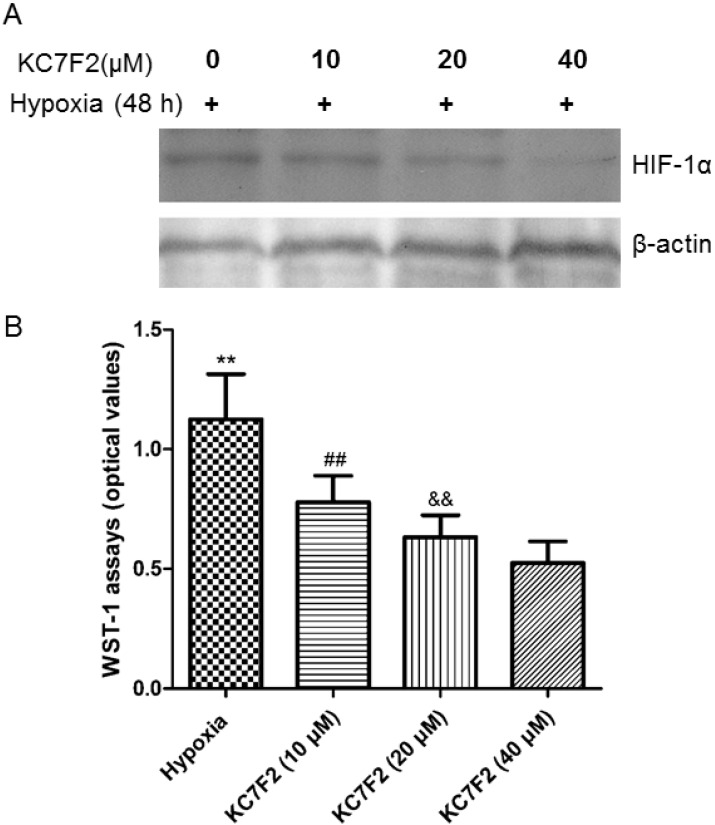
Resveratrol, a plant-derived polyphenolic compound and a phytoestrogen, was shown to possess multiple protective effects including anti-inflammatory response and anti-oxidative stress. Hypoxic pulmonary hypertension (HPH) is a progressive disease characterized by sustained vascular resistance and marked pulmonary vascular remodeling. The exact mechanisms of HPH are still unclear, but inflammatory response and oxidative stress was demonstrated to participate in the progression of HPH. The present study was designed to investigate the effects of resveratrol on HPH development. Sprague-Dawley rats were challenged by hypoxia exposure for 28 days to mimic hypoxic pulmonary hypertension along with treating resveratrol (40 mg/kg/day). Hemodynamic and pulmonary pathomorphology data were then obtained, and the anti-proliferation effect of resveratrol was determined by assays. The anti-inflammation and anti-oxidative effects of resveratrol were investigated and . The present study showed that resveratrol treatment alleviated right ventricular systolic pressure and pulmonary arterial remodeling induced by hypoxia. experiments showed that resveratrol notably inhibited proliferation of pulmonary arterial smooth muscle cells in an ER-independent manner. Data showed that resveratrol administration inhibited HIF-1 α expression and , suppressed inflammatory cells infiltration around the pulmonary arteries, and decreased ROS production induced by hypoxia in PAMSCs. The inflammatory cytokines' mRNA levels of tumor necrosis factor α, interleukin 6, and interleukin 1β were all suppressed by resveratrol treatment. The assays showed that resveratrol inhibited the expression of HIF-1 α via suppressing the MAPK/ERK1 and PI3K/AKT pathways. The antioxidant axis of Nuclear factor erythroid-2 related factor 2/ Thioredoxin 1 (Nrf-2/Trx-1) was up-regulated both in lung tissues and in cultured PASMCs. In general, the current study demonstrated that resveratrol may prevent pulmonary hypertension through its anti-proliferation, anti-inflammation and antioxidant effects. Hence, the present data may offer novel targets and promising pharmacological perspective for treating hypoxic pulmonary hypertension.
白藜芦醇是一种植物来源的多酚类化合物和植物雌激素,具有多种保护作用,包括抗炎反应和抗氧化应激。低氧性肺动脉高压(HPH)是一种进行性疾病,其特征是持续的血管阻力和明显的肺血管重塑。HPH的确切机制仍不清楚,但炎症反应和氧化应激被证明参与了HPH的进展。本研究旨在探讨白藜芦醇对HPH发展的影响。将Sprague-Dawley大鼠暴露于低氧环境28天以模拟低氧性肺动脉高压,并同时给予白藜芦醇(40mg/kg/天)治疗。然后获得血流动力学和肺病理形态学数据,并通过实验确定白藜芦醇的抗增殖作用。研究了白藜芦醇的抗炎和抗氧化作用。本研究表明,白藜芦醇治疗可减轻低氧诱导的右心室收缩压和肺动脉重塑。实验表明,白藜芦醇以不依赖雌激素受体的方式显著抑制肺动脉平滑肌细胞的增殖。数据显示,给予白藜芦醇可抑制HIF-1α表达,并抑制肺动脉周围炎症细胞浸润,降低低氧诱导的肺动脉平滑肌细胞(PAMSCs)中活性氧的产生。白藜芦醇治疗可抑制肿瘤坏死因子α、白细胞介素6和白细胞介素1β等炎性细胞因子的mRNA水平。实验表明,白藜芦醇通过抑制MAPK/ERK1和PI3K/AKT信号通路来抑制HIF-1α的表达。肺组织和培养的肺动脉平滑肌细胞中核因子红细胞2相关因子2/硫氧还蛋白1(Nrf-2/Trx-1)抗氧化轴均上调。总体而言,目前的研究表明,白藜芦醇可能通过其抗增殖、抗炎和抗氧化作用预防肺动脉高压。因此,本研究数据可能为治疗低氧性肺动脉高压提供新的靶点和有前景的药理学前景。