Department of Obstetrics and Gynecology, Research Institute of Surgery, Daping Hospital, Third Military Medical University, Chongqing, China.
Institute of Materia Medica, College of Pharmacy, Third Military Medical University, Chongqing, China.
Sci Rep. 2016 Dec 20;6:39469. doi: 10.1038/srep39469.
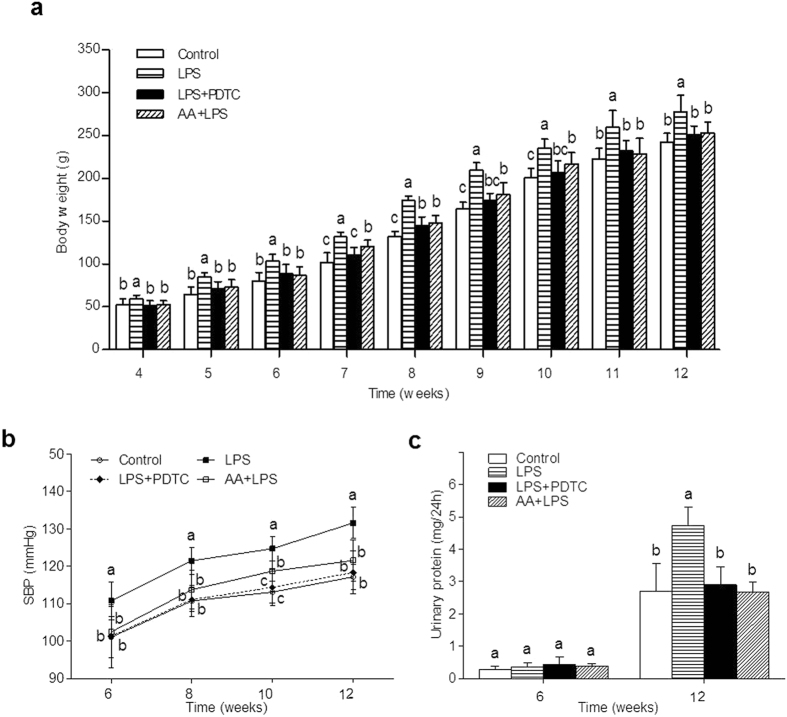
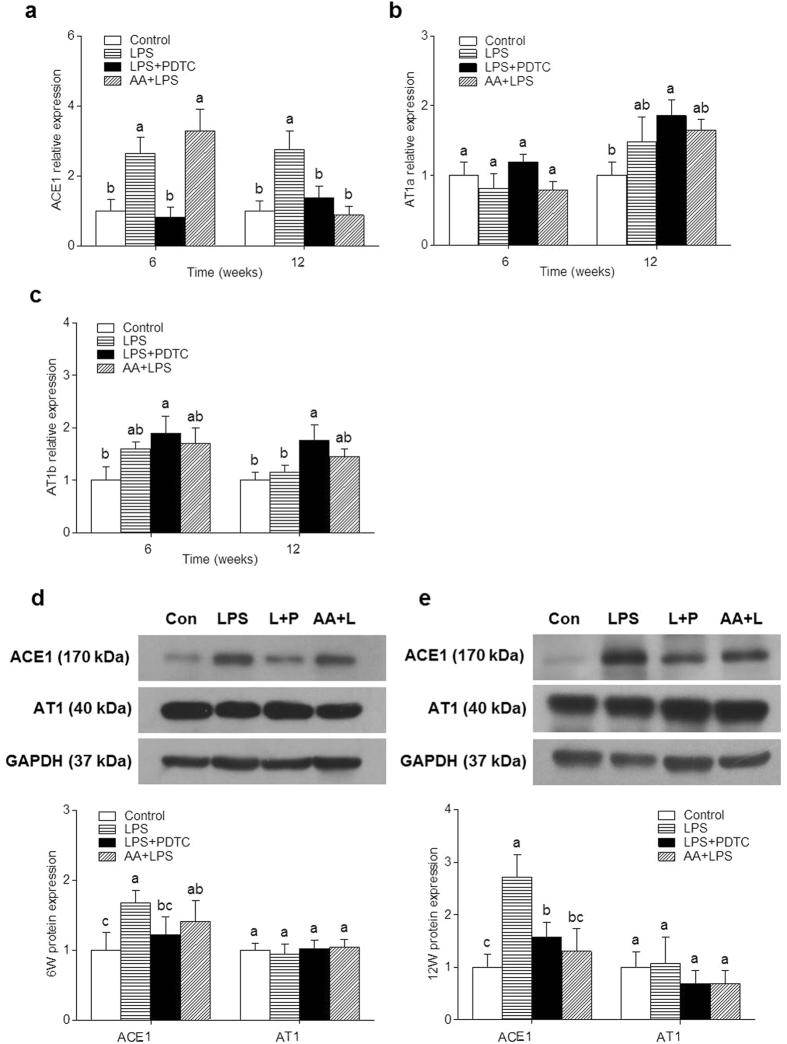
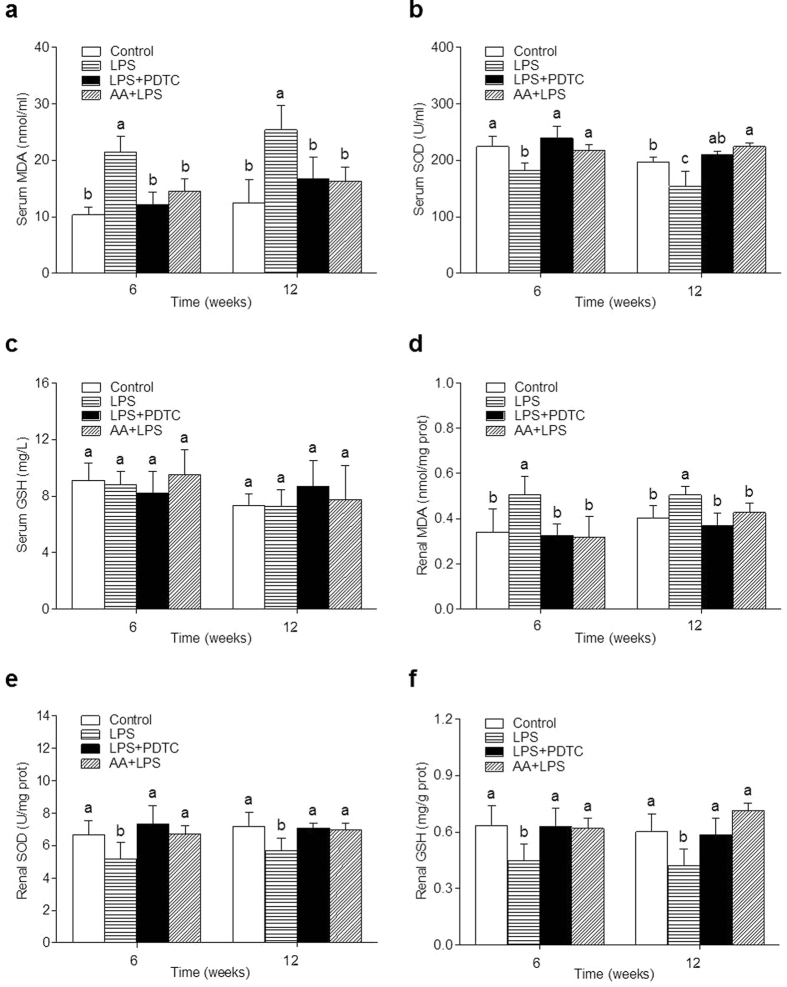
Hypertension is a major risk factor for cardiovascular and cerebrovascular disease. Prenatal exposure to lipopolysaccharide (LPS) leads to hypertension in a rat offspring. However, the mechanism is still unclear. This study unraveled epigenetic mechanism for this and explored the protective effects of ascorbic acid against hypertension on prenatal inflammation-induced offspring. Prenatal LPS exposure resulted in an increase of intrarenal oxidative stress and enhanced angiotensin-converting enzyme 1 (ACE1) gene expression at the mRNA and protein levels in 6- and 12-week-old offspring, correlating with the augmentation of histone H3 acetylation (H3AC) on the ACE1 promoter. However, the prenatal ascorbic acid treatment decreased the LPS-induced expression of ACE1, protected against intrarenal oxidative stress, and reversed the altered histone modification on the ACE1 promoter, showing the protective effect in offspring of prenatal LPS stimulation. Our study demonstrates that ascorbic acid is able to prevent hypertension in offspring from prenatal inflammation exposure. Thus, ascorbic acid can be a new approach towards the prevention of fetal programming hypertension.
高血压是心血管和脑血管疾病的一个主要危险因素。产前暴露于脂多糖 (LPS) 会导致大鼠后代出现高血压。然而,其机制尚不清楚。本研究揭示了这种表观遗传机制,并探讨了抗坏血酸对产前炎症引起的后代高血压的保护作用。产前 LPS 暴露导致 6 至 12 周龄后代肾内氧化应激增加,并增强血管紧张素转换酶 1 (ACE1) 基因在 mRNA 和蛋白质水平上的表达,与 ACE1 启动子上组蛋白 H3 乙酰化 (H3AC) 的增加相关。然而,产前抗坏血酸处理降低了 LPS 诱导的 ACE1 表达,保护了肾内氧化应激,并逆转了 ACE1 启动子上改变的组蛋白修饰,显示了对产前 LPS 刺激后代的保护作用。我们的研究表明,抗坏血酸能够预防产前炎症暴露后代的高血压。因此,抗坏血酸可能是预防胎儿编程高血压的一种新方法。