Division of Optometry &Visual Science, City, University of London, Northampton Square, London EC1V 0HB, UK.
School of Biological Sciences, University of Bristol, Bristol Life Sciences Building, 24 Tyndall Avenue, Bristol BS8 1TQ, UK.
Sci Rep. 2016 Dec 20;6:39395. doi: 10.1038/srep39395.
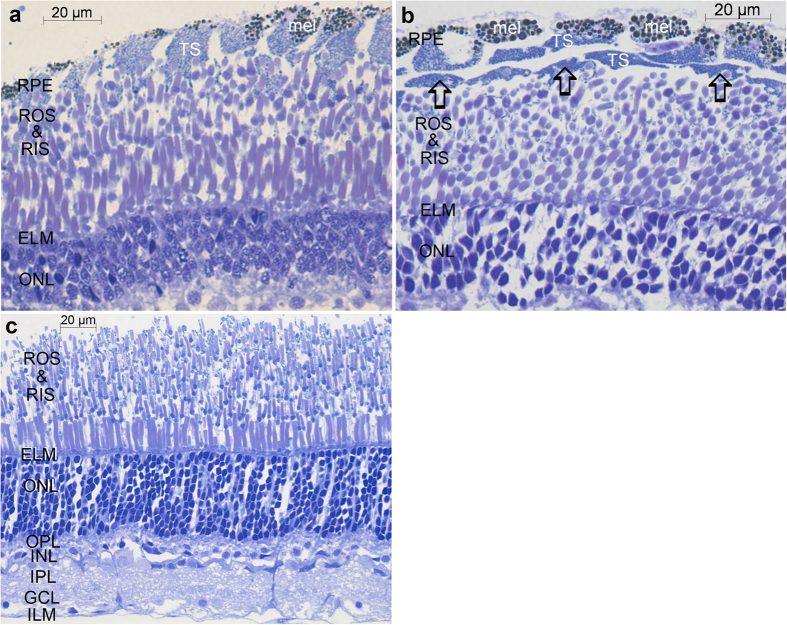
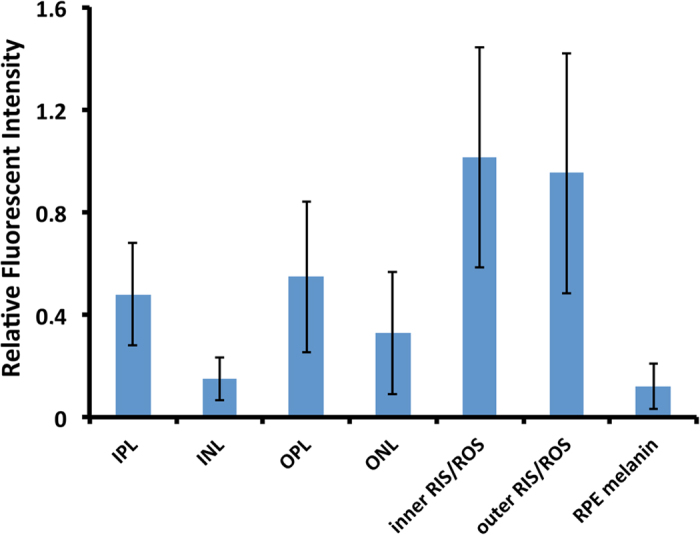
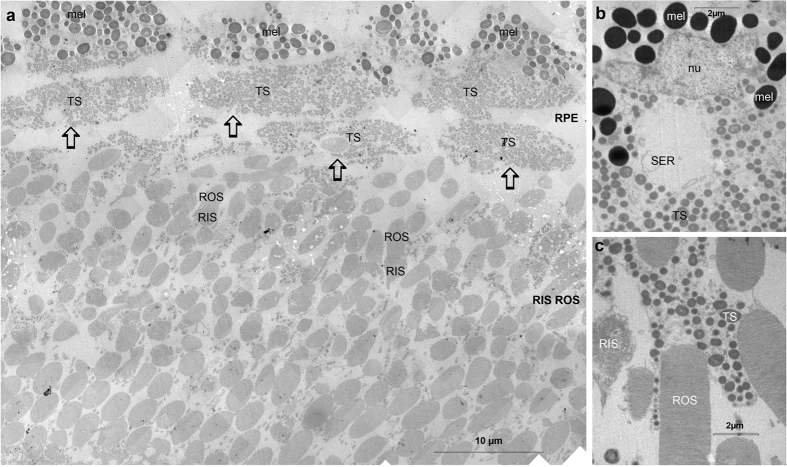
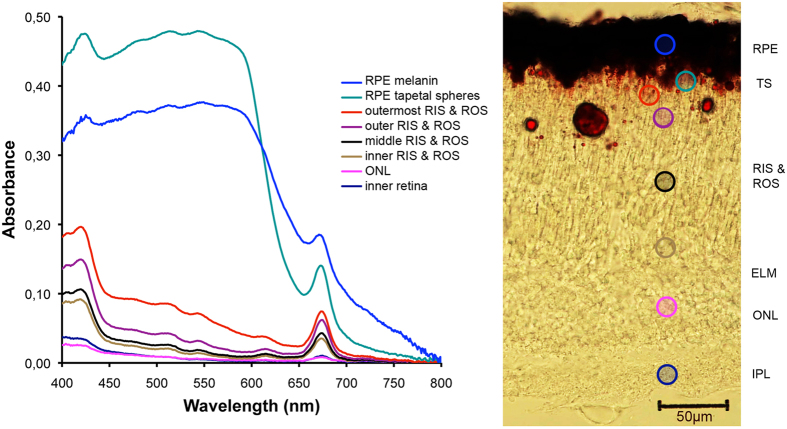
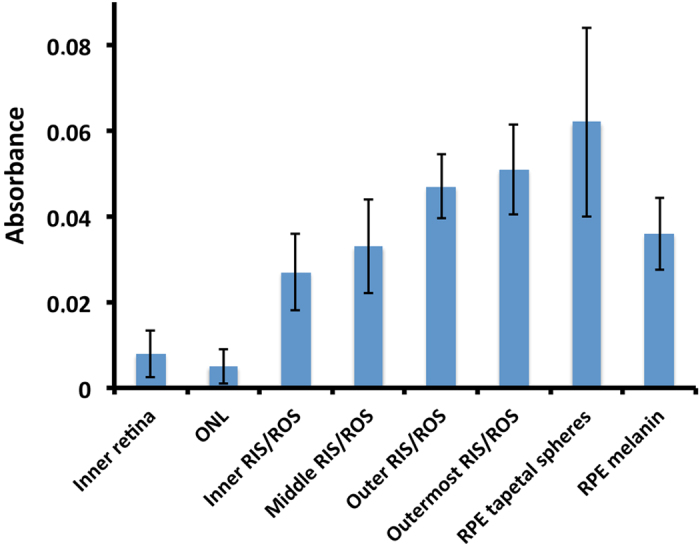
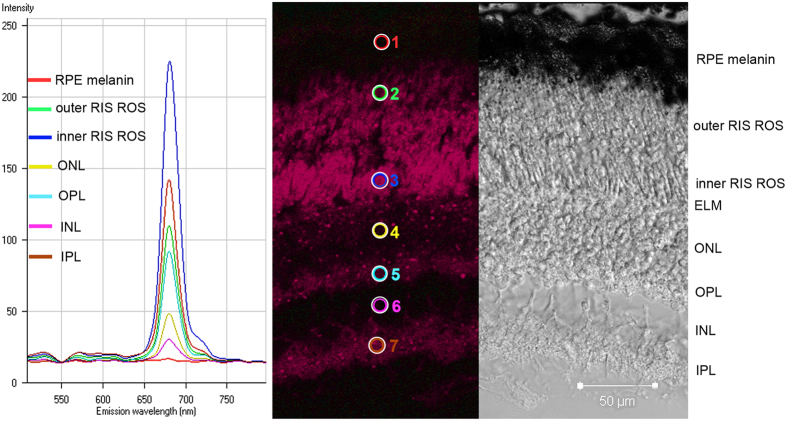
Most deep-sea fish have a single visual pigment maximally sensitive at short wavelengths, approximately matching the spectrum of both downwelling sunlight and bioluminescence. However, Malcosteus niger produces far-red bioluminescence and its longwave retinal sensitivity is enhanced by red-shifted visual pigments, a longwave reflecting tapetum and, uniquely, a bacteriochlorophyll-derived photosensitizer. The origin of the photosensitizer, however, remains unclear. We investigated whether the bacteriochlorophyll was produced by endosymbiotic bacteria within unusual structures adjacent to the photoreceptors that had previously been described in this species. However, microscopy, elemental analysis and SYTOX green staining provided no evidence for such localised retinal bacteria, instead the photosensitizer was shown to be distributed throughout the retina. Furthermore, comparison of mRNA from the retina of Malacosteus to that of the closely related Pachystomias microdon (which does not contain a bacterichlorophyll-derived photosensitzer) revealed no genes of bacterial origin that were specifically up-regulated in Malacosteus. Instead up-regulated Malacosteus genes were associated with photosensitivity and may relate to its unique visual ecology and the chlorophyll-based visual system. We also suggest that the unusual longwave-reflecting, astaxanthin-based, tapetum of Malacosteus may protect the retina from the potential cytotoxicity of such a system.
大多数深海鱼类只有一种对短波长敏感的视觉色素,其最大吸收峰与下降光和生物发光的光谱大致匹配。然而,黑鳍深海金线鱼却能产生远红光生物发光,其长波视网膜敏感性可通过红移视觉色素、长波反射视锥细胞层和独特的细菌叶绿素衍生的光敏剂来增强。然而,这种光敏剂的起源仍不清楚。我们研究了细菌叶绿素是否是由与先前在该物种中描述的相邻的特殊结构内的内共生细菌产生的。然而,显微镜观察、元素分析和 SYTOX green 染色均未提供局部视网膜细菌存在的证据,相反,证明光敏剂分布在整个视网膜中。此外,将 Malacosteus 视网膜的 mRNA 与亲缘关系密切的 Pachystomias microdon 的 mRNA 进行比较(后者不含细菌叶绿素衍生的光敏剂),发现 Malacosteus 中没有特定上调的细菌起源基因。相反,上调的 Malacosteus 基因与光敏性有关,可能与其独特的视觉生态和基于叶绿素的视觉系统有关。我们还认为,Malacosteus 不寻常的长波反射、类胡萝卜素为基础的视锥细胞层可能有助于保护视网膜免受这种系统的潜在细胞毒性。