School of Clinical Sciences, University of Bristol, Bristol Royal Infirmary, Bristol, BS2 8HW, UK.
School of Healthcare Science, Manchester Metropolitan University, John Dalton Building, Manchester M1 5GD, UK.
Sci Rep. 2016 Dec 20;6:39553. doi: 10.1038/srep39553.
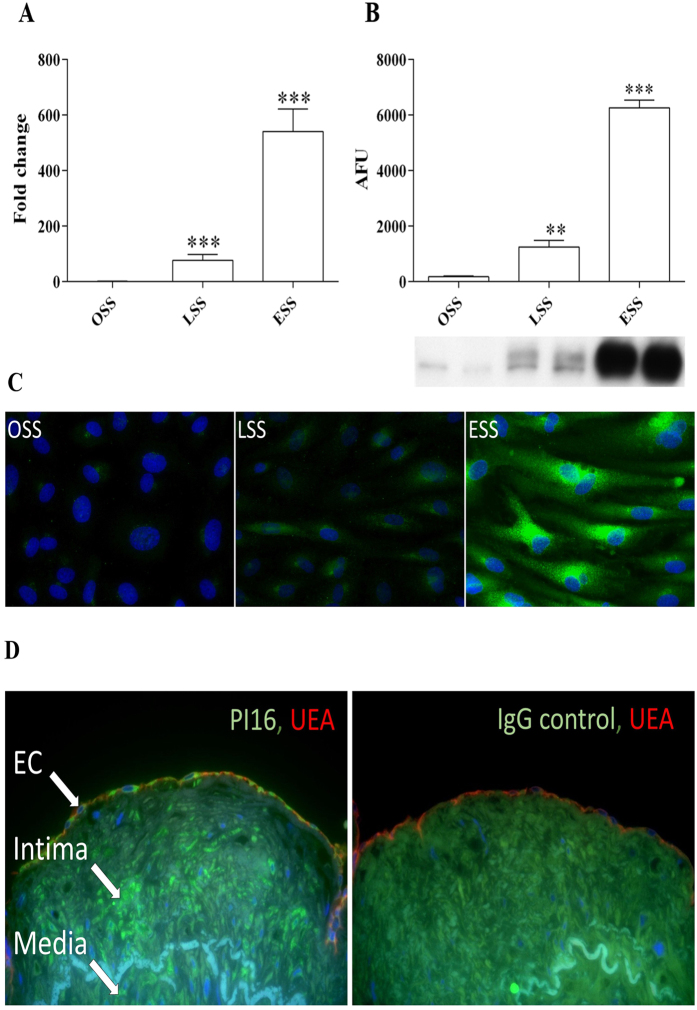
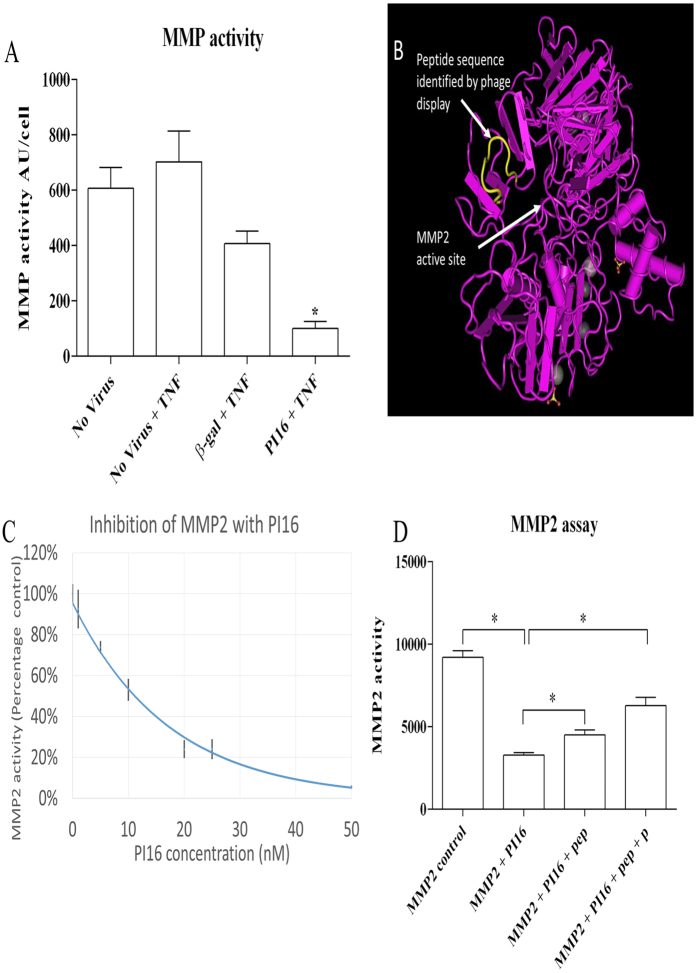
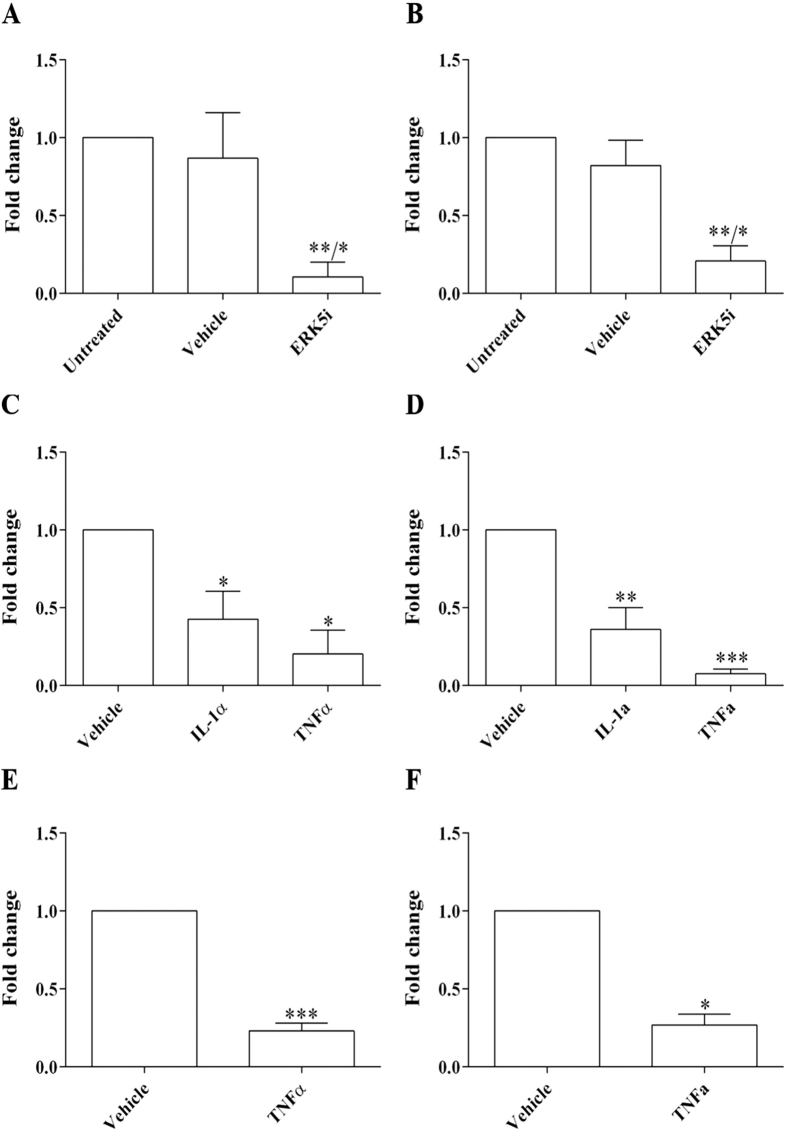
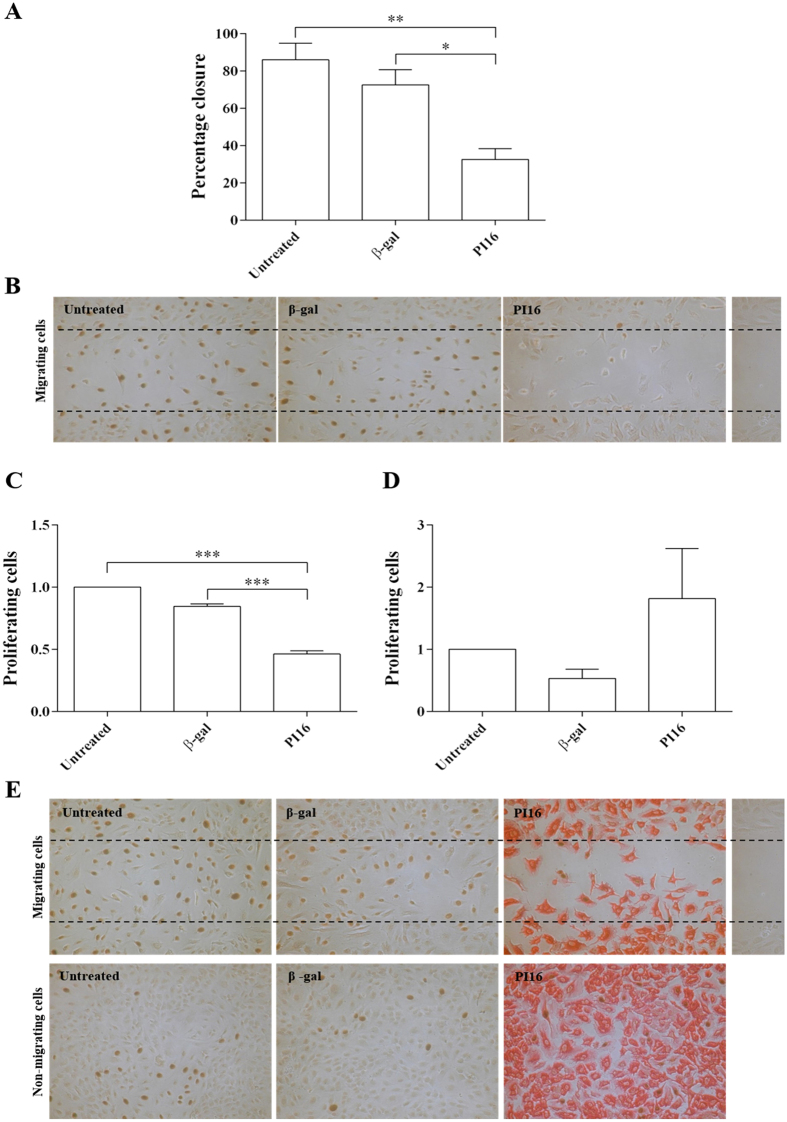
Raised endothelial shear stress is protective against atherosclerosis but such protection may be lost at sites of inflammation. We found that four splice variants of the peptidase inhibitor 16 (PI16) mRNA are among the most highly shear stress regulated transcripts in human coronary artery endothelial cells (HCAECs), in vitro but that expression is reduced by inflammatory mediators TNFα and IL-1β. Immunohistochemistry demonstrated that PI16 is expressed in human coronary endothelium and in a subset of neointimal cells and medial smooth muscle cells. Adenovirus-mediated PI16 overexpression inhibits HCAEC migration and secreted matrix metalloproteinase (MMP) activity. Moreover, PI16 inhibits MMP2 in part by binding an exposed peptide loop above the active site. Our results imply that, at high endothelial shear stress, PI16 contributes to inhibition of protease activity; protection that can be reversed during inflammation.
内皮剪切力升高可预防动脉粥样硬化,但在炎症部位,这种保护可能会丧失。我们发现,在人冠状动脉内皮细胞(HCAEC)中,四种肽酶抑制剂 16(PI16)mRNA 的剪接变体是受剪切力调节最明显的转录本之一,但炎症介质 TNFα 和 IL-1β 可降低其表达。免疫组织化学显示,PI16 表达于人冠状动脉内皮细胞以及部分新生内膜细胞和中层平滑肌细胞。腺病毒介导的 PI16 过表达可抑制 HCAEC 迁移和分泌的基质金属蛋白酶(MMP)活性。此外,PI16 通过结合活性部位上方暴露的肽环部分抑制 MMP2。我们的研究结果表明,在高内皮剪切力下,PI16 有助于抑制蛋白酶活性;而在炎症期间,这种保护可能会被逆转。