Perea Gertrudis, Gómez Ricardo, Mederos Sara, Covelo Ana, Ballesteros Jesús J, Schlosser Laura, Hernández-Vivanco Alicia, Martín-Fernández Mario, Quintana Ruth, Rayan Abdelrahman, Díez Adolfo, Fuenzalida Marco, Agarwal Amit, Bergles Dwight E, Bettler Bernhard, Manahan-Vaughan Denise, Martín Eduardo D, Kirchhoff Frank, Araque Alfonso
Consejo Superior de Investigaciones Científicas, Instituto Cajal, Madrid, Spain.
Cellular and Systems Neurobiology, Systems Biology Program, Centre for Genomic Regulation, The Barcelona Institute of Science and Technology, Barcelona, Spain.
Elife. 2016 Dec 24;5:e20362. doi: 10.7554/eLife.20362.
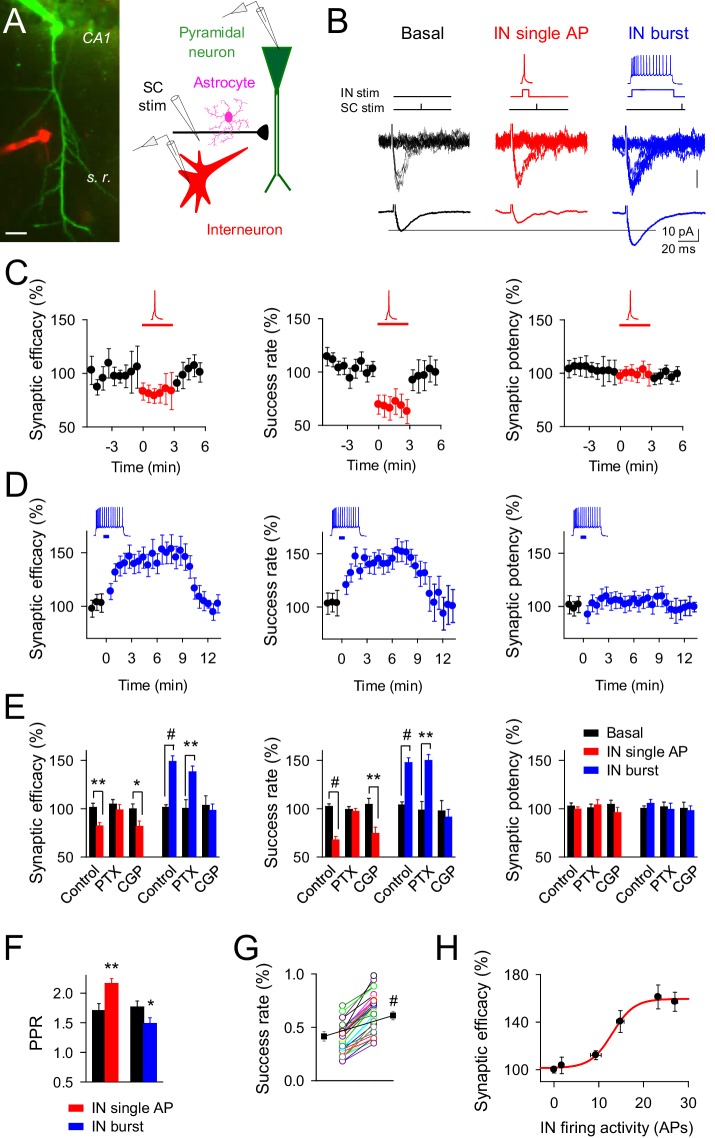
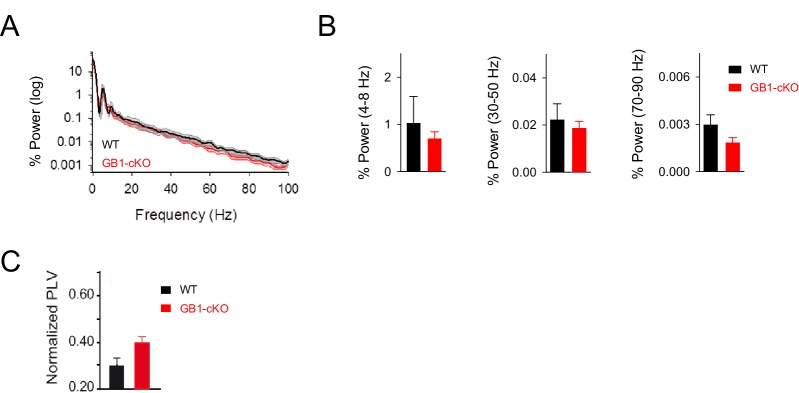
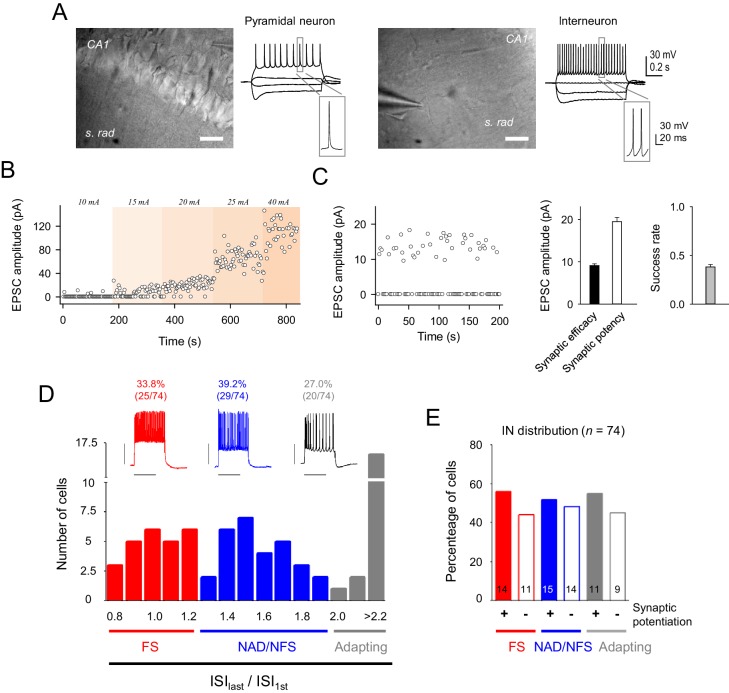
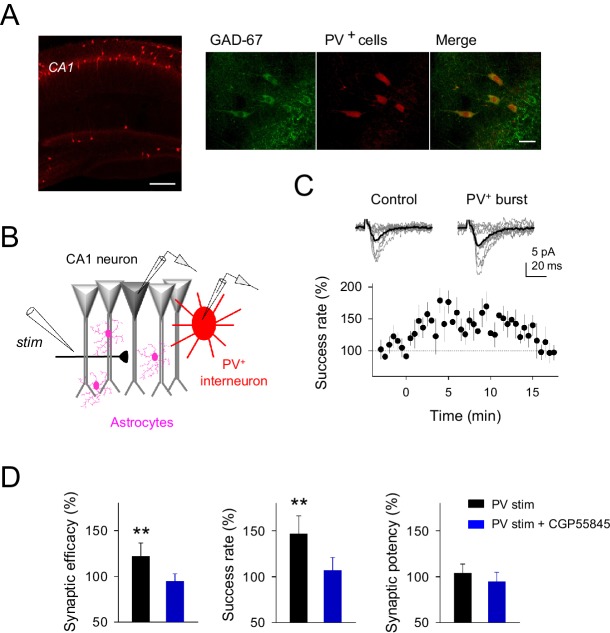
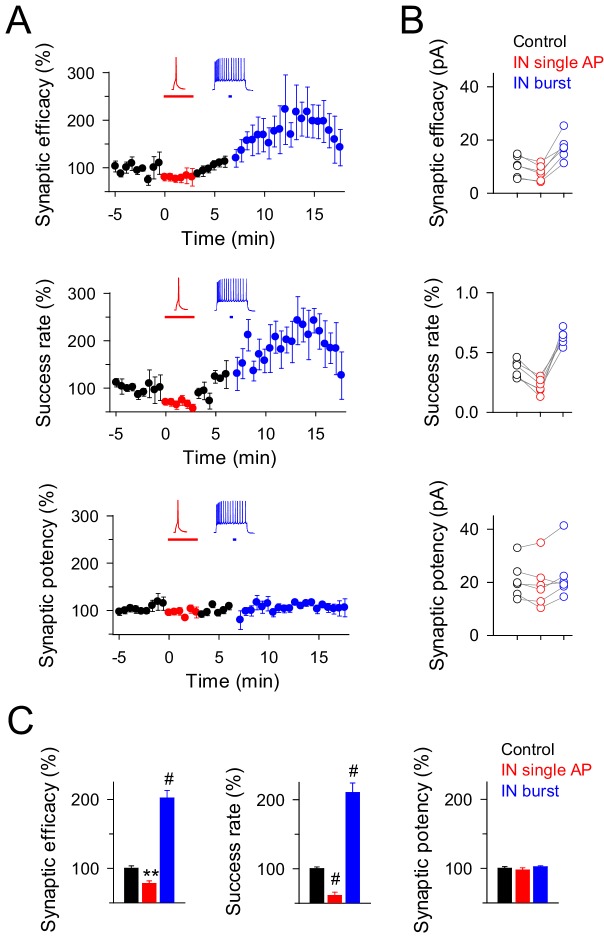
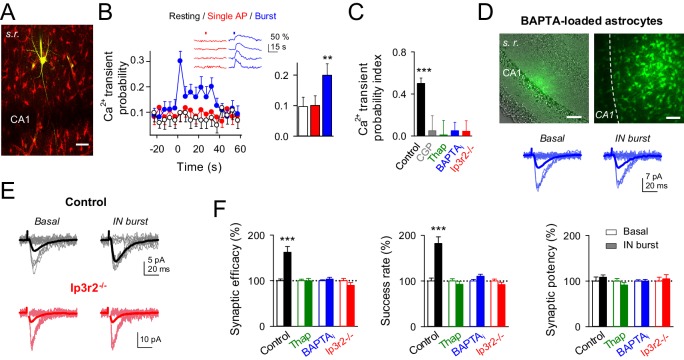
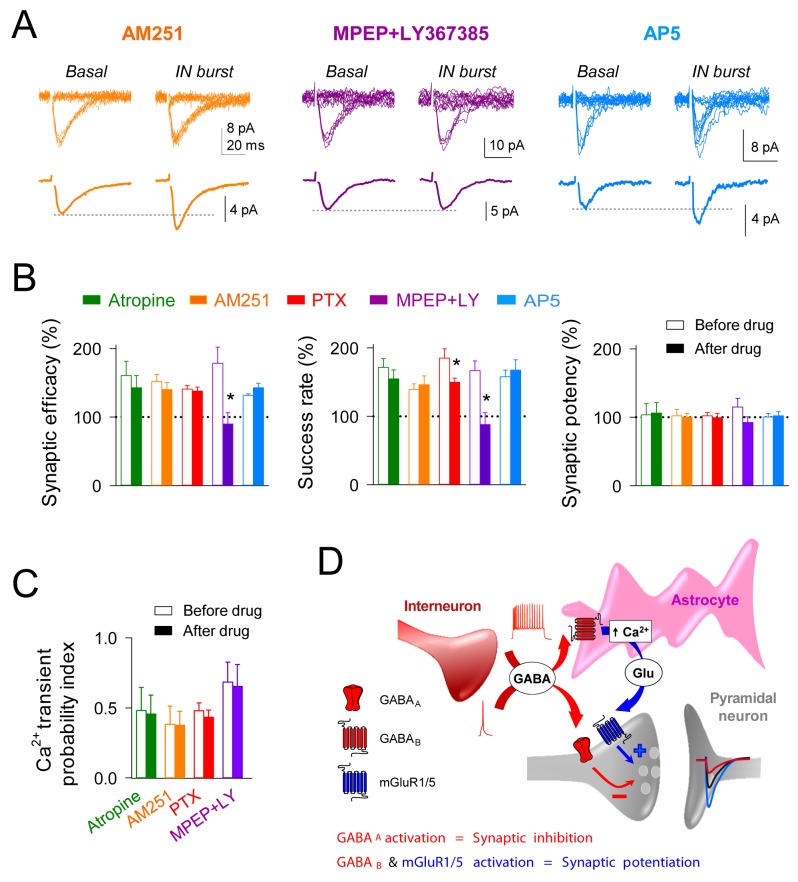
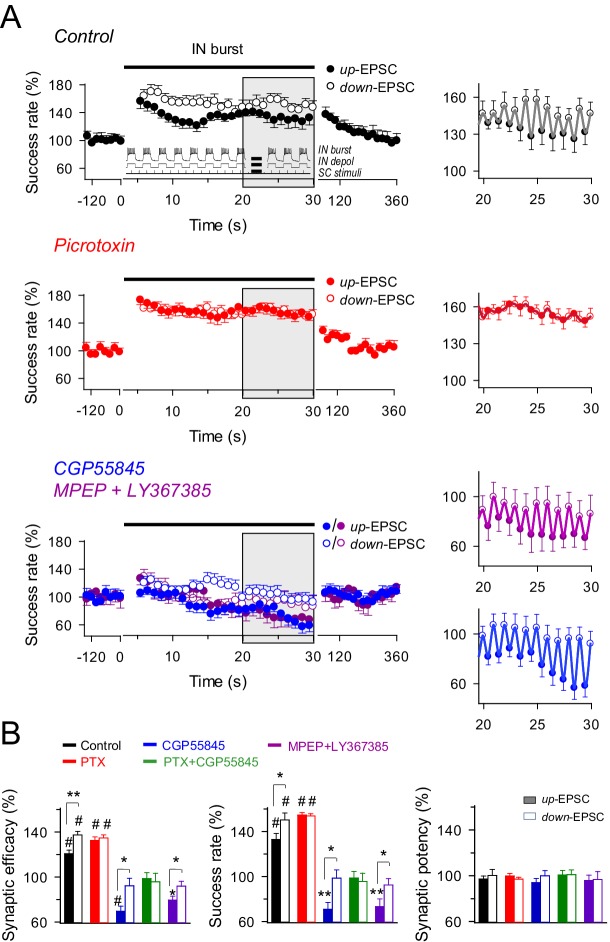
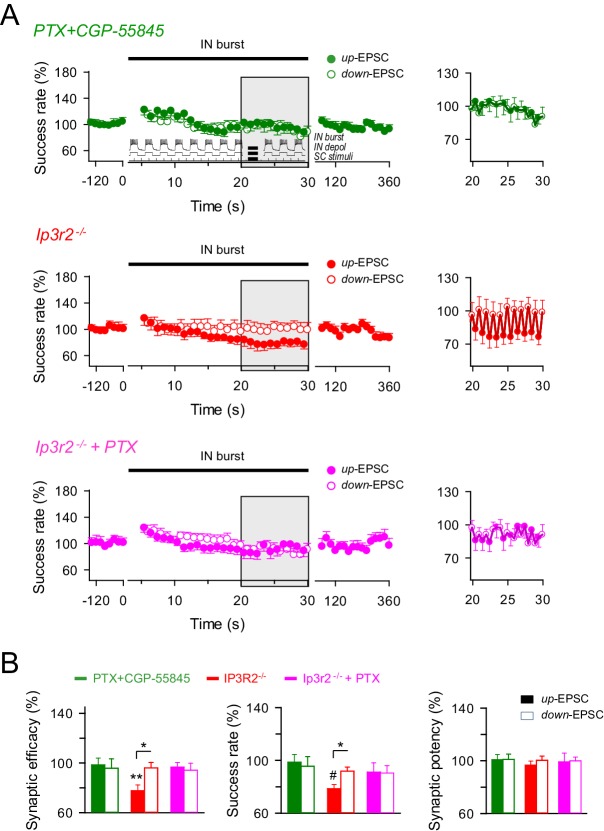
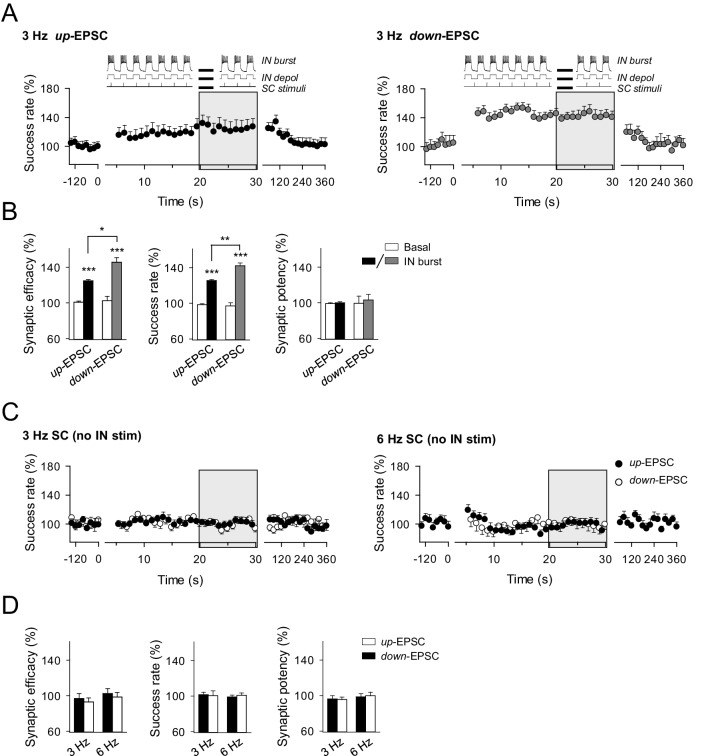
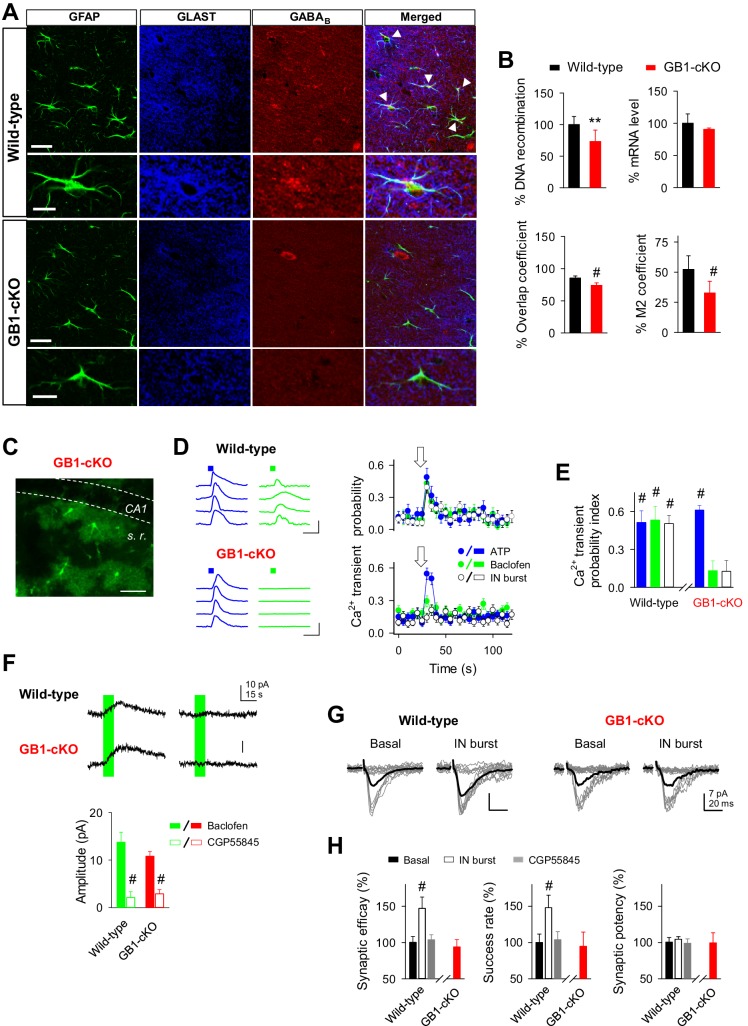
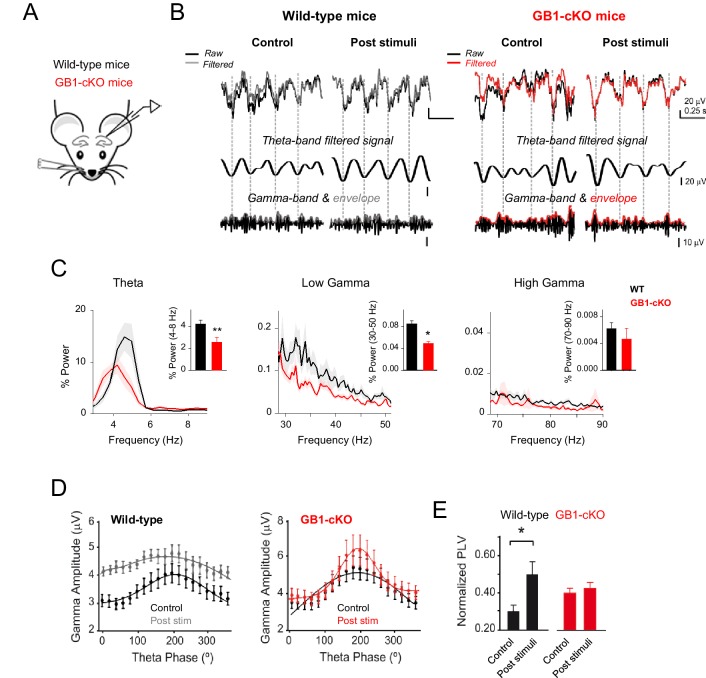
Interneurons are critical for proper neural network function and can activate Ca signaling in astrocytes. However, the impact of the interneuron-astrocyte signaling into neuronal network operation remains unknown. Using the simplest hippocampal Astrocyte-Neuron network, i.e., GABAergic interneuron, pyramidal neuron, single CA3-CA1 glutamatergic synapse, and astrocytes, we found that interneuron-astrocyte signaling dynamically affected excitatory neurotransmission in an activity- and time-dependent manner, and determined the sign (inhibition potentiation) of the GABA-mediated effects. While synaptic inhibition was mediated by GABA receptors, potentiation involved astrocyte GABA receptors, astrocytic glutamate release, and presynaptic metabotropic glutamate receptors. Using conditional astrocyte-specific GABA receptor () knockout mice, we confirmed the glial source of the interneuron-induced potentiation, and demonstrated the involvement of astrocytes in hippocampal theta and gamma oscillations in vivo. Therefore, astrocytes decode interneuron activity and transform inhibitory into excitatory signals, contributing to the emergence of novel network properties resulting from the interneuron-astrocyte interplay.
中间神经元对神经网络的正常功能至关重要,并且能够激活星形胶质细胞中的钙信号。然而,中间神经元与星形胶质细胞之间的信号传导对神经网络运作的影响仍不清楚。利用最简单的海马星形胶质细胞-神经元网络,即γ-氨基丁酸能中间神经元、锥体神经元、单个CA3-CA1谷氨酸能突触和星形胶质细胞,我们发现中间神经元与星形胶质细胞之间的信号传导以一种活动和时间依赖的方式动态影响兴奋性神经传递,并决定了γ-氨基丁酸介导效应的正负(抑制或增强)。虽然突触抑制由γ-氨基丁酸受体介导,但增强作用涉及星形胶质细胞γ-氨基丁酸受体、星形胶质细胞谷氨酸释放和突触前代谢型谷氨酸受体。利用条件性星形胶质细胞特异性γ-氨基丁酸受体()敲除小鼠,我们证实了中间神经元诱导增强作用的胶质来源,并证明星形胶质细胞参与了体内海马θ波和γ波振荡。因此,星形胶质细胞解码中间神经元活动并将抑制性信号转化为兴奋性信号,这有助于中间神经元与星形胶质细胞相互作用产生新的网络特性。