Mischler Steven E, Cauda Emanuele G, Di Giuseppe Michelangelo, McWilliams Linda J, St Croix Claudette, Sun Ming, Franks Jonathan, Ortiz Luis A
National Institute for Occupational Safety and Health, Office of Mine Safety and Health Research, 626 Cochrans Mill Road, Pittsburgh, PA 15236 USA.
Department of Environmental and Occupational Health, University of Pittsburgh, Pittsburgh, PA USA.
J Occup Med Toxicol. 2016 Dec 15;11:57. doi: 10.1186/s12995-016-0145-2. eCollection 2016.
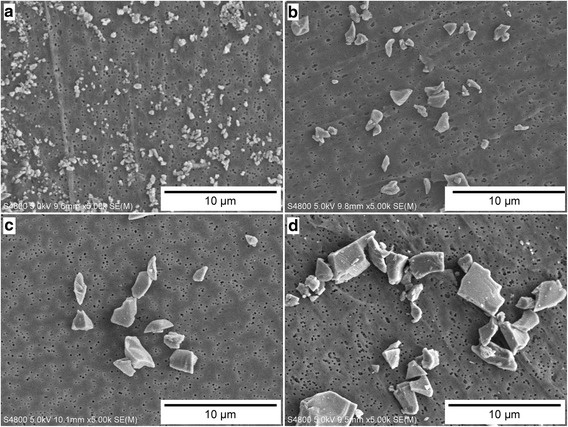
Occupational exposure to crystalline silica is a well-established occupational hazard. Once in the lung, crystalline silica particles can result in the activation of alveolar macrophages (AM), potentially leading to silicosis, a fibrotic lung disease. Because the activation of alveolar macrophages is the beginning step in a complicated inflammatory cascade, it is necessary to define the particle characteristics resulting in this activation. The aim of this research was to determine the effect of the size of crystalline silica particles on the activation of macrophages.
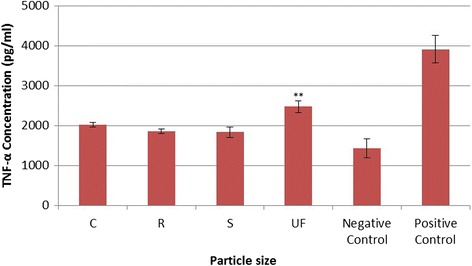
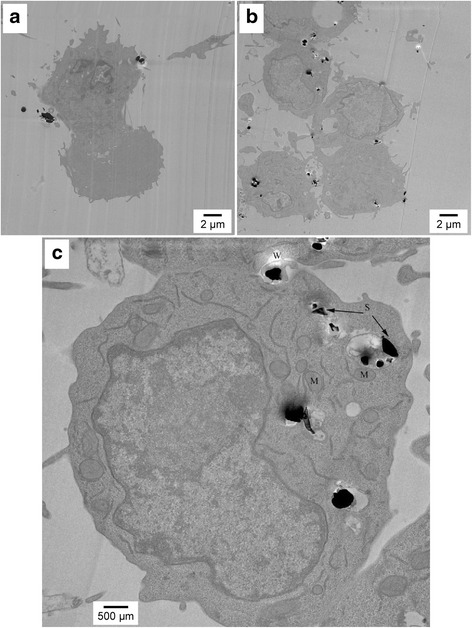
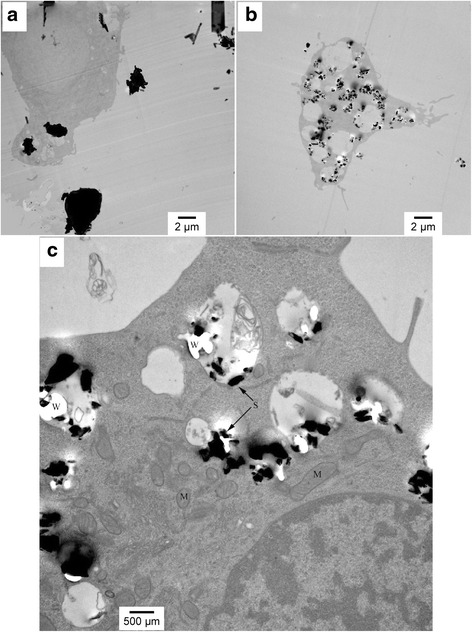
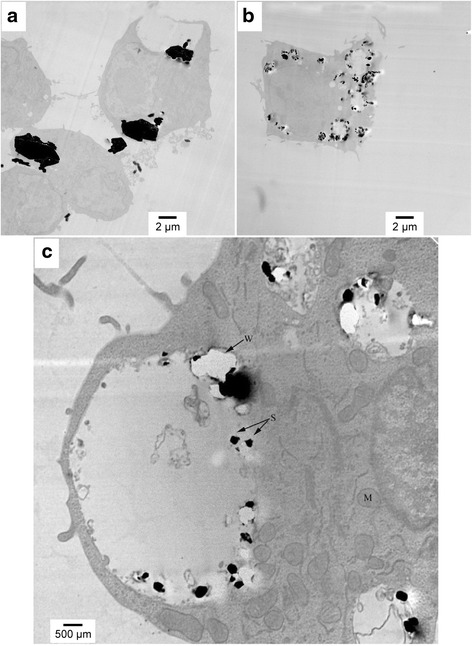
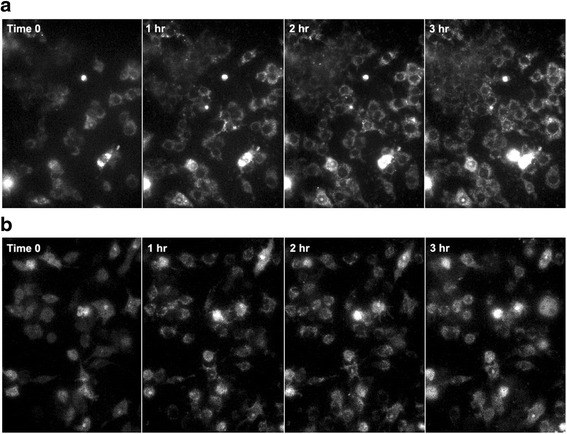
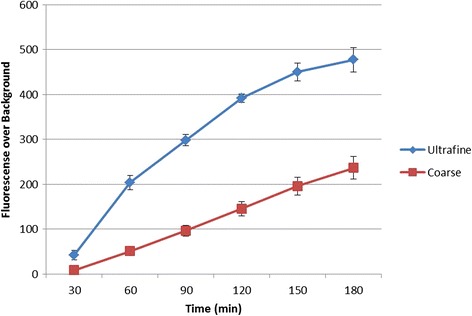
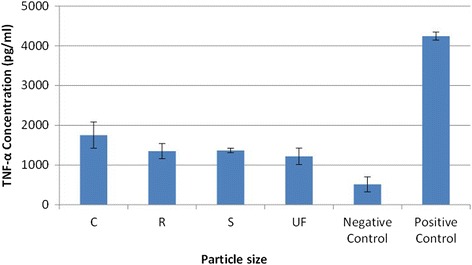
RAW 264.7 macrophages were exposed to four different sizes of crystalline silica and their activation was measured using electron microscopy, reactive oxygen species (ROS) generation by mitochondria, and cytokine expression.
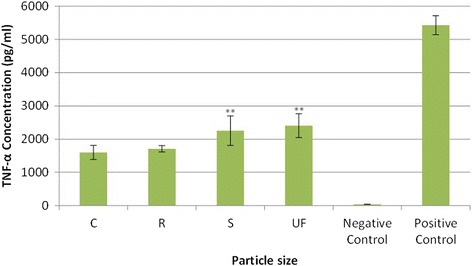
These data identified differences in particle uptake and formation of subcellular organelles based on particle size. In addition, these data show that the smallest particles, with a geometric mean of 0.3 μm, significantly increase the generation of mitochondrial ROS and the expression of cytokines when compared to larger crystalline silica particles, with a geometric mean of 4.1 μm.
In summary, this study presents novel data showing that crystalline silica particles with a geometric mean of 0.3 μm enhance the activation of AM when compared to larger silica particles usually represented in in vitro and in vivo research.
职业性接触结晶二氧化硅是一种公认的职业危害。一旦进入肺部,结晶二氧化硅颗粒可导致肺泡巨噬细胞(AM)活化,可能引发矽肺病,一种纤维化肺部疾病。由于肺泡巨噬细胞的活化是复杂炎症级联反应的起始步骤,因此有必要确定导致这种活化的颗粒特征。本研究的目的是确定结晶二氧化硅颗粒大小对巨噬细胞活化的影响。
将RAW 264.7巨噬细胞暴露于四种不同大小的结晶二氧化硅,并通过电子显微镜、线粒体产生的活性氧(ROS)以及细胞因子表达来测定其活化情况。
这些数据确定了基于颗粒大小的颗粒摄取和亚细胞器形成的差异。此外,这些数据表明,几何平均直径为0.3μm的最小颗粒与几何平均直径为4.1μm的较大结晶二氧化硅颗粒相比,显著增加了线粒体ROS的产生和细胞因子的表达。
总之,本研究提供了新的数据,表明与通常在体外和体内研究中所代表的较大二氧化硅颗粒相比,几何平均直径为0.3μm的结晶二氧化硅颗粒增强了肺泡巨噬细胞的活化。