Fleten Karianne G, Flørenes Vivi Ann, Prasmickaite Lina, Hill Oliver, Sykora Jaromir, Mælandsmo Gunhild M, Engesæter Birgit
Department of Tumor Biology, Oslo University Hospital, The Norwegian Radium Hospital , Oslo, Norway.
Department of Pathology, Oslo University Hospital, The Norwegian Radium Hospital , Oslo, Norway.
Cell Death Discov. 2016 Dec 12;2:16081. doi: 10.1038/cddiscovery.2016.81. eCollection 2016.
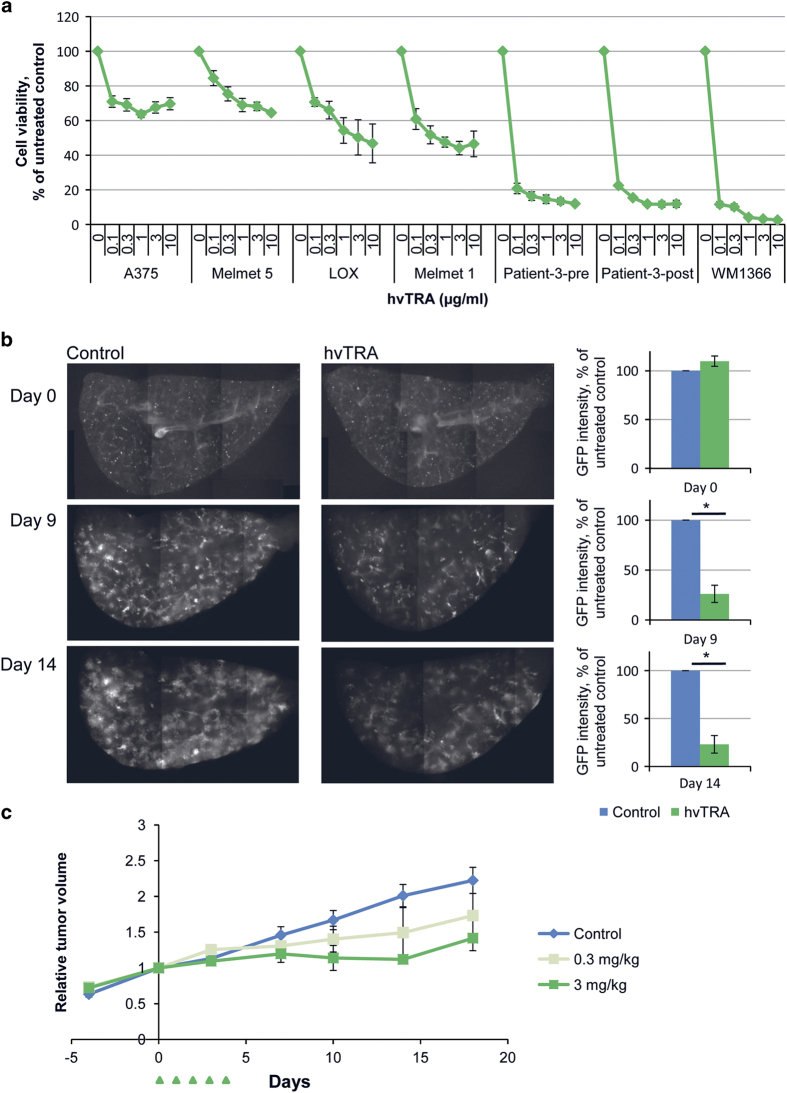
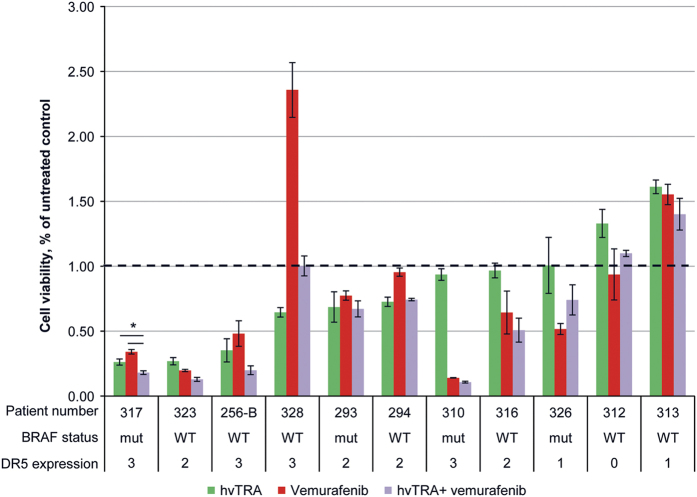
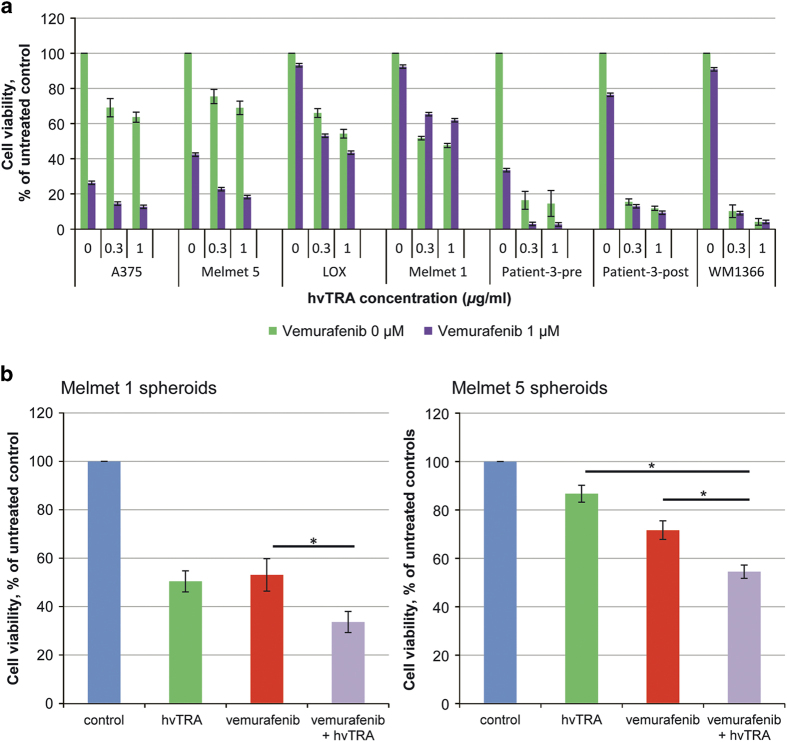
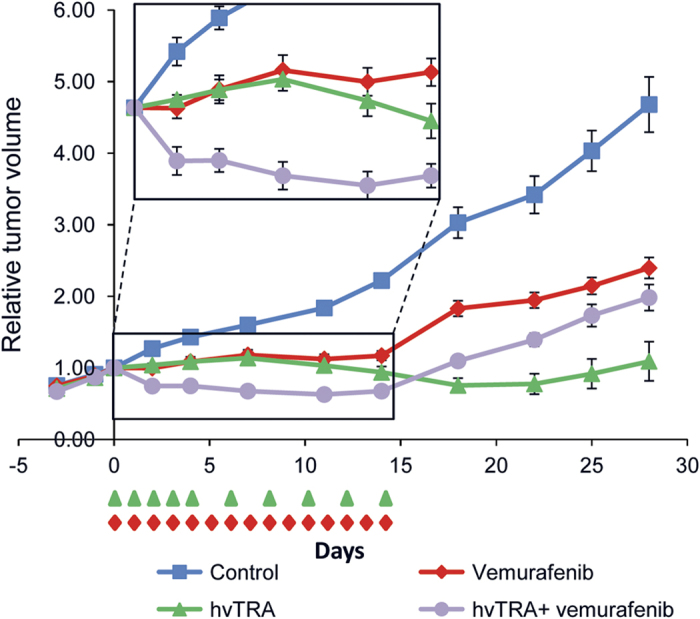
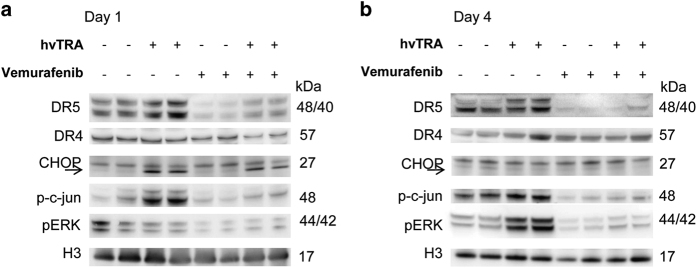
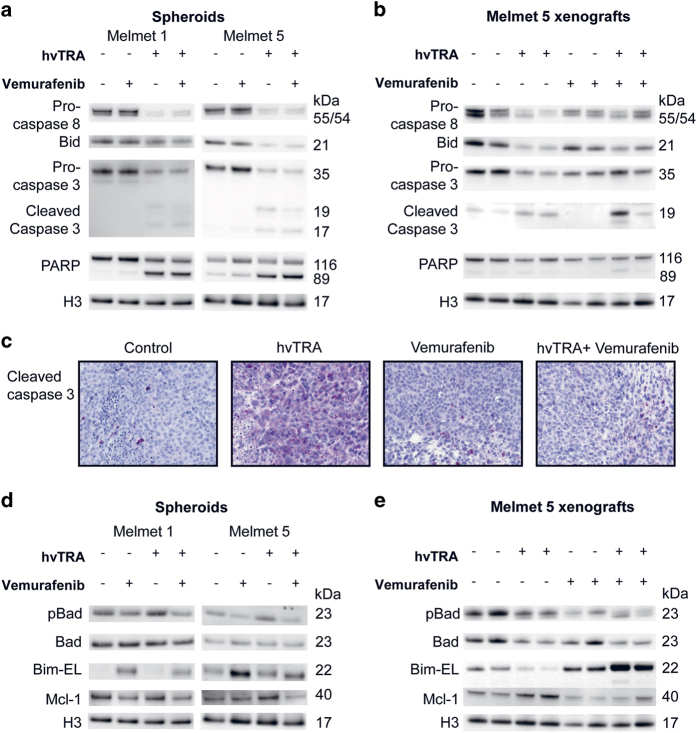
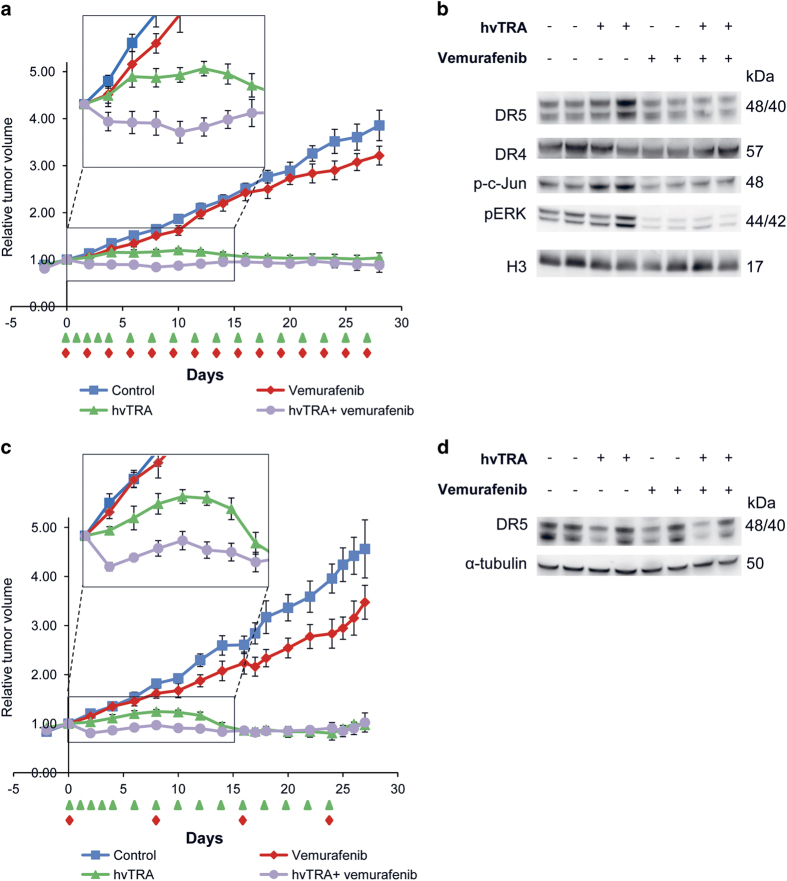
In recent years, new treatment options for malignant melanoma patients have enhanced the overall survival for selected patients. Despite new hope, most melanoma patients still relapse with drug-resistant tumors or experience intrinsic resistance to the therapy. Therefore, novel treatment modalities beneficial for subgroups of patients are needed. TRAIL receptor agonists have been suggested as promising candidates for use in cancer treatment as they preferentially induce apoptosis in cancer cells. Unfortunately, the first generation of TRAIL receptor agonists showed poor clinical efficacy. hvTRA is a second-generation TRAIL receptor agonist with improved composition giving increased potency, and in the present study, we showed hvTRA-induced activation of apoptosis leading to an efficient and sustained reduction in melanoma cell growth in cell lines and xenograft models. Furthermore, the potential of hvTRA in a clinical setting was demonstrated by showing efficacy on tumor cells harvested from melanoma patients with lymph node metastasis in an drug sensitivity assay. Inhibition of mutated BRAF has been shown to regulate proteins in the intrinsic apoptotic pathway, making the cells more susceptible for apoptosis induction. In an attempt to increase the efficacy of hvTRA, combination treatment with the mutated BRAF inhibitor vemurafenib was investigated. A synergistic effect by the combination was observed for several cell lines , and an initial cytotoxic effect was observed . Unfortunately, the initial increased reduction in tumor growth compared with hvTRA mono treatment was not sustained, and this was related to downregulation of the DR5 level by vemurafenib. Altogether, the presented data imply that hvTRA efficiently induce apoptosis and growth delay in melanoma models and patient material, and the potential of this TRAIL receptor agonist should be further evaluated for treatment of subgroups of melanoma patients.
近年来,恶性黑色素瘤患者的新治疗选择提高了部分患者的总生存率。尽管带来了新希望,但大多数黑色素瘤患者仍会出现耐药肿瘤复发或对治疗存在固有抗性。因此,需要对部分患者亚群有益的新型治疗方式。肿瘤坏死因子相关凋亡诱导配体(TRAIL)受体激动剂被认为是癌症治疗中有前景的候选药物,因为它们优先诱导癌细胞凋亡。不幸的是,第一代TRAIL受体激动剂临床疗效不佳。hvTRA是第二代TRAIL受体激动剂,其成分改进后效力增强,在本研究中,我们发现hvTRA诱导凋亡激活,导致细胞系和异种移植模型中黑色素瘤细胞生长有效且持续减少。此外,通过在药物敏感性试验中对从有淋巴结转移的黑色素瘤患者采集的肿瘤细胞显示疗效,证明了hvTRA在临床环境中的潜力。已表明抑制突变型BRAF可调节内源性凋亡途径中的蛋白质,使细胞更容易被诱导凋亡。为提高hvTRA的疗效,研究了其与突变型BRAF抑制剂维莫非尼的联合治疗。观察到几种细胞系联合治疗有协同效应,并观察到初始细胞毒性作用。不幸的是,与hvTRA单药治疗相比,肿瘤生长最初增加的减少未持续,这与维莫非尼下调DR5水平有关。总之,所呈现的数据表明hvTRA在黑色素瘤模型和患者样本中有效诱导凋亡和生长延迟,这种TRAIL受体激动剂在治疗黑色素瘤患者亚群方面的潜力应进一步评估。