Bringmann Andreas, Hollborn Margrit, Kohen Leon, Wiedemann Peter
Department of Ophthalmology and Eye Hospital, University of Leipzig, Leipzig, Germany.
Department of Ophthalmology and Eye Hospital, University of Leipzig, Leipzig, Germany; Helios Klinikum Aue, Aue, Germany.
Mol Vis. 2016 Dec 22;22:1437-1454. eCollection 2016.
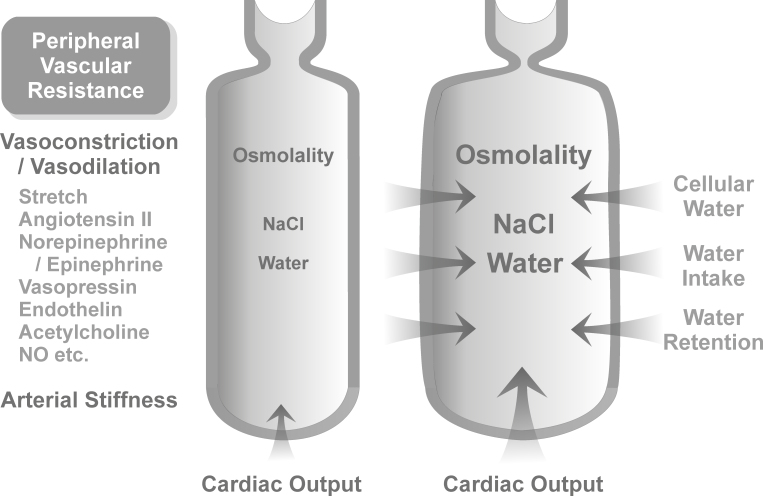
Systemic hypertension is a risk factor of age-related retinal diseases such as diabetic retinopathy and age-related macular degeneration. High intake of dietary salt and low intake of water increase extracellular osmolality resulting in hypertension, in particular in salt-sensitive individuals. This review summarizes the present knowledge regarding the impact of salt and water intake on the regulation of blood pressure, retinal function, and the development of age-related retinal diseases.
A literature search of the Medline database and a summary of recent studies that used human RPE cells.
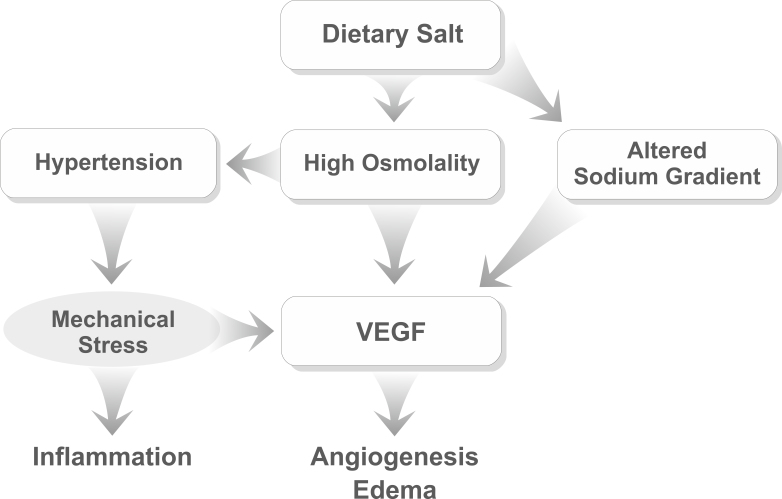
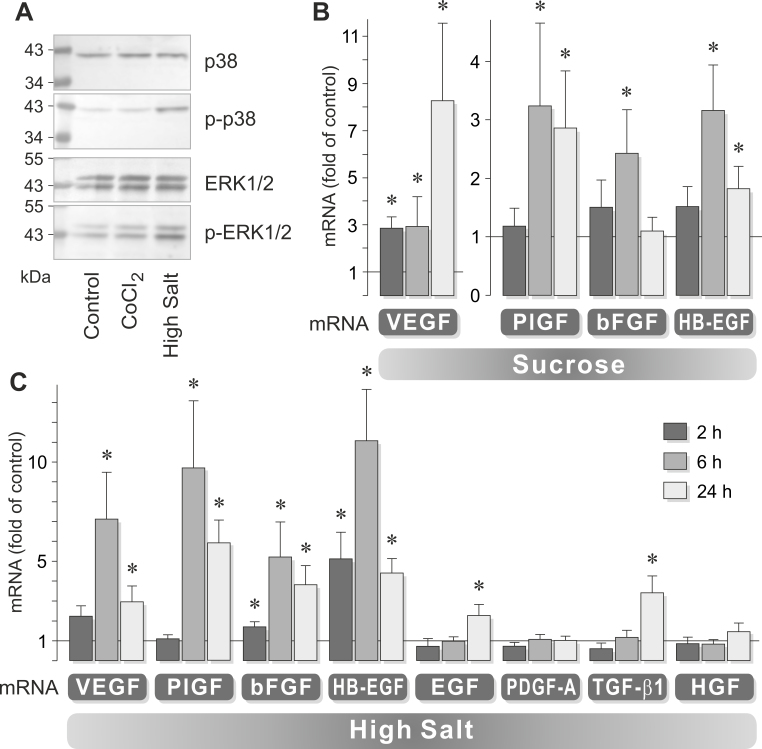
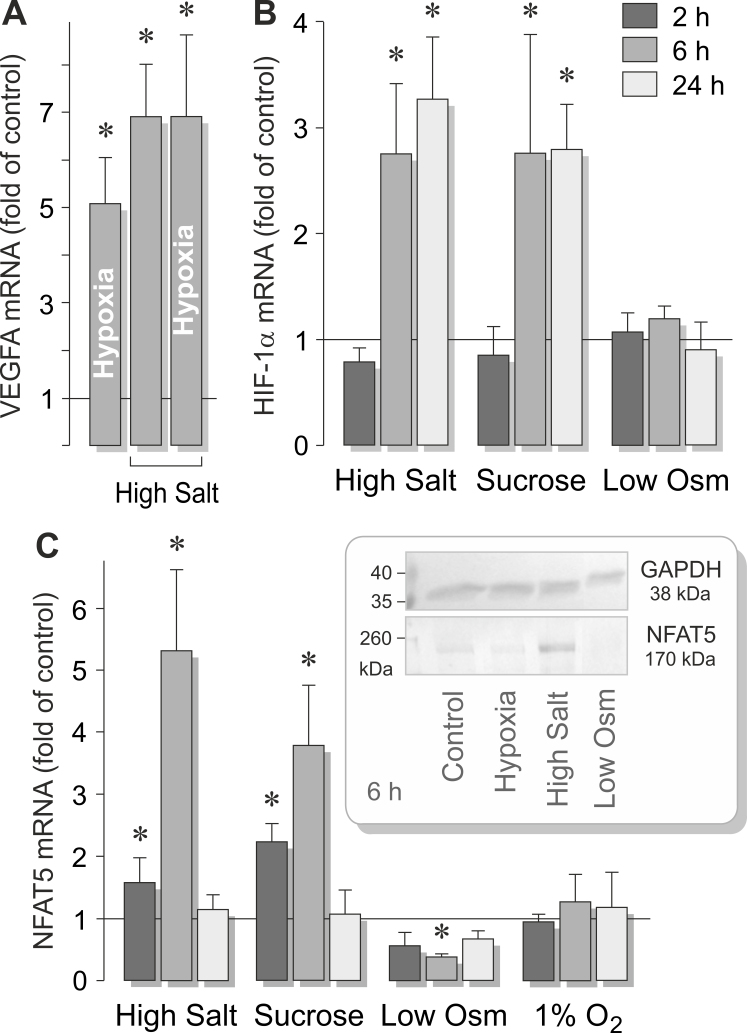
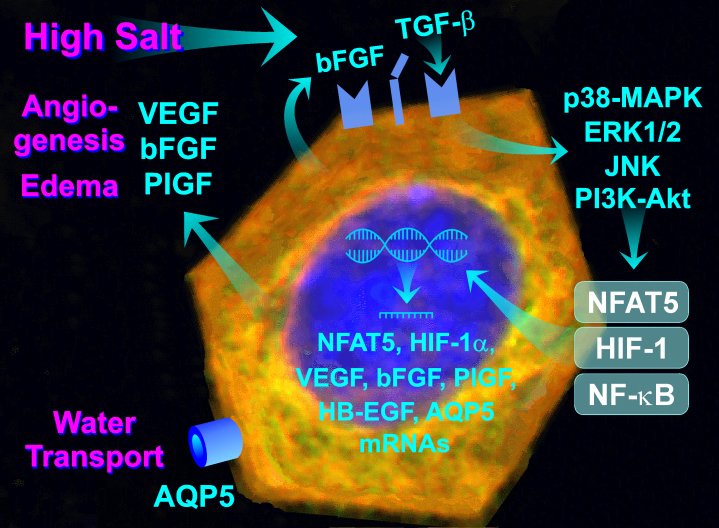
The salt sensitivity of the blood pressure and plasma osmolality increase with age, and body water deficits are common in older individuals. High plasma osmolality has adverse effects in the retina. In RPE cells, high osmolality induces expression and secretion of angiogenic factors, such as vascular endothelial growth factor (VEGF), placental growth factor, and basic fibroblast growth factor, and expression of aquaporin-5, a water channel implicated in transepithelial water transport. The transcriptional activities of hypoxia-inducible factor-1 (HIF-1) and nuclear factor of activated T cell 5 (NFAT5) are critical for the production of VEGF in response to salt-induced osmotic stress. Salt-induced osmotic stress also induces priming of the NLRP3 inflammasome and activates inflammatory enzymes in RPE cells.
Raised plasma osmolality may aggravate age-related retinal diseases by stimulation of local inflammation and angiogenic factor production in the RPE. Alterations in salt and water consumption, and of minerals that stimulate renal salt excretion, may offer nutritional approaches to prevent age-related retinal disorders, in particular in salt-sensitive individuals and individuals who show signs of body dehydration.
系统性高血压是糖尿病视网膜病变和年龄相关性黄斑变性等年龄相关性视网膜疾病的危险因素。高盐饮食和低水摄入会增加细胞外渗透压,导致高血压,尤其是在盐敏感个体中。本综述总结了目前关于盐和水摄入对血压调节、视网膜功能以及年龄相关性视网膜疾病发展影响的知识。
对Medline数据库进行文献检索,并总结近期使用人视网膜色素上皮(RPE)细胞的研究。
血压和血浆渗透压的盐敏感性随年龄增加,老年个体中身体缺水情况常见。高血浆渗透压对视网膜有不良影响。在RPE细胞中,高渗透压诱导血管生成因子如血管内皮生长因子(VEGF)、胎盘生长因子和碱性成纤维细胞生长因子的表达和分泌,以及水通道蛋白5(一种参与跨上皮水转运的水通道)的表达。缺氧诱导因子-1(HIF-1)和活化T细胞核因子5(NFAT5)的转录活性对于响应盐诱导的渗透应激产生VEGF至关重要。盐诱导的渗透应激还诱导RPE细胞中NLRP3炎性小体的启动并激活炎性酶。
血浆渗透压升高可能通过刺激RPE中的局部炎症和血管生成因子产生而加重年龄相关性视网膜疾病。改变盐和水的摄入量以及刺激肾脏排盐的矿物质,可能提供预防年龄相关性视网膜疾病的营养方法,特别是在盐敏感个体和出现身体脱水迹象的个体中。