El-Habr Elias A, Dubois Luiz G, Burel-Vandenbos Fanny, Bogeas Alexandra, Lipecka Joanna, Turchi Laurent, Lejeune François-Xavier, Coehlo Paulo Lucas Cerqueira, Yamaki Tomohiro, Wittmann Bryan M, Fareh Mohamed, Mahfoudhi Emna, Janin Maxime, Narayanan Ashwin, Morvan-Dubois Ghislaine, Schmitt Charlotte, Verreault Maité, Oliver Lisa, Sharif Ariane, Pallud Johan, Devaux Bertrand, Puget Stéphanie, Korkolopoulou Penelope, Varlet Pascale, Ottolenghi Chris, Plo Isabelle, Moura-Neto Vivaldo, Virolle Thierry, Chneiweiss Hervé, Junier Marie-Pierre
CNRS UMR8246, Inserm U1130, UPMC, Neuroscience Paris Seine-IBPS, Sorbonne Universities, 75005, Paris, France.
Instituto Estadual do Cérebro Paulo Niemeyer, Secretaria de Estado de Saúde do Rio de Janeiro/RJ, Rio De Janeiro, CEP 20231-092, Brazil.
Acta Neuropathol. 2017 Apr;133(4):645-660. doi: 10.1007/s00401-016-1659-5. Epub 2016 Dec 28.
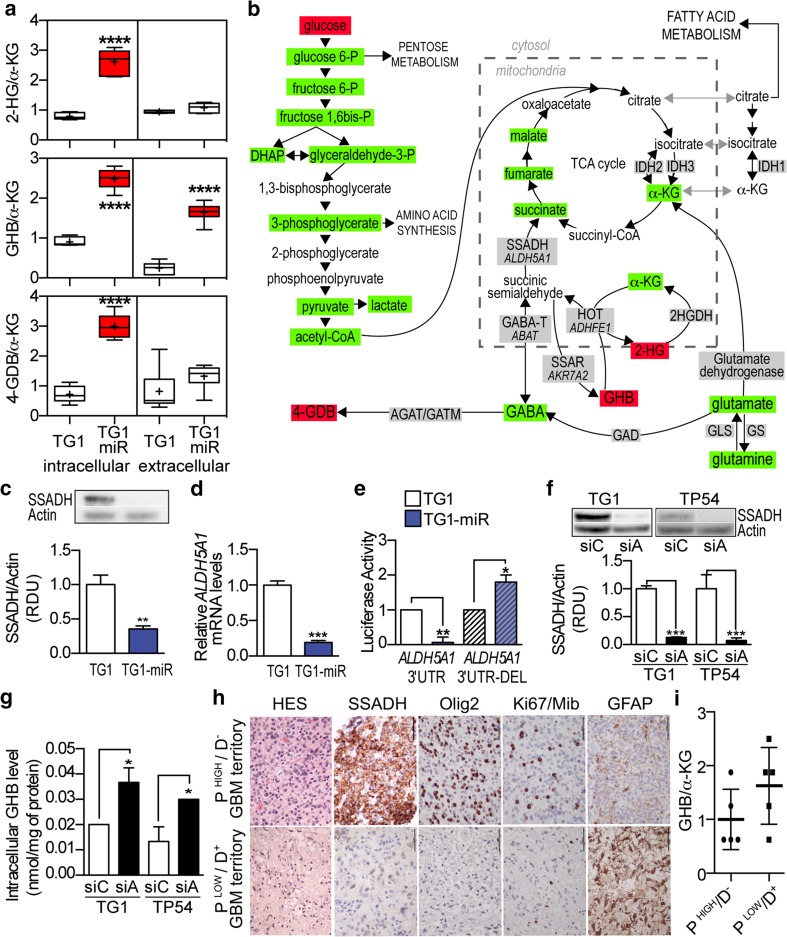
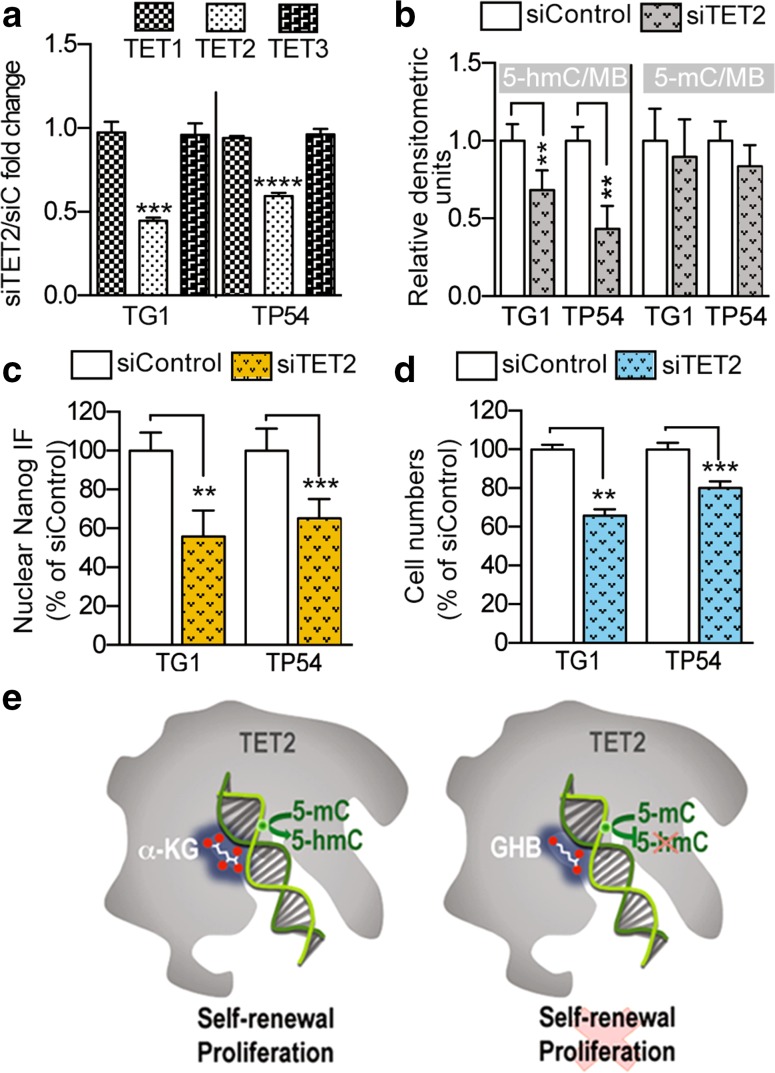
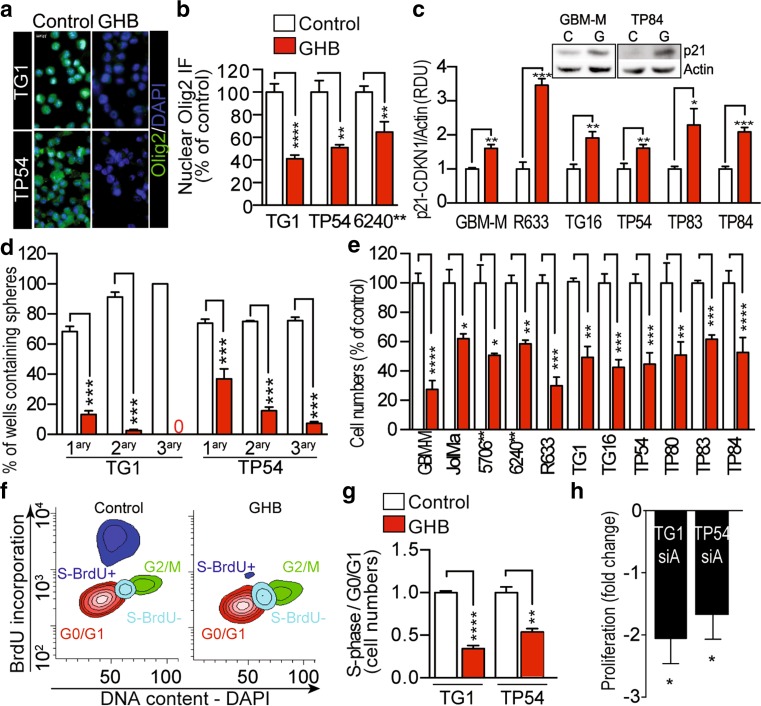
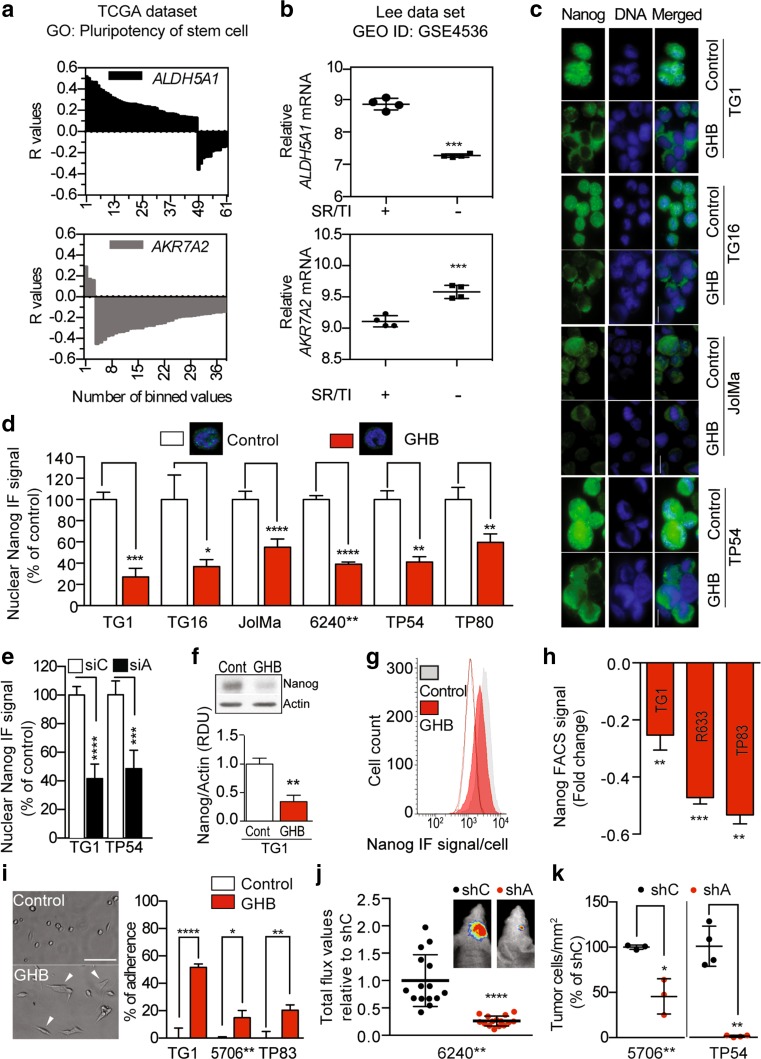
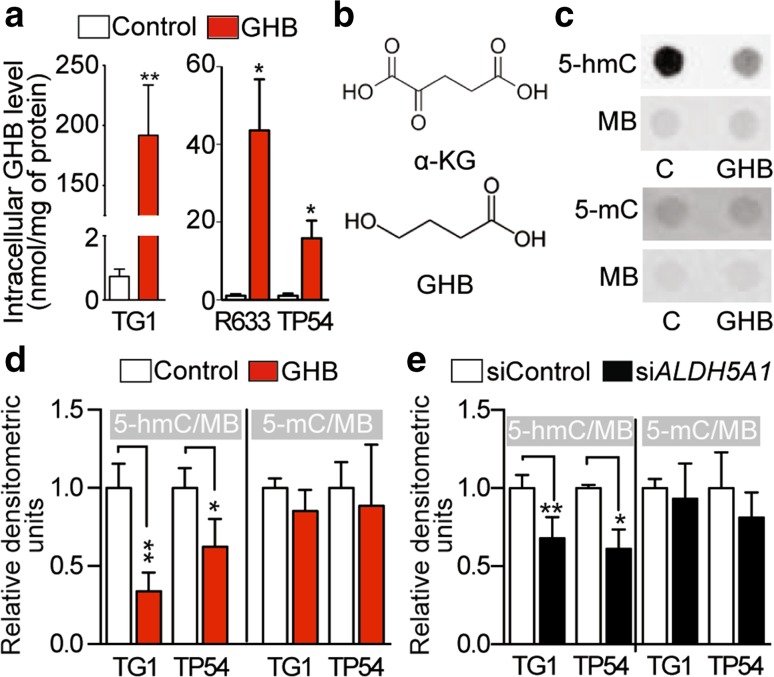
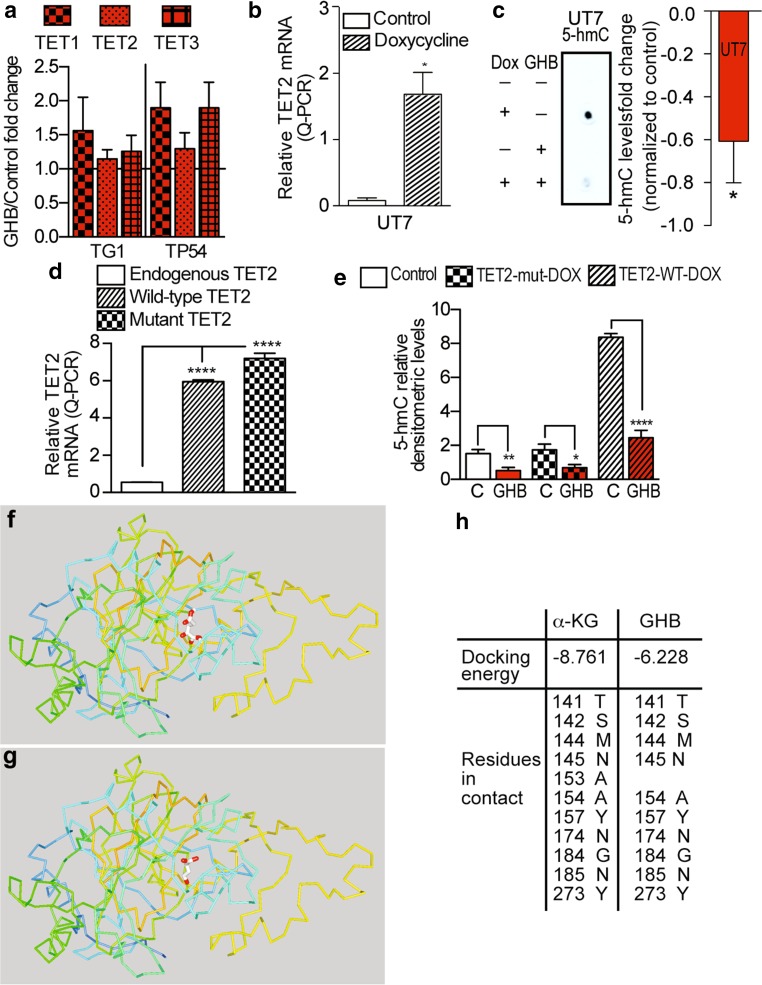
Cell populations with differing proliferative, stem-like and tumorigenic states co-exist in most tumors and especially malignant gliomas. Whether metabolic variations can drive this heterogeneity by controlling dynamic changes in cell states is unknown. Metabolite profiling of human adult glioblastoma stem-like cells upon loss of their tumorigenicity revealed a switch in the catabolism of the GABA neurotransmitter toward enhanced production and secretion of its by-product GHB (4-hydroxybutyrate). This switch was driven by succinic semialdehyde dehydrogenase (SSADH) downregulation. Enhancing GHB levels via SSADH downregulation or GHB supplementation triggered cell conversion into a less aggressive phenotypic state. GHB affected adult glioblastoma cells with varying molecular profiles, along with cells from pediatric pontine gliomas. In all cell types, GHB acted by inhibiting α-ketoglutarate-dependent Ten-eleven Translocations (TET) activity, resulting in decreased levels of the 5-hydroxymethylcytosine epigenetic mark. In patients, low SSADH expression was correlated with high GHB/α-ketoglutarate ratios, and distinguished weakly proliferative/differentiated glioblastoma territories from proliferative/non-differentiated territories. Our findings support an active participation of metabolic variations in the genesis of tumor heterogeneity.
在大多数肿瘤尤其是恶性胶质瘤中,具有不同增殖、干细胞样和致瘤状态的细胞群体共存。代谢变化是否能通过控制细胞状态的动态变化来驱动这种异质性尚不清楚。对人成胶质母细胞瘤干细胞样细胞丧失致瘤性后的代谢物谱分析显示,γ-氨基丁酸(GABA)神经递质的分解代谢发生转变,其副产物γ-羟基丁酸(GHB,4-羟基丁酸)的产生和分泌增加。这种转变是由琥珀酸半醛脱氢酶(SSADH)下调驱动的。通过下调SSADH或补充GHB来提高GHB水平会促使细胞转变为侵袭性较低的表型状态。GHB影响具有不同分子特征的成胶质母细胞瘤细胞以及小儿脑桥胶质瘤细胞。在所有细胞类型中,GHB通过抑制α-酮戊二酸依赖性的十一易位酶(TET)活性发挥作用,导致5-羟甲基胞嘧啶表观遗传标记水平降低。在患者中,低SSADH表达与高GHB/α-酮戊二酸比值相关,并区分了低增殖/分化的胶质母细胞瘤区域与增殖/未分化区域。我们的研究结果支持代谢变化在肿瘤异质性发生过程中的积极参与。