Laboratory of Neurosciences, Intramural Research Program, National Institute on Aging/National Institutes of Health (NIA/NIH), Baltimore, MD.
Laboratory of Neurosciences, Intramural Research Program, National Institute on Aging/National Institutes of Health (NIA/NIH), Baltimore, MD.
Transl Res. 2017 May;183:26-40. doi: 10.1016/j.trsl.2016.12.005. Epub 2016 Dec 13.
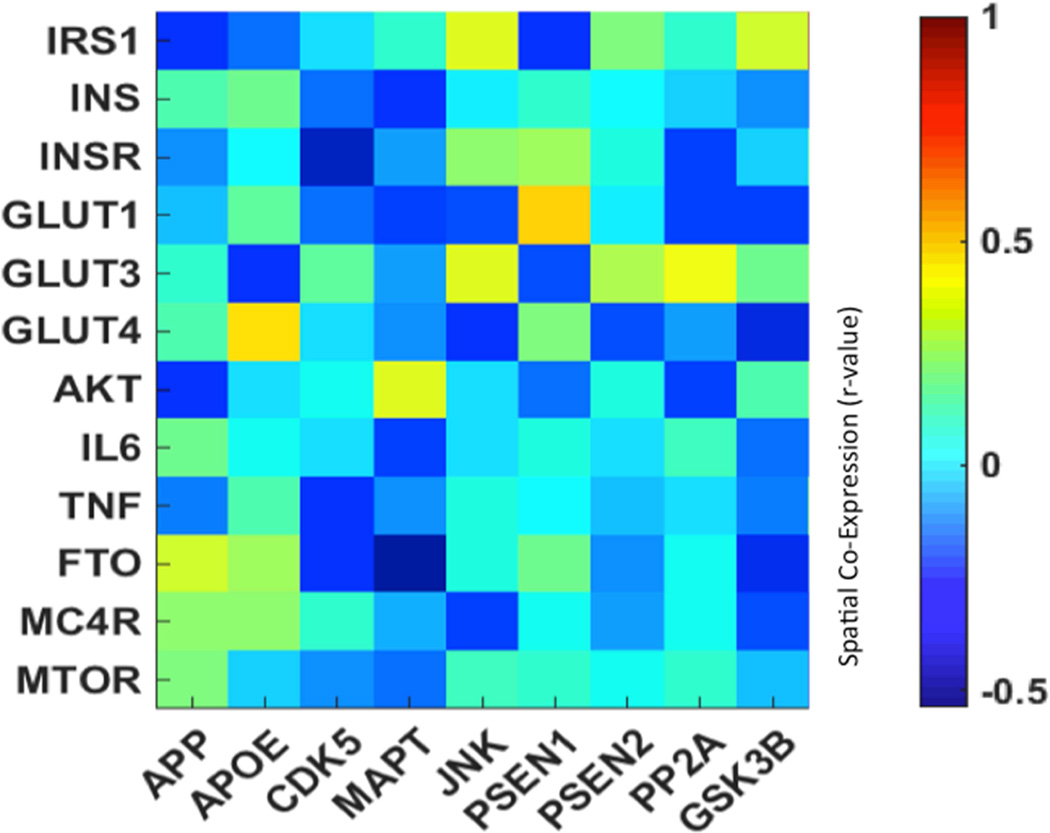
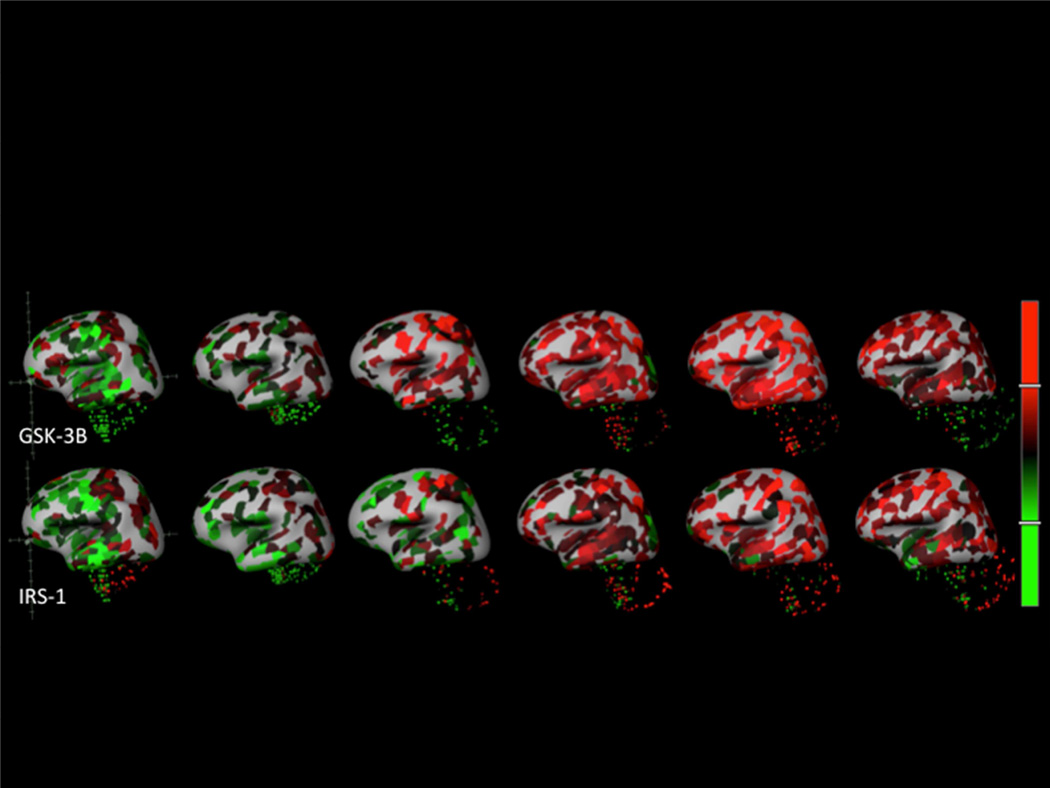
The links between systemic insulin resistance (IR), brain-specific IR, and Alzheimer's disease (AD) have been an extremely productive area of current research. This review will cover the fundamentals and pathways leading to IR, its connection to AD via cellular mechanisms, the most prominent methods and models used to examine it, an introduction to the role of extracellular vesicles (EVs) as a source of biomarkers for IR and AD, and an overview of modern clinical studies on the subject. To provide additional context, we also present a novel analysis of the spatial correlation of gene expression in the brain with the aid of Allen Human Brain Atlas data. Ultimately, examining the relation between IR and AD can be seen as a means of advancing the understanding of both disease states, with IR being a promising target for therapeutic strategies in AD treatment. In conclusion, we highlight the therapeutic potential of targeting brain IR in AD and the main strategies to pursue this goal.
系统性胰岛素抵抗 (IR)、脑特异性 IR 与阿尔茨海默病 (AD) 之间的联系一直是当前研究的一个极其活跃的领域。本综述将涵盖导致 IR 的基本原理和途径、其通过细胞机制与 AD 的关联、用于研究 IR 的最突出方法和模型、介绍细胞外囊泡 (EVs) 作为 IR 和 AD 生物标志物来源的作用,以及对这一主题的现代临床研究概述。为了提供更多背景信息,我们还借助艾伦人类大脑图谱数据对大脑中基因表达的空间相关性进行了新的分析。最终,检查 IR 与 AD 之间的关系可以被视为深入了解这两种疾病状态的一种手段,IR 是 AD 治疗中治疗策略的一个有前途的靶点。总之,我们强调了在 AD 中靶向脑 IR 的治疗潜力以及实现这一目标的主要策略。