Pizzuto Malvina, Gangloff Monique, Scherman Daniel, Gay Nicholas J, Escriou Virginie, Ruysschaert Jean-Marie, Lonez Caroline
Structure and Function of Biological Membranes, Université Libre de Bruxelles, Boulevard du Triomphe, 1050 Brussels, Belgium.
Department of Biochemistry, University of Cambridge, 80 Tennis Court Road, Cambridge, UK.
J Control Release. 2017 Feb 10;247:182-193. doi: 10.1016/j.jconrel.2016.12.029. Epub 2016 Dec 28.
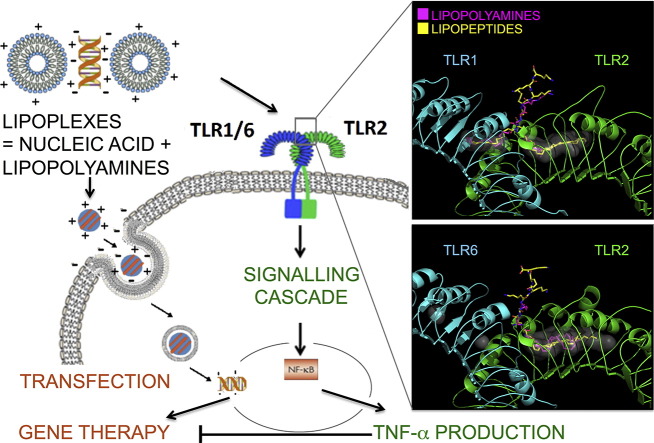
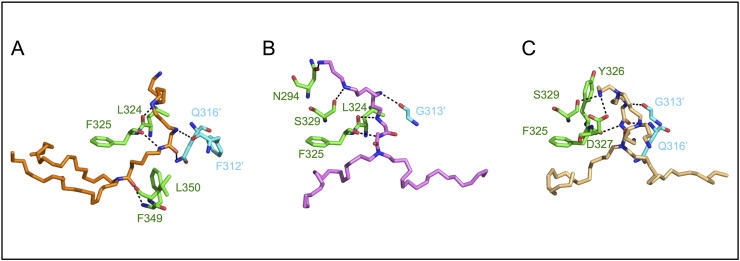
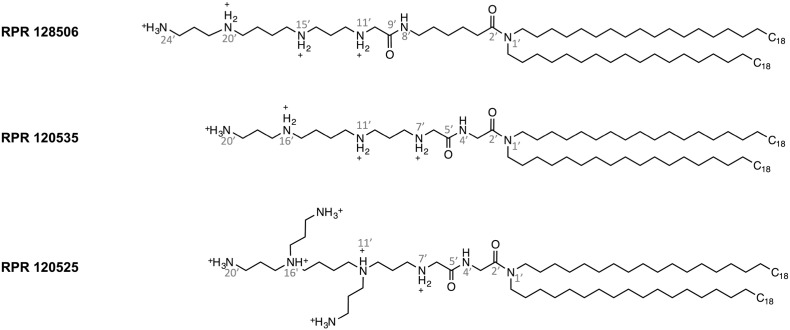
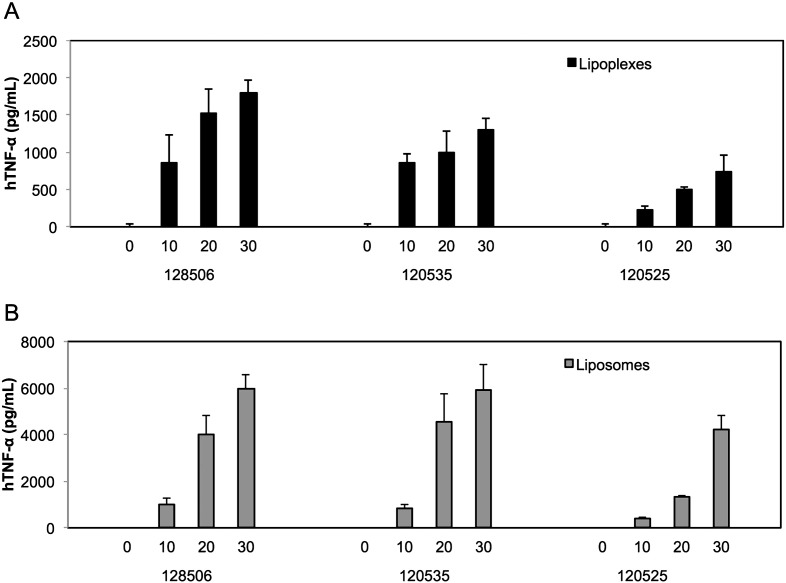
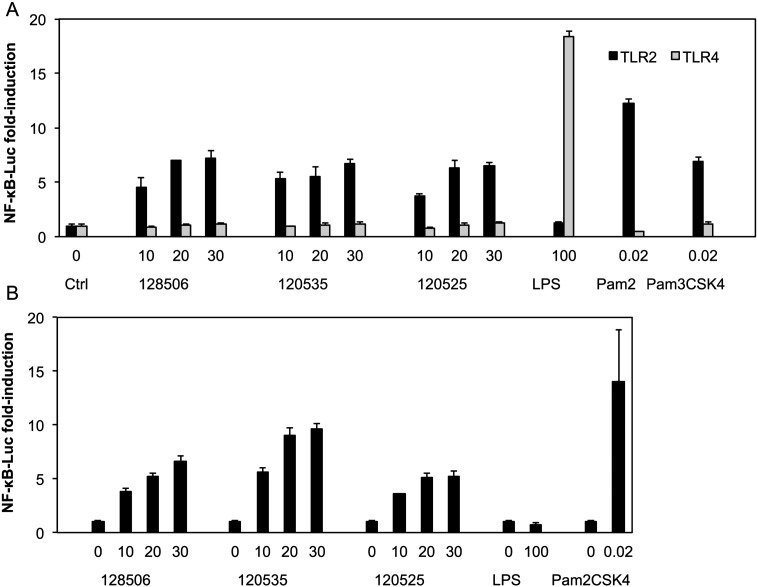
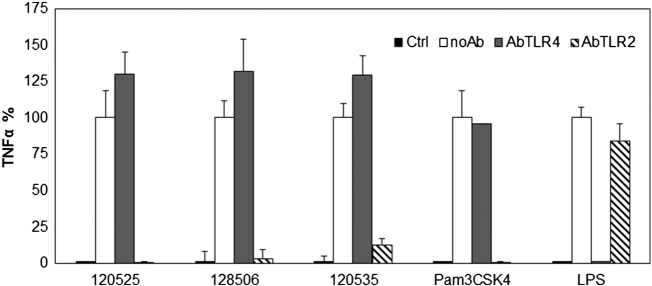
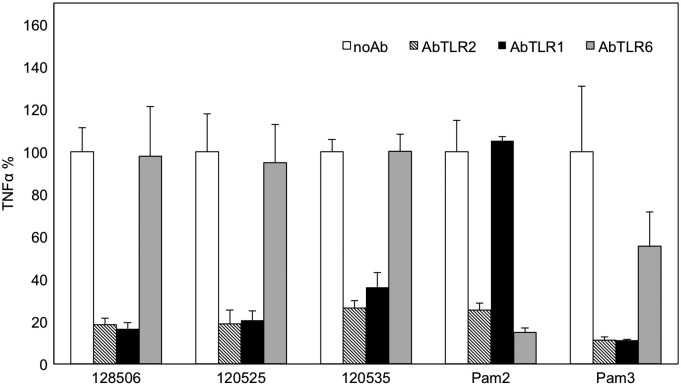
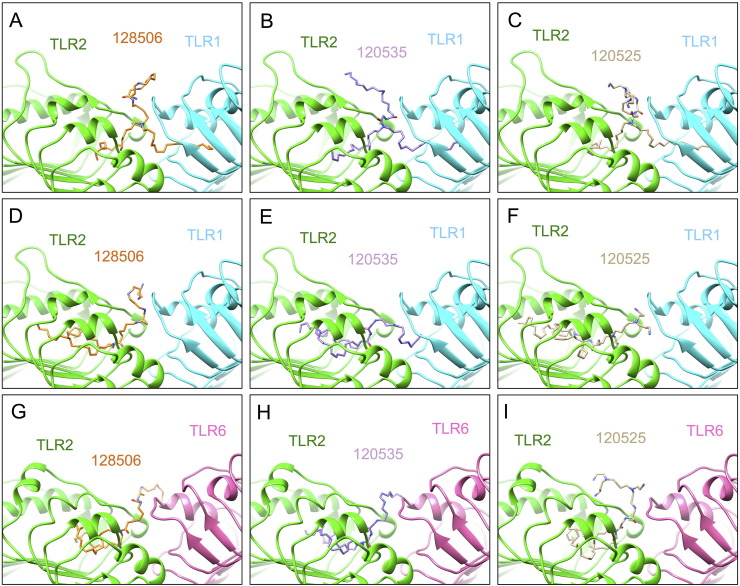
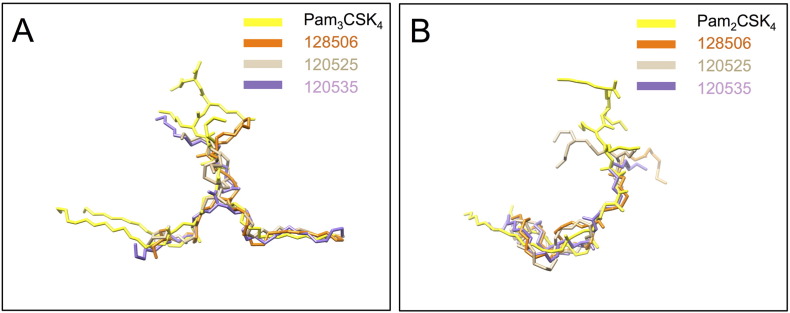
Lipopolyamines (LPAs) are cationic lipids; they interact spontaneously with nucleic acids to form lipoplexes used for gene delivery. The main hurdle to using lipoplexes in gene therapy lies in their immunostimulatory properties, so far attributed to the nucleic acid cargo, while cationic lipids were considered as inert to the immune system. Here we demonstrate for the first time that di-C18 LPAs trigger pro-inflammatory responses through Toll-like receptor 2 (TLR2) activation, and this whether they are bound to nucleic acids or not. Molecular docking experiments suggest potential TLR2 binding modes reminiscent of bacterial lipopeptide sensing. The di-C18 LPAs share the ability of burying their lipid chains in the hydrophobic cavity of TLR2 and, in some cases, TLR1, at the vicinity of the dimerization interface; the cationic headgroups form multiple hydrogen bonds, thus crosslinking TLRs into functional complexes. Unravelling the molecular basis of TLR1 and TLR6-driven heterodimerization upon LPA binding underlines the highly collaborative and promiscuous ligand binding mechanism. The prevalence of non-specific main chain-mediated interactions demonstrates that potentially any saturated LPA currently used or proposed as transfection agent is likely to activate TLR2 during transfection. Hence our study emphasizes the urgent need to test the inflammatory properties of transfection agents and proposes the use of docking analysis as a preliminary screening tool for the synthesis of new non-immunostimulatory nanocarriers.
脂多胺(LPAs)是阳离子脂质;它们能自发地与核酸相互作用形成用于基因递送的脂质体复合物。在基因治疗中使用脂质体复合物的主要障碍在于其免疫刺激特性,迄今为止这被归因于核酸载体,而阳离子脂质被认为对免疫系统无活性。在此我们首次证明,二 - C18脂多胺通过Toll样受体2(TLR2)激活引发促炎反应,无论它们是否与核酸结合。分子对接实验表明了潜在的TLR2结合模式,类似于细菌脂肽传感。二 - C18脂多胺具有将其脂链埋入TLR2疏水腔的能力,在某些情况下还能埋入二聚化界面附近的TLR1;阳离子头部基团形成多个氢键,从而将TLRs交联成功能复合物。揭示LPA结合后TLR1和TLR6驱动的异源二聚化的分子基础,突显了高度协作且混杂的配体结合机制。非特异性主链介导相互作用的普遍性表明,目前用作或被提议作为转染试剂的任何饱和LPA在转染过程中都可能激活TLR2。因此,我们的研究强调迫切需要测试转染试剂的炎症特性,并提议使用对接分析作为合成新型非免疫刺激纳米载体的初步筛选工具。