Lee Sehan, Barron Mace G
U.S. Environmental Protection Agency, Gulf Ecology Division, Gulf Breeze, FL, United States of America.
PLoS One. 2017 Jan 6;12(1):e0169607. doi: 10.1371/journal.pone.0169607. eCollection 2017.
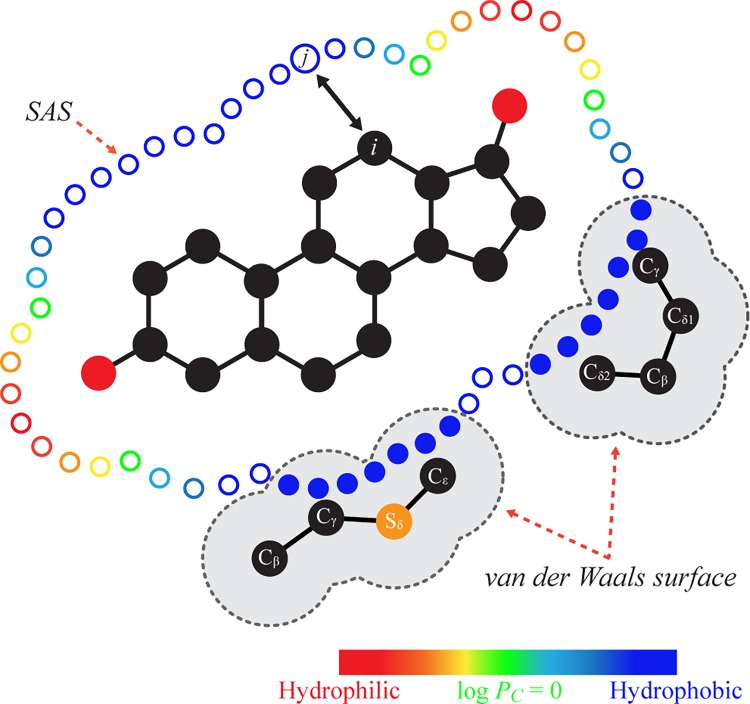
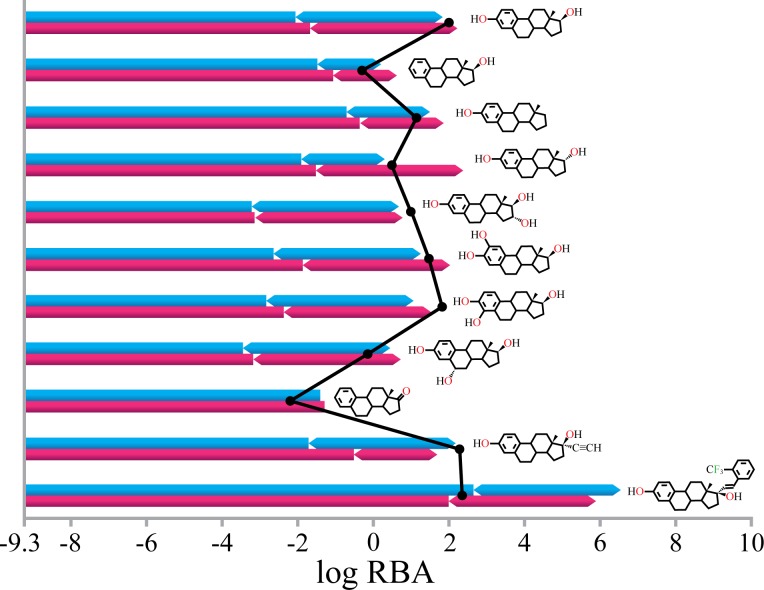
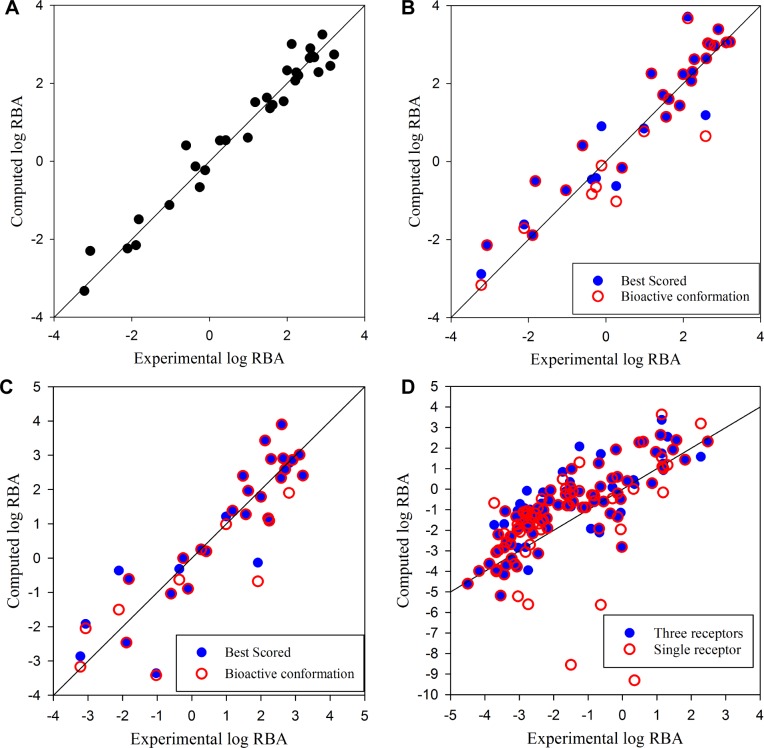
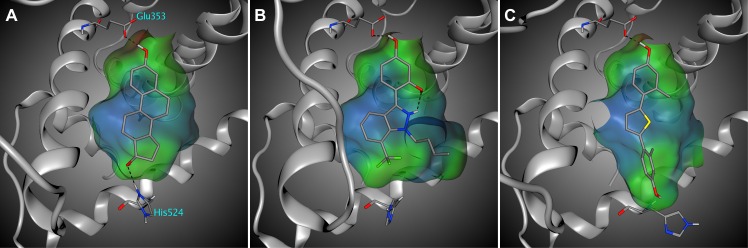
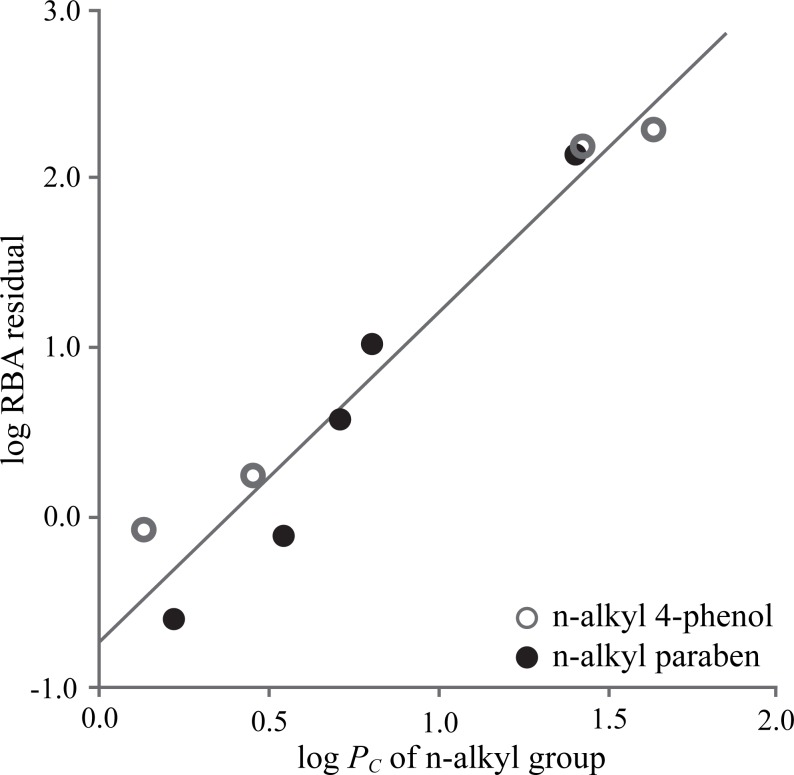
The flexible hydrophobic ligand binding pocket (LBP) of estrogen receptor α (ERα) allows the binding of a wide variety of endocrine disruptors. Upon ligand binding, the LBP reshapes around the contours of the ligand and stabilizes the complex by complementary hydrophobic interactions and specific hydrogen bonds with the ligand. Here we present a framework for quantitative analysis of the steric and electronic features of the human ERα-ligand complex using three dimensional (3D) protein-ligand interaction description combined with 3D-QSAR approach. An empirical hydrophobicity density field is applied to account for hydrophobic contacts of ligand within the LBP. The obtained 3D-QSAR model revealed that hydrophobic contacts primarily determine binding affinity and govern binding mode with hydrogen bonds. Several residues of the LBP appear to be quite flexible and adopt a spectrum of conformations in various ERα-ligand complexes, in particular His524. The 3D-QSAR was combined with molecular docking based on three receptor conformations to accommodate receptor flexibility. The model indicates that the dynamic character of the LBP allows accommodation and stable binding of structurally diverse ligands, and proper representation of the protein flexibility is critical for reasonable description of binding of the ligands. Our results provide a quantitative and mechanistic understanding of binding affinity and mode of ERα agonists and antagonists that may be applicable to other nuclear receptors.
雌激素受体α(ERα)的柔性疏水配体结合口袋(LBP)能够结合多种内分泌干扰物。配体结合后,LBP会围绕配体的轮廓重塑形状,并通过与配体的互补疏水相互作用和特定氢键来稳定复合物。在此,我们提出了一个框架,用于使用三维(3D)蛋白质-配体相互作用描述结合3D-QSAR方法对人ERα-配体复合物的空间和电子特征进行定量分析。应用经验性疏水性密度场来解释配体在LBP内的疏水接触。所获得的3D-QSAR模型表明,疏水接触主要决定结合亲和力并通过氢键控制结合模式。LBP的几个残基似乎相当灵活,在各种ERα-配体复合物中呈现出一系列构象,特别是His524。3D-QSAR与基于三种受体构象的分子对接相结合,以适应受体的灵活性。该模型表明,LBP的动态特性允许容纳和稳定结合结构多样的配体,并且正确表征蛋白质的灵活性对于合理描述配体的结合至关重要。我们的结果为ERα激动剂和拮抗剂的结合亲和力和模式提供了定量和机制性的理解,这可能适用于其他核受体。