Ab Lah Roslizawati, Smith Joshua, Savins Dale, Dowell Ashley, Bucher Daniel, Benkendorff Kirsten
Marine Ecology Research Centre, School of Environment, Science and Engineering University of Southern Cross Lismore 2480 New South Wales Australia; University Malaysia Terengganu Kuala 21030 Terengganu Malaysia.
Marine Ecology Research Centre, School of Environment, Science and Engineering University of Southern Cross Lismore 2480 New South Wales Australia; Southern Cross Plant Science University of Southern Cross Lismore 2480 New South Wales Australia.
Food Sci Nutr. 2016 Apr 5;5(1):14-30. doi: 10.1002/fsn3.360. eCollection 2017 Jan.
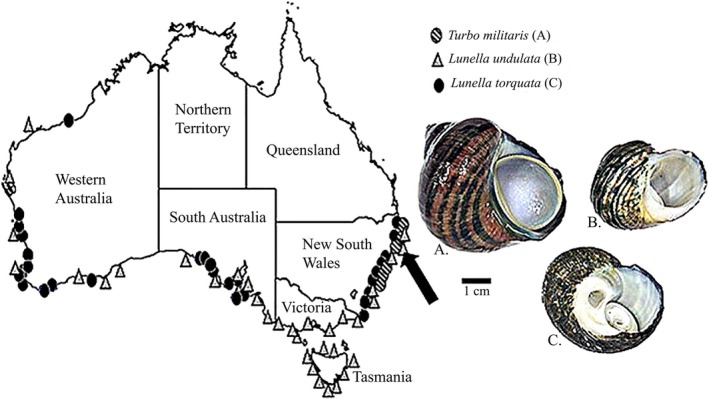
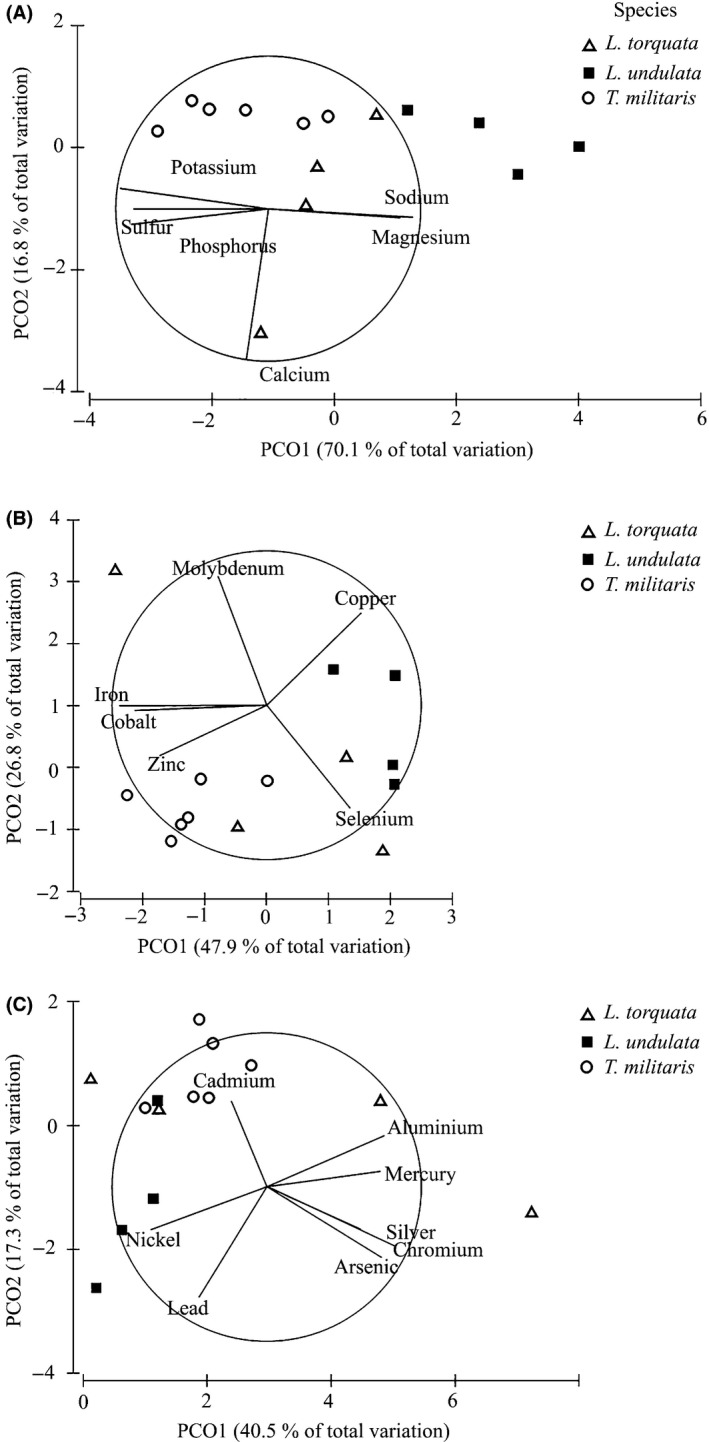
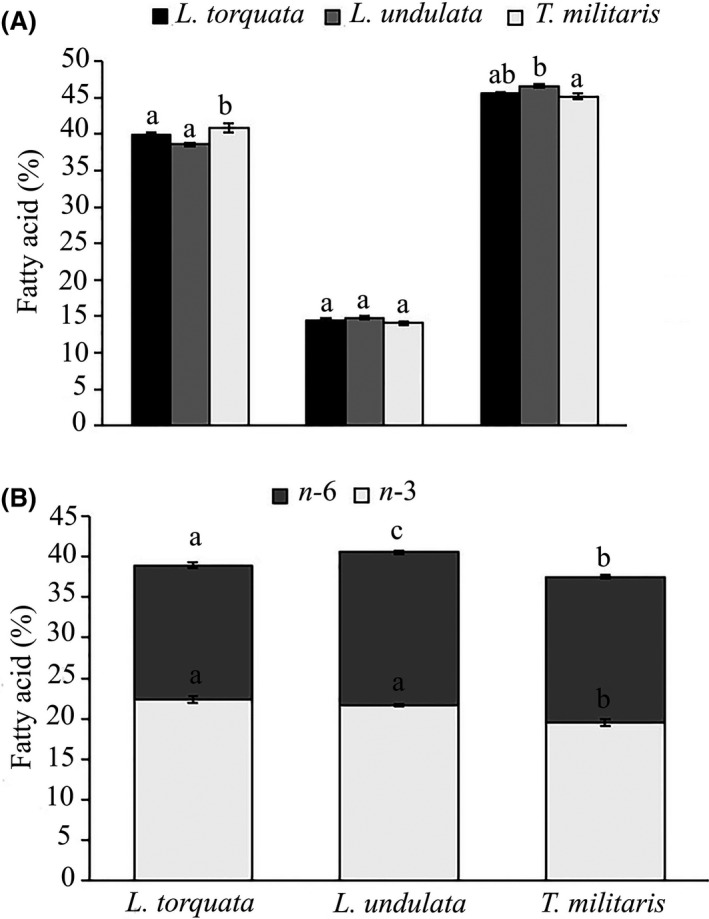
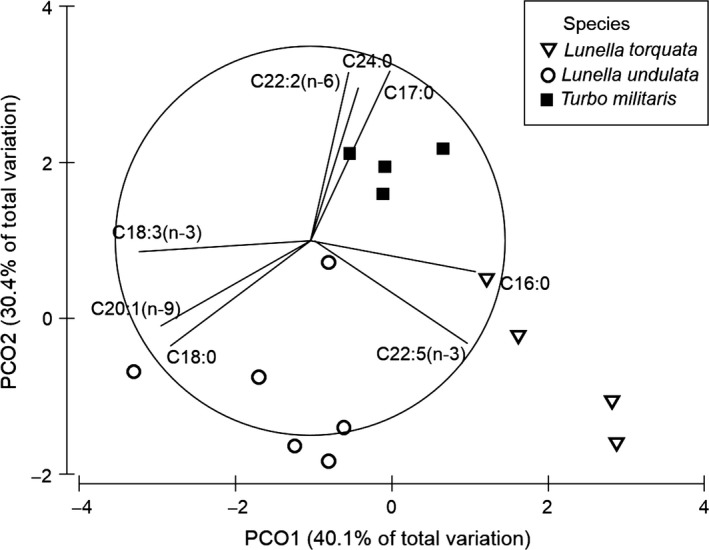
Turban snails (family Turbinidae) are gastropod molluscs that are harvested for human consumption yet little is known about the nutritional properties of these snails, particularly from Australian waters. This study compares the proximate composition (ash, moisture, protein, and lipid content), fatty acid profiles, mineral, and trace element content of three species of turbinid snails; and from northern New South Wales, Australia. They were all found to have relatively high protein in their flesh (16.0% to 18.5% of the fresh weight). had a significantly higher lipid content (8.5% w/w) than (5.2% w/w), whereas (5.6% w/w) was not significantly different to either. Analysis with gas chromatography showed there was no significant difference in monounsaturated fatty acid (MUFA) content, with an average of approximately 14% of the total fatty acids in all three species. However, saturated fatty acids (SFA) were significantly higher in (41%), whereas polyunsaturated fatty acids (PUFA) were significantly higher in (46%). The ratio of -3/-6 fatty acids ranged from 1.1 in to 1.4 in which is good for human health and comparable to other high value gastropods. The results indicate that , and provide a good source of essential elements such as zinc, selenium, and iron. At the location studied, toxic metals and metalloids were below safe recommended standards for human consumption. Overall, this study confirms the suitability of turban snails as a nutritional food for human consumption.
钟螺科(Turbinidae)的钟螺是腹足纲软体动物,可供人类食用,但人们对这些螺类的营养特性知之甚少,尤其是来自澳大利亚海域的钟螺。本研究比较了三种钟螺的近似成分(灰分、水分、蛋白质和脂质含量)、脂肪酸谱、矿物质和微量元素含量,这三种钟螺均采自澳大利亚新南威尔士州北部。研究发现,它们的肉质中蛋白质含量相对较高(占鲜重的16.0%至18.5%)。[螺名1]的脂质含量(8.5% w/w)显著高于[螺名2](5.2% w/w),而[螺名3](5.6% w/w)与前两者无显著差异。气相色谱分析表明,单不饱和脂肪酸(MUFA)含量无显著差异,三种螺类中MUFA平均约占总脂肪酸的14%。然而,[螺名1]的饱和脂肪酸(SFA)含量显著较高(41%),而[螺名2]的多不饱和脂肪酸(PUFA)含量显著较高(46%)。ω-3/ω-6脂肪酸的比例在[螺名1]中为1.1,在[螺名2]中为1.4,对人体健康有益,与其他高价值腹足纲动物相当。结果表明,[螺名1]、[螺名2]和[螺名3]是锌、硒和铁等必需元素的良好来源。在所研究的地点,有毒金属和类金属低于人类食用的安全推荐标准。总体而言,本研究证实了钟螺作为人类营养食品的适宜性。