Bishop Haley Johnson, Biasini Fred J, Stavrinos Despina
University of Alabama at Birmingham, 916 19th Street South, Birmingham, AL, 35294-2100, US.
University of Alabama at Birmingham, 930 20th Street South Suite 101, Birmingham, AL, 35205, US.
J Autism Dev Disord. 2017 Apr;47(4):905-917. doi: 10.1007/s10803-016-2992-1.
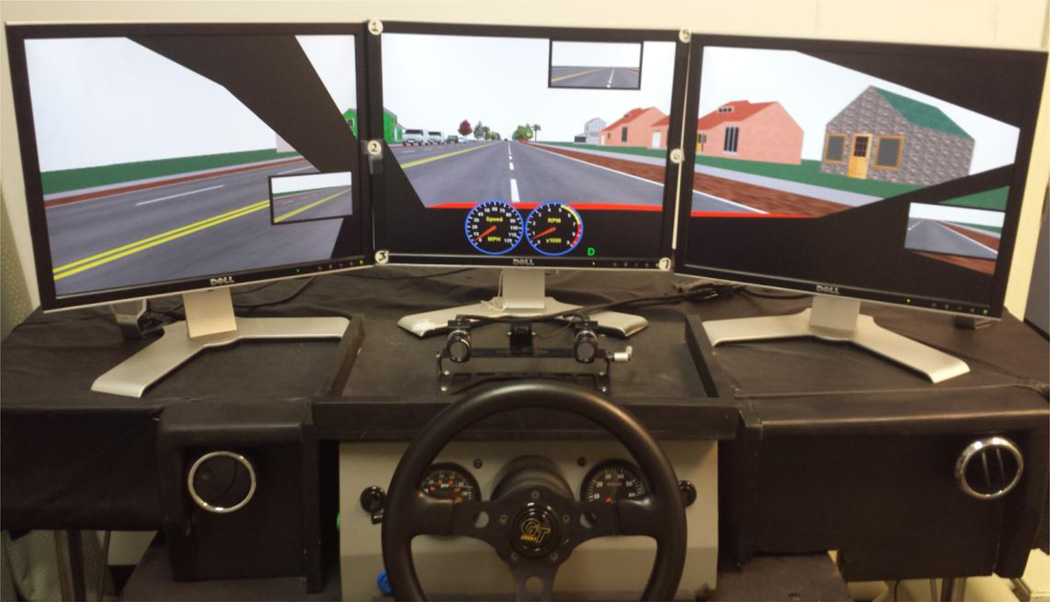
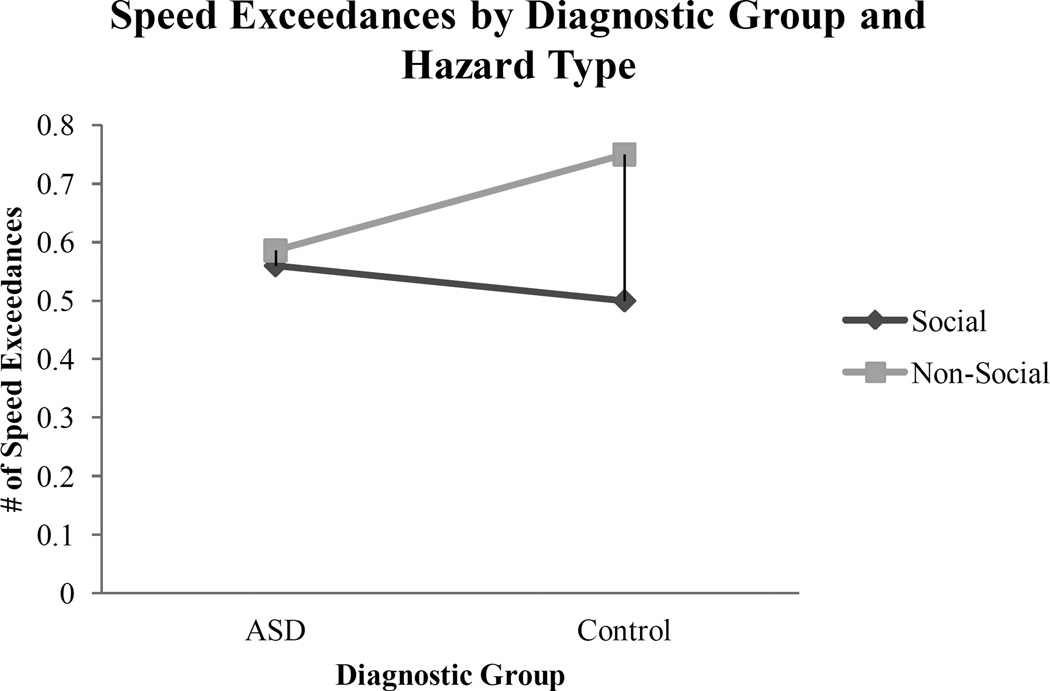
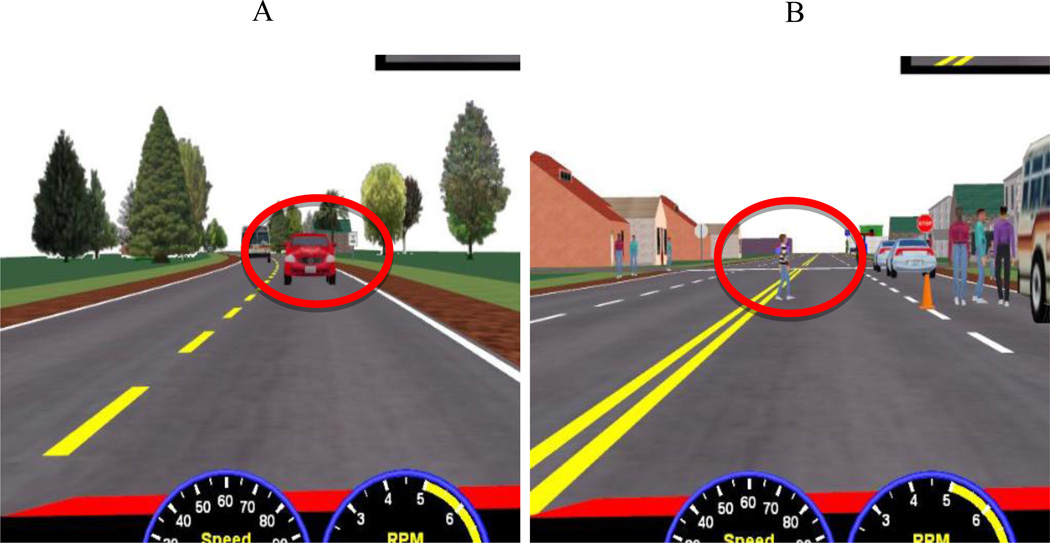
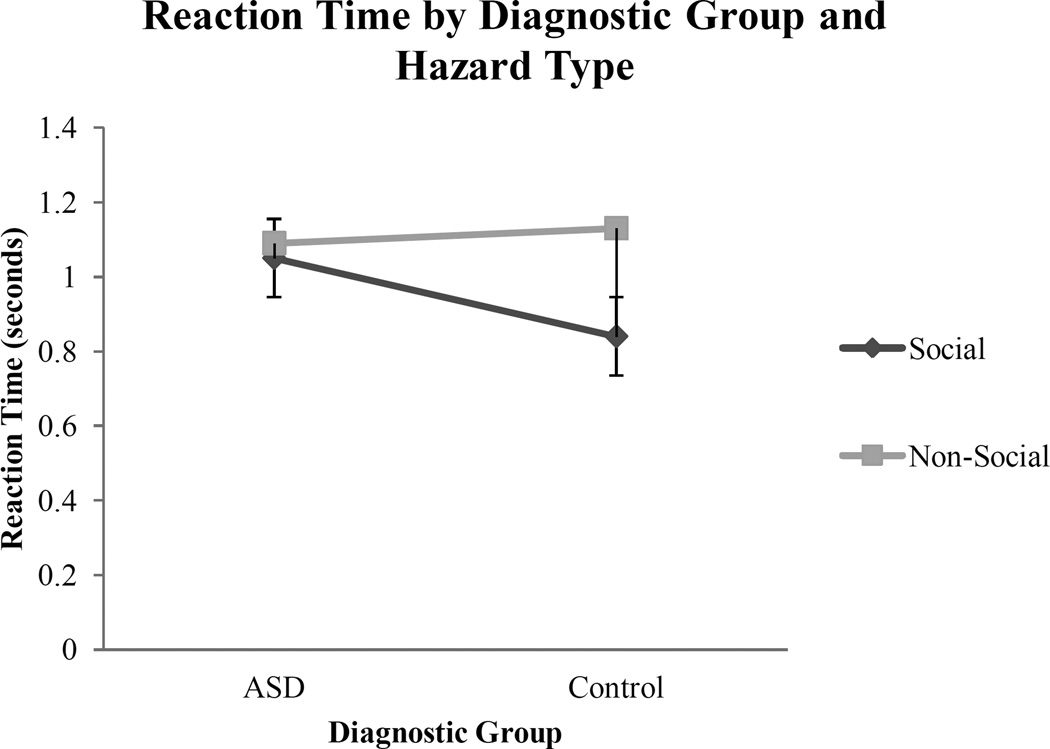
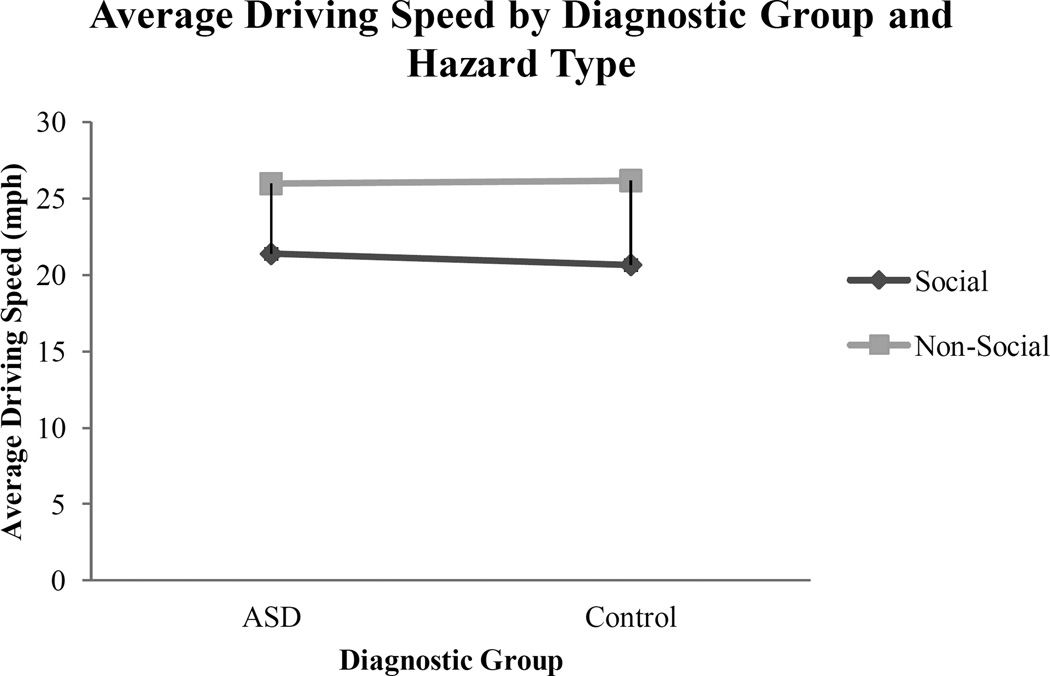
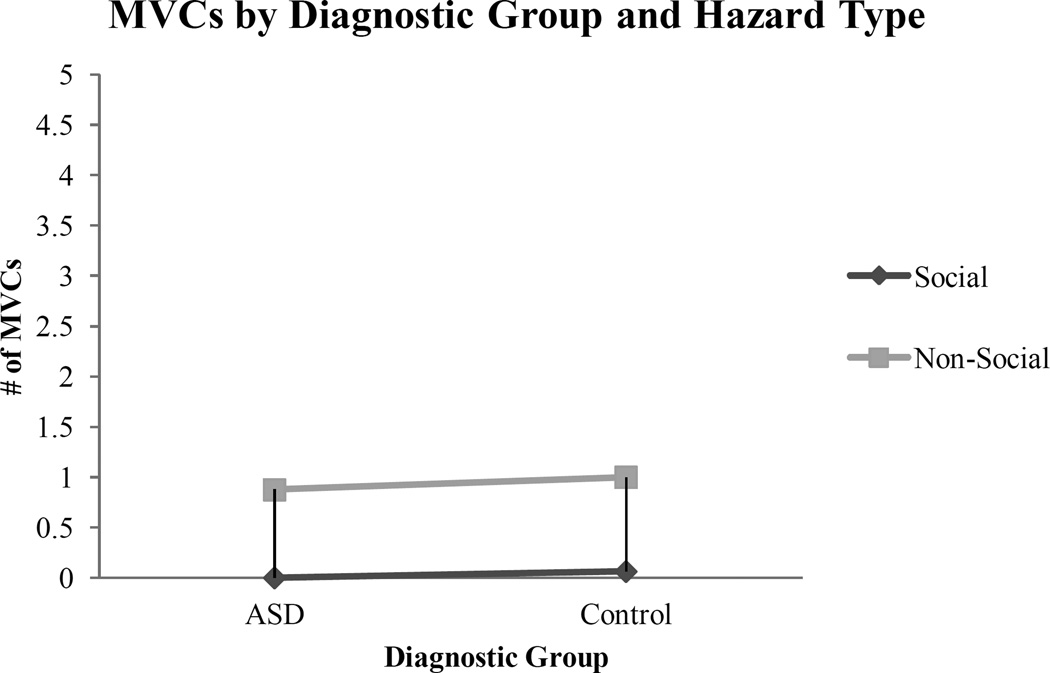
Driving is a complex task that relies on manual, cognitive, visual and social skill. The social demands of driving may be challenging for individuals with Autism Spectrum Disorder (ASD) due to known social impairments. This study investigated how drivers with ASD respond to social (e.g., pedestrians) and non-social (e.g., vehicles) hazards in a driving simulator compared to typically developing drivers. Overall, participants responded faster to social hazards than non-social hazards. It was also found that drivers with typical development reacted faster to social hazards, while drivers with ASD showed no difference in reaction time to social versus non-social hazards. Future work should further investigate how social impairments in ASD may affect driving safety.
驾驶是一项复杂的任务,需要手动、认知、视觉和社交技能。由于已知的社交障碍,驾驶的社交需求对自闭症谱系障碍(ASD)患者来说可能具有挑战性。本研究调查了与正常发育的驾驶员相比,患有ASD的驾驶员在驾驶模拟器中如何应对社交(如行人)和非社交(如车辆)危险。总体而言,参与者对社交危险的反应比对非社交危险的反应更快。研究还发现,正常发育的驾驶员对社交危险的反应更快,而患有ASD的驾驶员对社交和非社交危险的反应时间没有差异。未来的工作应进一步研究ASD中的社交障碍如何影响驾驶安全。