Cheng Heng, Liao Zhong-Li, Ning Lin-Hong, Chen Hong-Yan, Wei Shan-Shan, Yang Xiao-Chao, Guo Hong
Department of Gastroenterology, Xinqiao Hospital, Third Military Medical University, Chongqing, 400037, China.
Department of Biomedical Materials Science, School of Biomedical Engineering, Third Military Medical University, Chongqing, 400038, China.
Cancer Med. 2017 Feb;6(2):374-381. doi: 10.1002/cam4.949. Epub 2017 Jan 10.
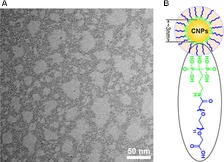
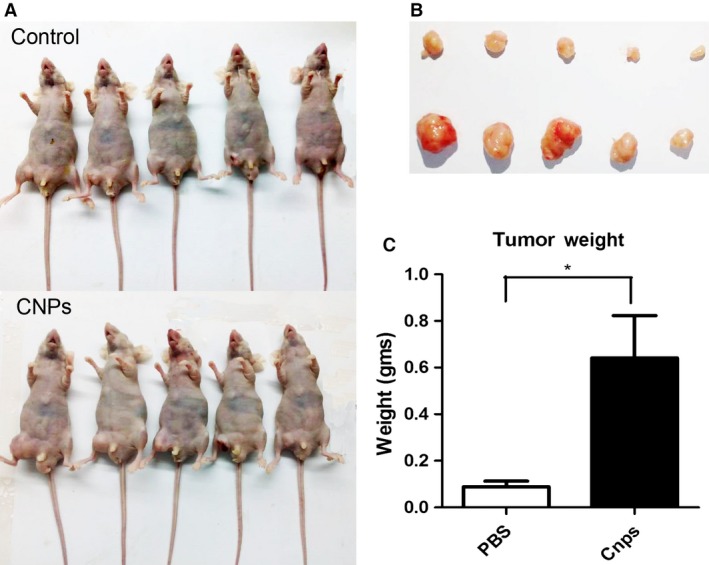
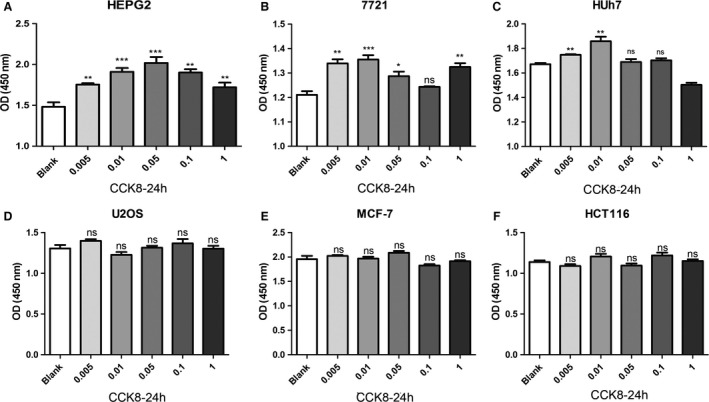
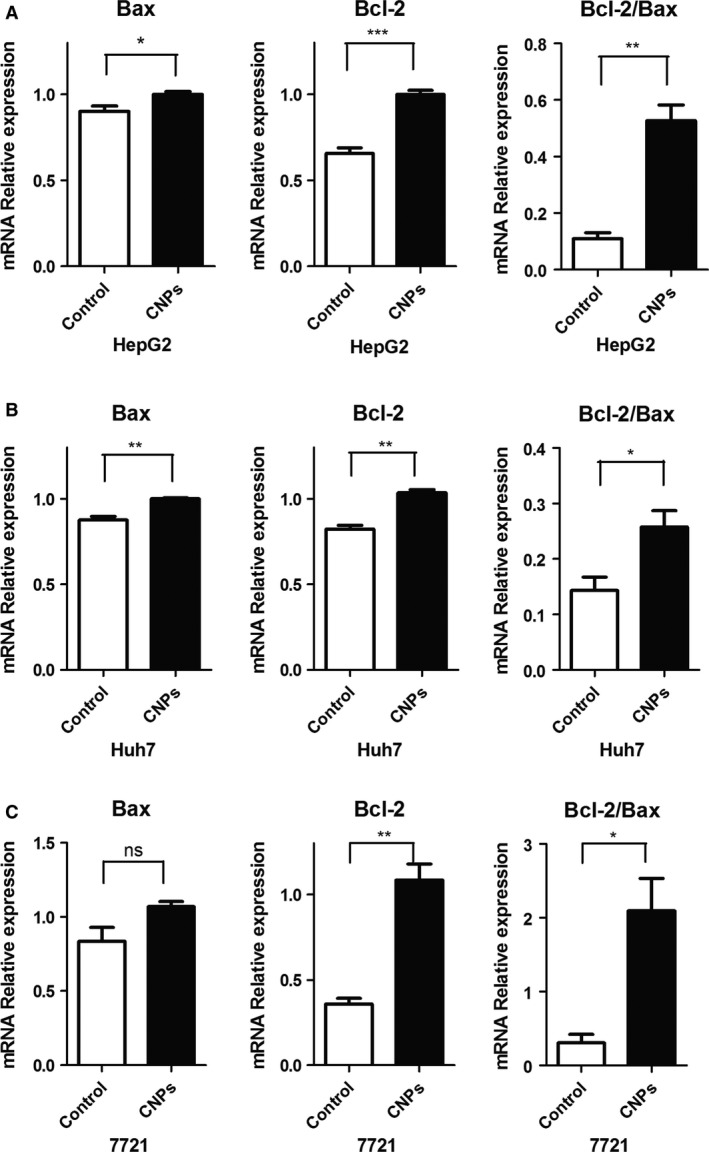
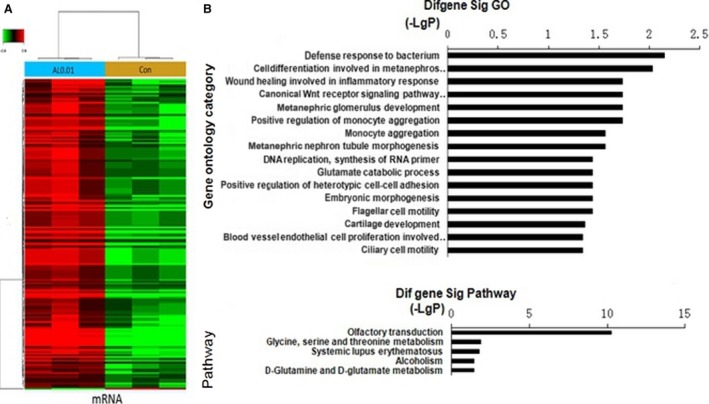
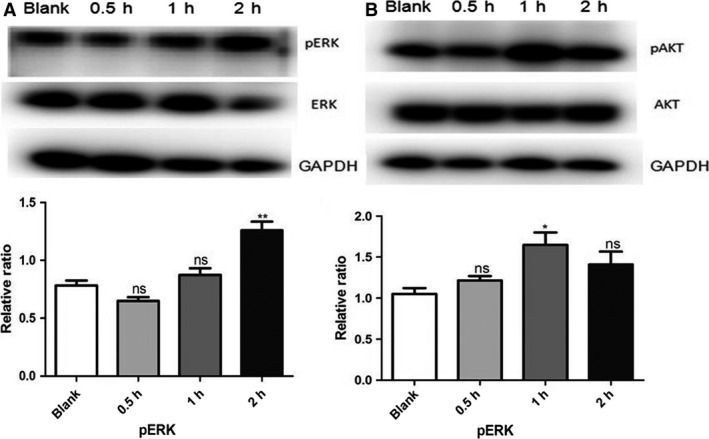
Previous work has suggested that ceria nanoparticles (CNPs) have regenerative antioxidant properties, which have motivated researchers to consider CNPs as therapeutic agents for treating a number of diseases, including cancer. Recent studies have shown CNPs to be toxic to cancer cells, to inhibit invasion and sensitize cancer cells to radiotherapy. In addition, several hydrophilic polymers have been used to coat the CNP surface in order to enhance its properties of extensive biocompatibility and systemic nontoxicity to normal cells and tissues. However, the results of previous studies were based on high CNP doses (10 μg/mL or more), and these doses may cause serious side effects in clinical applications. The impact of low CNP doses on tumor cells remains unknown. In this study, we report experiments indicating that CNPs-AL- polyethylene glycol (PEG)600, a type of surface-modified CNP that is more stable and less toxic than traditional CNPs could promote proliferation of hepatoma cells in a dose-dependent manner. In addition, further research showed that a low dose (0.01 μg/mL) of CNPs-AL-PEG600 could reduce hepatoma cell apoptosis and activate AKT/ERK signaling pathways. These results may provide information that is important for using CNPs-AL-PEG600 as a therapeutic agent in clinical cancer treatments.
先前的研究表明,二氧化铈纳米颗粒(CNPs)具有再生抗氧化特性,这促使研究人员将CNPs视为治疗多种疾病(包括癌症)的治疗剂。最近的研究表明,CNPs对癌细胞有毒性,可抑制癌细胞侵袭并使其对放疗敏感。此外,几种亲水性聚合物已被用于包覆CNP表面,以增强其广泛的生物相容性以及对正常细胞和组织的全身无毒性。然而,先前研究的结果是基于高剂量的CNPs(10μg/mL或更高),而这些剂量在临床应用中可能会引起严重的副作用。低剂量CNPs对肿瘤细胞的影响仍然未知。在本研究中,我们报告的实验表明,CNPs-AL-聚乙二醇(PEG)600,一种比传统CNPs更稳定、毒性更小的表面改性CNP,能够以剂量依赖的方式促进肝癌细胞的增殖。此外,进一步的研究表明,低剂量(0.01μg/mL)的CNPs-AL-PEG600可以减少肝癌细胞凋亡并激活AKT/ERK信号通路。这些结果可能为将CNPs-AL-PEG600用作临床癌症治疗的治疗剂提供重要信息。