McAnena Peter, Brown James A L, Kerin Michael J
Discipline of Surgery, Lambe Institute for Translational Research, School of Medicine, National University of Ireland Galway, H91 YR71, Galway, Ireland.
Cancers (Basel). 2017 Jan 8;9(1):5. doi: 10.3390/cancers9010005.
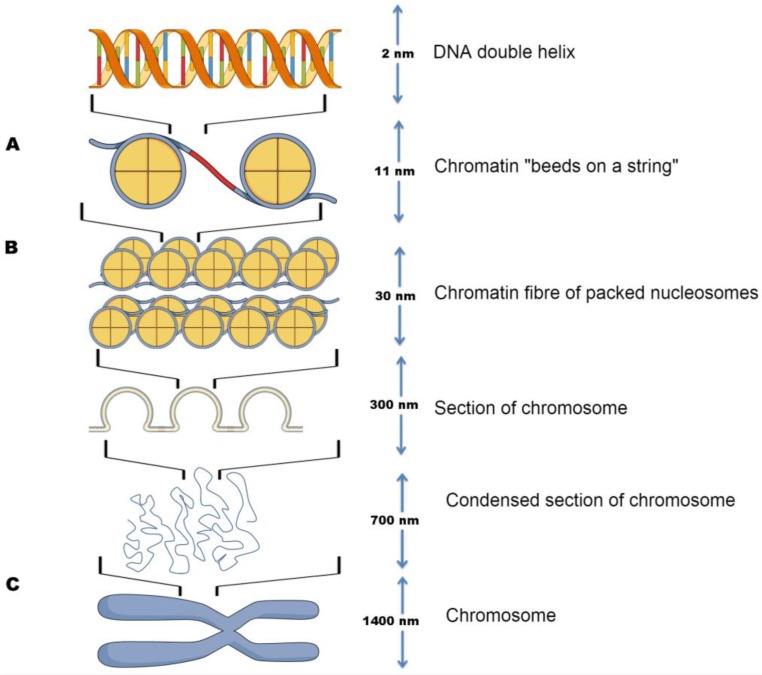
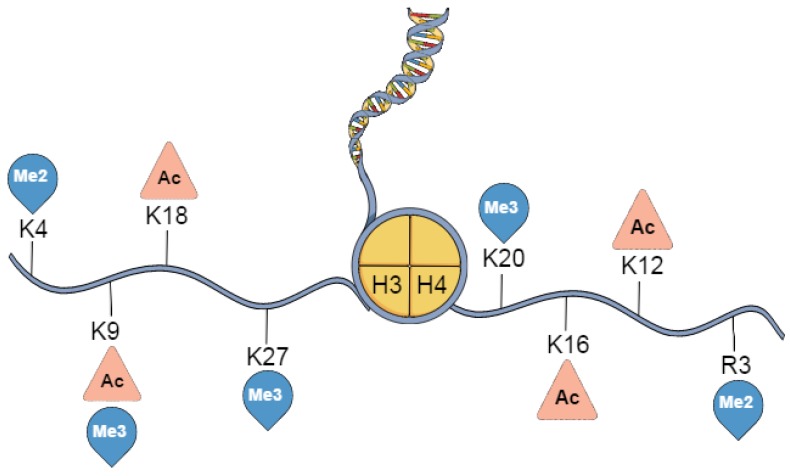
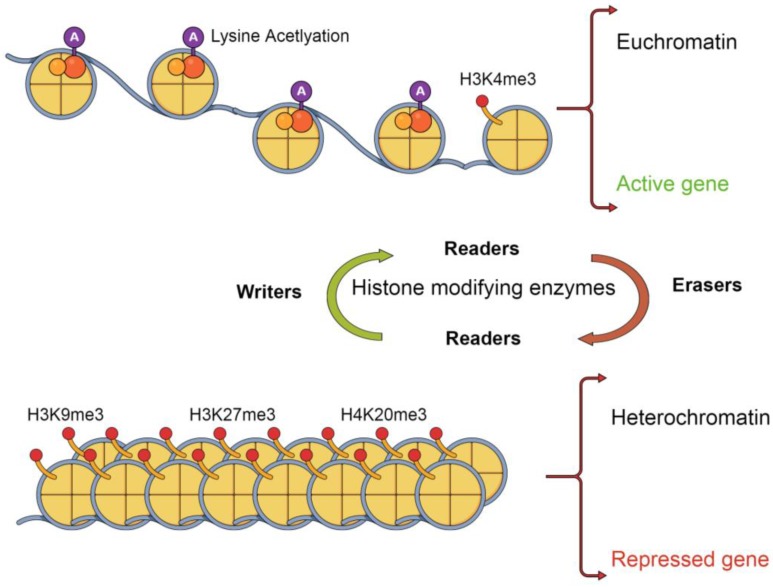
Traditionally the stratification of many cancers involves combining tumour and clinicopathological features (e.g., patient age; tumour size, grade, receptor status and location) to inform treatment options and predict recurrence risk and survival. However, current biomarkers often require invasive excision of the tumour for profiling, do not allow monitoring of the response to treatment and stratify patients into broad heterogeneous groups leading to inconsistent treatment responses. Here we explore and describe the benefits of using circulating biomarkers (nucleosomes and/or modifications to nucleosomes) as a non-invasive method for detecting cancer and monitoring response to treatment. Nucleosomes (DNA wound around eight core histone proteins) are responsible for compacting our genome and their composition and post-translational modifications are responsible for regulating gene expression. Here, we focus on breast and colorectal cancer as examples where utilizing circulating nucleosomes as biomarkers hold real potential as liquid biopsies. Utilizing circulating nucleosomes as biomarkers is an exciting new area of research that promises to allow both the early detection of cancer and monitoring of treatment response. Nucleosome-based biomarkers combine with current biomarkers, increasing both specificity and sensitivity of current tests and have the potential to provide individualised precision-medicine based treatments for patients.
传统上,许多癌症的分层涉及结合肿瘤和临床病理特征(例如患者年龄、肿瘤大小、分级、受体状态和位置),以指导治疗方案的选择并预测复发风险和生存率。然而,目前的生物标志物通常需要对肿瘤进行侵入性切除以进行分析,无法监测治疗反应,并且会将患者分为广泛的异质性群体,导致治疗反应不一致。在这里,我们探讨并描述了使用循环生物标志物(核小体和/或核小体修饰)作为检测癌症和监测治疗反应的非侵入性方法的益处。核小体(缠绕在八个核心组蛋白上的DNA)负责压缩我们的基因组,其组成和翻译后修饰负责调节基因表达。在这里,我们以乳腺癌和结直肠癌为例,说明利用循环核小体作为生物标志物作为液体活检具有真正的潜力。利用循环核小体作为生物标志物是一个令人兴奋的新研究领域,有望实现癌症的早期检测和治疗反应的监测。基于核小体的生物标志物与当前的生物标志物相结合,提高了当前检测的特异性和敏感性,并有可能为患者提供基于个性化精准医学的治疗。