Arya Deepak, Sachithanandan Sasikala P, Ross Cecil, Palakodeti Dasaradhi, Li Shang, Krishna Sudhir
Cellular Organization and Signalling Group, National Centre for Biological Sciences, Tata Institute of Fundamental Research, Bangalore, India.
Manipal University, Manipal, India.
Cell Death Dis. 2017 Jan 12;8(1):e2547. doi: 10.1038/cddis.2016.471.
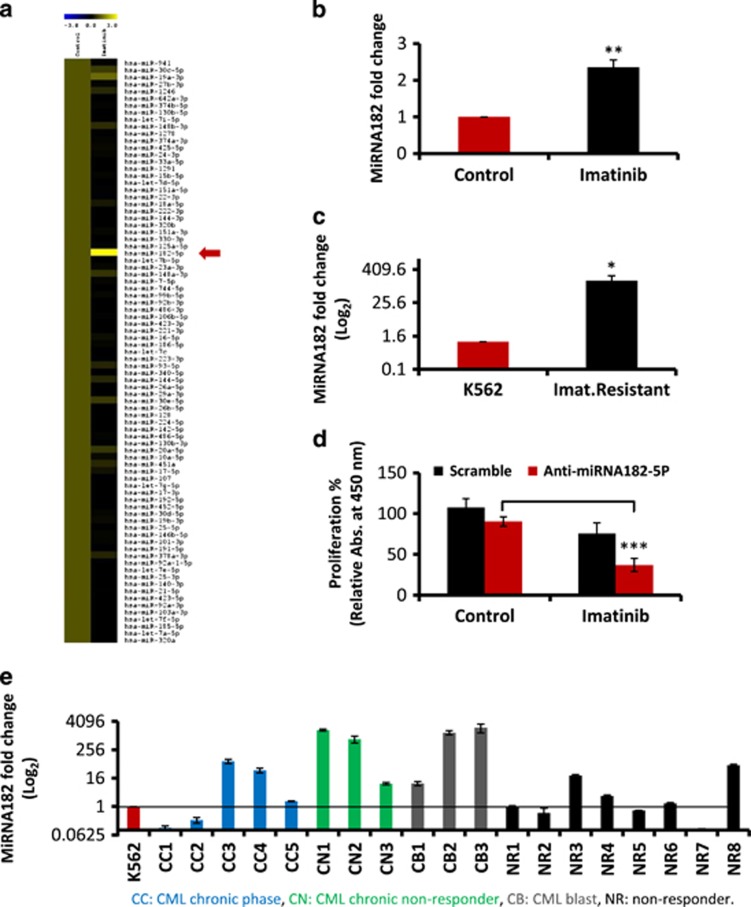
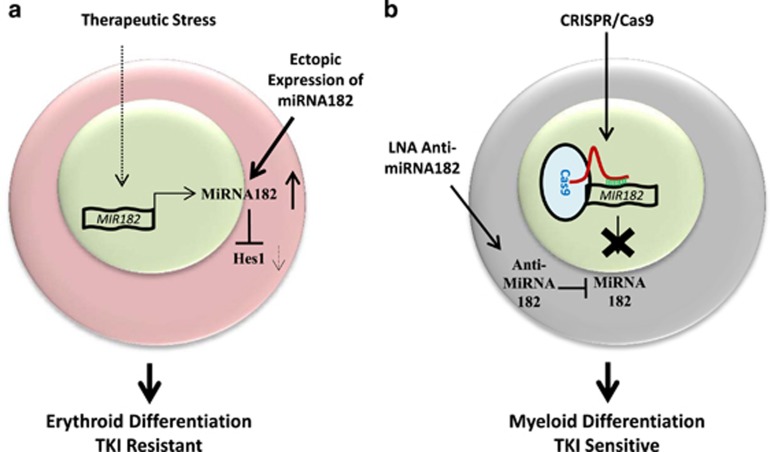
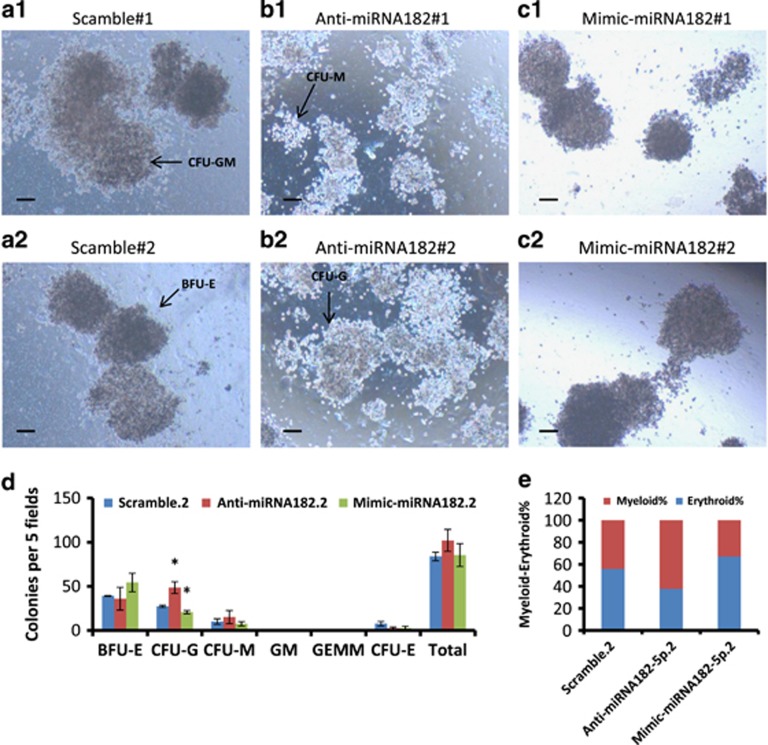
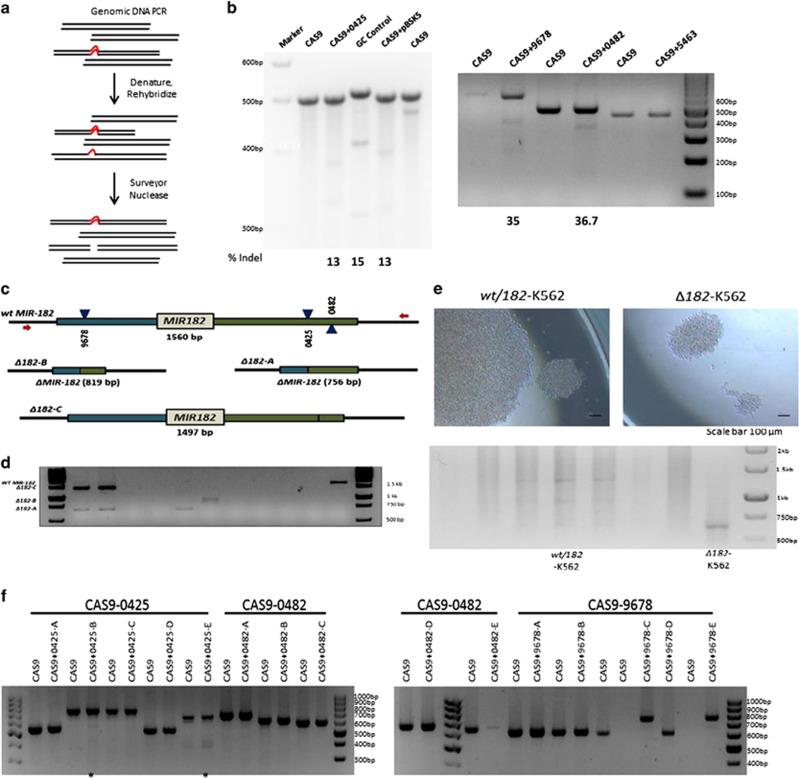
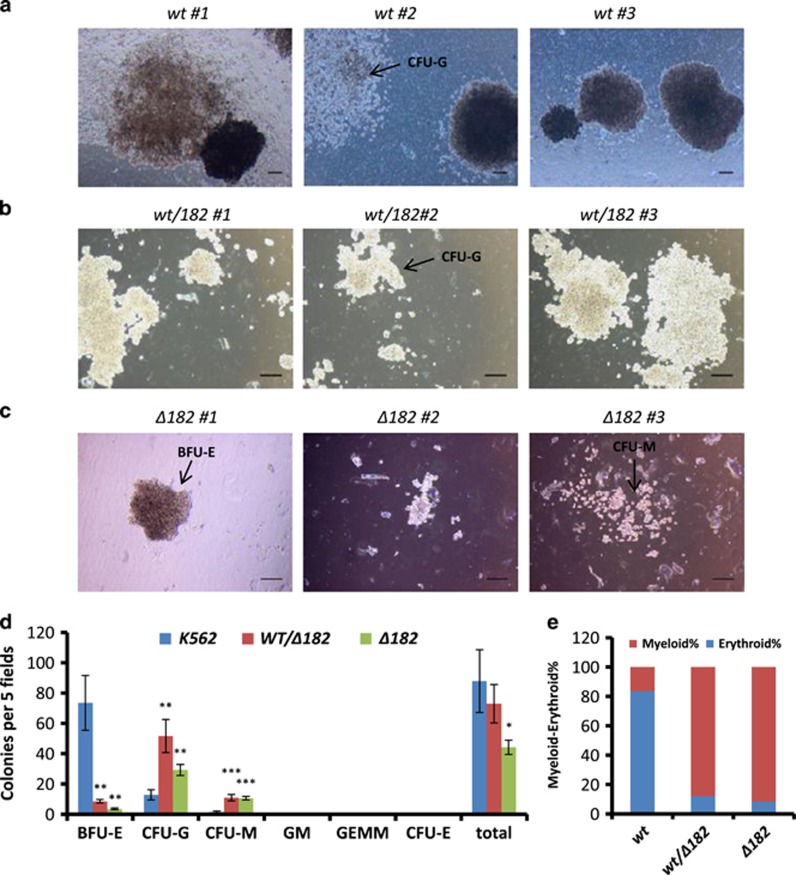
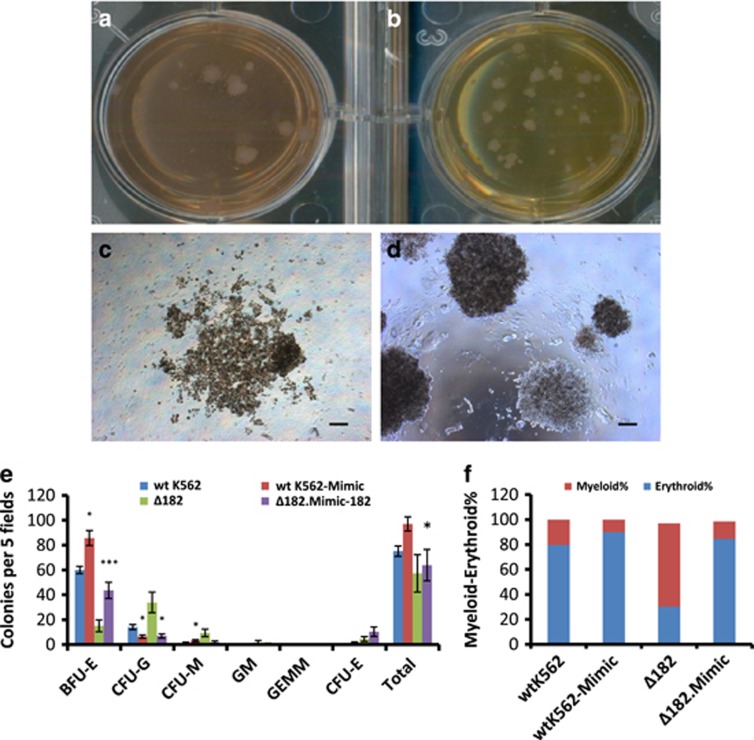
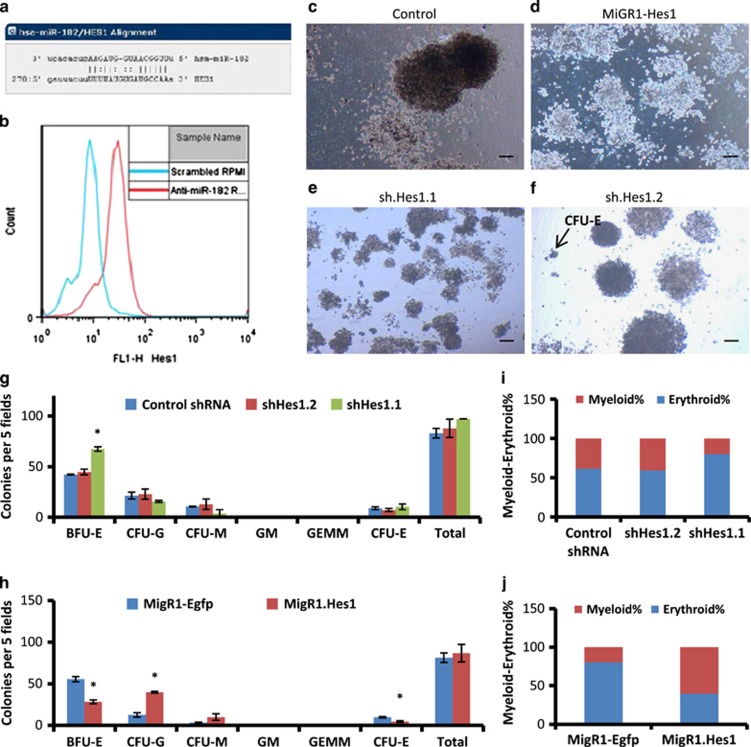
The deregulation of lineage control programs is often associated with the progression of haematological malignancies. The molecular regulators of lineage choices in the context of tyrosine kinase inhibitor (TKI) resistance remain poorly understood in chronic myeloid leukemia (CML). To find a potential molecular regulator contributing to lineage distribution and TKI resistance, we undertook an RNA-sequencing approach for identifying microRNAs (miRNAs). Following an unbiased screen, elevated miRNA182-5p levels were detected in Bcr-Abl-inhibited K562 cells (CML blast crisis cell line) and in a panel of CML patients. Earlier, miRNA182-5p upregulation was reported in several solid tumours and haematological malignancies. We undertook a strategy involving transient modulation and CRISPR/Cas9 (clustered regularly interspersed short palindromic repeats)-mediated knockout of the MIR182 locus in CML cells. The lineage contribution was assessed by methylcellulose colony formation assay. The transient modulation of miRNA182-5p revealed a biased phenotype. Strikingly, Δ182 cells (homozygous deletion of MIR182 locus) produced a marked shift in lineage distribution. The phenotype was rescued by ectopic expression of miRNA182-5p in Δ182 cells. A bioinformatic analysis and Hes1 modulation data suggested that Hes1 could be a putative target of miRNA182-5p. A reciprocal relationship between miRNA182-5p and Hes1 was seen in the context of TK inhibition. In conclusion, we reveal a key role for miRNA182-5p in restricting the myeloid development of leukemic cells. We propose that the Δ182 cell line will be valuable in designing experiments for next-generation pharmacological interventions.
谱系控制程序的失调通常与血液系统恶性肿瘤的进展相关。在慢性髓性白血病(CML)中,酪氨酸激酶抑制剂(TKI)耐药背景下谱系选择的分子调节因子仍知之甚少。为了找到一个有助于谱系分布和TKI耐药的潜在分子调节因子,我们采用RNA测序方法来鉴定微小RNA(miRNA)。经过无偏筛选,在Bcr-Abl抑制的K562细胞(CML急变期细胞系)和一组CML患者中检测到miRNA182-5p水平升高。此前,在几种实体瘤和血液系统恶性肿瘤中报道过miRNA182-5p上调。我们采取了一种策略,包括在CML细胞中对MIR182基因座进行瞬时调节和CRISPR/Cas9(成簇规律间隔短回文重复序列)介导的敲除。通过甲基纤维素集落形成试验评估谱系贡献。miRNA182-5p的瞬时调节显示出一种偏向性表型。引人注目的是,Δ182细胞(MIR182基因座纯合缺失)在谱系分布上产生了明显变化。通过在Δ182细胞中异位表达miRNA182-5p挽救了该表型。生物信息学分析和Hes1调节数据表明,Hes1可能是miRNA182-5p的一个假定靶点。在TK抑制的背景下,观察到miRNA182-5p与Hes1之间存在相互关系。总之,我们揭示了miRNA182-5p在限制白血病细胞髓系发育中的关键作用。我们提出,Δ182细胞系在设计下一代药理学干预实验中将具有重要价值。