Tschurtschenthaler Markus, Adolph Timon E, Ashcroft Jonathan W, Niederreiter Lukas, Bharti Richa, Saveljeva Svetlana, Bhattacharyya Joya, Flak Magdalena B, Shih David Q, Fuhler Gwenny M, Parkes Miles, Kohno Kenji, Iwawaki Takao, Janneke van der Woude C, Harding Heather P, Smith Andrew M, Peppelenbosch Maikel P, Targan Stephan R, Ron David, Rosenstiel Philip, Blumberg Richard S, Kaser Arthur
Division of Gastroenterology and Hepatology, Department of Medicine, University of Cambridge, Cambridge CB2 0QQ, England, UK.
Institute for Clinical Molecular Biology, Christian-Albrechts-University Kiel, D-24105 Kiel, Germany.
J Exp Med. 2017 Feb;214(2):401-422. doi: 10.1084/jem.20160791. Epub 2017 Jan 12.
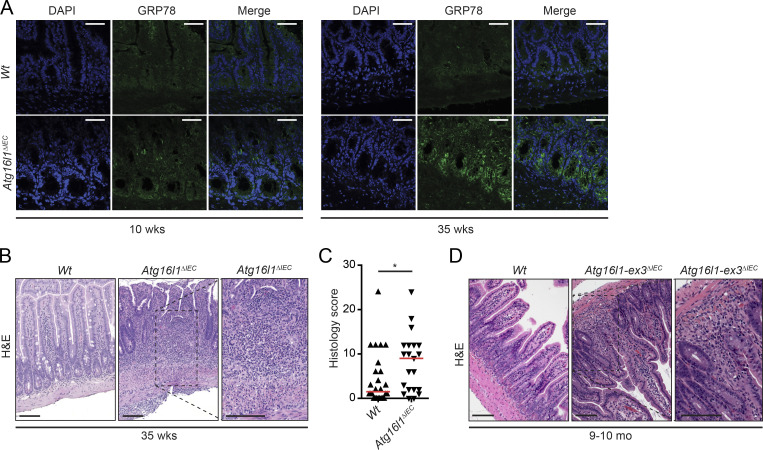
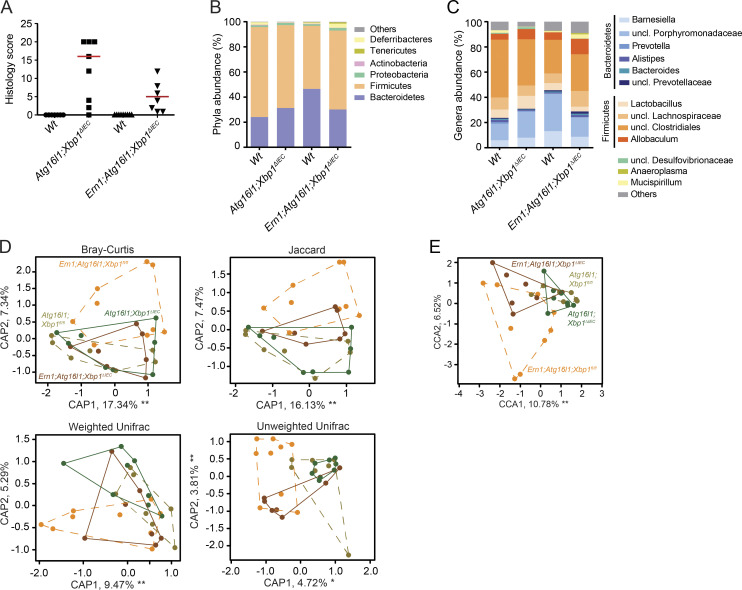
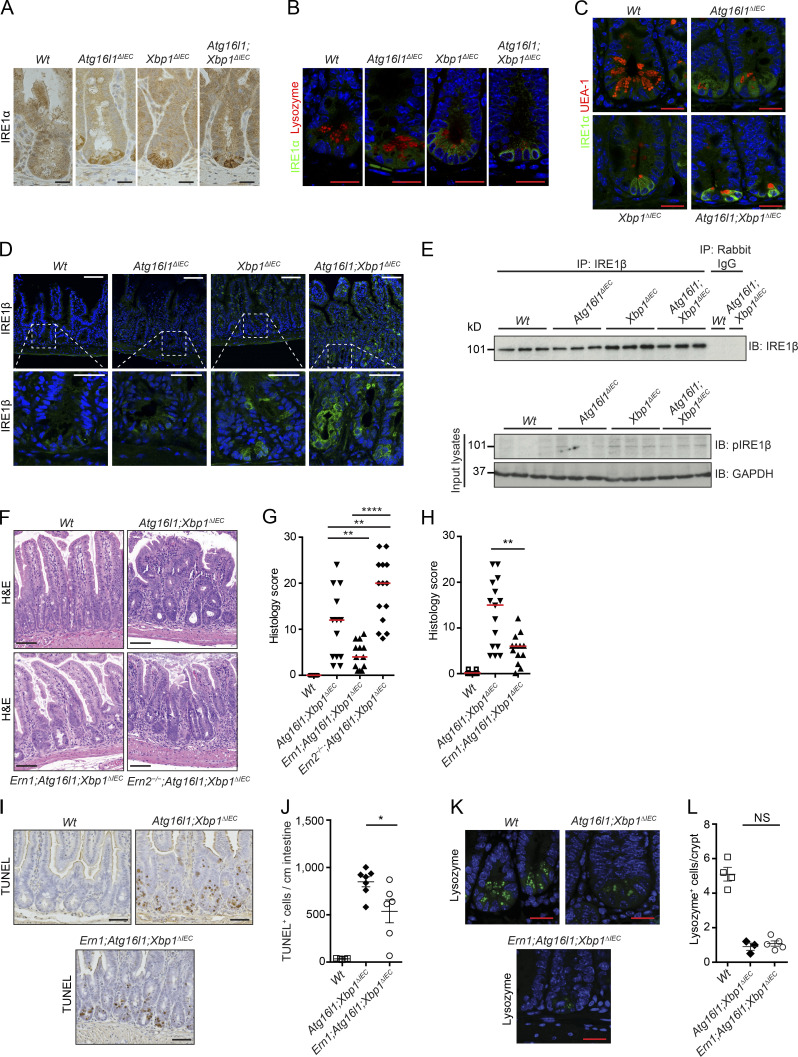
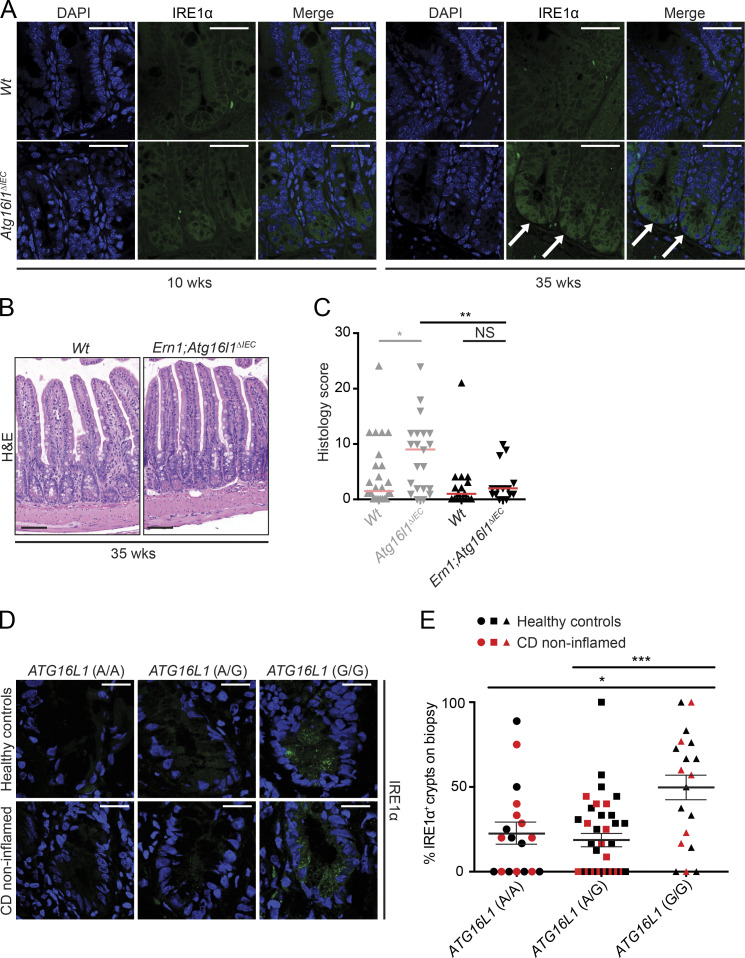
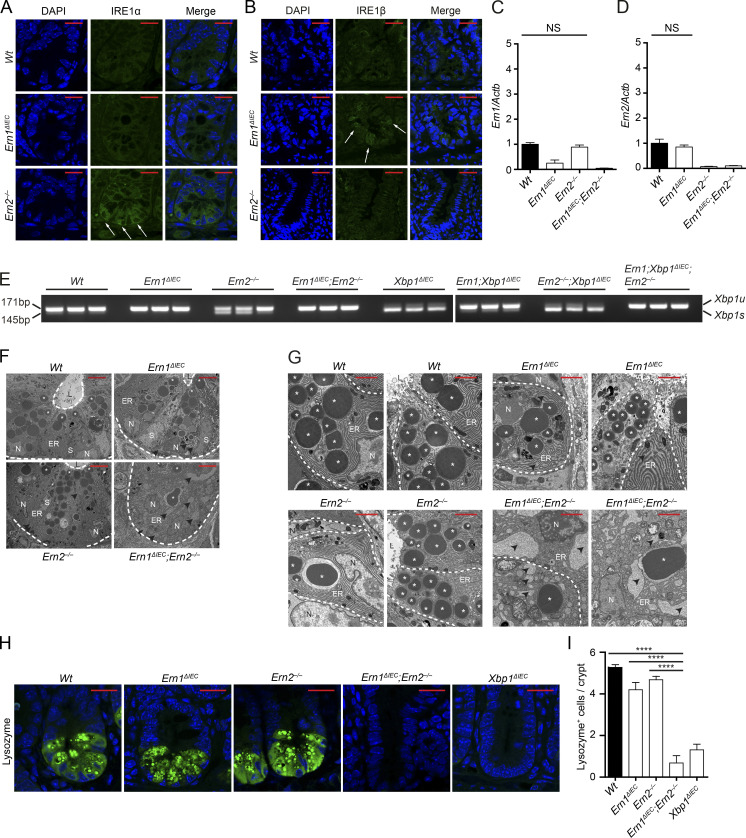
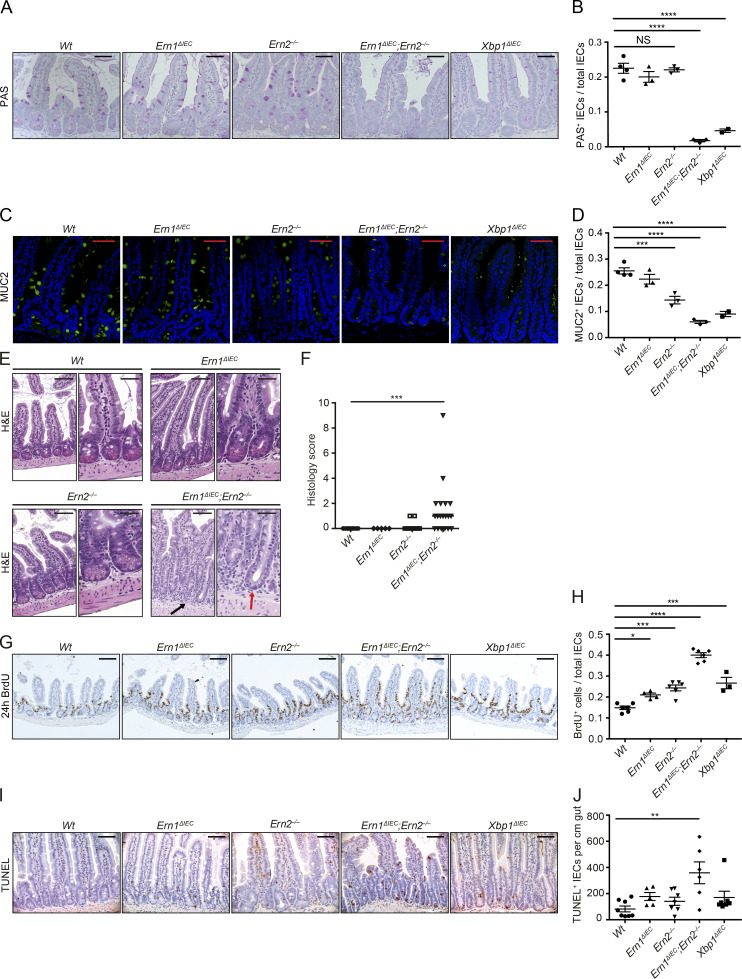
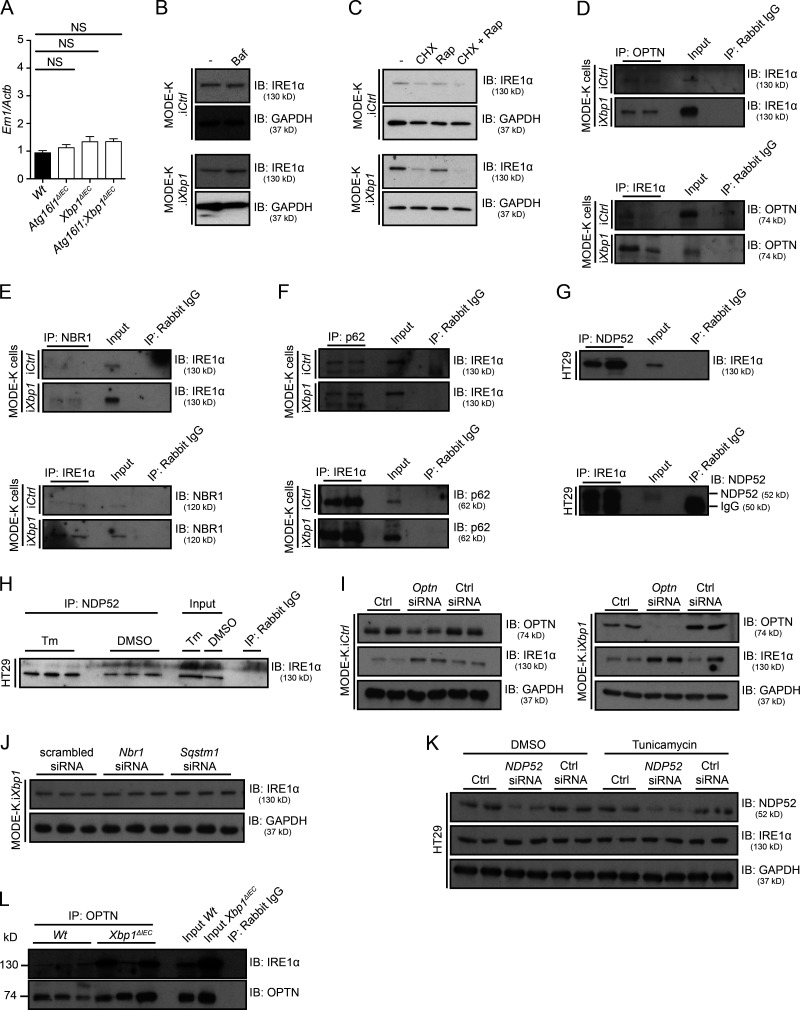
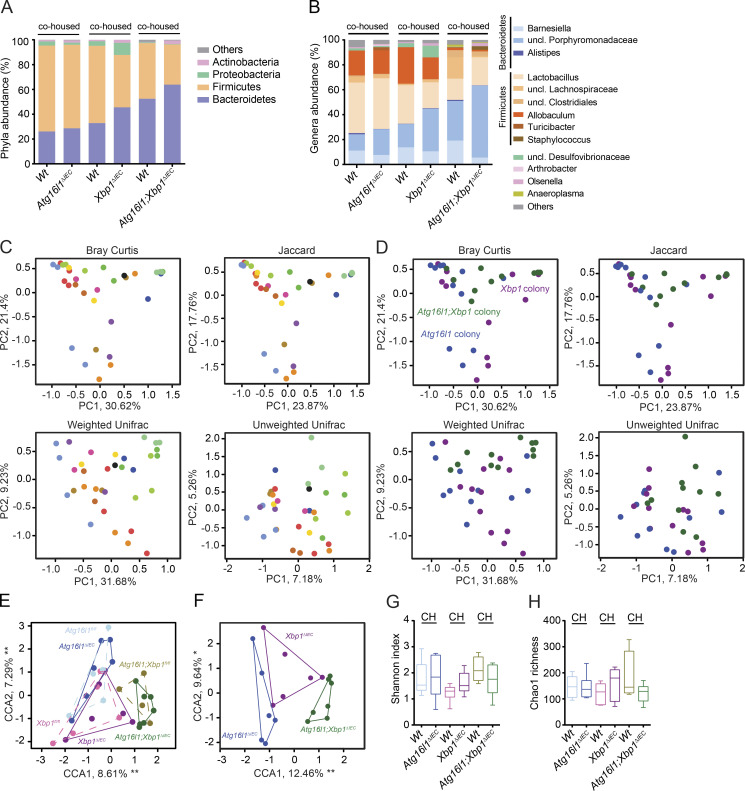
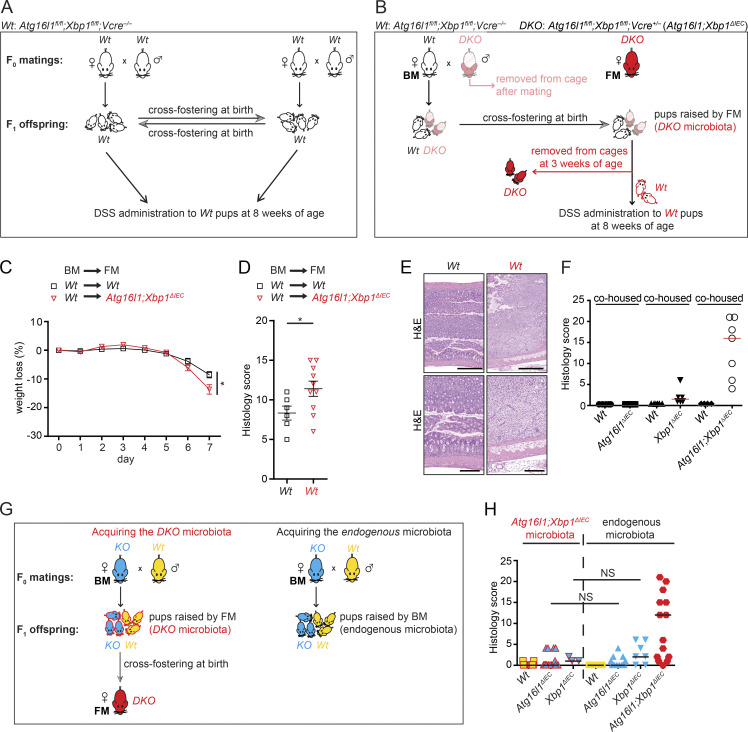
ATG16L1, a major risk polymorphism in Crohn's disease (CD), causes impaired autophagy, but it has remained unclear how this predisposes to CD. In this study, we report that mice with Atg16l1 deletion in intestinal epithelial cells (IECs) spontaneously develop transmural ileitis phenocopying ileal CD in an age-dependent manner, driven by the endoplasmic reticulum (ER) stress sensor IRE1α. IRE1α accumulates in Paneth cells of Atg16l1 mice, and humans homozygous for ATG16L1 exhibit a corresponding increase of IRE1α in intestinal epithelial crypts. In contrast to a protective role of the IRE1β isoform, hyperactivated IRE1α also drives a similar ileitis developing earlier in life in Atg16l1;Xbp1 mice, in which ER stress is induced by deletion of the unfolded protein response transcription factor XBP1. The selective autophagy receptor optineurin interacts with IRE1α, and optineurin deficiency amplifies IRE1α levels during ER stress. Furthermore, although dysbiosis of the ileal microbiota is present in Atg16l1;Xbp1 mice as predicted from impaired Paneth cell antimicrobial function, such structural alteration of the microbiota does not trigger ileitis but, rather, aggravates dextran sodium sulfate-induced colitis. Hence, we conclude that defective autophagy in IECs may predispose to CD ileitis via impaired clearance of IRE1α aggregates during ER stress at this site.
自噬相关基因16样蛋白1(ATG16L1)是克罗恩病(CD)的一个主要风险多态性基因,它会导致自噬功能受损,但目前尚不清楚其如何引发CD。在本研究中,我们报告称,肠道上皮细胞(IEC)中Atg16l1基因缺失的小鼠会以年龄依赖性方式自发发展出透壁性回肠炎,其表型类似于回肠CD,这是由内质网(ER)应激传感器肌醇需求酶1α(IRE1α)驱动的。IRE1α在Atg16l1基因缺失小鼠的潘氏细胞中积累,并且ATG16L1纯合的人类在肠道上皮隐窝中也表现出相应的IRE1α增加。与IRE1β亚型的保护作用相反,过度激活的IRE1α在Atg16l1;Xbp1小鼠中也会驱动类似的回肠炎在生命早期发展,在该小鼠中,通过缺失未折叠蛋白反应转录因子XBP1来诱导内质网应激。选择性自噬受体视黄醛结合蛋白与IRE1α相互作用,并且视黄醛结合蛋白缺乏会在应激期间放大IRE1α水平。此外,尽管如从受损的潘氏细胞抗菌功能所预测的那样,Atg16l1;Xbp1小鼠的回肠微生物群存在失调,但微生物群的这种结构改变不会引发回肠炎,而是会加重葡聚糖硫酸钠诱导的结肠炎。因此,我们得出结论,IEC中的自噬缺陷可能通过在内质网应激期间该部位IRE1α聚集体清除受损而导致CD回肠炎。