Division of Gastroenterology, Hepatology, and Nutrition, Boston Children's Hospital, Boston, MA.
Harvard Medical School, Boston, MA.
J Cell Biol. 2020 Feb 3;219(2). doi: 10.1083/jcb.201904048.
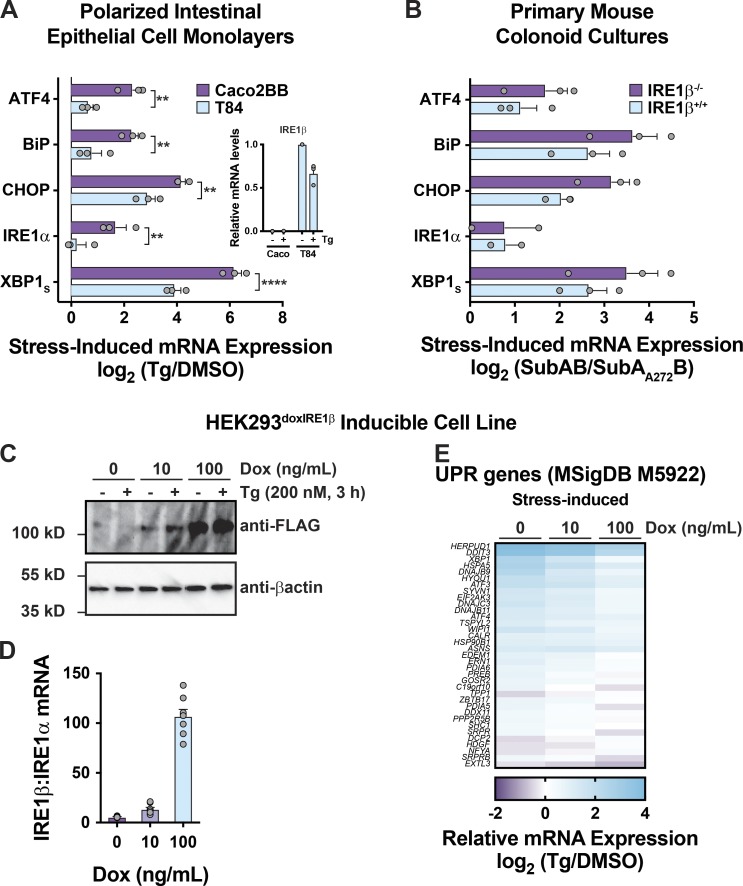
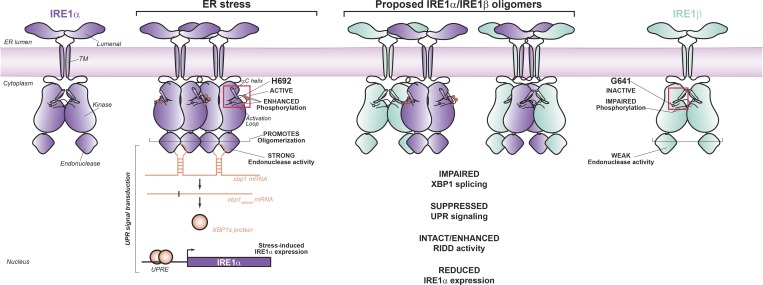
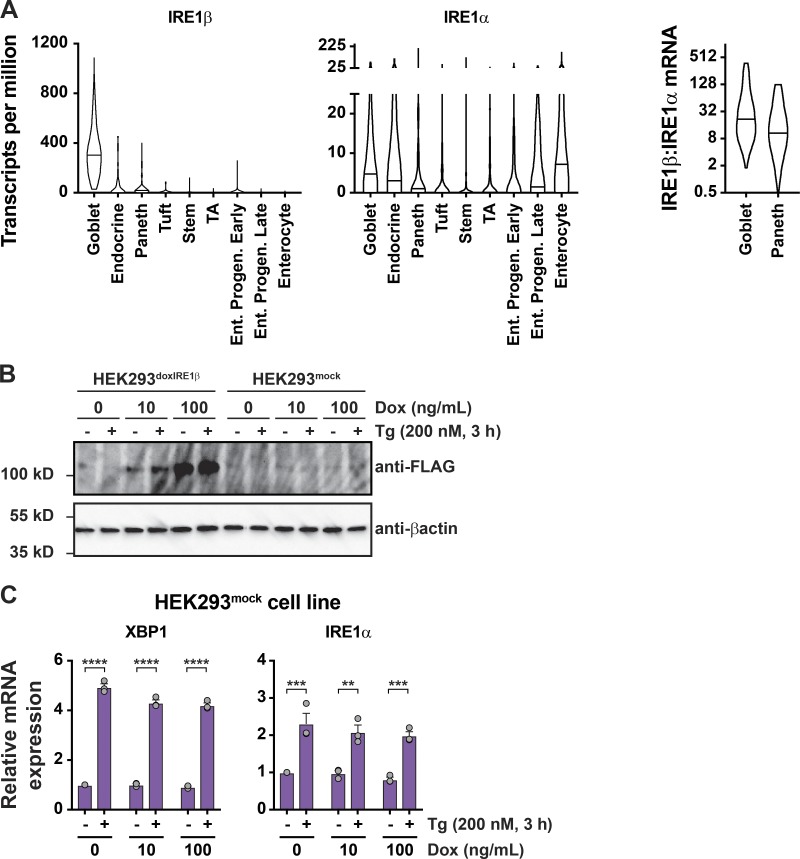
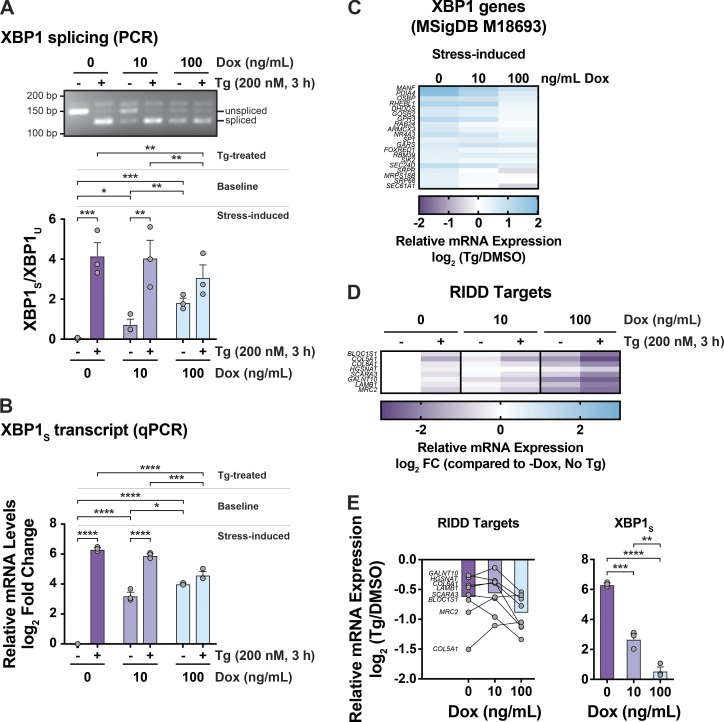
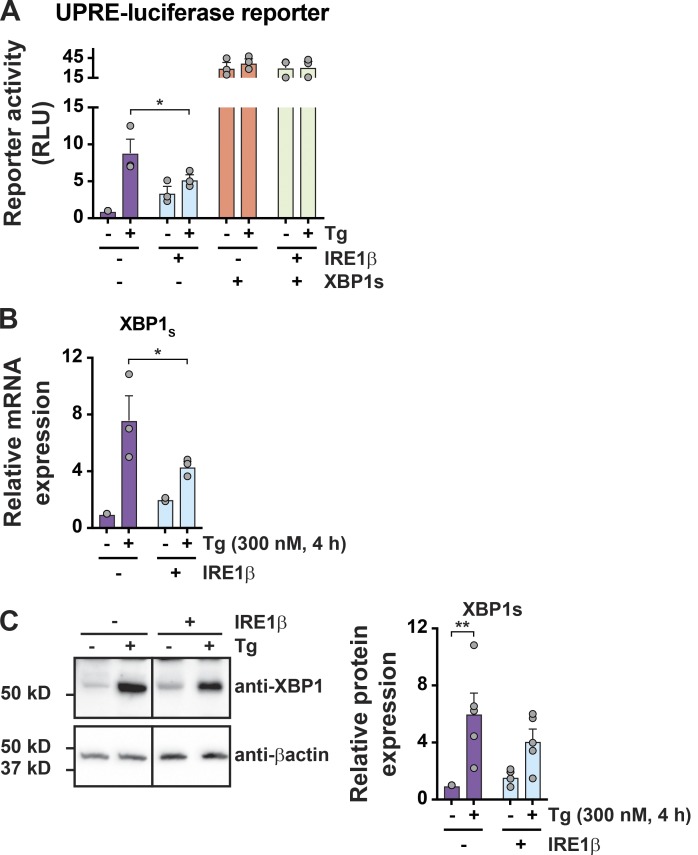
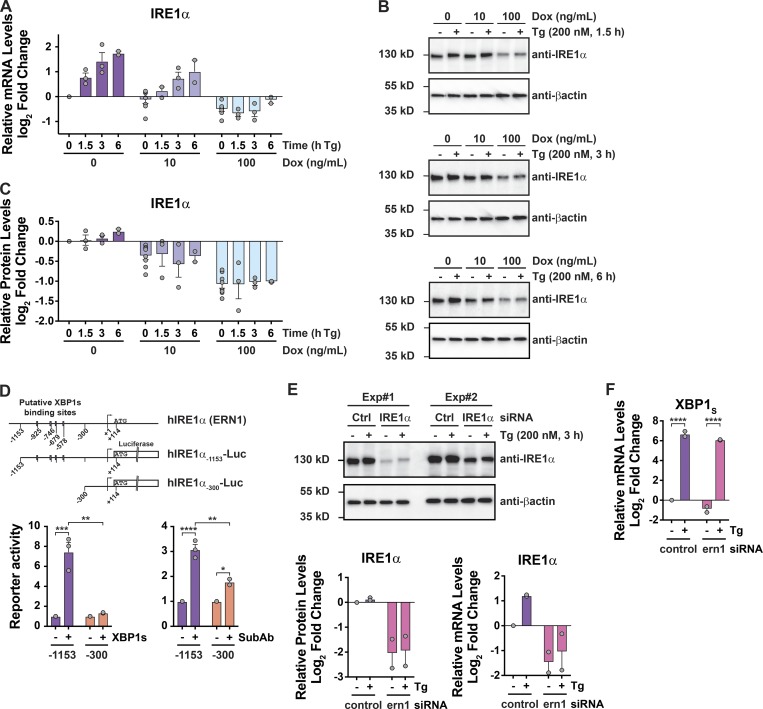
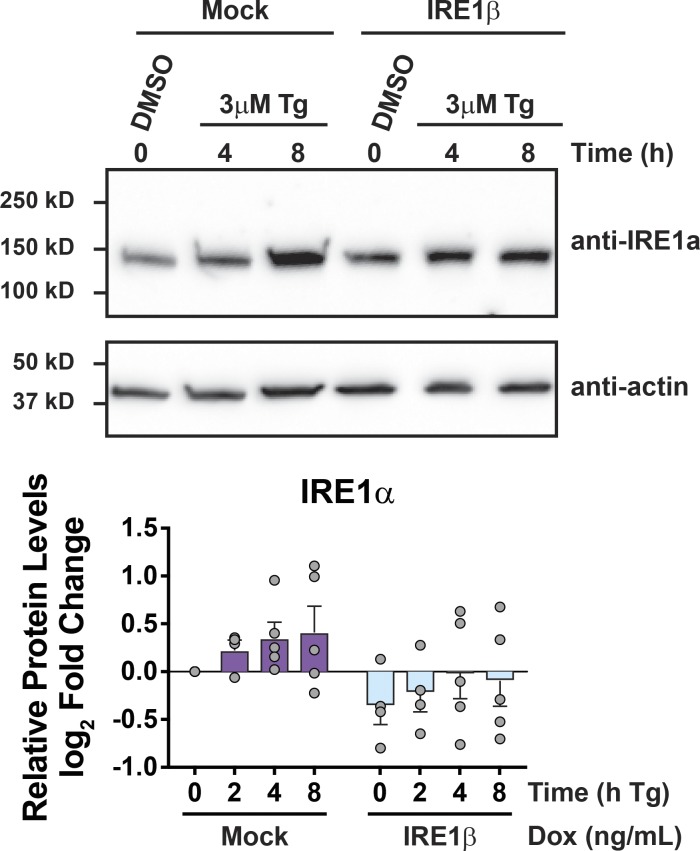
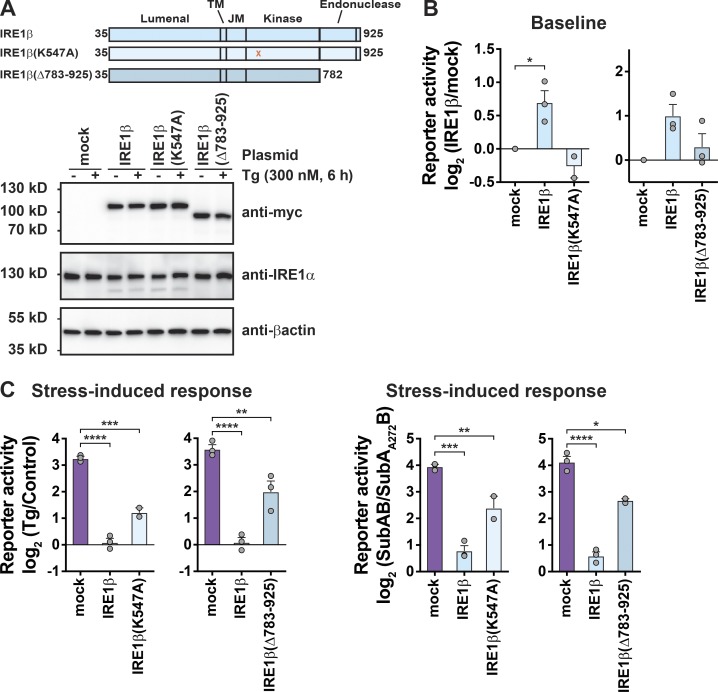
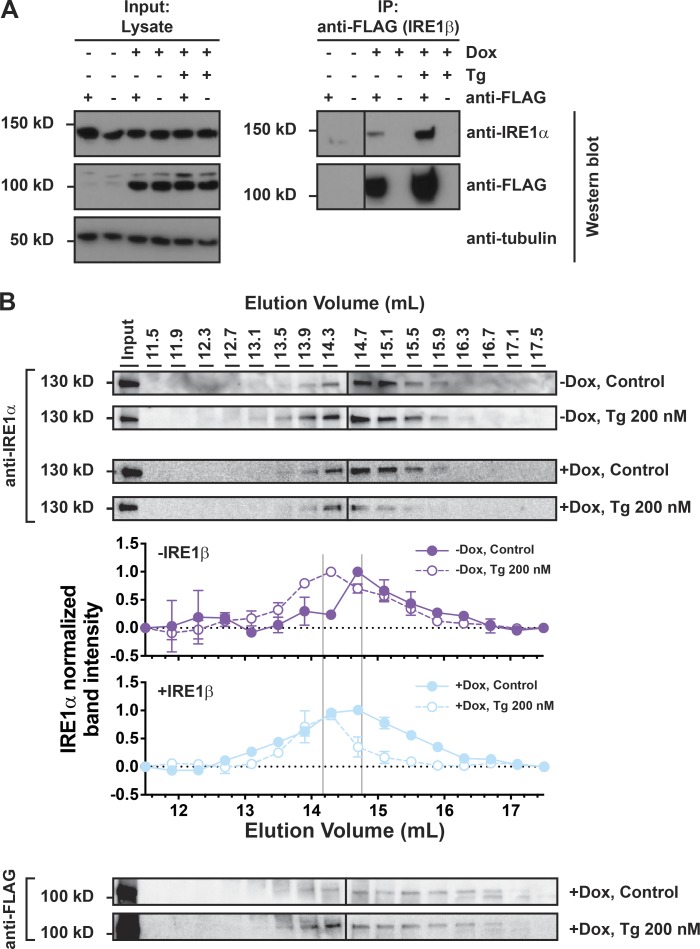
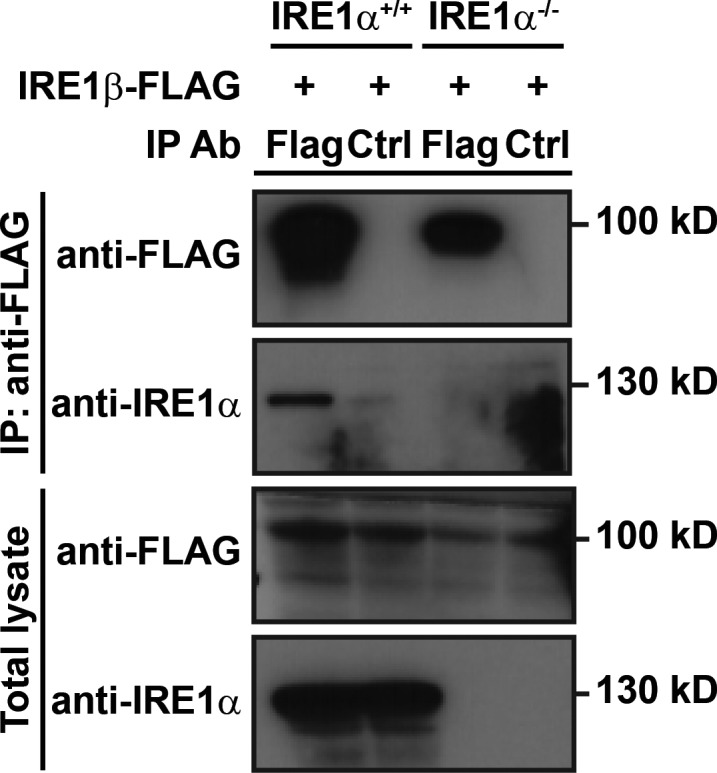
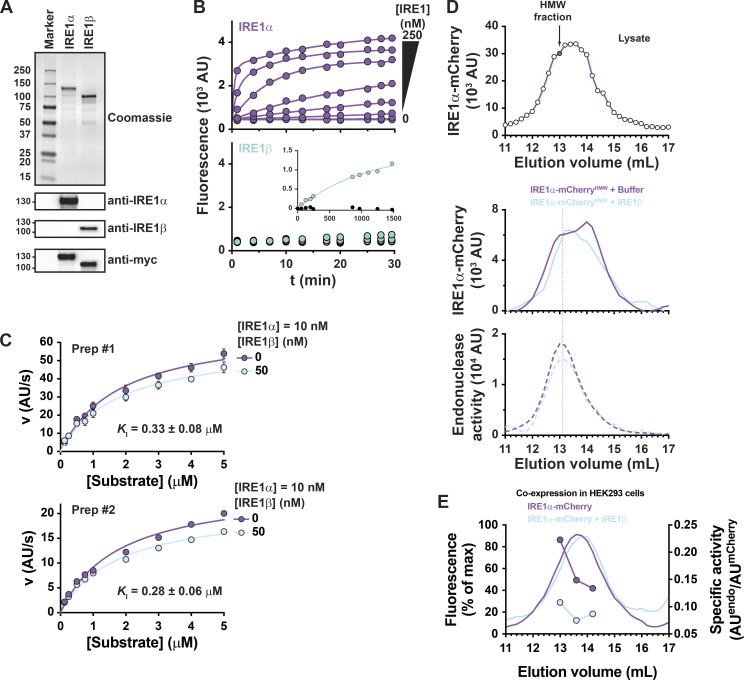
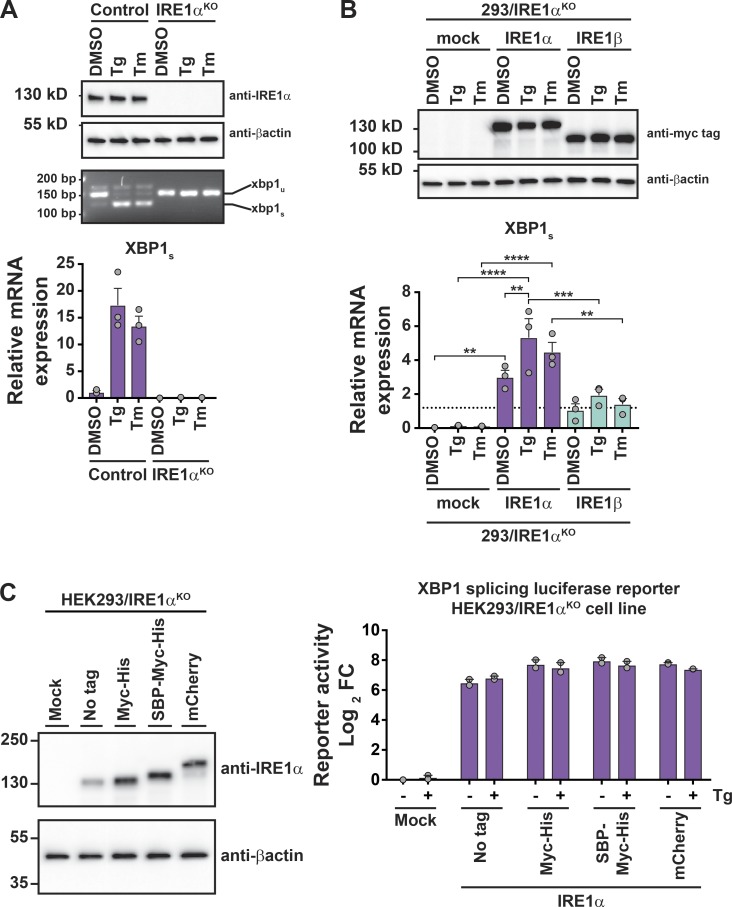
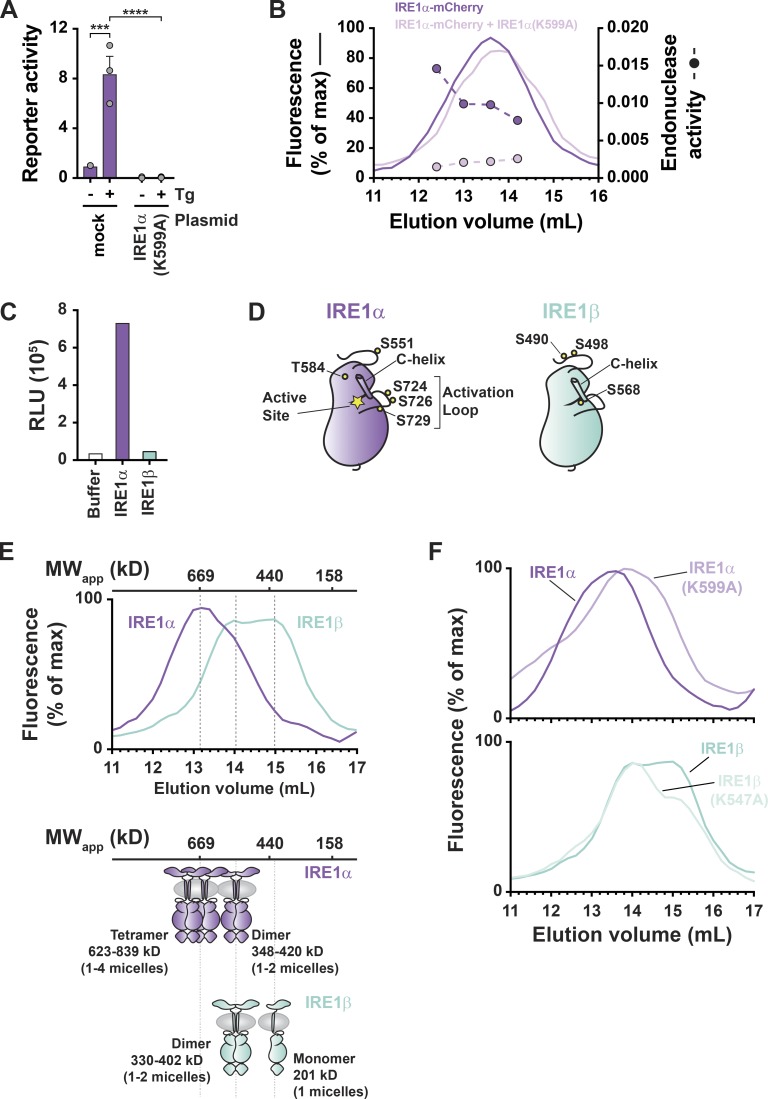
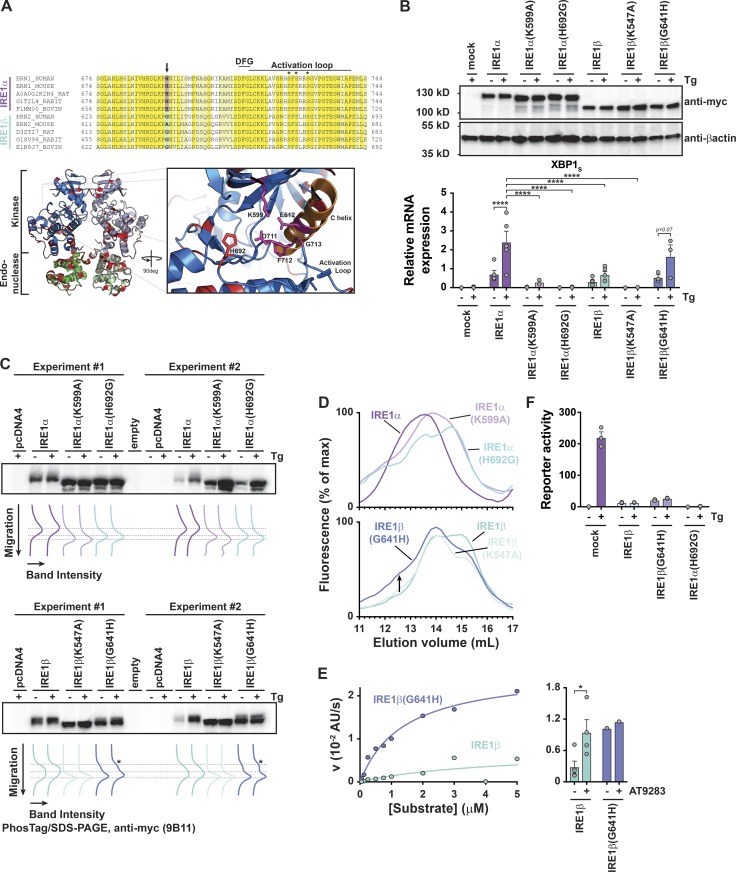
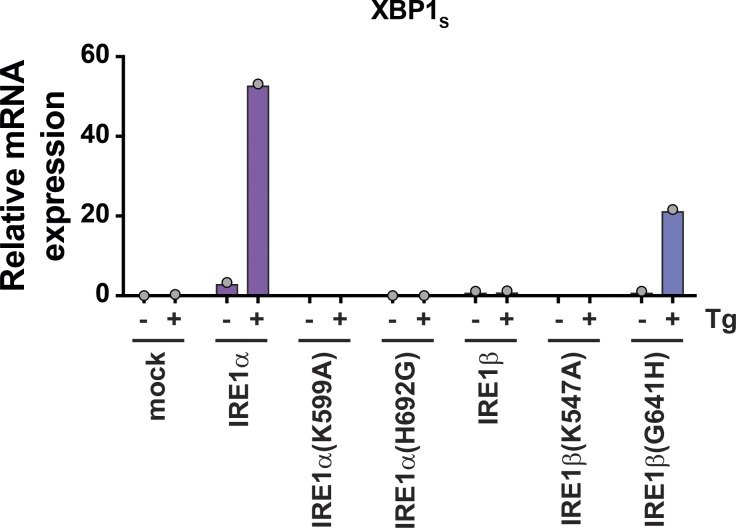
IRE1β is an ER stress sensor uniquely expressed in epithelial cells lining mucosal surfaces. Here, we show that intestinal epithelial cells expressing IRE1β have an attenuated unfolded protein response to ER stress. When modeled in HEK293 cells and with purified protein, IRE1β diminishes expression and inhibits signaling by the closely related stress sensor IRE1α. IRE1β can assemble with and inhibit IRE1α to suppress stress-induced XBP1 splicing, a key mediator of the unfolded protein response. In comparison to IRE1α, IRE1β has relatively weak XBP1 splicing activity, largely explained by a nonconserved amino acid in the kinase domain active site that impairs its phosphorylation and restricts oligomerization. This enables IRE1β to act as a dominant-negative suppressor of IRE1α and affect how barrier epithelial cells manage the response to stress at the host-environment interface.
IRE1β 是一种内质网应激传感器,仅在衬有黏膜表面的上皮细胞中表达。在这里,我们表明表达 IRE1β 的肠上皮细胞对 ER 应激的未折叠蛋白反应减弱。在 HEK293 细胞中建模并使用纯化蛋白时,IRE1β 可降低表达并抑制密切相关的应激传感器 IRE1α 的信号转导。IRE1β 可以与 IRE1α 组装并抑制其活性,从而抑制应激诱导的 XBP1 剪接,这是未折叠蛋白反应的关键介质。与 IRE1α 相比,IRE1β 的 XBP1 剪接活性相对较弱,这主要是由于激酶结构域活性位点中的一个非保守氨基酸残基损害了其磷酸化并限制了寡聚化。这使 IRE1β 能够作为 IRE1α 的显性负抑制剂发挥作用,并影响屏障上皮细胞如何在宿主-环境界面管理应激反应。