Guo Liang
Department of Electrical and Computer Engineering, The Ohio State UniversityColumbus, OH, USA; Department of Neuroscience, The Ohio State UniversityColumbus, OH, USA.
Front Neurosci. 2016 Dec 27;10:599. doi: 10.3389/fnins.2016.00599. eCollection 2016.
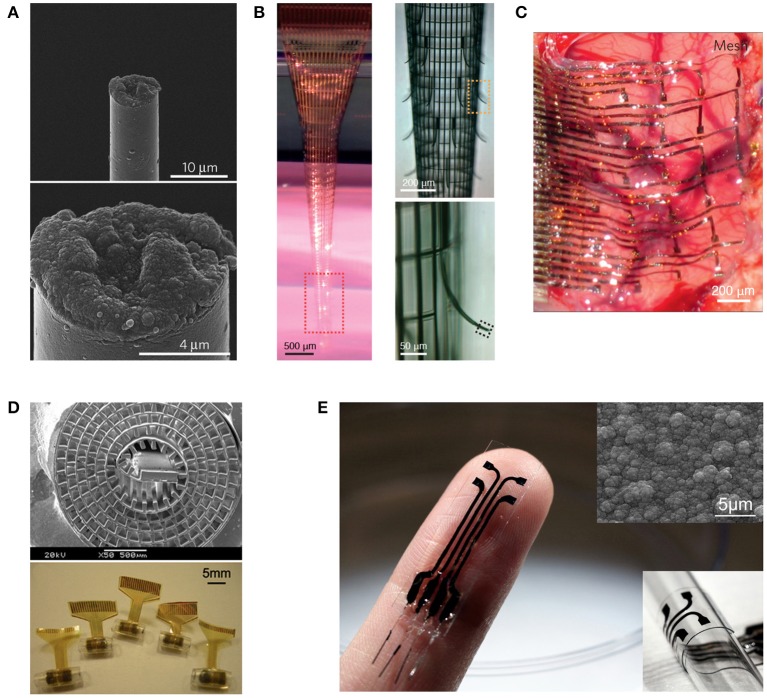
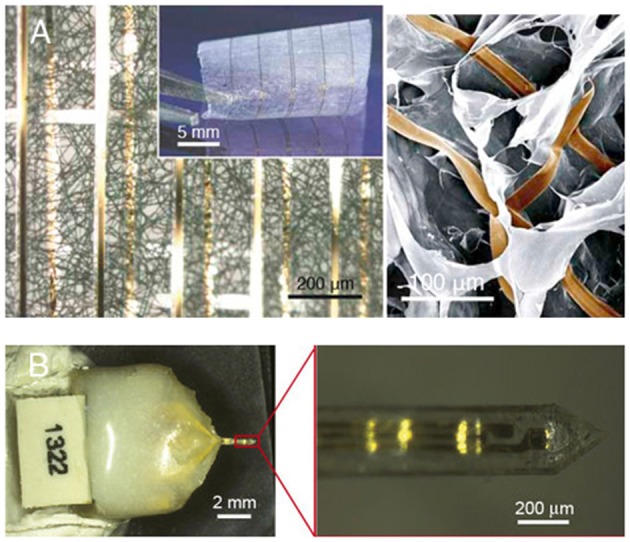
Brain-computer interfaces represent one of the most astonishing technologies in our era. However, the grand challenge of chronic instability and limited throughput of the electrode-tissue interface has significantly hindered the further development and ultimate deployment of such exciting technologies. A multidisciplinary research workforce has been called upon to respond to this engineering need. In this paper, I briefly review this multidisciplinary pursuit of chronically reliable neural interfaces from a materials perspective by analyzing the problem, abstracting the engineering principles, and summarizing the corresponding engineering strategies. I further draw my future perspectives by extending the proposed engineering principles.
脑机接口是我们这个时代最令人惊叹的技术之一。然而,电极与组织界面长期存在的稳定性问题以及有限的通量这一巨大挑战,严重阻碍了这类令人兴奋的技术的进一步发展和最终应用。需要一支多学科研究团队来应对这一工程需求。在本文中,我从材料角度简要回顾了对长期可靠神经接口的多学科探索,通过分析问题、提炼工程原理并总结相应的工程策略。我还通过扩展所提出的工程原理,进一步阐述了我的未来展望。