Gao Wei, Li John Zeng-Hong, Chen Si-Qi, Chu Chiao-Yun, Chan Jimmy Yu-Wai, Wong Thian-Sze
Department of Surgery, The University of Hong Kong, Hong Kong SAR, China.
Department of Otolaryngology, The First People's Hospital of Foshan, Guangdong Province, China.
Cancer Med. 2017 Feb;6(2):439-451. doi: 10.1002/cam4.982. Epub 2017 Jan 13.
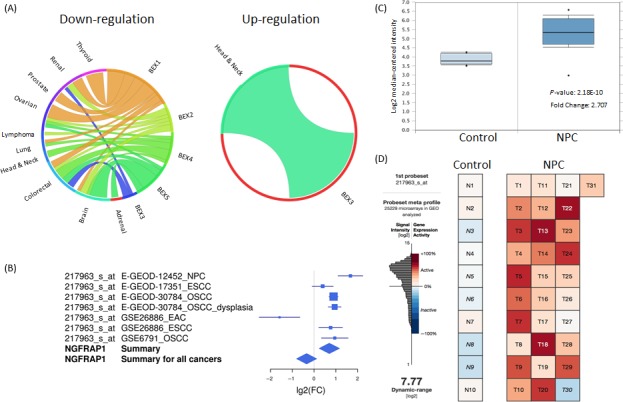
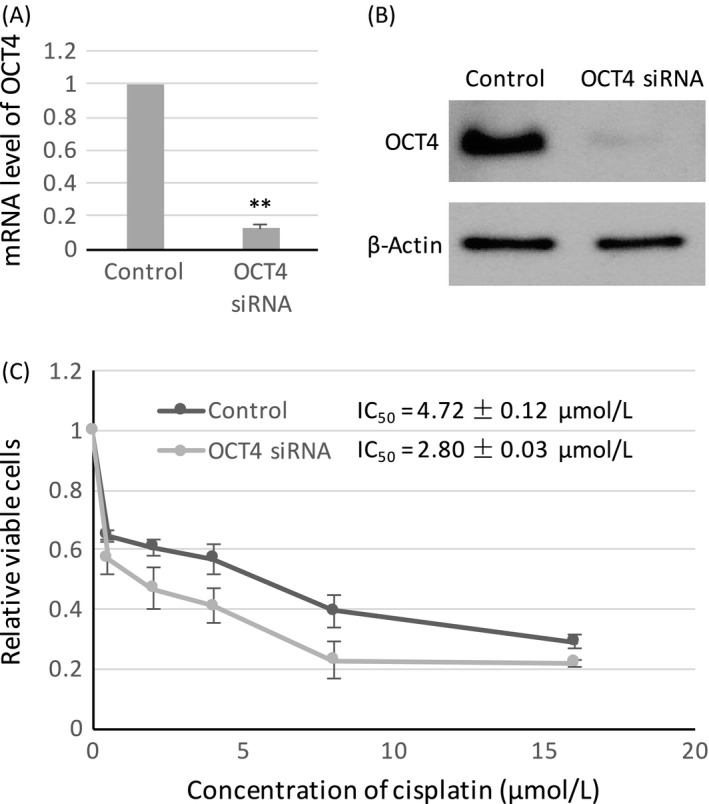
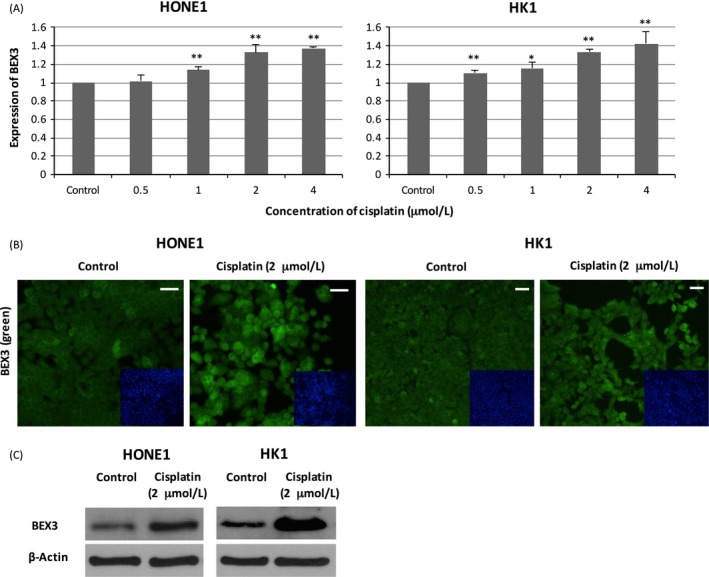
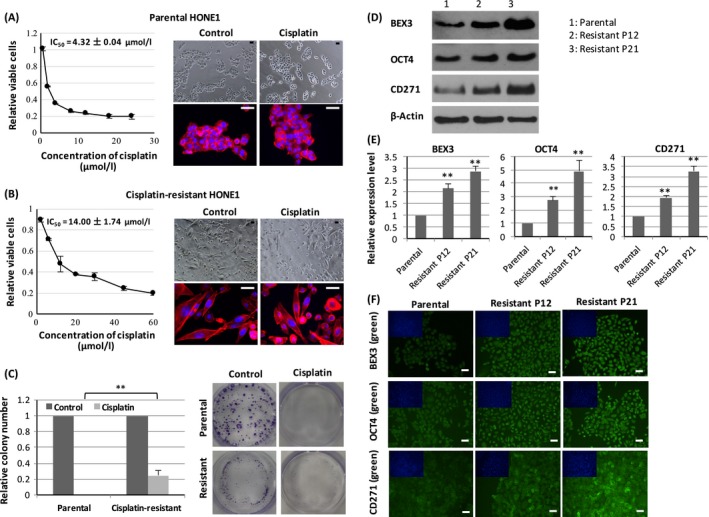
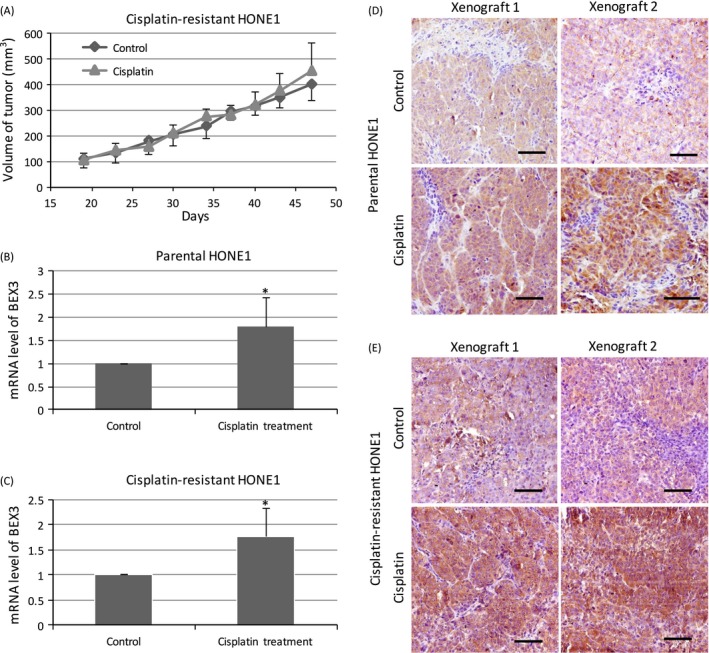
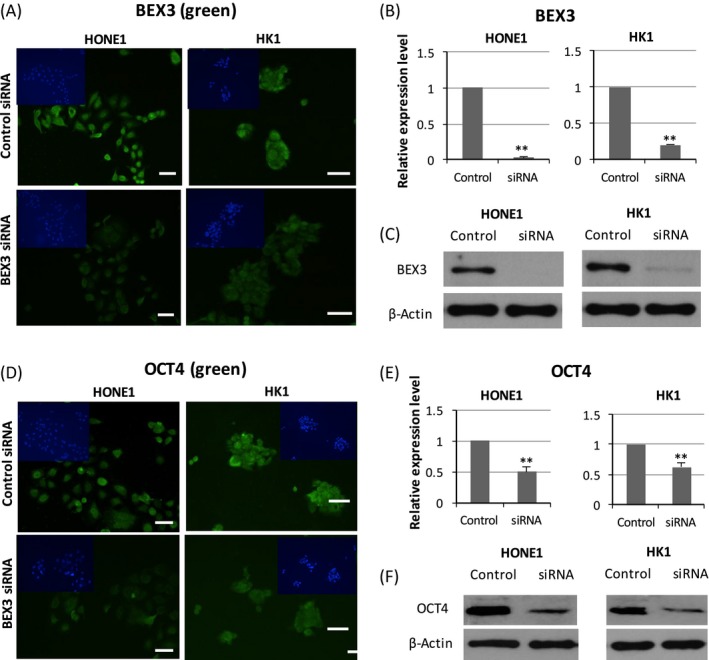
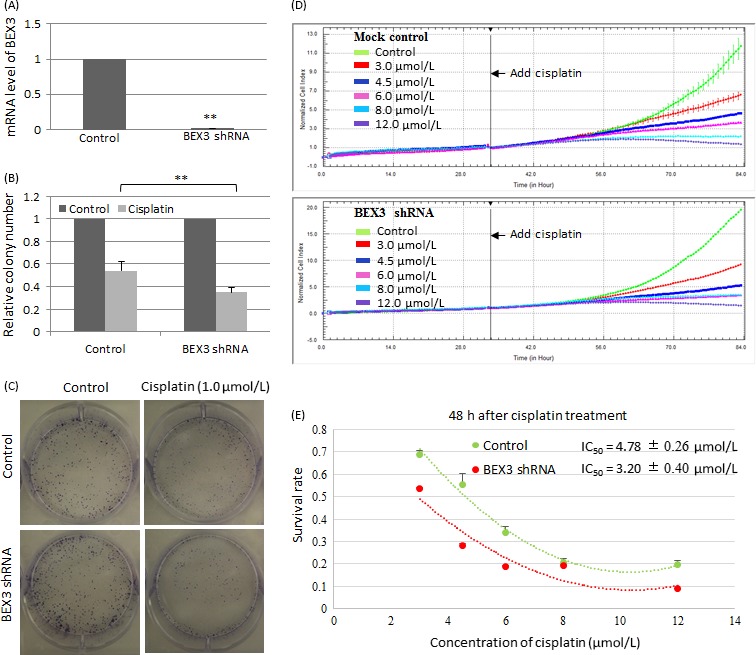
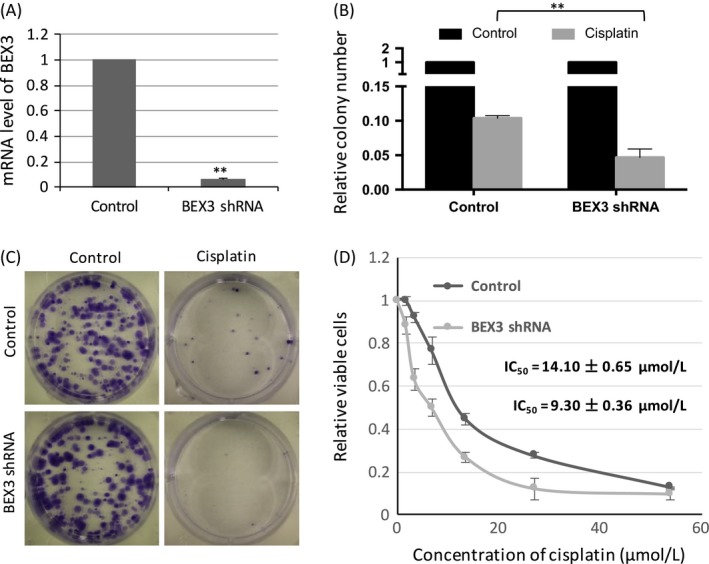
Nasopharyngeal carcinoma (NPC) can develop cisplatin-resistant phenotype. Research has revealed that enriched in cancer stem cell population is involved in developing cisplatin-resistant phenotype. CD271 is a candidate stem cell maker in head and neck cancers. The CD receptor does not possess any enzymatic property. Signal transduction function of CD271 is mediated by the cellular receptor-associated protein. Our data showed that Brain-expressed X-linked 3 (BEX3), a CD271 receptor-associated protein, was overexpressed in NPC. BEX3 overexpression was a unique event in cancer developed in the head and neck regions, especially NPC. BEX3 expression was inducible by cisplatin in NPC. In cisplatin-resistant NPC xenograft, treatment with nontoxic level of cisplatin led to a remarkable increase in BEX3 level. High BEX3 expression was accompanied with high octamer-binding transcription factor 4 (OCT4) expression in cisplatin-resistant NPC. To confirm the inducing role of BEX3 on OCT4 expression, we knockdown BEX3 using siRNA and compared the expression of OCT4 with mock transfectants. Suppressing BEX3 transcripts led to a significant reduction in OCT4. In addition, targeting BEX3 using shRNA could increase the sensitivity of NPC cells to cisplatin. In summary, our results indicated a unique functional role of BEX3 in mediating the sensitivity of NPC cells to cisplatin. Targeting or blocking BEX3 activity might be useful in reversing the cisplatin-resistant phenotype in NPC.
鼻咽癌(NPC)可产生顺铂耐药表型。研究表明,富集于癌干细胞群体与顺铂耐药表型的形成有关。CD271是头颈部癌症中的一种候选干细胞标志物。CD受体不具备任何酶活性。CD271的信号转导功能由细胞受体相关蛋白介导。我们的数据显示,脑表达X连锁3(BEX3),一种CD271受体相关蛋白,在NPC中过表达。BEX3过表达在头颈部区域发生的癌症尤其是NPC中是一个独特的现象。BEX3表达在NPC中可被顺铂诱导。在顺铂耐药的NPC异种移植瘤中,用无毒剂量的顺铂处理导致BEX3水平显著升高。在顺铂耐药的NPC中,高BEX3表达伴随着高八聚体结合转录因子4(OCT4)表达。为了证实BEX3对OCT4表达的诱导作用,我们用小干扰RNA(siRNA)敲低BEX3,并将OCT4的表达与mock转染细胞进行比较。抑制BEX3转录本导致OCT4显著降低。此外,用短发夹RNA(shRNA)靶向BEX3可增加NPC细胞对顺铂的敏感性。总之,我们的结果表明BEX3在介导NPC细胞对顺铂敏感性方面具有独特的功能作用。靶向或阻断BEX3活性可能有助于逆转NPC中的顺铂耐药表型。