Chai Rifai, Naik Ganesh R, Ling Sai Ho, Nguyen Hung T
Centre for Health Technologies, Faculty of Engineering and Information Technology, University of Technology, Sydney, NSW, 2007, Australia.
Biomed Eng Online. 2017 Jan 7;16(1):5. doi: 10.1186/s12938-016-0303-x.
One of the key challenges of the biomedical cyber-physical system is to combine cognitive neuroscience with the integration of physical systems to assist people with disabilities. Electroencephalography (EEG) has been explored as a non-invasive method of providing assistive technology by using brain electrical signals.
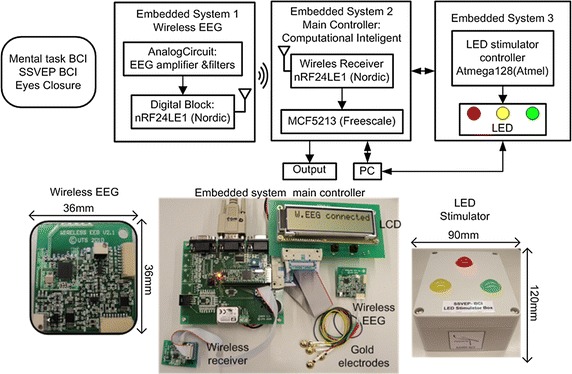
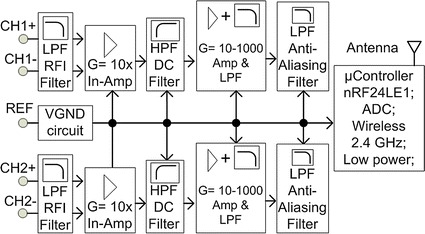
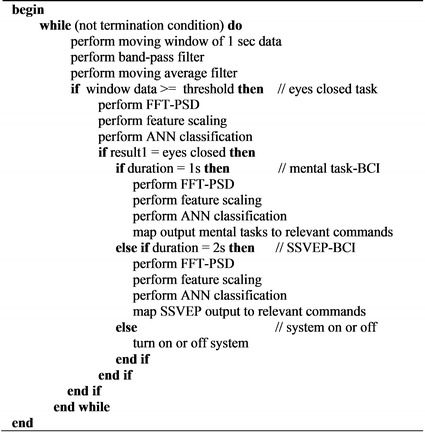
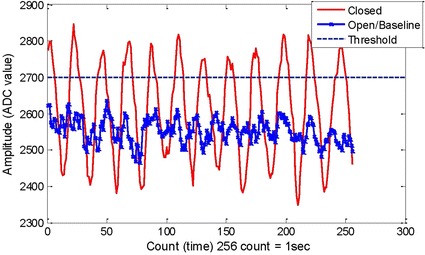
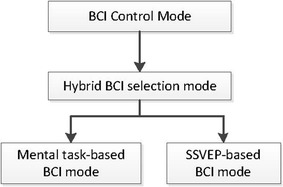
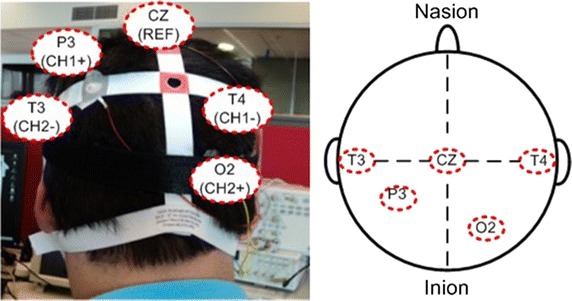
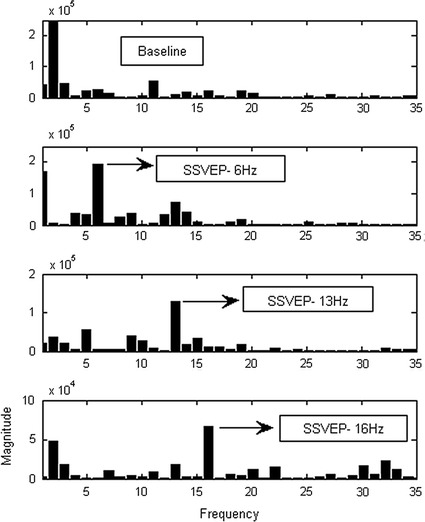
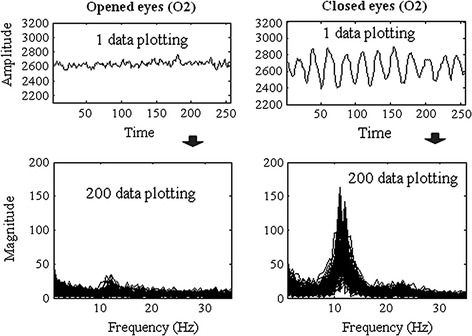
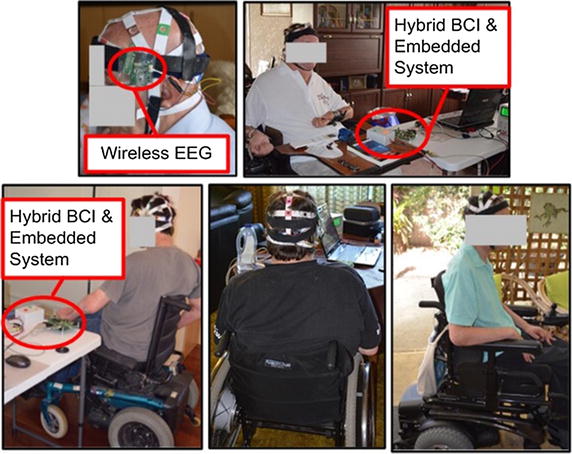
This paper presents a unique prototype of a hybrid brain computer interface (BCI) which senses a combination classification of mental task, steady state visual evoked potential (SSVEP) and eyes closed detection using only two EEG channels. In addition, a microcontroller based head-mounted battery-operated wireless EEG sensor combined with a separate embedded system is used to enhance portability, convenience and cost effectiveness. This experiment has been conducted with five healthy participants and five patients with tetraplegia.
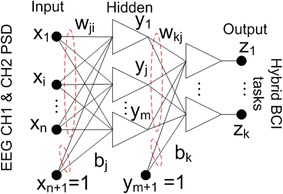
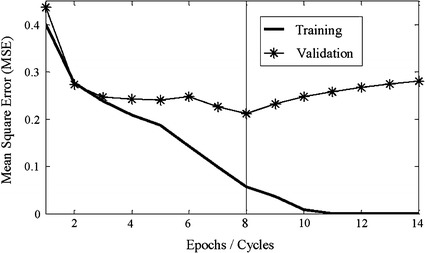
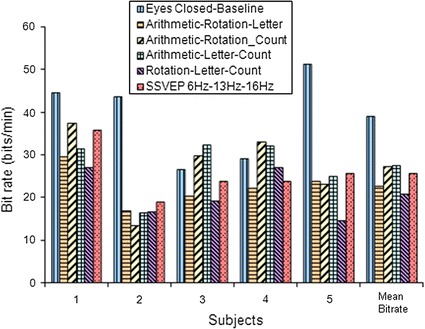
Generally, the results show comparable classification accuracies between healthy subjects and tetraplegia patients. For the offline artificial neural network classification for the target group of patients with tetraplegia, the hybrid BCI system combines three mental tasks, three SSVEP frequencies and eyes closed, with average classification accuracy at 74% and average information transfer rate (ITR) of the system of 27 bits/min. For the real-time testing of the intentional signal on patients with tetraplegia, the average success rate of detection is 70% and the speed of detection varies from 2 to 4 s.
生物医学网络物理系统的关键挑战之一是将认知神经科学与物理系统集成相结合,以帮助残疾人。脑电图(EEG)已被探索作为一种通过使用脑电信号提供辅助技术的非侵入性方法。
本文展示了一种独特的混合脑机接口(BCI)原型,该原型仅使用两个EEG通道来感知心理任务、稳态视觉诱发电位(SSVEP)和闭眼检测的组合分类。此外,基于微控制器的头戴式电池供电无线EEG传感器与单独的嵌入式系统相结合,以提高便携性、便利性和成本效益。该实验针对五名健康参与者和五名四肢瘫痪患者进行。
总体而言,结果显示健康受试者和四肢瘫痪患者之间的分类准确率相当。对于四肢瘫痪患者目标群体的离线人工神经网络分类,混合BCI系统结合了三项心理任务、三个SSVEP频率和闭眼状态,平均分类准确率为74%,系统平均信息传输率(ITR)为27比特/分钟。对于四肢瘫痪患者的意向性信号实时测试,平均检测成功率为70%,检测速度在2至4秒之间。