Haass-Koffler Carolina L, Akhlaghi Fatemeh, Swift Robert M, Leggio Lorenzo
1 Center for Alcohol and Addiction Studies, Department of Psychiatry and Human Behavior, Brown University, Providence, RI, USA.
2 Center for Alcohol and Addiction Studies, Department of Behavioral and Social Sciences, Brown University, Providence, RI, USA.
J Psychopharmacol. 2017 Jul;31(7):812-818. doi: 10.1177/0269881116684338. Epub 2017 Jan 16.
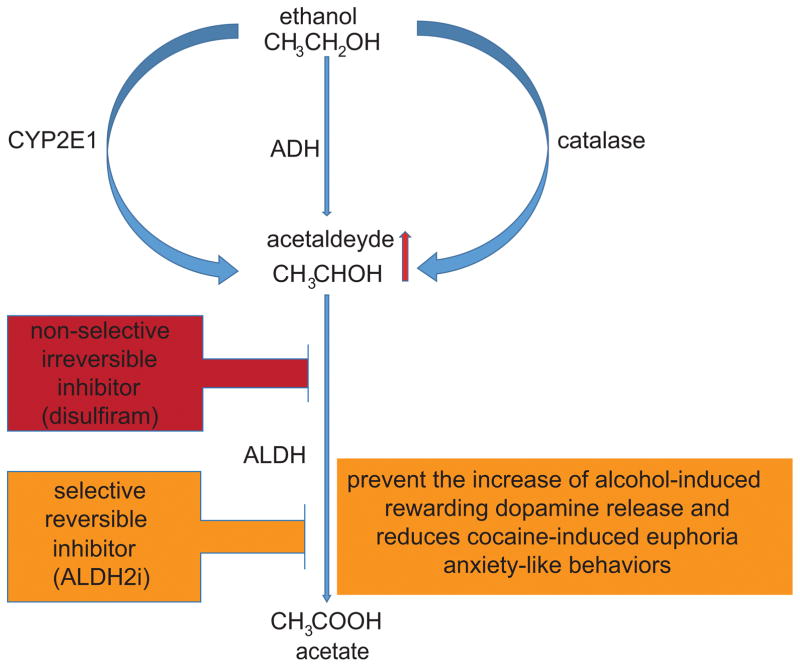
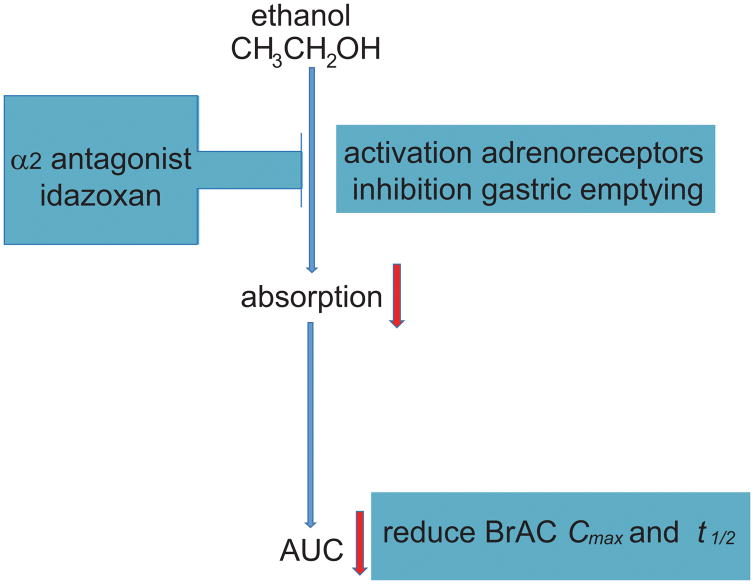
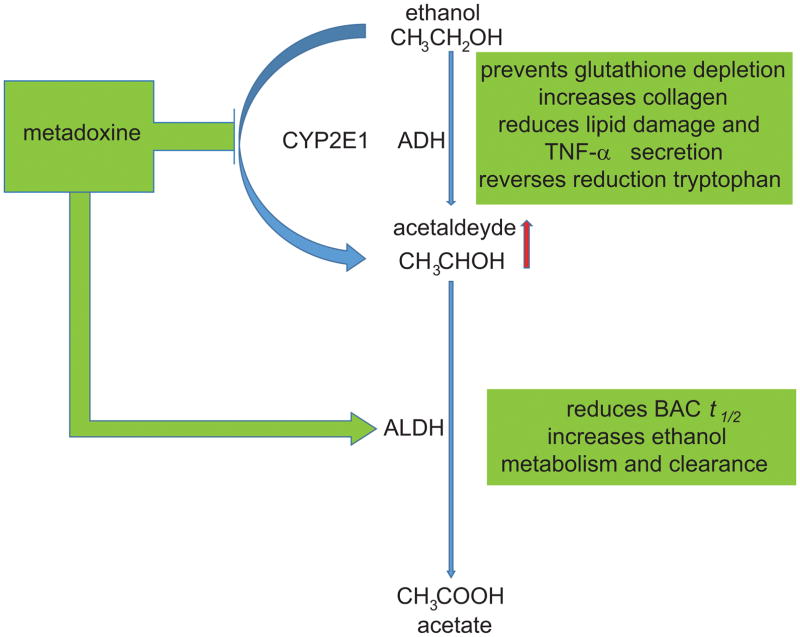
Disulfiram was the first pharmacotherapy approved to treat alcohol use disorder in the 1950s. Disulfiram alters ethanol pharmacokinetics and causes uncomfortable reactions (e.g. headache, tachycardia, nausea, flushing and hypotension) when alcohol is consumed. Subsequently, a better understanding of the neurobiological pathways involved in alcohol use disorder led to the development of other medications (e.g. naltrexone and acamprosate). These neurobiological-based medications act on alcohol use disorder-related phenotypes including craving, stress, and/or withdrawal. The original approach to treat alcohol use disorder, by altering ethanol pharmacokinetics has been much less investigated. Recent research on ethanol pharmacokinetics has shed light on the mechanisms of action underlying alcohol use disorder and how some medications that alter ethanol pharmacokinetics may be helpful in treating alcohol use disorder. This review summarizes and discusses the complex pharmacokinetics of ethanol, and proposes that altering ethanol pharmacokinetics via novel pharmacological approaches may be a viable approach to treat alcohol use disorder.
双硫仑是20世纪50年代首个被批准用于治疗酒精使用障碍的药物疗法。双硫仑会改变乙醇的药代动力学,并在饮酒时引发不适反应(如头痛、心动过速、恶心、脸红和低血压)。随后,对酒精使用障碍所涉及的神经生物学途径有了更深入的了解,从而研发出了其他药物(如纳曲酮和阿坎酸)。这些基于神经生物学的药物作用于与酒精使用障碍相关的表型,包括渴望、压力和/或戒断反应。通过改变乙醇药代动力学来治疗酒精使用障碍的最初方法较少受到研究。最近关于乙醇药代动力学的研究揭示了酒精使用障碍背后的作用机制,以及一些改变乙醇药代动力学的药物如何可能有助于治疗酒精使用障碍。本综述总结并讨论了乙醇复杂的药代动力学,并提出通过新型药理学方法改变乙醇药代动力学可能是治疗酒精使用障碍的一种可行方法。