Lunenfeld-Tanenbaum Research Institute, Room 876, Mount Sinai Hospital, 600 University Avenue, Toronto, ON M5G 1X5, Canada.
Department of Molecular Genetics, University of Toronto, 1 King's Crescent, Toronto, ON M5S 1A8, Canada.
Dis Model Mech. 2017 May 1;10(5):581-595. doi: 10.1242/dmm.027433. Epub 2017 Jan 12.
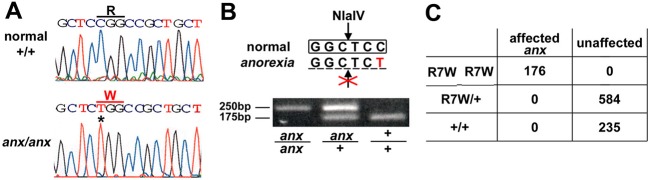
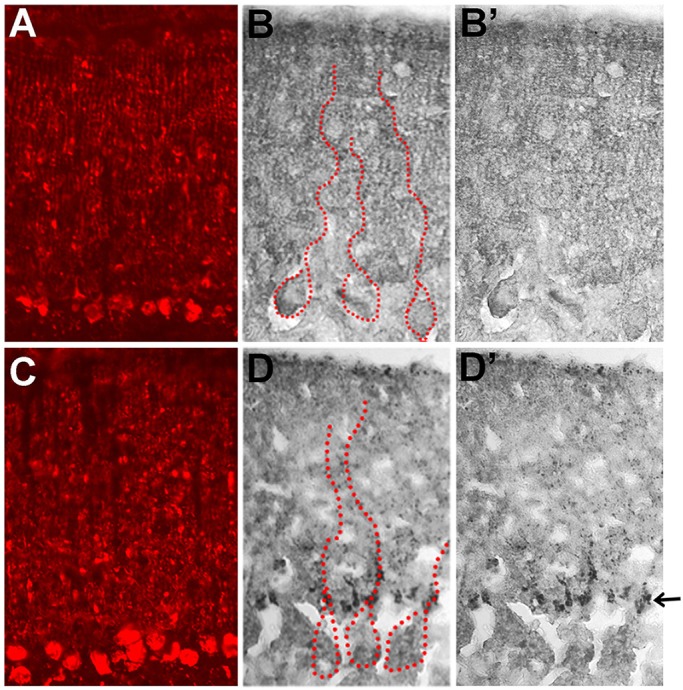
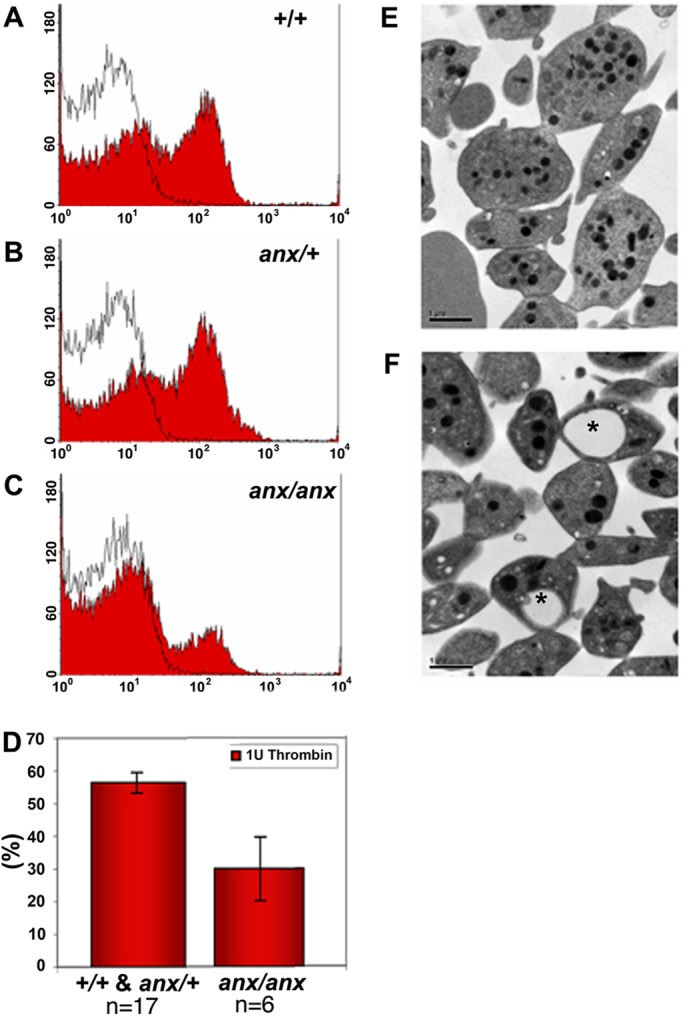
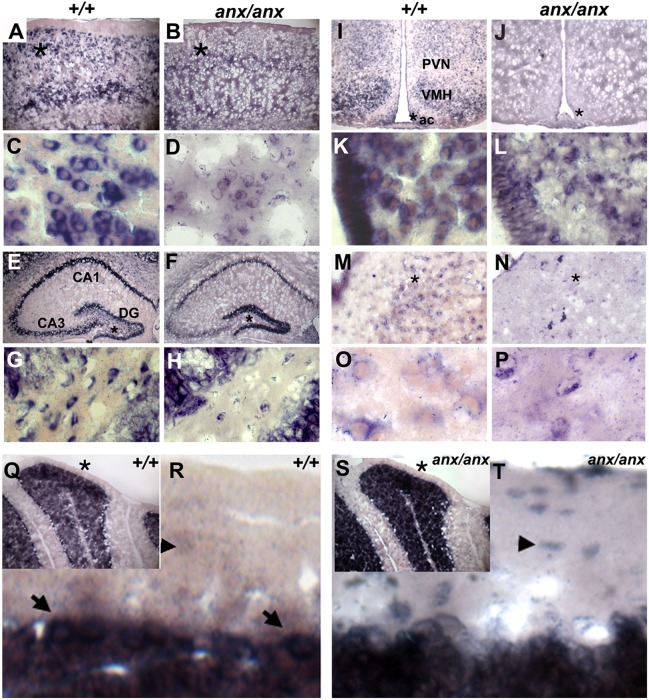
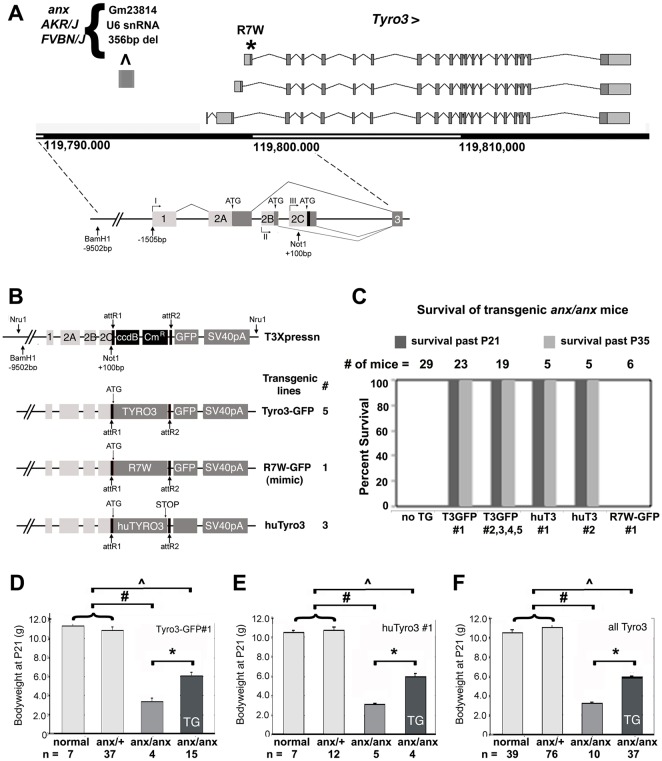
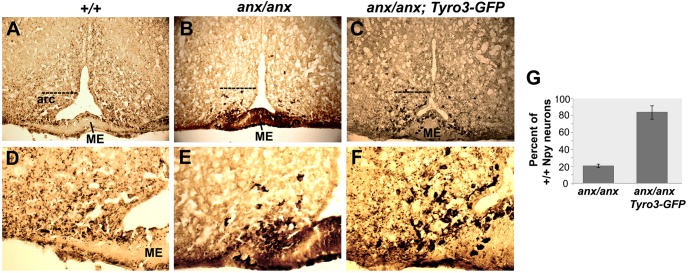
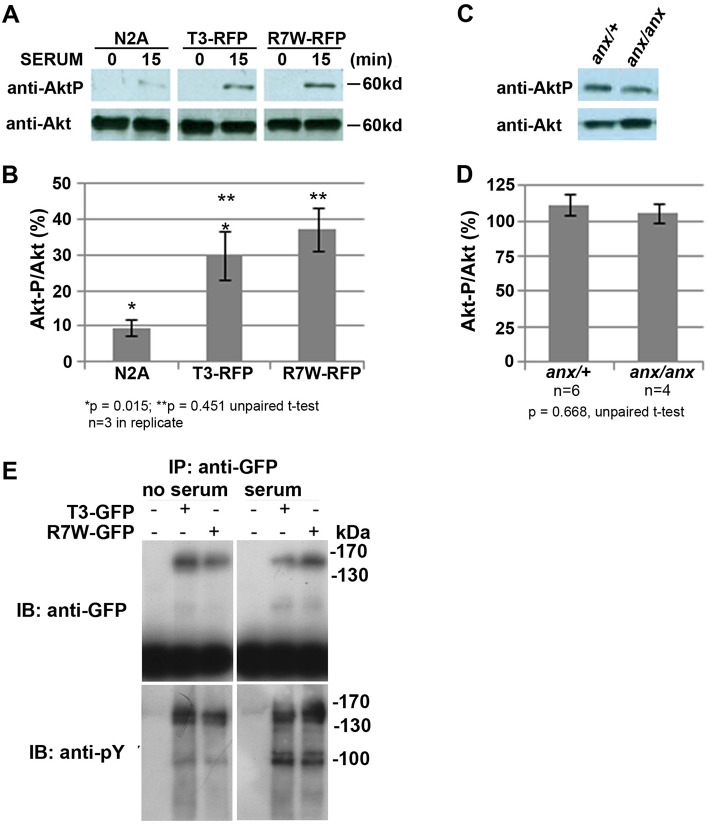
Severe appetite and weight loss define the eating disorder anorexia nervosa, and can also accompany the progression of some neurodegenerative disorders such as amyotrophic lateral sclerosis (ALS). Although acute loss of hypothalamic neurons that produce appetite-stimulating neuropeptide Y (Npy) and agouti-related peptide (Agrp) in adult mice or in mice homozygous for the anorexia () mutation causes aphagia, our understanding of the factors that help maintain appetite regulatory circuitry is limited. Here we identify a mutation (C19T) that converts an arginine to a tryptophan (R7W) in the TYRO3 protein tyrosine kinase 3 () gene, which resides within the critical interval, as contributing to the severity of phenotypes. Our observation that, like mice, mice exhibit abnormal secondary platelet aggregation suggested that the C19T variant might have functional consequences. is expressed in the hypothalamus and other brain regions affected by the mutation, and its mRNA localization appeared abnormal in brains by postnatal day 19 (P19). The presence of wild-type transgenes, but not an transgene, doubled the weight and lifespans of mice and near-normal numbers of hypothalamic Npy-expressing neurons were present in -transgenic mice at P19. Although no differences in R7W-Tyro3 signal sequence function or protein localization were discernible , distribution of R7W-Tyro3 protein differed from that of Tyro3 protein in the cerebellum of transgenic wild-type mice. Thus, R7W-Tyro3 protein localization deficits are only detectable Further analyses revealed that the C19T mutation is present in a few other mouse strains, and hence is not the causative mutation, but rather an modifier. Our work shows that Tyro3 has prosurvival roles in the appetite regulatory circuitry and could also provide useful insights towards the development of interventions targeting detrimental weight loss.
严重的食欲减退和体重下降定义了神经性厌食症,也可能伴随着一些神经退行性疾病的进展,如肌萎缩侧索硬化症(ALS)。虽然成年小鼠或厌食症()突变纯合子小鼠下丘脑产生食欲刺激神经肽 Y(Npy)和刺鼠相关肽(Agrp)的神经元急性丧失会导致厌食症,但我们对有助于维持食欲调节回路的因素的了解有限。在这里,我们确定了一个突变(C19T),它将 TYRO3 蛋白酪氨酸激酶 3()基因中的精氨酸转换为色氨酸(R7W),该基因位于关键区间内,导致 表型的严重程度增加。我们观察到,与 小鼠一样, 小鼠表现出异常的二次血小板聚集,这表明 C19T 变体可能具有功能后果。在 突变影响的下丘脑和其他脑区表达,并且其 mRNA 定位在出生后第 19 天(P19)在 大脑中出现异常。野生型 转基因的存在,但不是 转基因的存在,使 小鼠的体重和寿命增加了一倍,并且在 P19 时 -转基因 小鼠的下丘脑 Npy 表达神经元数量接近正常。尽管在 R7W-Tyro3 信号序列功能或蛋白质定位方面没有发现差异 ,但在转基因野生型小鼠的小脑中转基因 R7W-Tyro3 蛋白的分布与 Tyro3 蛋白不同。因此,R7W-Tyro3 蛋白定位缺陷仅在转基因野生型小鼠中可检测到 进一步的分析表明,C19T 突变存在于其他几种小鼠品系中,因此不是致病突变,而是 修饰突变。我们的工作表明,Tyro3 在食欲调节回路中具有生存促进作用,并且还可以为针对有害体重减轻的干预措施的开发提供有用的见解。