Narayanan Meena, Freidl Raphaela, Focke-Tejkl Margarete, Baranyi Ulrike, Wekerle Thomas, Valenta Rudolf, Linhart Birgit
Division of Immunopathology, Department of Pathophysiology and Allergy Research, Center for Pathophysiology, Infectiology, and Immunology, Medical University of Vienna, 1090 Vienna, Austria; and.
Section of Transplantation Immunology, Department of Surgery, Medical University of Vienna, 1090 Vienna, Austria.
J Immunol. 2017 Feb 15;198(4):1685-1695. doi: 10.4049/jimmunol.1501741. Epub 2017 Jan 16.
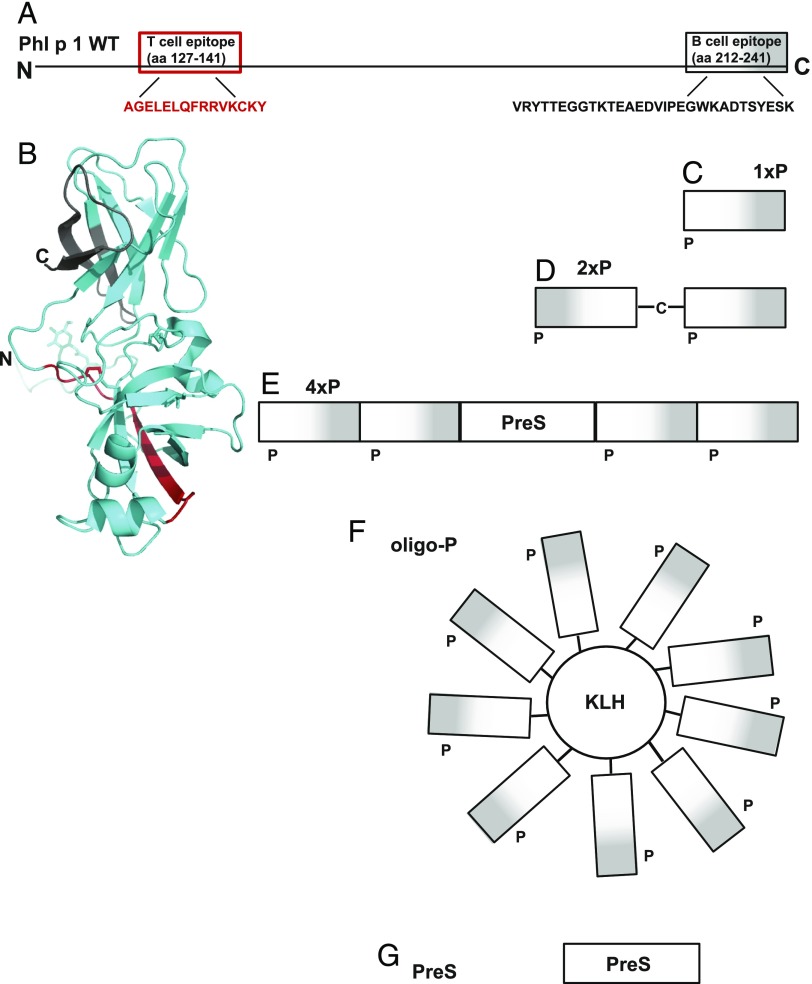
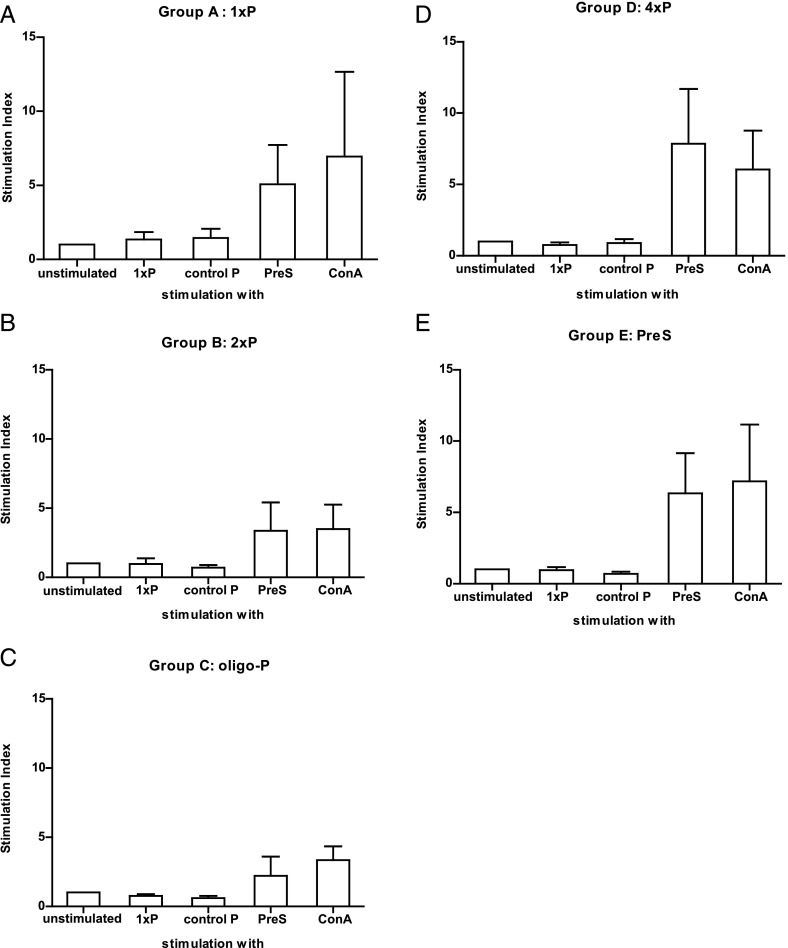
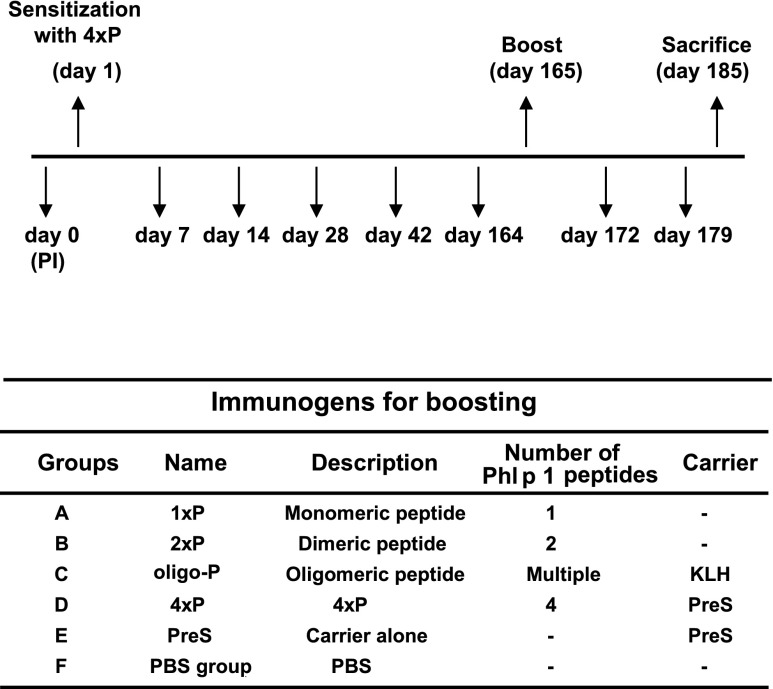
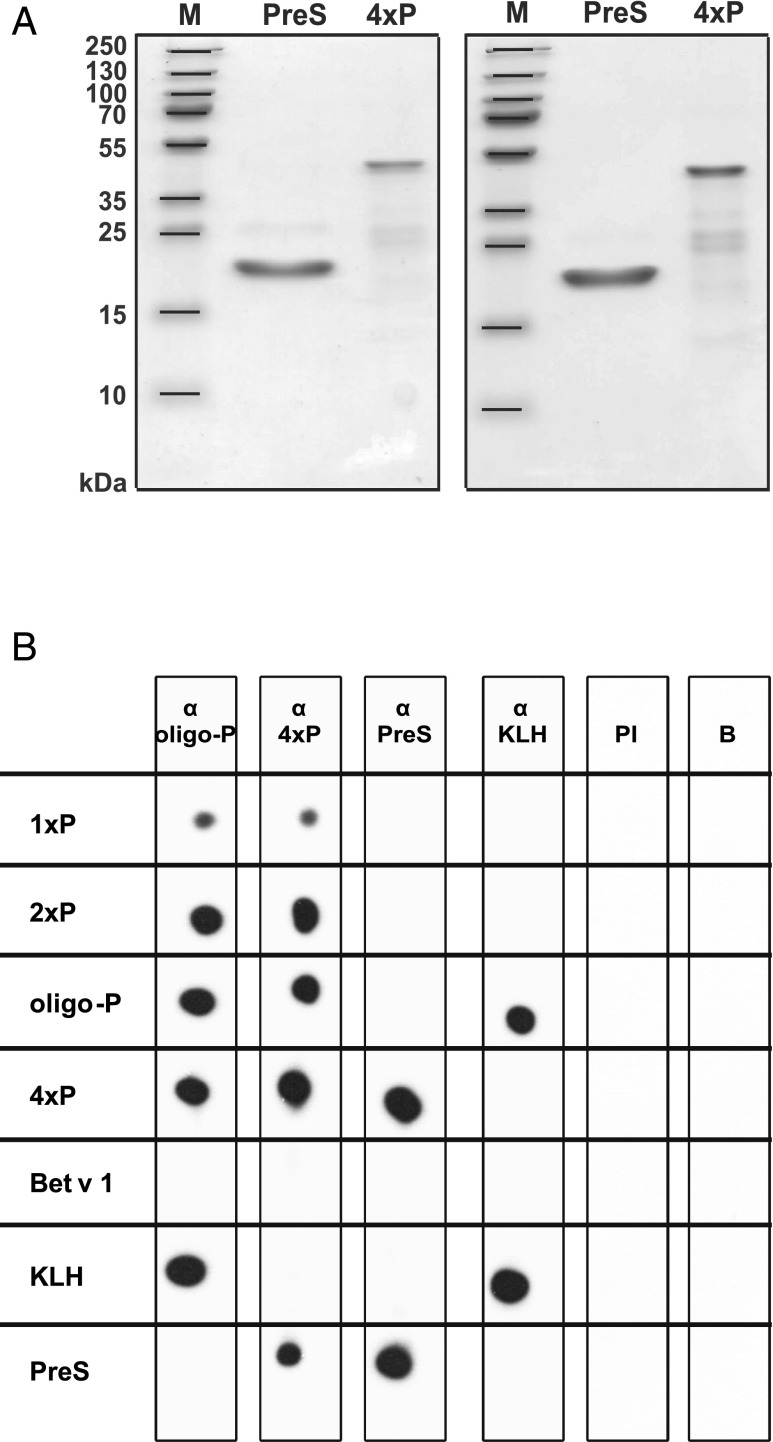
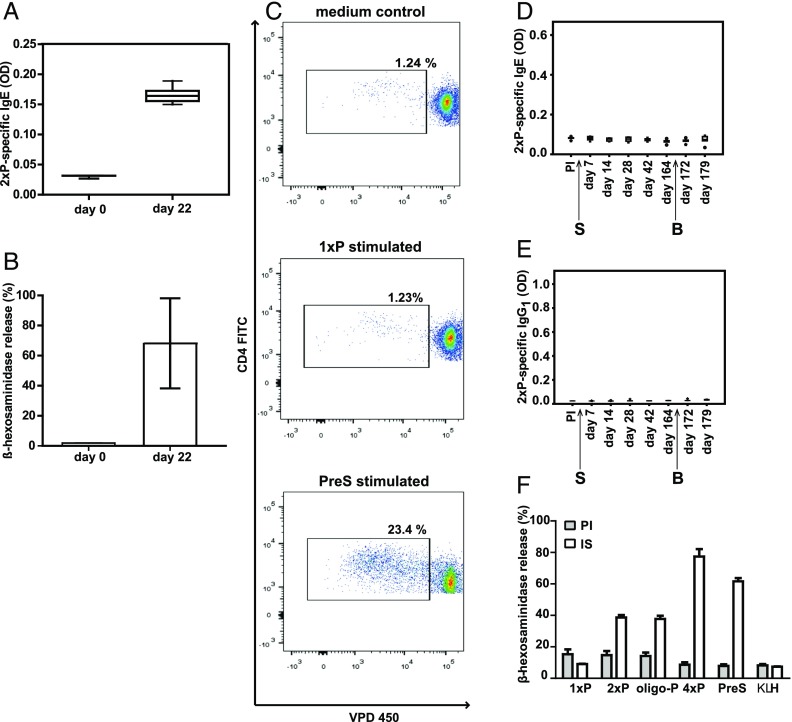
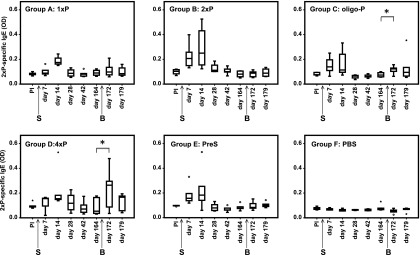
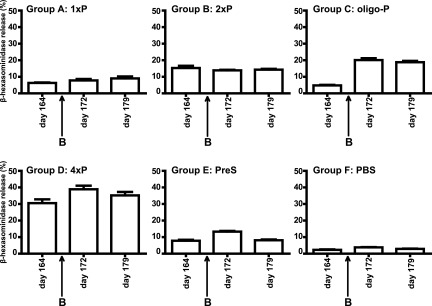
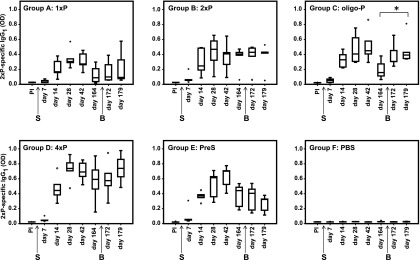
More than 40% of allergic patients suffer from grass pollen allergy. Phl p 1, the major timothy grass pollen allergen, belongs to the cross-reactive group 1 grass pollen allergens that are thought to initiate allergic sensitization to grass pollen. Repeated allergen encounter boosts allergen-specific IgE production and enhances clinical sensitivity in patients. To investigate immunological mechanisms underlying the boosting of allergen-specific secondary IgE Ab responses and the allergen epitopes involved, a murine model for Phl p 1 was established. A B cell epitope-derived peptide of Phl p 1 devoid of allergen-specific T cell epitopes, as recognized by BALB/c mice, was fused to an allergen-unrelated carrier in the form of a recombinant fusion protein and used for sensitization. This fusion protein allowed the induction of allergen-specific IgE Ab responses without allergen-specific T cell help. Allergen-specific Ab responses were subsequently boosted with molecules containing the B cell epitope-derived peptide without carrier or linked to other allergen-unrelated carriers. Oligomeric peptide bound to a carrier different from that which had been used for sensitization boosted allergen-specific secondary IgE responses without a detectable allergen-specific T cell response. Our results indicate that allergen-specific secondary IgE Ab responses can be boosted by repetitive B cell epitopes without allergen-specific T cell help by cross-linking of the B cell epitope receptor. This finding has important implications for the design of new allergy vaccines.
超过40%的过敏患者患有草花粉过敏症。Phl p 1是梯牧草花粉的主要过敏原,属于交叉反应性第1组草花粉过敏原,被认为会引发对草花粉的过敏致敏。反复接触过敏原会增加过敏原特异性IgE的产生,并增强患者的临床敏感性。为了研究过敏原特异性二级IgE抗体反应增强的免疫机制以及所涉及的过敏原表位,建立了一个针对Phl p 1的小鼠模型。将一种缺乏过敏原特异性T细胞表位的Phl p 1的B细胞表位衍生肽(如BALB/c小鼠所识别的)以重组融合蛋白的形式与一种与过敏原无关的载体融合,并用于致敏。这种融合蛋白能够在没有过敏原特异性T细胞辅助的情况下诱导产生过敏原特异性IgE抗体反应。随后,用含有B细胞表位衍生肽但无载体或与其他与过敏原无关的载体相连的分子来增强过敏原特异性抗体反应。与用于致敏的载体不同的载体结合的寡聚肽增强了过敏原特异性二级IgE反应,且未检测到过敏原特异性T细胞反应。我们的结果表明,通过B细胞表位受体的交联,重复性B细胞表位可在没有过敏原特异性T细胞辅助的情况下增强过敏原特异性二级IgE抗体反应。这一发现对新型过敏疫苗的设计具有重要意义。