Wang Kevin K, Metlapally Ravikanth, Wildsoet Christine F
a Berkeley School of Optometry , University of California , Berkeley , CA , USA.
b Berkeley Vision Science , University of California , Berkeley , CA , USA.
Curr Eye Res. 2017 Jun;42(6):857-863. doi: 10.1080/02713683.2016.1262045. Epub 2017 Jan 17.
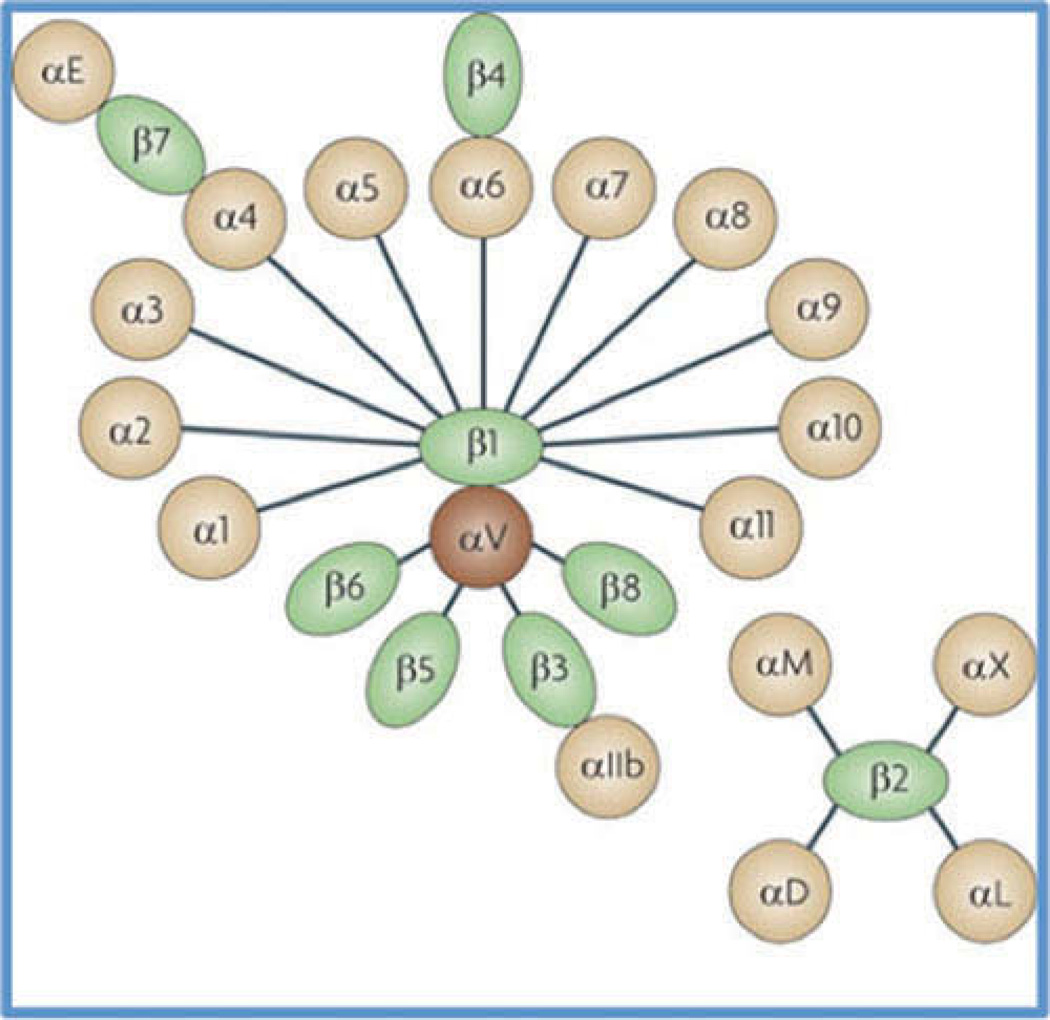
The ocular dimensional changes in myopia reflect increased scleral remodeling, and in high myopia, loss of scleral integrity leads to biomechanical weakening and continued scleral creep. As integrins, a type of cell surface receptors, have been linked to scleral remodeling, they represent potential targets for myopia therapies. As a first step, this study aimed to characterize the integrin subunits at the messenger RNA level in the sclera of the guinea pig, a more recently added but increasingly used animal model for myopia research.
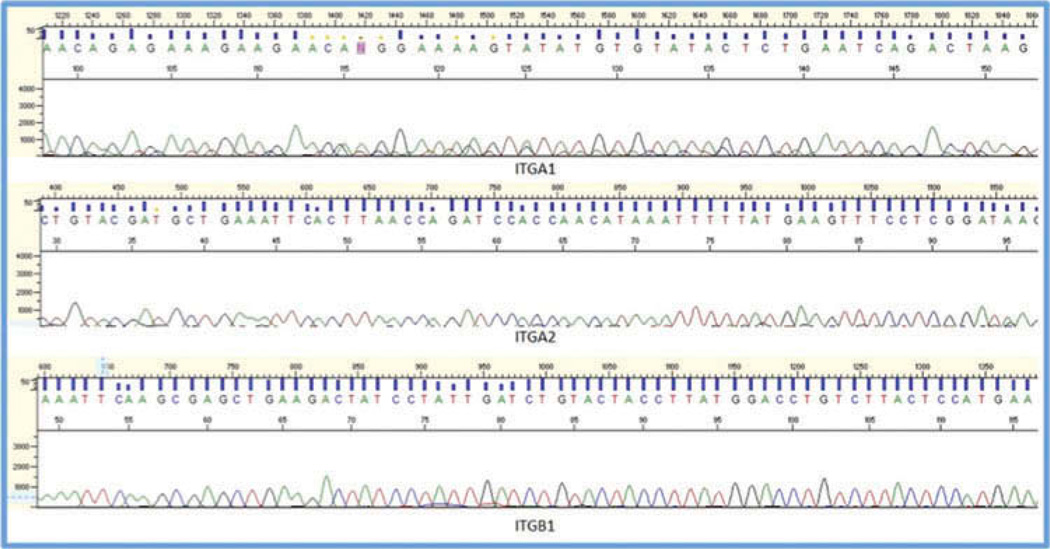
Primers for α and β integrin subunits were designed using NCBI/UCSC Genome Browser and Primer3 software tools. Total RNA was extracted from normal scleral tissue and isolated cultured scleral fibroblasts, as well as liver and lung, as reference tissues, all from guinea pig. cDNA was produced by reverse transcription, PCR was used to amplify products of predetermined sizes, and products were sequenced using standard methods.
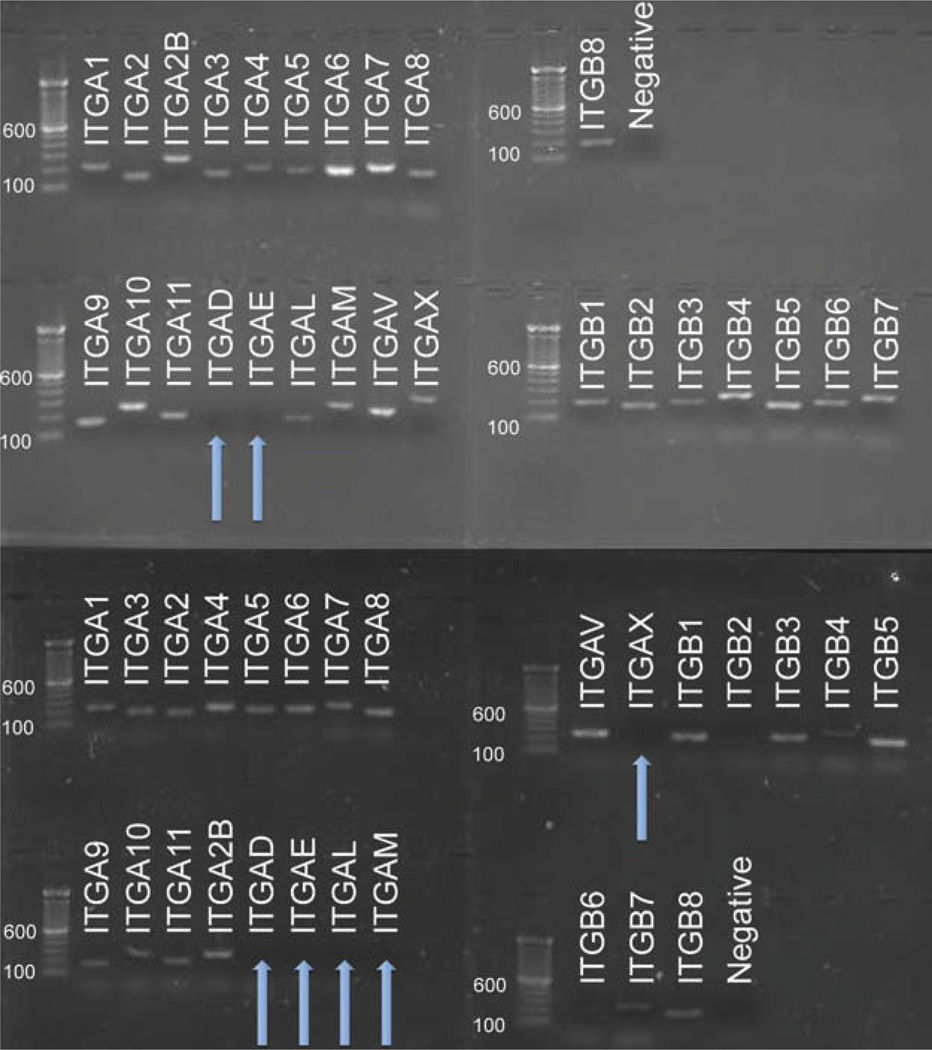
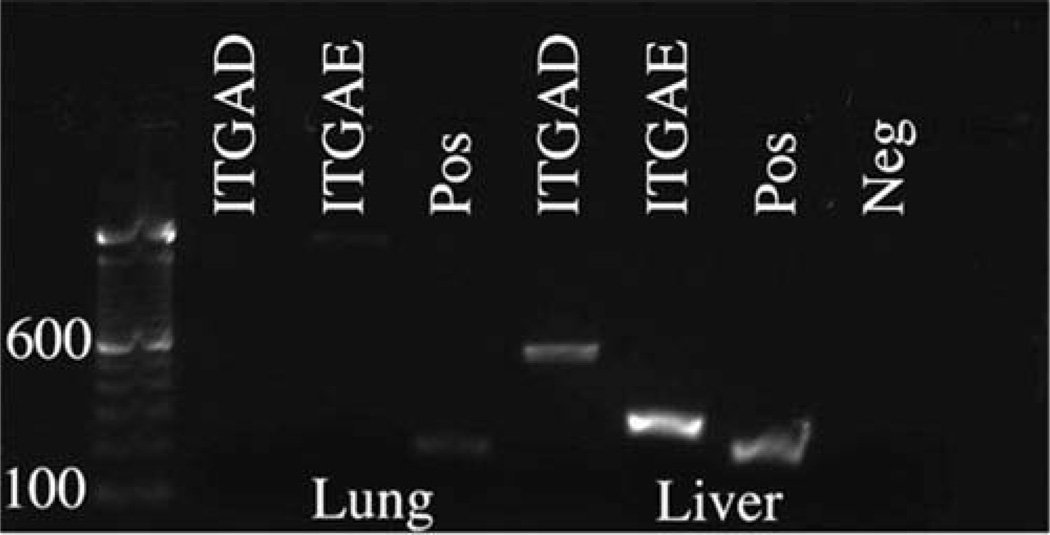
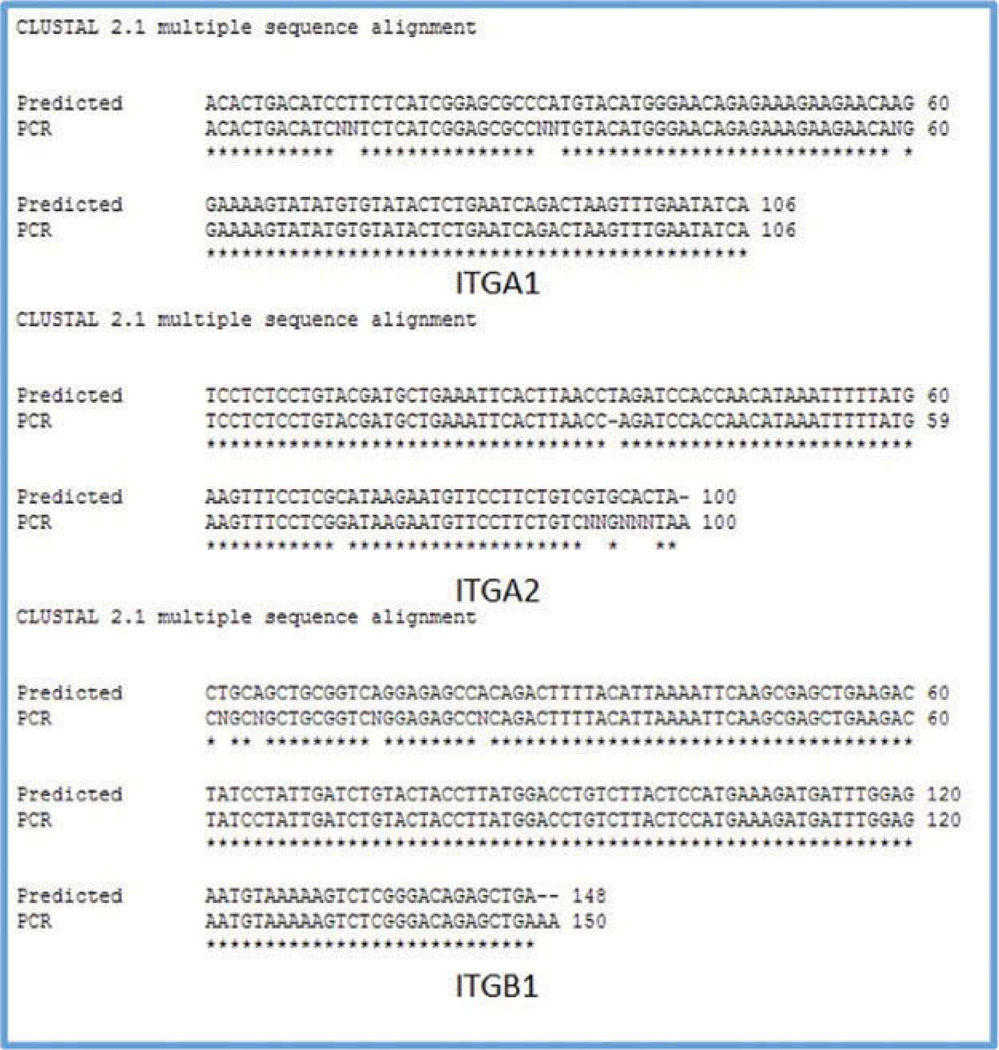
Guinea pig scleral tissue expressed all known integrin alpha subunits except αD and αE. The latter integrin subunits were also not expressed by cultured guinea pig scleral fibroblasts; however, their expression was confirmed in guinea pig liver. In addition, isolated cultured fibroblasts did not express integrin subunits αL, αM, and αX. This difference between results for cultured cells and intact sclera presumably reflects the presence in the latter of additional cell types. Both guinea pig scleral tissue and isolated scleral fibroblasts expressed all known integrin beta subunits. All results were verified through sequencing.
The possible contributions of integrins to scleral remodeling make them plausible targets for myopia prevention. Data from this study will help guide future ex vivo and in vitro studies directed at understanding the relationship between scleral integrins and ocular growth regulation in the guinea pig model for myopia.
近视患者眼部尺寸的变化反映了巩膜重塑增加,而在高度近视中,巩膜完整性的丧失会导致生物力学减弱和巩膜持续蠕变。作为一类细胞表面受体,整合素与巩膜重塑有关,它们是近视治疗的潜在靶点。作为第一步,本研究旨在在豚鼠巩膜的信使核糖核酸水平上表征整合素亚基,豚鼠是一种最近才被纳入但在近视研究中越来越常用的动物模型。
使用NCBI/UCSC基因组浏览器和Primer3软件工具设计α和β整合素亚基的引物。从豚鼠的正常巩膜组织、分离培养的巩膜成纤维细胞以及作为参考组织的肝脏和肺中提取总RNA。通过逆转录产生互补DNA,使用聚合酶链反应扩增预定大小的产物,并使用标准方法对产物进行测序。
豚鼠巩膜组织表达了除αD和αE之外的所有已知整合素α亚基。培养的豚鼠巩膜成纤维细胞也不表达后两种整合素亚基;然而,在豚鼠肝脏中证实了它们的表达。此外,分离培养而成的成纤维细胞不表达整合素亚基αL、αM和αX。培养细胞和完整巩膜结果之间的这种差异可能反映了后者中存在其他细胞类型。豚鼠巩膜组织和分离的巩膜成纤维细胞均表达了所有已知的整合素β亚基。所有结果均通过测序验证。
整合素对巩膜重塑的可能作用使其成为预防近视的合理靶点。本研究的数据将有助于指导未来的体外和体内研究,以了解豚鼠近视模型中巩膜整合素与眼生长调节之间的关系。