Abdul-Ghani Muhammad, Migahid Osama, Megahed Ayman, Adams John, Triplitt Curtis, DeFronzo Ralph A, Zirie Mahmoud, Jayyousi Amin
Diabetes Research, Academic Health System, Hamad General Hospital, Doha, Qatar
Division of Diabetes, University of Texas Health Science Center at San Antonio, San Antonio, TX.
Diabetes Care. 2017 Mar;40(3):325-331. doi: 10.2337/dc16-1738. Epub 2017 Jan 17.
The Qatar Study was designed to examine the efficacy of combination therapy with exenatide plus pioglitazone versus basal/bolus insulin in patients with long-standing poorly controlled type 2 diabetes mellitus (T2DM) on metformin plus a sulfonylurea.
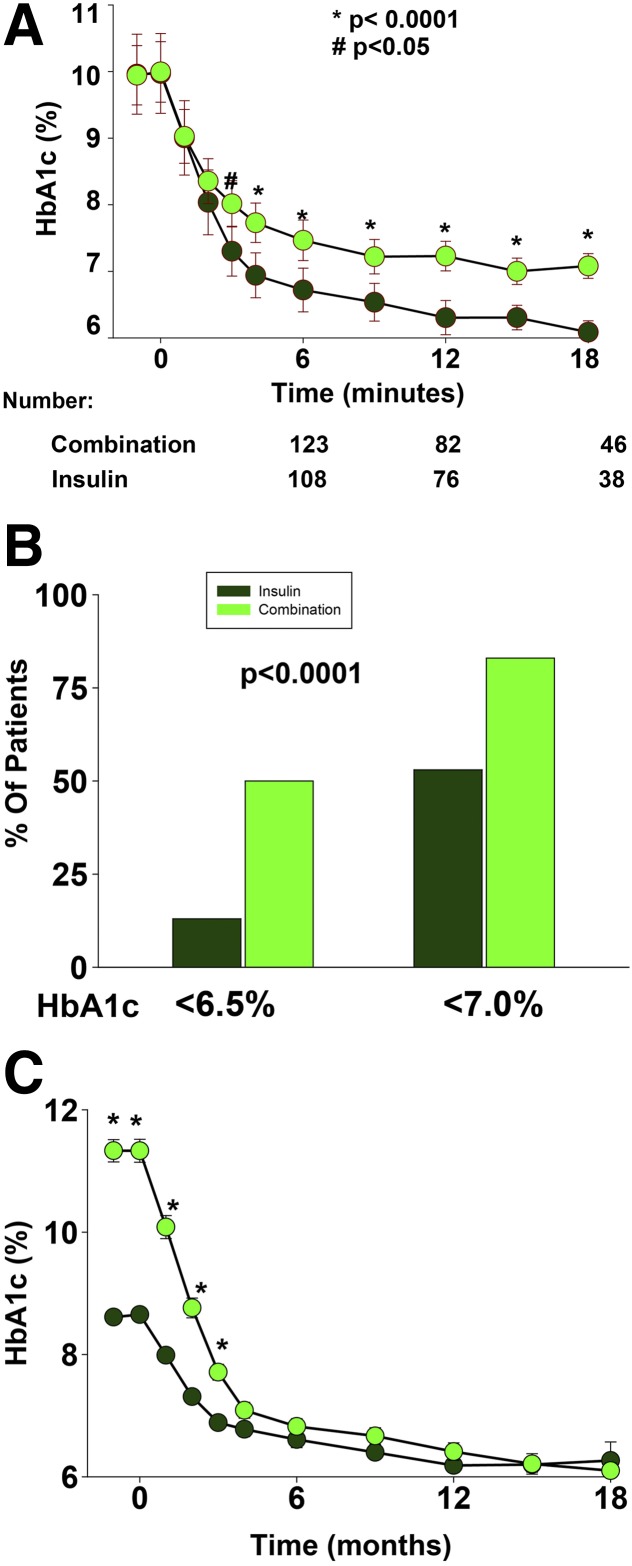
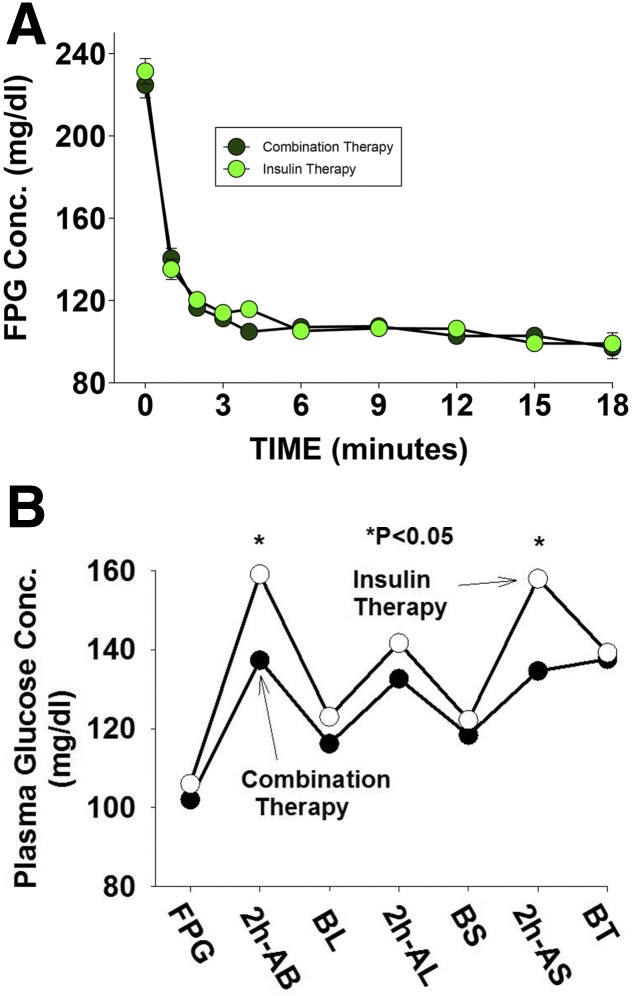
The study randomized 231 patients with poorly controlled (HbA >7.5%, 58 mmol/mol) T2DM on a sulfonylurea plus metformin to receive ) pioglitazone plus weekly exenatide (combination therapy) or ) basal plus prandial insulin (insulin therapy) to maintain HbA <7.0% (53 mmol/mol).
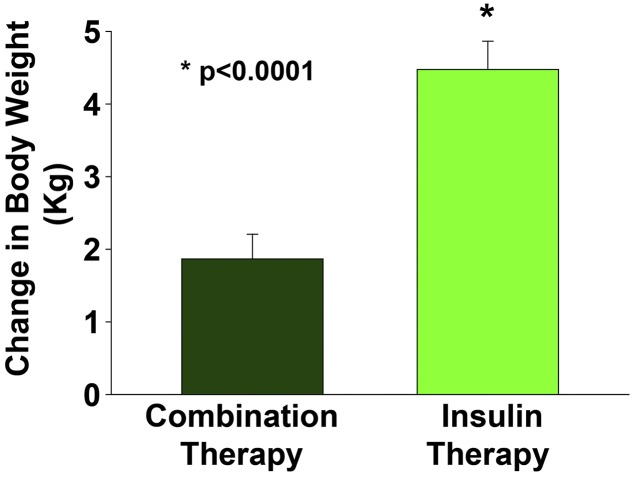
After a mean follow-up of 12 months, combination therapy caused a robust decrease in HbA from 10.0 ± 0.6% (86 ± 5.2 mmol/mol) at baseline to 6.1 ± 0.1% (43 ± 0.7 mmol/mol) compared with 7.1 ± 0.1% (54 ± 0.8 mmol/mol) in subjects receiving insulin therapy. Combination therapy was effective in lowering the HbA independent of sex, ethnicity, BMI, or baseline HbA. Subjects in the insulin therapy group experienced significantly greater weight gain and a threefold higher rate of hypoglycemia than patients in the combination therapy group.
Combination exenatide/pioglitazone therapy is a very effective and safe therapeutic option in patients with long-standing poorly controlled T2DM on metformin plus a sulfonylurea.
卡塔尔研究旨在探讨艾塞那肽联合吡格列酮与基础/餐时胰岛素联合治疗相比,对二甲双胍加磺脲类药物治疗效果不佳的长期2型糖尿病(T2DM)患者的疗效。
该研究将231例磺脲类药物加二甲双胍治疗效果不佳(糖化血红蛋白>7.5%,58 mmol/mol)的T2DM患者随机分为两组,分别接受)吡格列酮加每周一次的艾塞那肽(联合治疗组)或)基础胰岛素加餐时胰岛素(胰岛素治疗组),以使糖化血红蛋白维持在<7.0%(53 mmol/mol)。
平均随访12个月后,联合治疗组糖化血红蛋白从基线时的10.0±0.6%(86±5.2 mmol/mol)显著降至6.1±0.1%(43±0.7 mmol/mol),而接受胰岛素治疗的患者为7.1±0.1%(54±0.8 mmol/mol)。联合治疗在降低糖化血红蛋白方面有效,且不受性别、种族、体重指数或基线糖化血红蛋白的影响。胰岛素治疗组的患者体重增加显著更多,低血糖发生率是联合治疗组患者的三倍。
对于二甲双胍加磺脲类药物治疗效果不佳的长期T2DM患者,艾塞那肽/吡格列酮联合治疗是一种非常有效且安全的治疗选择。