Kim S C, Wakwe W, Higginbotham L B, Mathews D V, Breeden C P, Stephenson A C, Jenkins J, Strobert E, Price K, Price L, Kuhn R, Wang H, Yamniuk A, Suchard S, Farris A B, Pearson T C, Larsen C P, Ford M L, Suri A, Nadler S, Adams A B
Emory Transplant Center, Department of Surgery, School of Medicine, Emory University, Atlanta, GA.
Yerkes National Primate Research Center, School of Medicine, Emory University, Atlanta, GA.
Am J Transplant. 2017 May;17(5):1182-1192. doi: 10.1111/ajt.14197. Epub 2017 Feb 25.
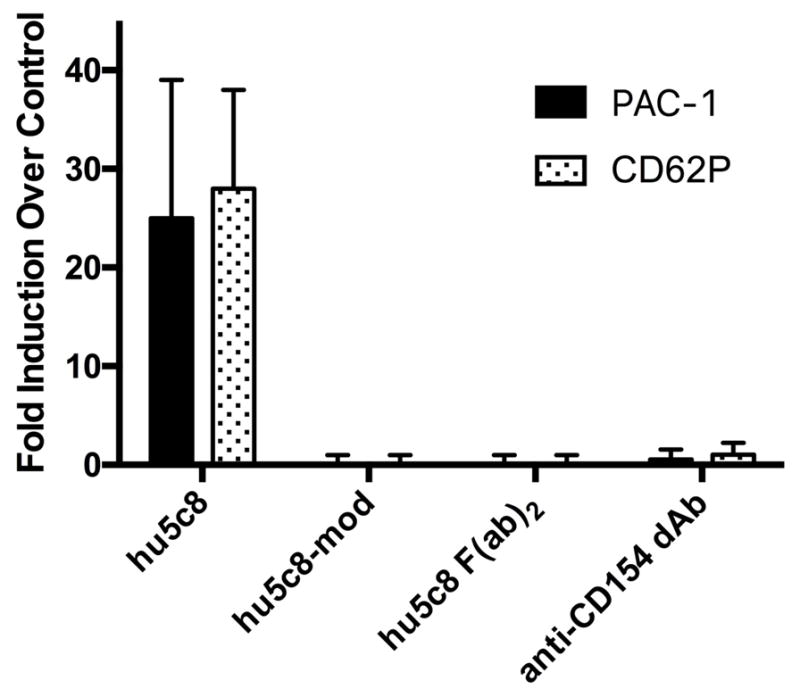
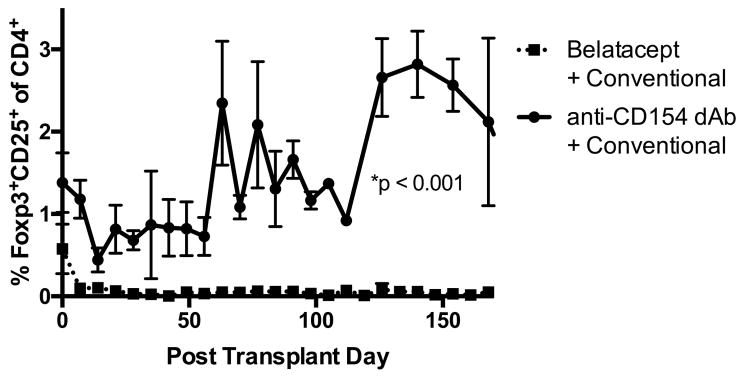
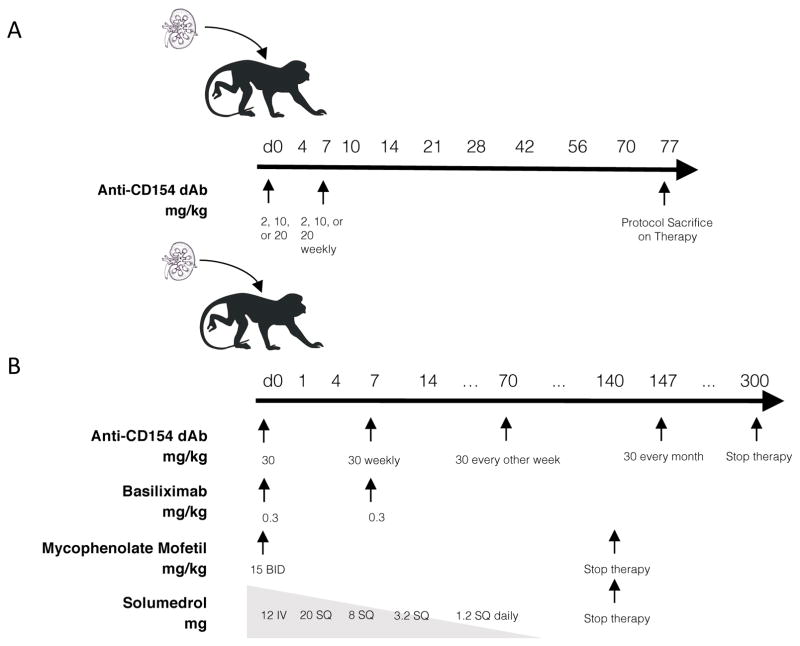
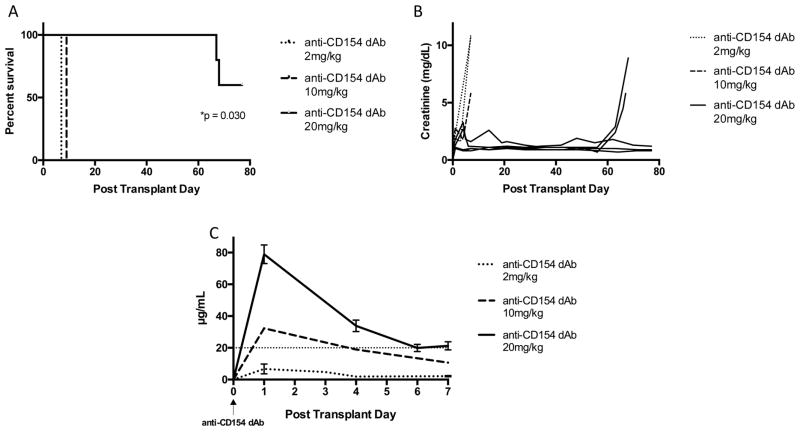
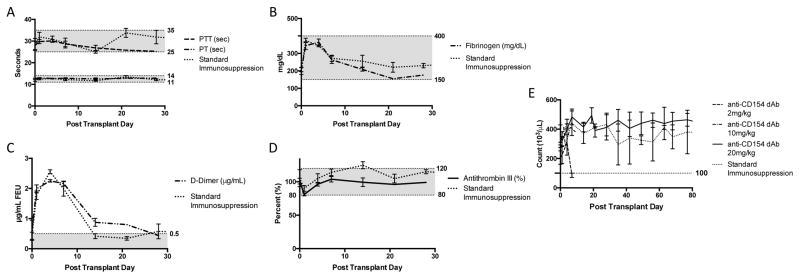
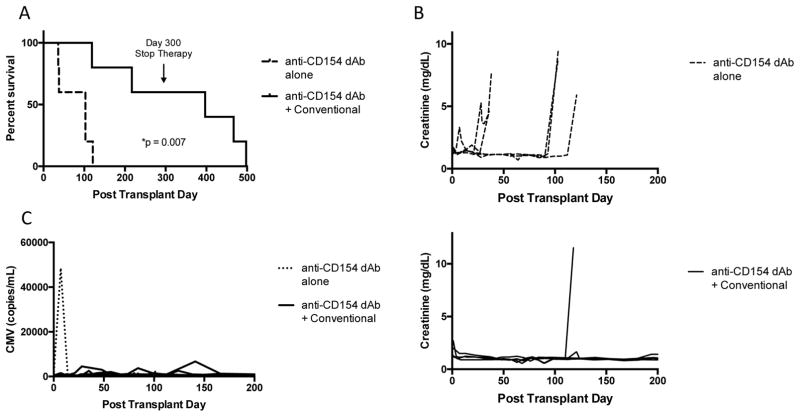
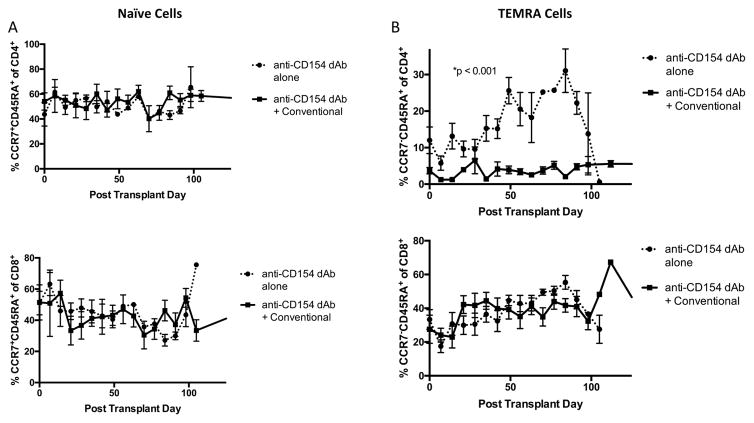
The advent of costimulation blockade provides the prospect for targeted therapy with improved graft survival in transplant patients. Perhaps the most effective costimulation blockade in experimental models is the use of reagents to block the CD40/CD154 pathway. Unfortunately, successful clinical translation of anti-CD154 therapy has not been achieved. In an attempt to develop an agent that is as effective as previous CD154 blocking antibodies but lacks the risk of thromboembolism, we evaluated the efficacy and safety of a novel anti-human CD154 domain antibody (dAb, BMS-986004). The anti-CD154 dAb effectively blocked CD40-CD154 interactions but lacked crystallizable fragment (Fc) binding activity and resultant platelet activation. In a nonhuman primate kidney transplant model, anti-CD154 dAb was safe and efficacious, significantly prolonging allograft survival without evidence of thromboembolism (Median survival time 103 days). The combination of anti-CD154 dAb and conventional immunosuppression synergized to effectively control allograft rejection (Median survival time 397 days). Furthermore, anti-CD154 dAb treatment increased the frequency of CD4 CD25 Foxp3 regulatory T cells. This study demonstrates that the use of a novel anti-CD154 dAb that lacks Fc binding activity is safe without evidence of thromboembolism and is equally as potent as previous anti-CD154 agents at prolonging renal allograft survival in a nonhuman primate preclinical model.
共刺激阻断的出现为移植患者提供了通过改善移植物存活进行靶向治疗的前景。在实验模型中,也许最有效的共刺激阻断方法是使用试剂阻断CD40/CD154通路。不幸的是,抗CD154治疗尚未成功实现临床转化。为了开发一种与先前的CD154阻断抗体一样有效但无血栓栓塞风险的药物,我们评估了一种新型抗人CD154结构域抗体(dAb,BMS-986004)的疗效和安全性。抗CD154 dAb有效阻断CD40-CD154相互作用,但缺乏可结晶片段(Fc)结合活性以及由此产生的血小板活化作用。在非人类灵长类动物肾移植模型中,抗CD154 dAb安全有效,显著延长了同种异体移植物存活时间,且无血栓栓塞迹象(中位存活时间103天)。抗CD154 dAb与传统免疫抑制的联合使用协同有效地控制了同种异体移植物排斥反应(中位存活时间397天)。此外،抗CD154 dAb治疗增加了CD4 CD25 Foxp3调节性T细胞的频率。这项研究表明,使用缺乏Fc结合活性的新型抗CD154 dAb是安全的,没有血栓栓塞的迹象,并且在非人类灵长类动物临床前模型中,在延长肾同种异体移植物存活时间方面与先前的抗CD154药物同样有效。