School of Life Science, Anhui University, Hefei, China.
Department of Chemistry, University College London, London, UK.
Sci Rep. 2017 Jan 18;7:39676. doi: 10.1038/srep39676.
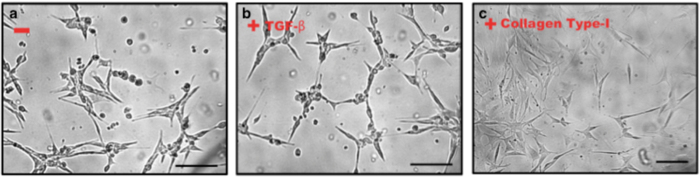
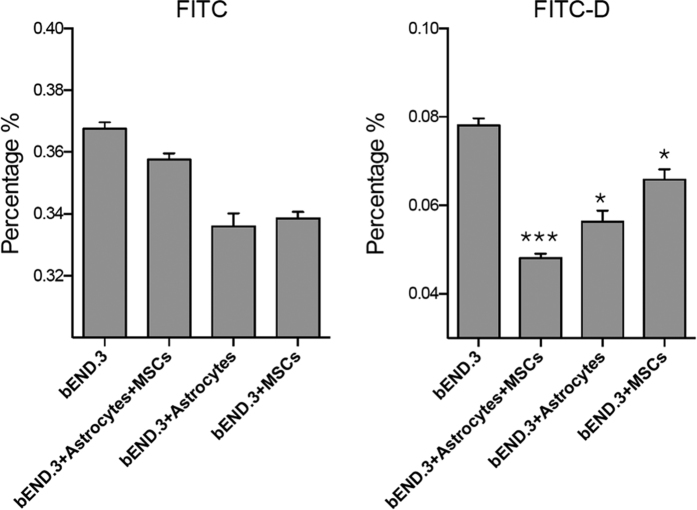
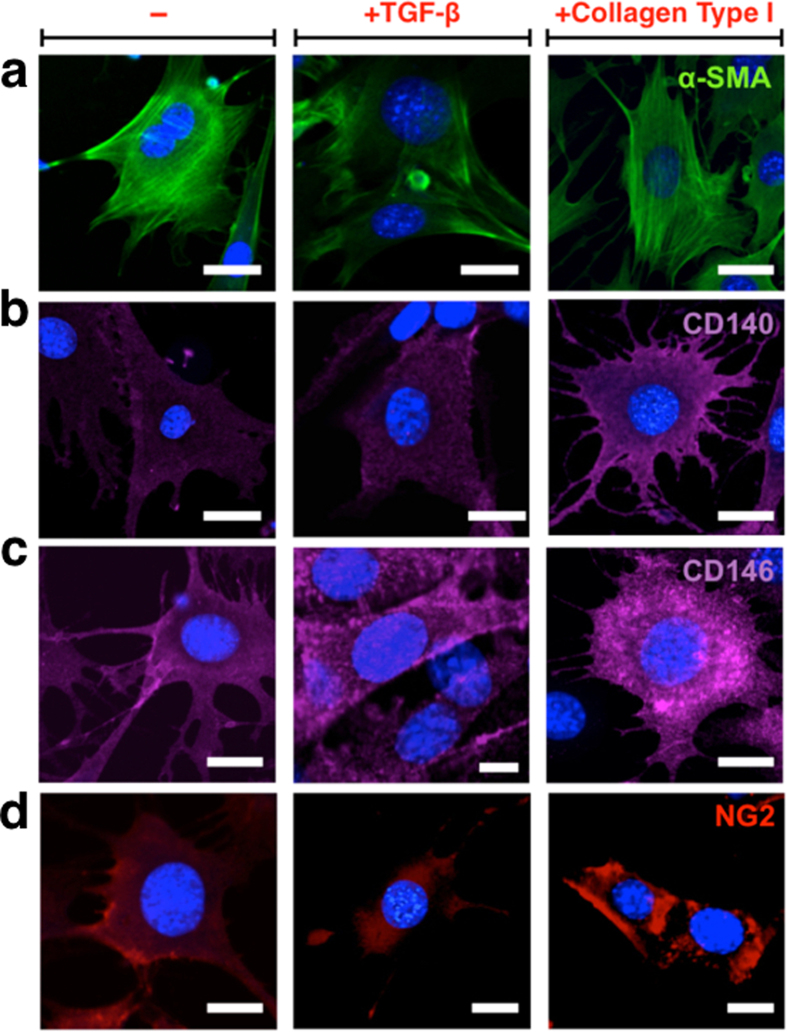
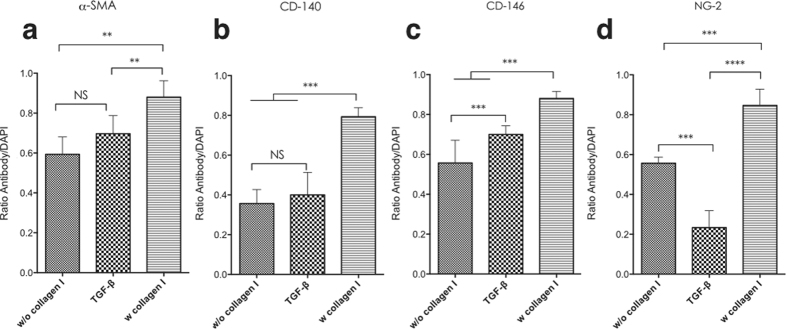
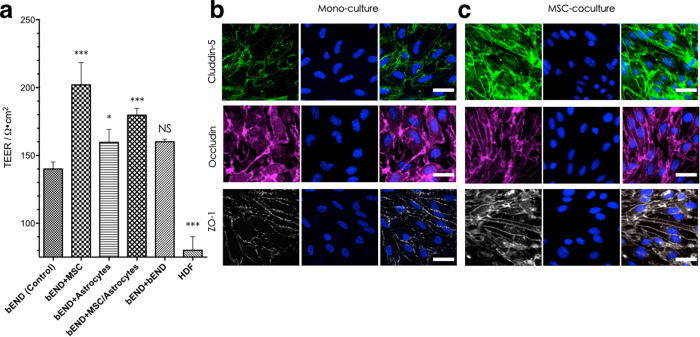
Blood brain-barrier (BBB) in vitro models have been widely reported in studies of the BBB phenotype. However, established co-culture systems involve brain endothelial cells, astrocytes, neurons and pericytes, and therefore are often consuming and technically challenging. Here we use mesenchymal system cells (MSC) as a potential substitute for pericytes in a BBB model. Both MSC and pericyte markers in 2D culture environment were evaluated on different extracellular matrix compositions. Further experiments indicated that MSC contributed in a similar manner to pericytes in a co-cultured 3D model on increasing trans-endothelial electric resistance (TEER) and decreasing permeability against macromolecules.
血脑屏障(BBB)体外模型在 BBB 表型研究中被广泛报道。然而,已建立的共培养系统涉及脑内皮细胞、星形胶质细胞、神经元和周细胞,因此通常耗费时间且具有技术挑战性。在这里,我们使用间充质系统细胞(MSC)作为 BBB 模型中周细胞的潜在替代品。在不同的细胞外基质组成的二维培养环境中评估 MSC 和周细胞的标志物。进一步的实验表明,MSC 在共培养的 3D 模型中以类似于周细胞的方式增加跨内皮电阻(TEER)并降低对大分子的通透性。