Klug Dennis, Frischknecht Friedrich
Integrative Parasitology, Center for Infectious Diseases, Heidelberg University Medical School, Heidelberg, Germany.
Elife. 2017 Jan 24;6:e19157. doi: 10.7554/eLife.19157.
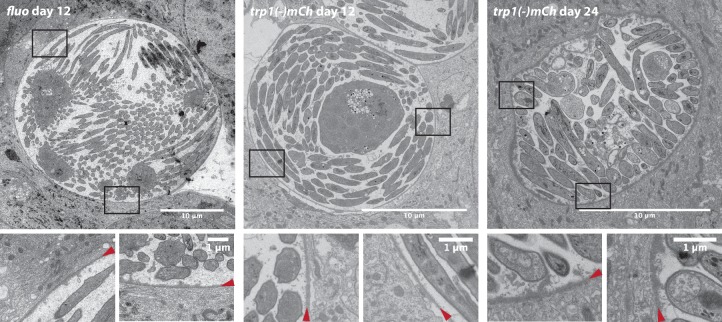
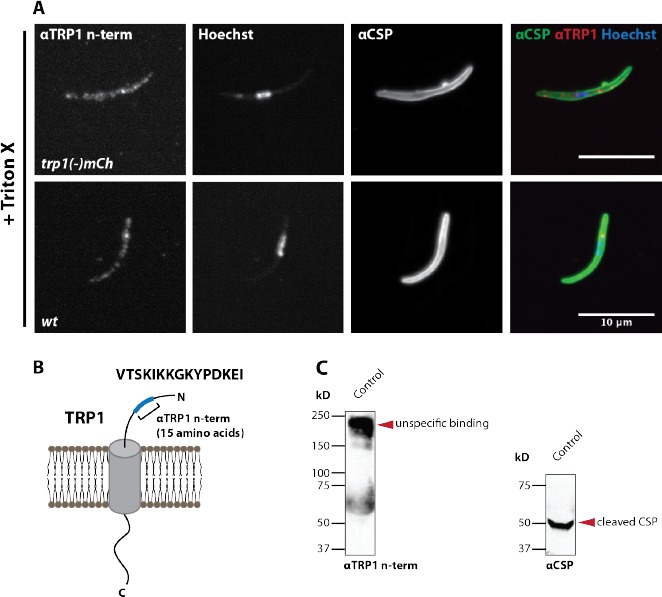
Malaria is transmitted when an infected mosquito deposits sporozoites in the skin during a bite. Sporozoites are formed within oocysts at the mosquito midgut wall and are released into the hemolymph, from where they invade the salivary glands and are subsequently transmitted to the vertebrate host. We found that a thrombospondin-repeat containing sporozoite-specific protein named thrombospondin-releated protein 1 (TRP1) is important for oocyst egress and salivary gland invasion, and hence for the transmission of malaria. We imaged the release of sporozoites from oocysts in situ, which was preceded by active motility. Parasites lacking TRP1 failed to migrate within oocysts and did not egress, suggesting that TRP1 is a vital component of the events that precede intra-oocyst motility and subsequently sporozoite egress and salivary gland invasion.
当受感染的蚊子叮咬时将子孢子沉积在皮肤中,疟疾就会传播。子孢子在蚊子中肠壁的卵囊中形成,然后释放到血淋巴中,从那里它们侵入唾液腺,随后传播给脊椎动物宿主。我们发现一种含有血小板反应蛋白重复序列的子孢子特异性蛋白,名为血小板反应蛋白相关蛋白1(TRP1),对卵囊逸出和唾液腺侵入很重要,因此对疟疾传播也很重要。我们对卵囊中原位子孢子的释放进行了成像,其之前有活跃的运动。缺乏TRP1的寄生虫无法在卵囊内迁移,也无法逸出,这表明TRP1是卵囊内运动以及随后子孢子逸出和唾液腺侵入之前的重要事件的关键组成部分。