Howard Michael J, Rodriguez Yesenia, Wilson Samuel H
Genome Integrity and Structural Biology Laboratory, National Institute of Environmental Health Sciences, National Institutes of Health, Research Triangle Park, NC 27709-2233, USA.
Nucleic Acids Res. 2017 Apr 20;45(7):3822-3832. doi: 10.1093/nar/gkx047.
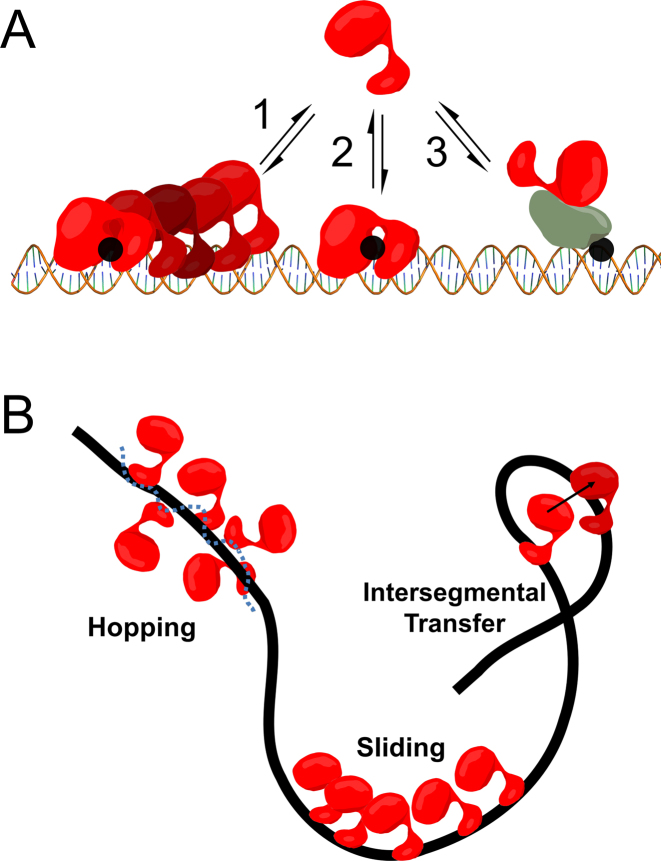
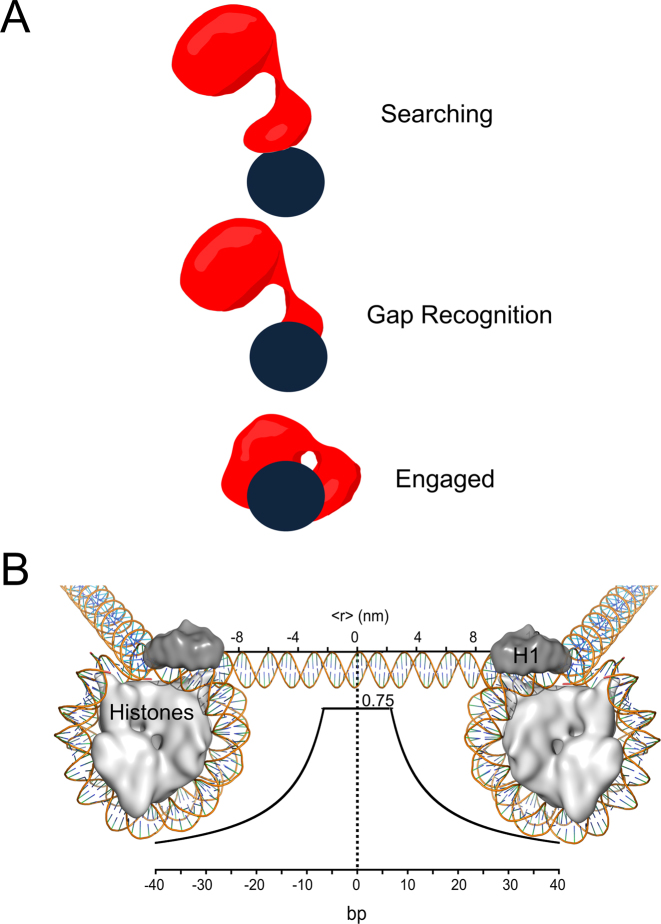
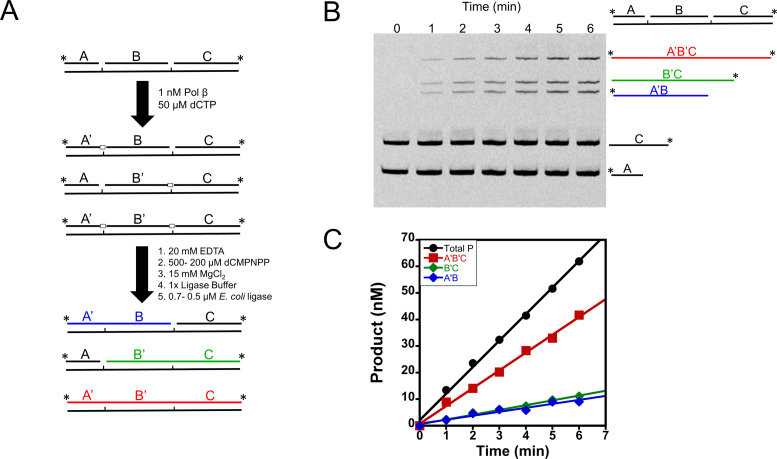
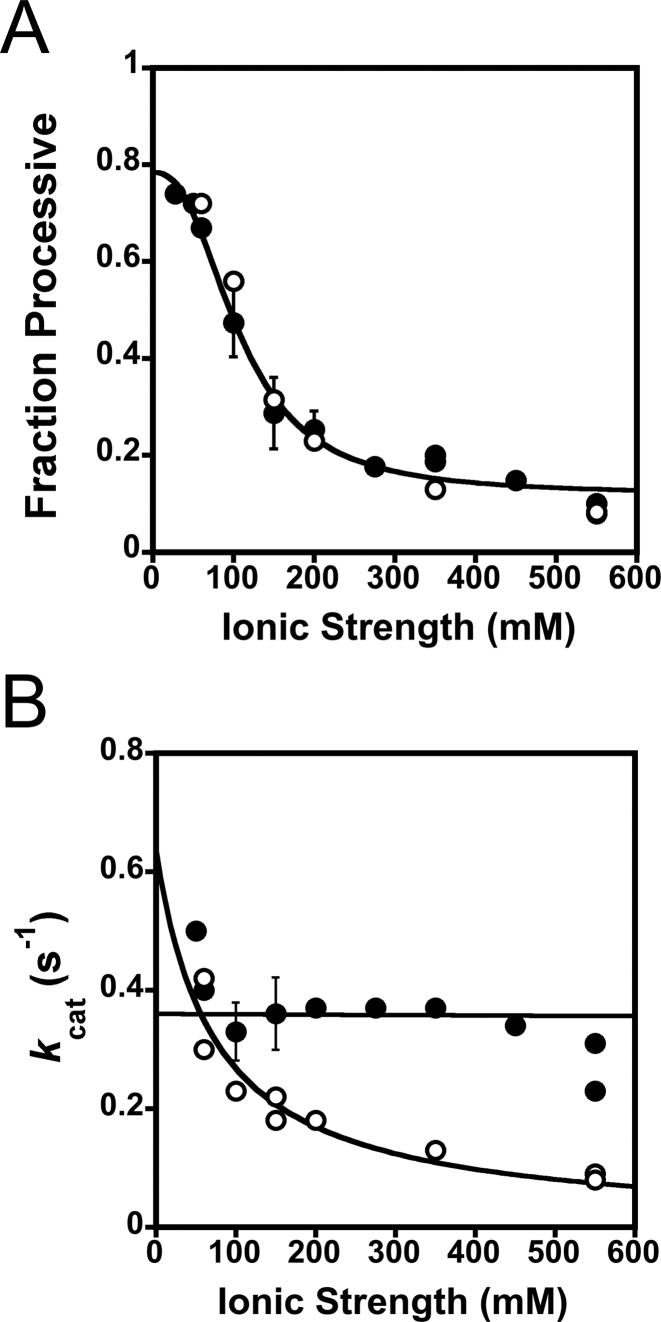
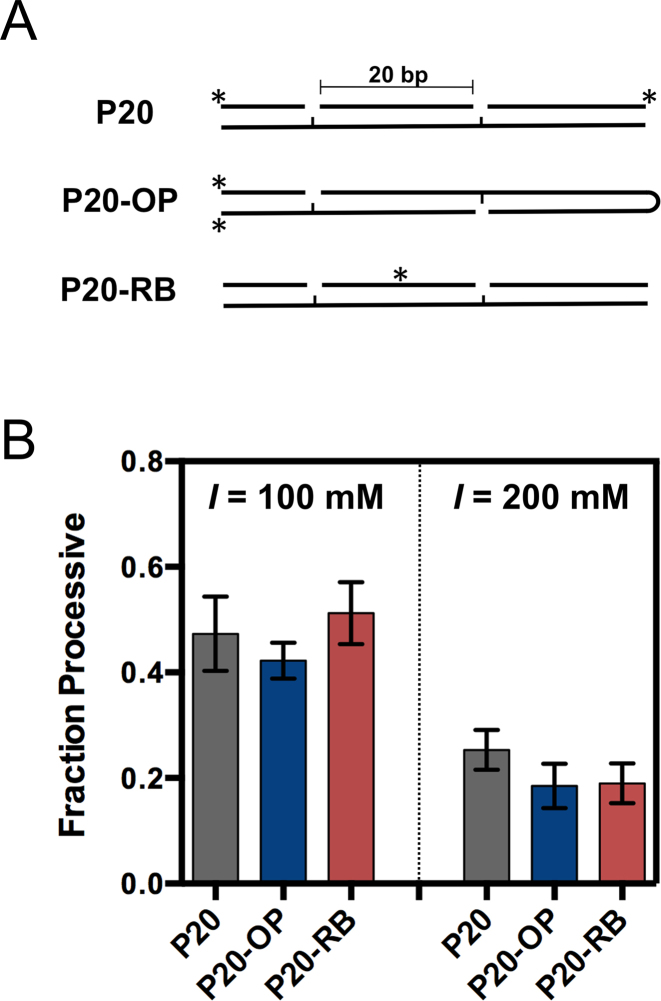
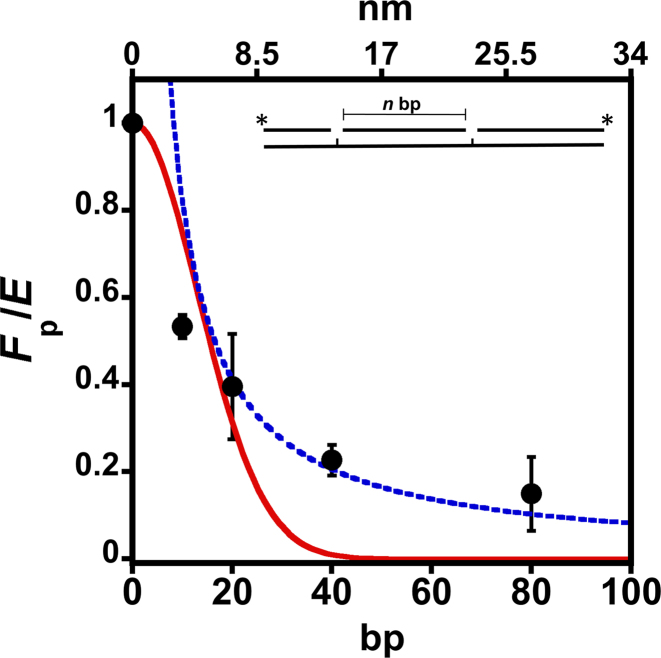
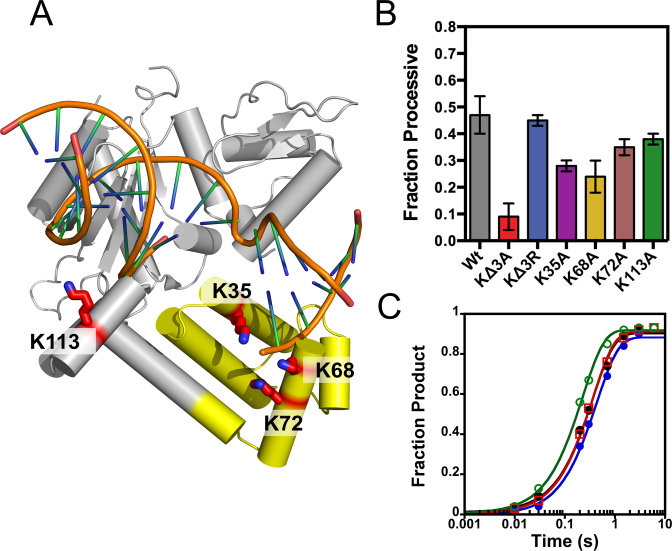
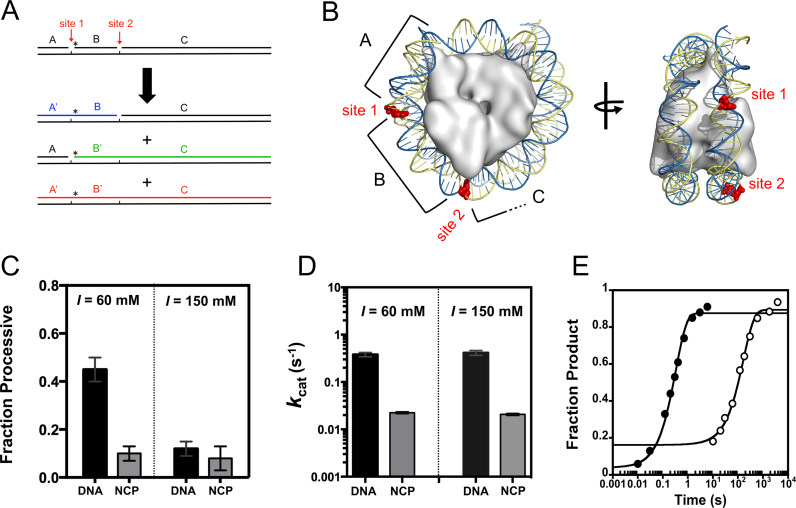
DNA polymerase (Pol) β maintains genome fidelity by catalyzing DNA synthesis and removal of a reactive DNA repair intermediate during base excision repair (BER). Situated within the middle of the BER pathway, Pol β must efficiently locate its substrates before damage is exacerbated. The mechanisms of damage search and location by Pol β are largely unknown, but are critical for understanding the fundamental features of the BER pathway. We developed a processive search assay to determine if Pol β has evolved a mechanism for efficient DNA damage location. These assays revealed that Pol β scans DNA using a processive hopping mechanism and has a mean search footprint of ∼24 bp at predicted physiological ionic strength. Lysines within the lyase domain are required for processive searching, revealing a novel function for the lyase domain of Pol β. Application of our processive search assay into nucleosome core particles revealed that Pol β is not processive in the context of a nucleosome, and its single-turnover activity is reduced ∼500-fold, as compared to free DNA. These data suggest that the repair footprint of Pol β mainly resides within accessible regions of the genome and that these regions can be scanned for damage by Pol β.
DNA聚合酶(Pol)β通过催化DNA合成以及在碱基切除修复(BER)过程中去除反应性DNA修复中间体来维持基因组保真度。位于BER途径中间位置的Polβ必须在损伤加剧之前有效地定位其底物。Polβ进行损伤搜索和定位的机制在很大程度上尚不清楚,但对于理解BER途径的基本特征至关重要。我们开发了一种持续性搜索测定法,以确定Polβ是否进化出了一种有效的DNA损伤定位机制。这些测定结果表明,Polβ利用持续性跳跃机制扫描DNA,并且在预测的生理离子强度下平均搜索足迹约为24个碱基对。持续性搜索需要裂解酶结构域内的赖氨酸,这揭示了Polβ裂解酶结构域的一种新功能。将我们的持续性搜索测定法应用于核小体核心颗粒表明,在核小体环境中Polβ不是持续性的,并且与游离DNA相比,其单轮活性降低了约500倍。这些数据表明,Polβ的修复足迹主要位于基因组的可及区域内,并且Polβ可以扫描这些区域以寻找损伤。