Kumar Sudeep, Sunagar Raju, Pham Giang, Franz Brian J, Rosa Sarah J, Hazlett Karsten R O, Gosselin Edmund J
Center for Immunology and Microbial Diseases, Albany Medical College , Albany, NY , USA.
Front Immunol. 2017 Jan 10;7:677. doi: 10.3389/fimmu.2016.00677. eCollection 2016.
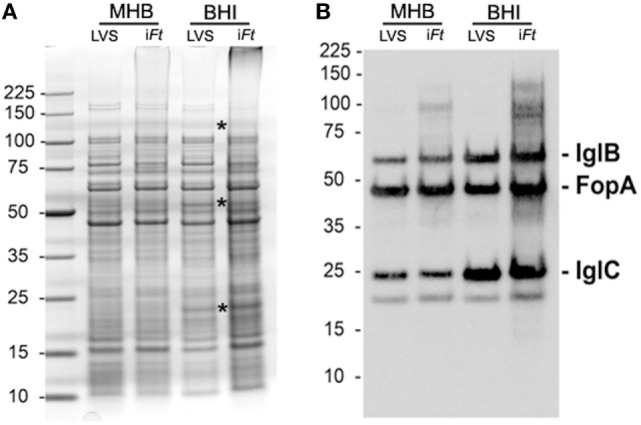
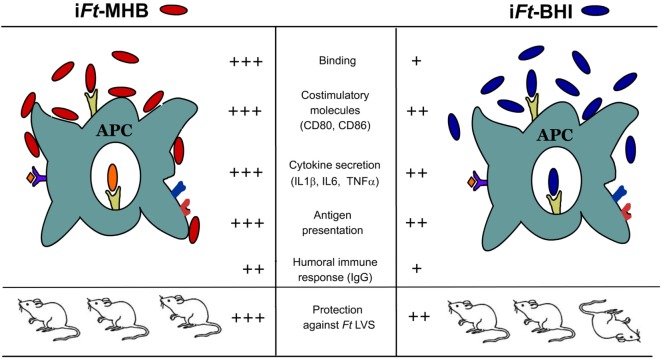
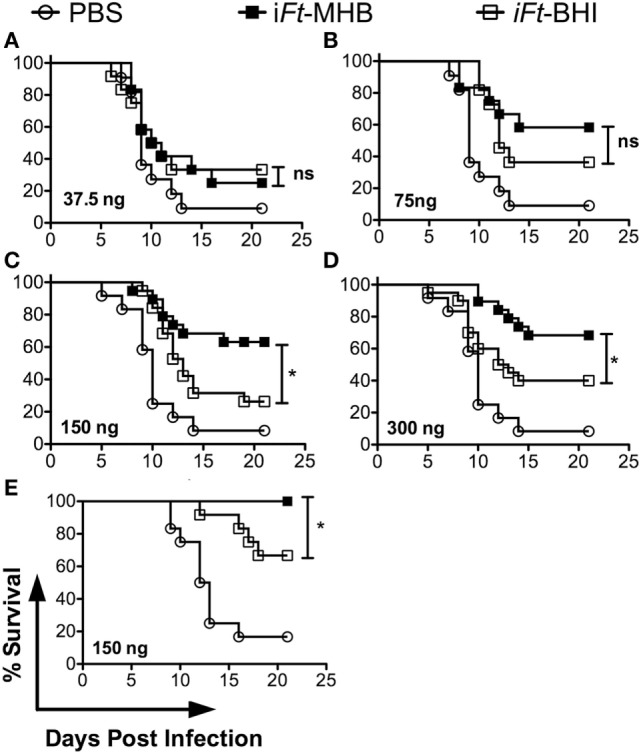
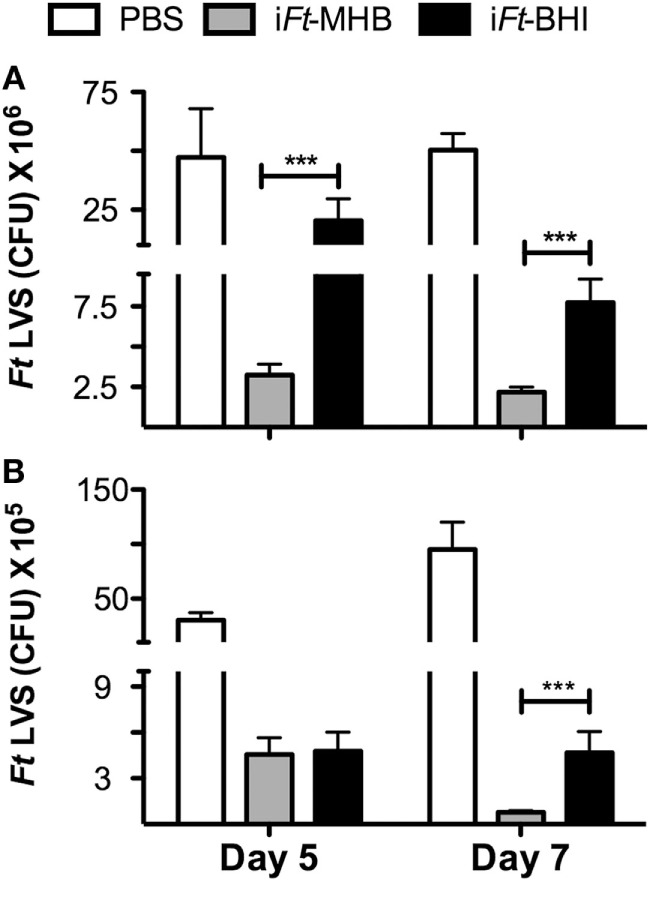
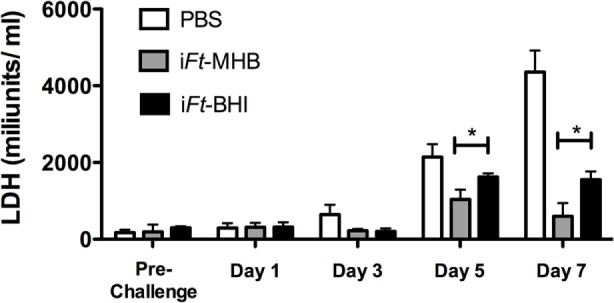
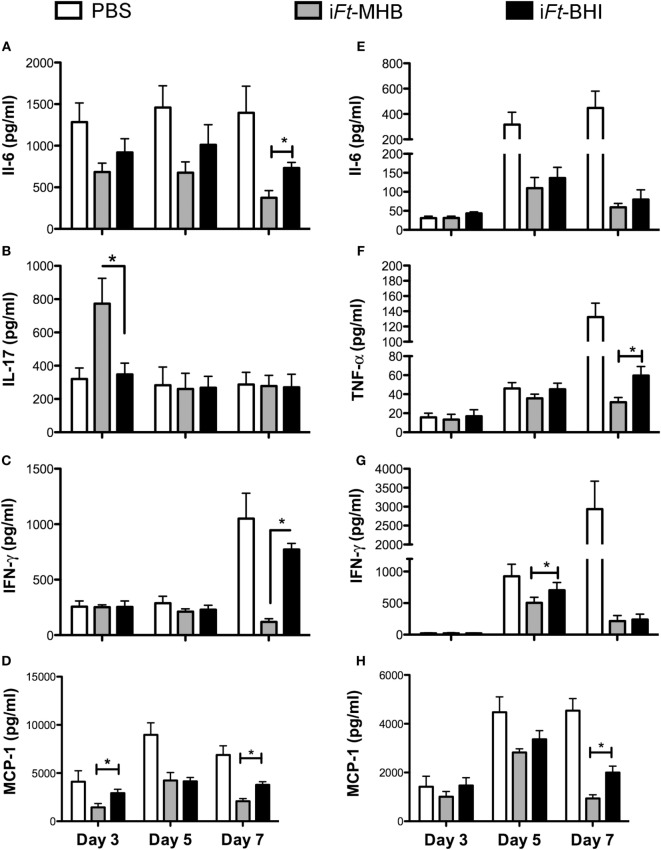
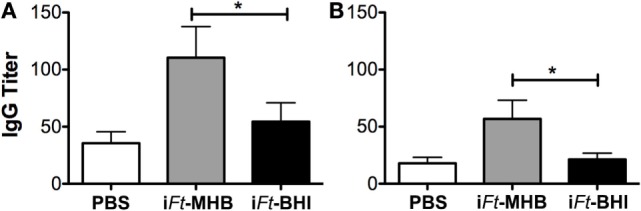
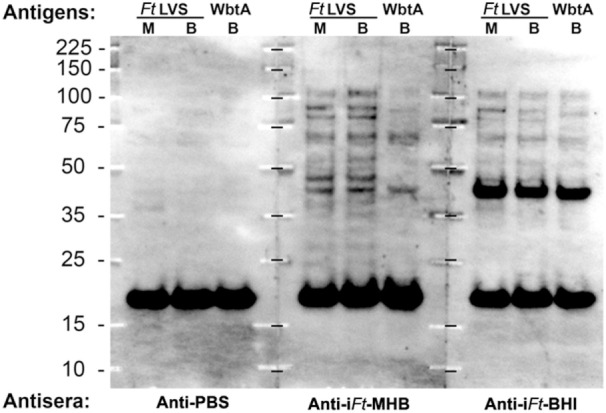
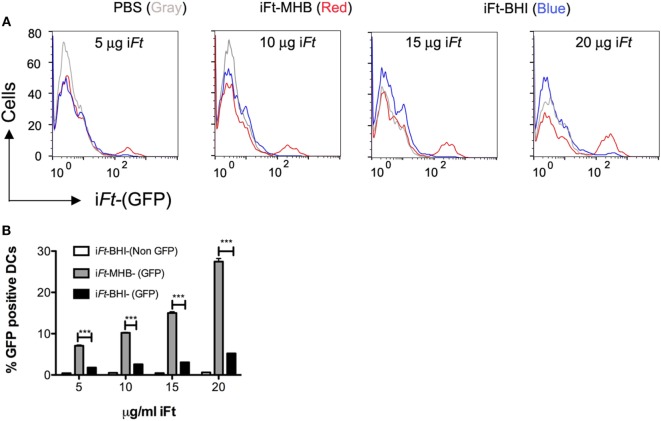
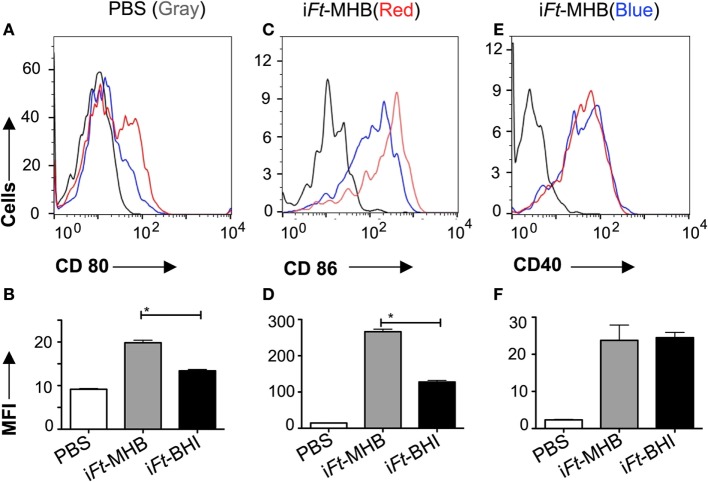
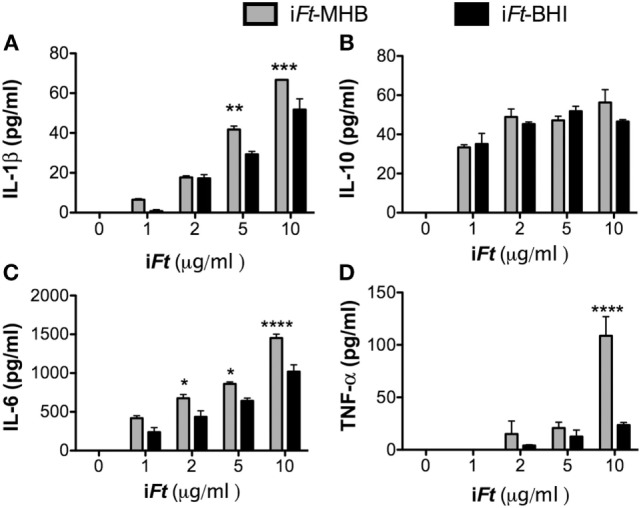
() is a category A biothreat agent for which there is no Food and Drug Administration-approved vaccine. can survive in a variety of habitats with a remarkable ability to adapt to changing environmental conditions. Furthermore, expresses distinct sets of antigens (Ags) when inside of macrophages (its host) as compared to those grown with Mueller Hinton Broth (MHB). However, in contrast to MHB-grown grown in Brain-Heart Infusion (BHI) more closely mimics the antigenic profile of macrophage-grown . Thus, we anticipated that when used as a vaccine, BHI-grown would provide better protection compared to MHB-grown , primarily due to its greater antigenic similarity to circulating inside the host (macrophages) during natural infection. Our investigation, however, revealed that inactivated (i) grown in MHB (iMHB) exhibited superior protective activity when used as a vaccine, as compared to i grown in BHI (iBHI). The superior protection afforded by i-MHB compared to that of i-BHI was associated with significantly lower bacterial burden and inflammation in the lungs and spleens of vaccinated mice. Moreover, i-MHB also induced increased levels of specific IgG. Further evaluation of early immunological cues also revealed that i-MHB exhibits increased engagement of Ag-presenting cells including increased i binding to dendritic cells, increased expression of costimulatory markers, and increased secretion of pro-inflammatory cytokines. Importantly, these studies directly demonstrate that growth conditions strongly impact vaccine efficacy and that the growth medium used to produce whole cell vaccines to must be a key consideration in the development of a tularemia vaccine.
(某病原体)是一种A类生物威胁因子,目前尚无美国食品药品监督管理局批准的疫苗。它能在多种栖息地生存,具有显著的适应不断变化的环境条件的能力。此外,与在 Mueller Hinton 肉汤(MHB)中培养的情况相比,该病原体在巨噬细胞(其主要宿主)内时会表达不同的抗原组。然而,与在MHB中培养的情况相反,在脑心浸液(BHI)中培养的该病原体更接近巨噬细胞培养的抗原谱。因此,我们预计,当用作疫苗时,BHI培养的该病原体与MHB培养的相比能提供更好的保护,主要是因为它与自然感染期间在宿主(巨噬细胞)内循环的病原体具有更大的抗原相似性。然而,我们的研究表明,与在BHI中培养的灭活病原体(iBHI)相比,在MHB中培养的灭活病原体(iMHB)用作疫苗时表现出卓越的保护活性。与iBHI相比,i-MHB提供的卓越保护与接种疫苗小鼠肺部和脾脏中显著更低的细菌负荷和炎症相关。此外,i-MHB还诱导了特异性IgG水平的升高。对早期免疫线索的进一步评估还表明,i-MHB表现出抗原呈递细胞的参与增加,包括与树突状细胞的结合增加、共刺激标志物的表达增加以及促炎细胞因子的分泌增加。重要的是,这些研究直接表明该病原体的生长条件强烈影响疫苗效力,并且用于生产针对该病原体的全细胞疫苗的生长培养基必须是土拉菌病疫苗开发中的关键考虑因素。