Center for Immunology and Microbial Disease, Albany Medical College, Albany, New York, USA.
PLoS One. 2013;8(3):e58513. doi: 10.1371/journal.pone.0058513. Epub 2013 Mar 12.
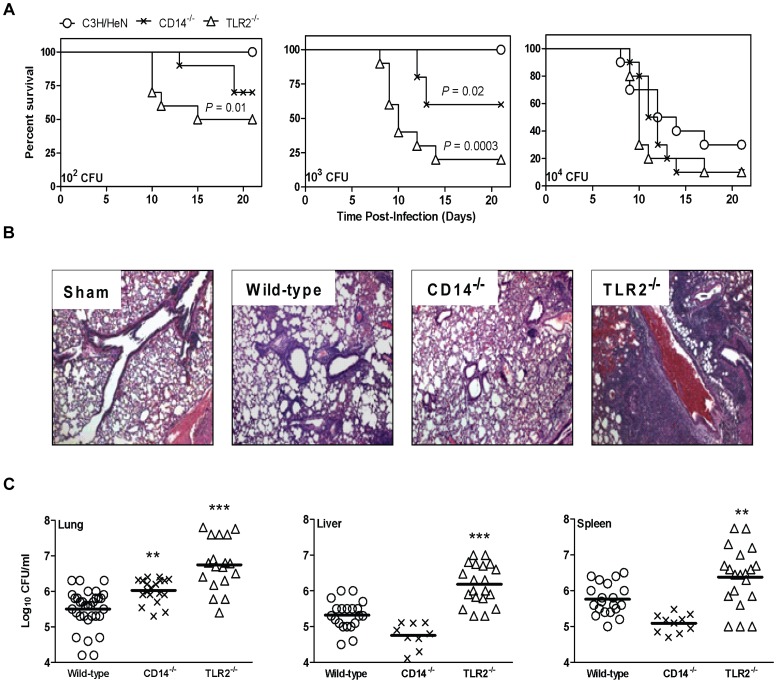
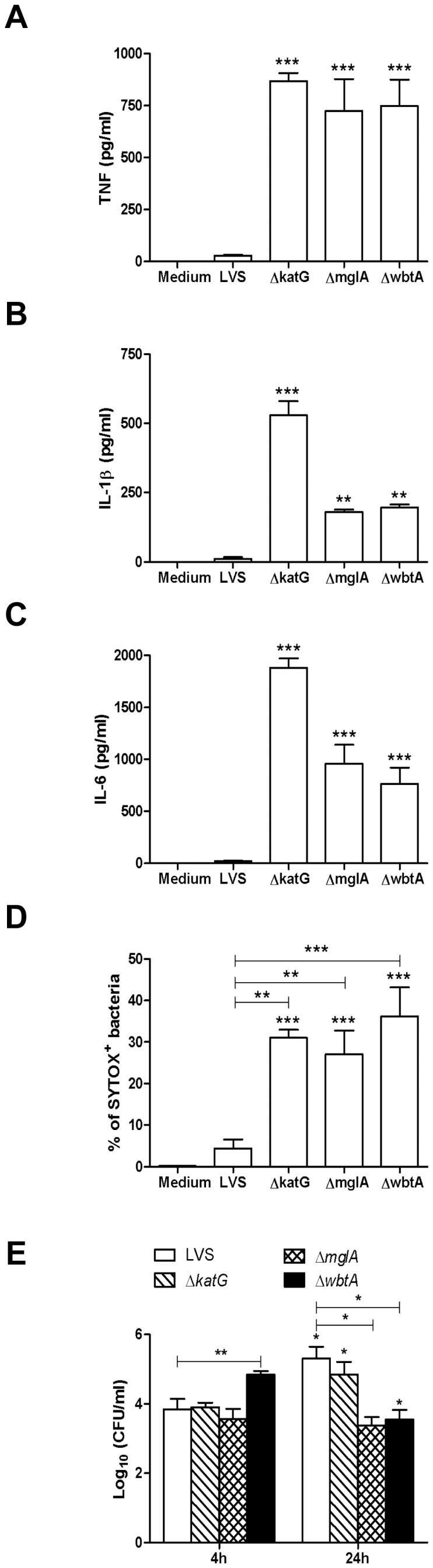
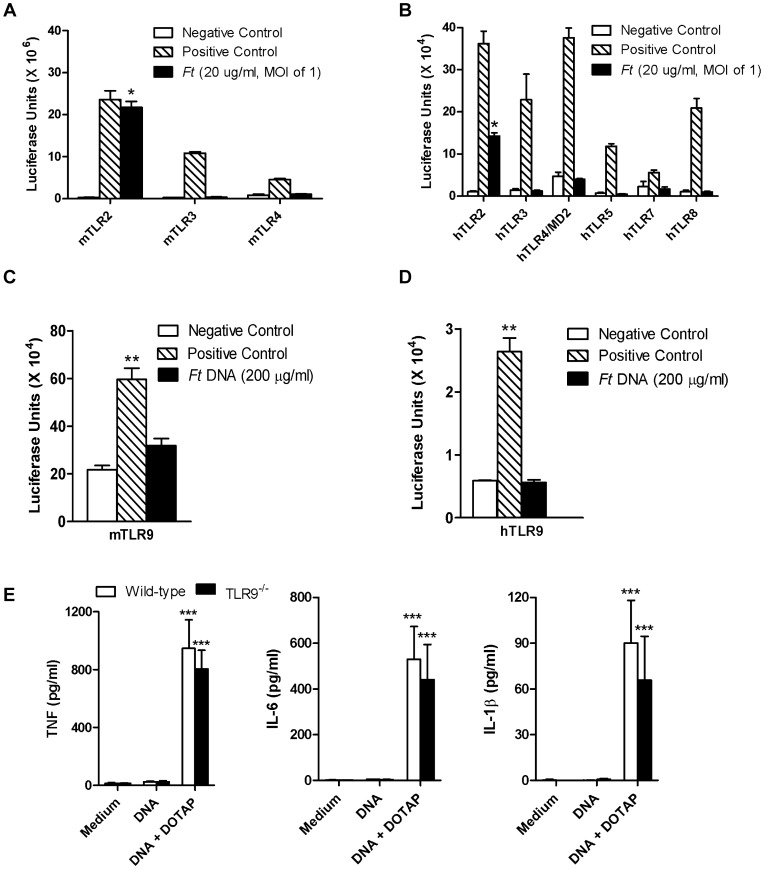
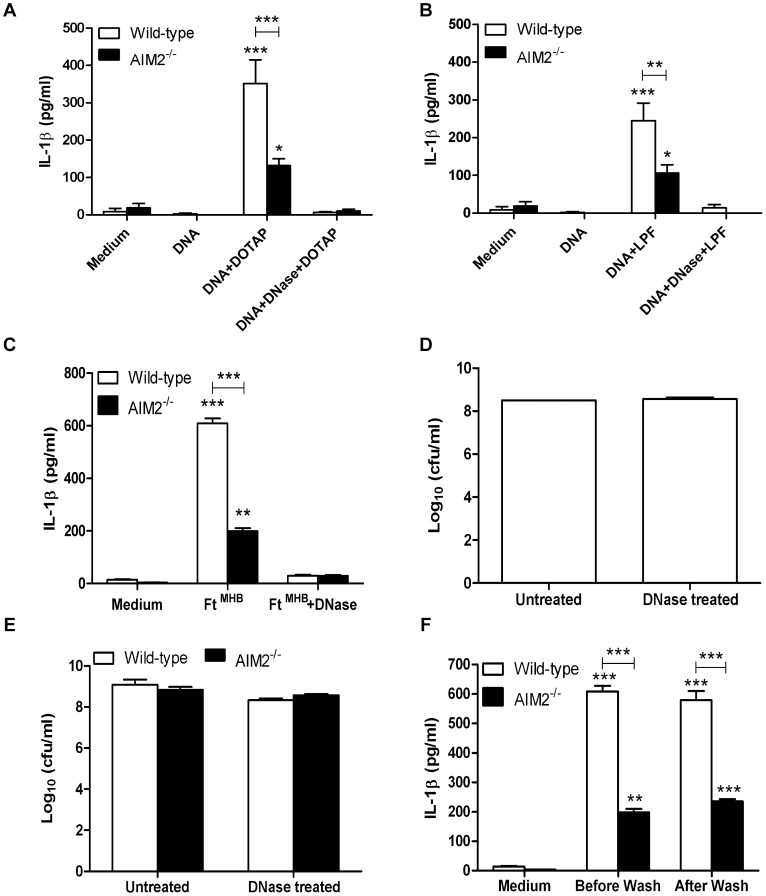
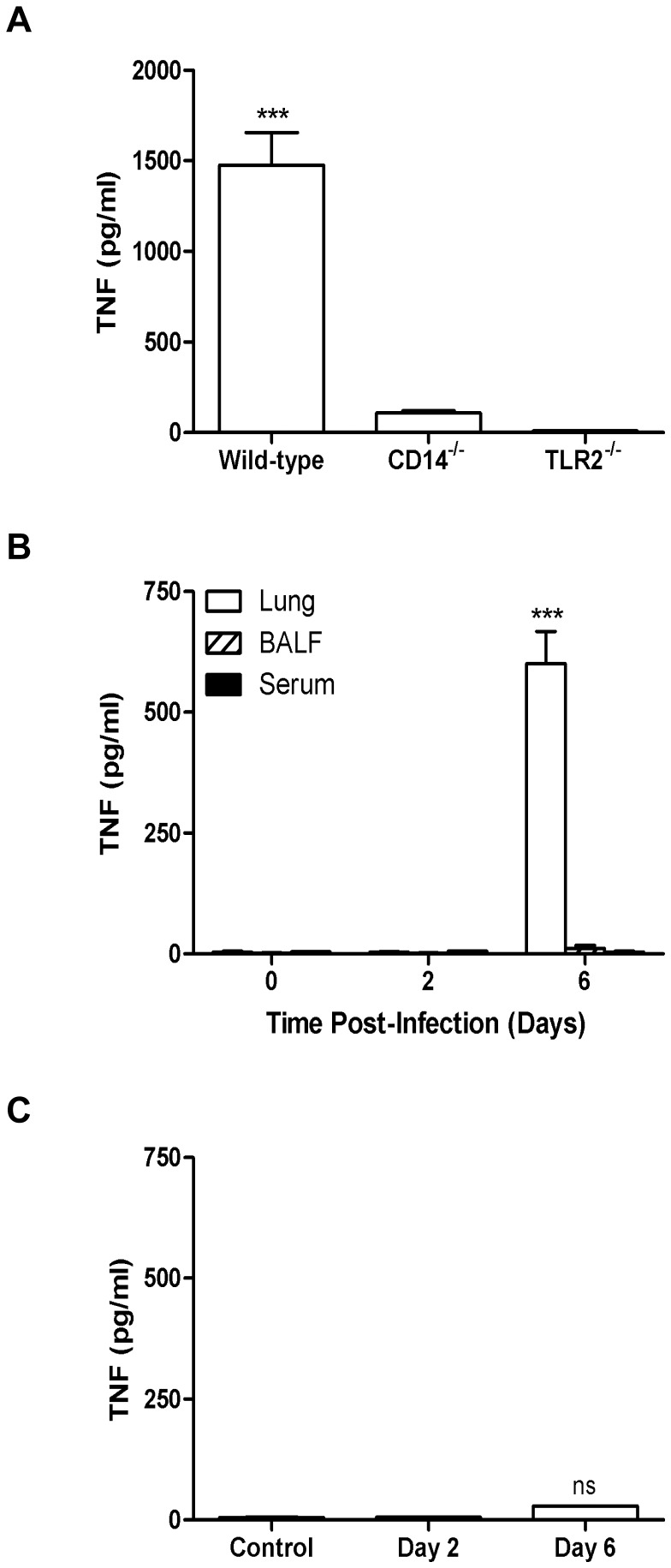
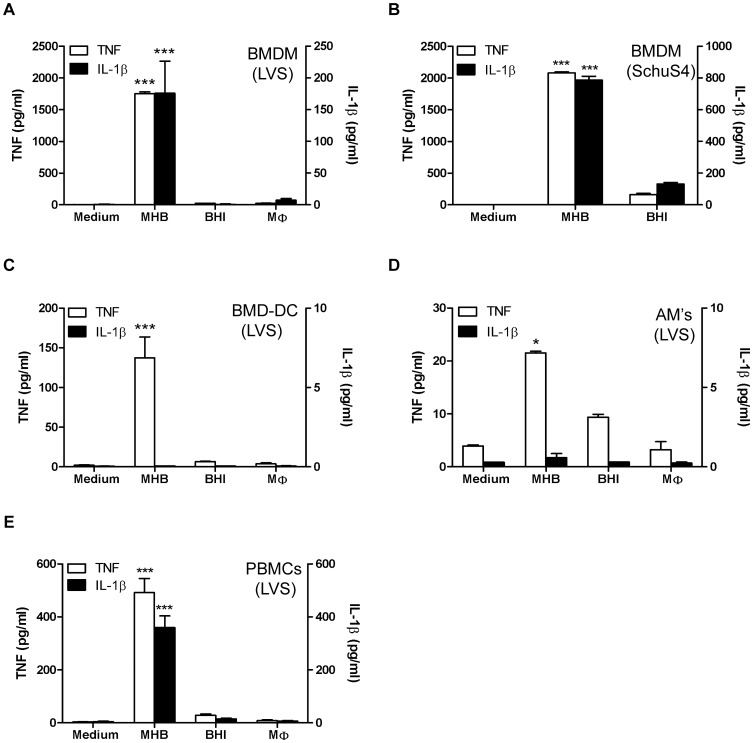
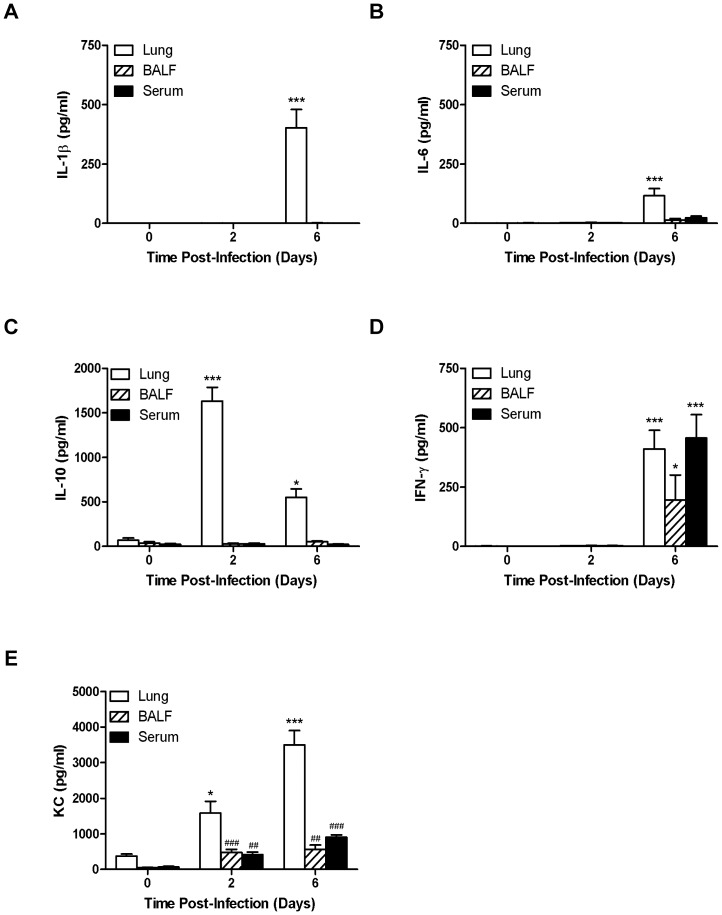
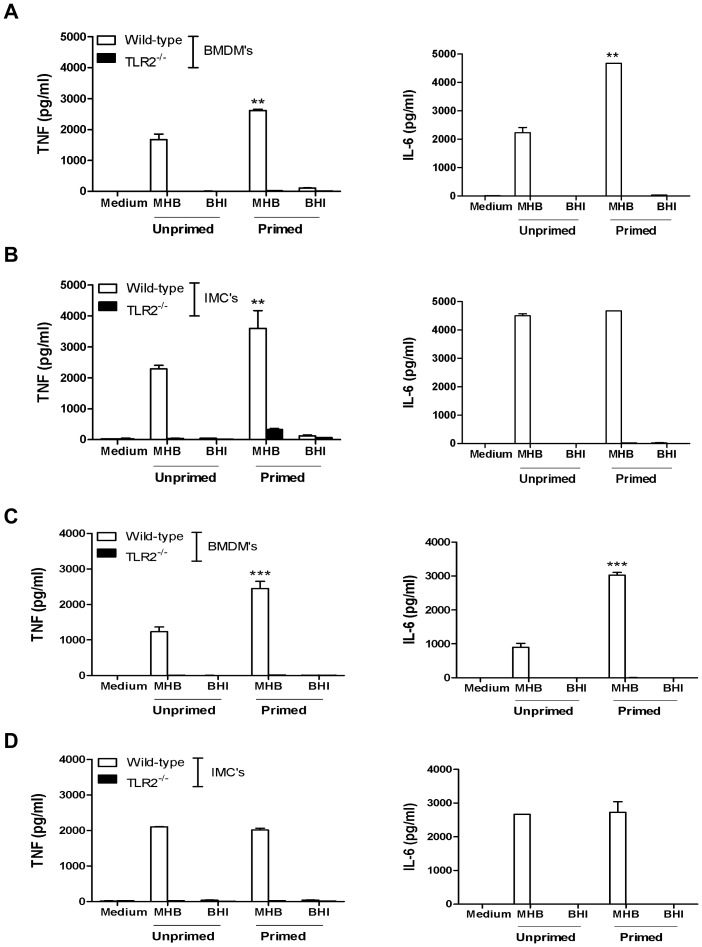
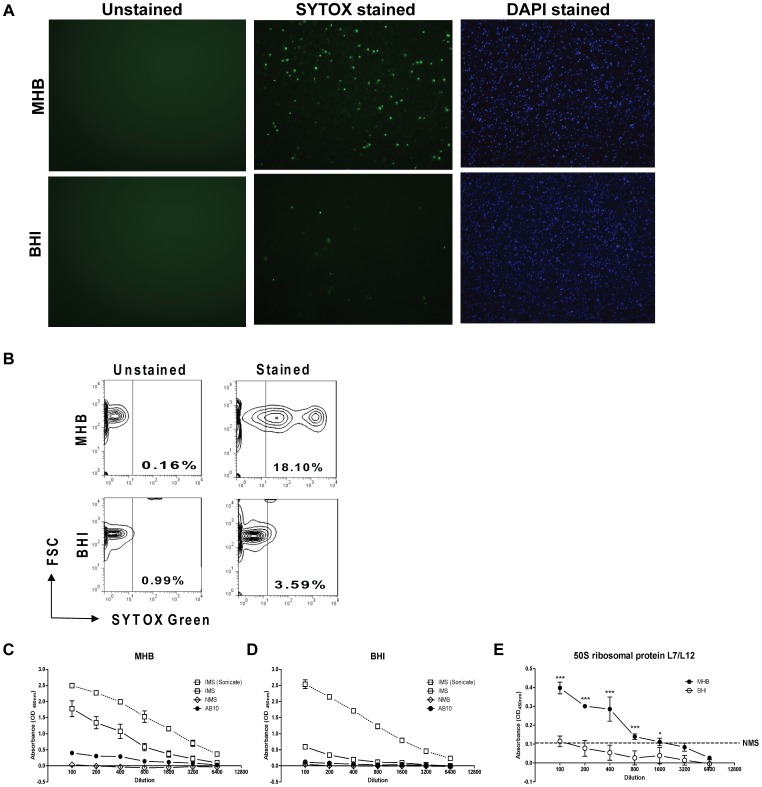
Francisella tularensis (Ft) is a highly infectious intracellular pathogen and the causative agent of tularemia. Because Ft can be dispersed via small droplet-aerosols and has a very low infectious dose it is characterized as a category A Select Agent of biological warfare. Respiratory infection with the attenuated Live Vaccine Strain (LVS) and the highly virulent SchuS4 strain of Ft engenders intense peribronchiolar and perivascular inflammation, but fails to elicit select pro-inflammatory mediators (e.g., TNF, IL-1β, IL-6, IL-12, and IFN-γ) within the first ~72 h. This in vivo finding is discordant with the principally TH1-oriented response to Ft frequently observed in cell-based studies wherein the aforementioned cytokines are produced. An often overlooked confounding factor in the interpretation of experimental results is the influence of environmental cues on the bacterium's capacity to elicit certain host responses. Herein, we reveal that adaptation of Ft to its mammalian host imparts an inability to elicit select pro-inflammatory mediators throughout the course of infection. Furthermore, in vitro findings that non-host adapted Ft elicits such a response from host cells reflect aberrant recognition of the DNA of structurally-compromised bacteria by AIM2-dependent and -independent host cell cytosolic DNA sensors. Growth of Ft in Muller-Hinton Broth or on Muller-Hinton-based chocolate agar plates or genetic mutation of Ft was found to compromise the structural integrity of the bacterium thus rendering it capable of aberrantly eliciting pro-inflammatory mediators (e.g., TNF, IL-1β, IL-6, IL-12, and IFN-γ). Our studies highlight the profound impact of different growth conditions on host cell response to infection and demonstrate that not all in vitro-derived findings may be relevant to tularemia pathogenesis in the mammalian host. Rational development of a vaccine and immunotherapeutics can only proceed from a foundation of knowledge based upon in vitro findings that recapitulate those observed during natural infection.
弗氏柠檬酸杆菌(Ft)是一种高度传染性的细胞内病原体,也是土拉热的病原体。由于 Ft 可以通过小飞沫气溶胶传播,且感染剂量极低,因此被归类为生物战剂 A 类选择剂。用减毒活疫苗株(LVS)和高度毒力的 Ft SchuS4 株进行呼吸道感染会引起强烈的细支气管和血管周围炎症,但在最初的 ~72 小时内不会引起特定的促炎介质(例如 TNF、IL-1β、IL-6、IL-12 和 IFN-γ)。这一体内发现与基于细胞的研究中经常观察到的针对 Ft 的主要 TH1 反应不一致,其中上述细胞因子是由产生的。在解释实验结果时,一个经常被忽视的混杂因素是环境线索对细菌引发某些宿主反应能力的影响。在此,我们揭示了 Ft 适应其哺乳动物宿主会使其在整个感染过程中无法引发特定的促炎介质。此外,体外发现非宿主适应的 Ft 会引起宿主细胞产生这种反应,这反映了结构受损细菌的 DNA 被 AIM2 依赖和非依赖的宿主细胞细胞质 DNA 传感器异常识别。发现 Ft 在 Muller-Hinton 肉汤或 Muller-Hinton 基础巧克力琼脂平板中生长或 Ft 基因突变会损害细菌的结构完整性,从而使其能够异常引发促炎介质(例如 TNF、IL-1β、IL-6、IL-12 和 IFN-γ)。我们的研究强调了不同生长条件对宿主细胞对感染反应的深远影响,并表明并非所有体外研究结果都与哺乳动物宿主中的土拉热发病机制相关。只有在基于体外研究结果的基础上,才能合理地开发疫苗和免疫疗法,这些结果能够重现自然感染过程中观察到的结果。