Mlcochova Petra, Sutherland Katherine A, Watters Sarah A, Bertoli Cosetta, de Bruin Rob Am, Rehwinkel Jan, Neil Stuart J, Lenzi Gina M, Kim Baek, Khwaja Asim, Gage Matthew C, Georgiou Christiana, Chittka Alexandra, Yona Simon, Noursadeghi Mahdad, Towers Greg J, Gupta Ravindra K
Division of Infection and Immunity, University College London, London, UK.
MRC Laboratory for Molecular Cell Biology, University College London, London, UK.
EMBO J. 2017 Mar 1;36(5):604-616. doi: 10.15252/embj.201696025. Epub 2017 Jan 25.
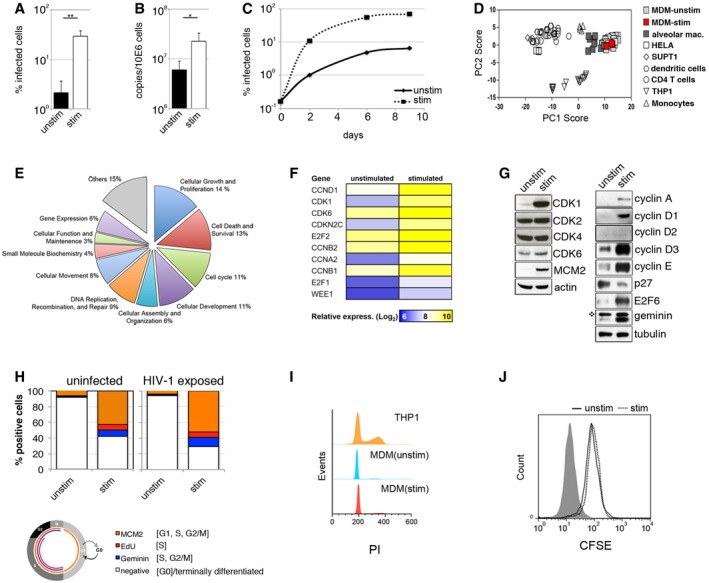
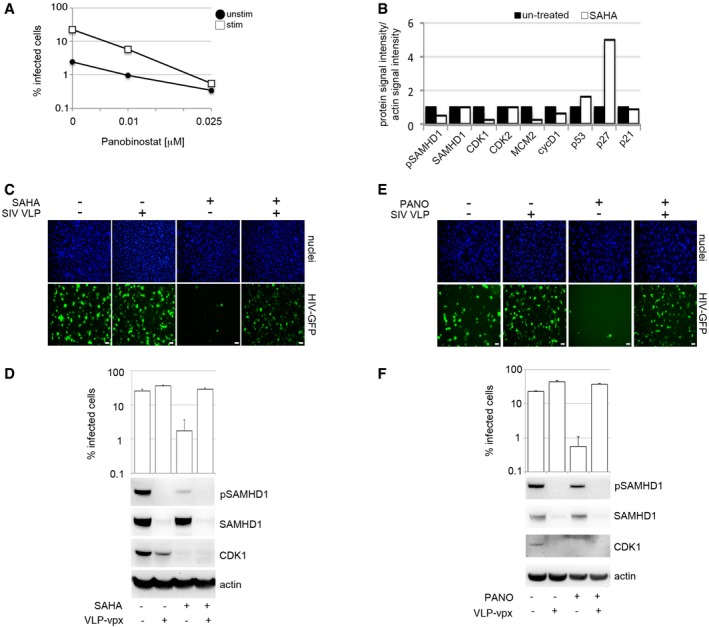
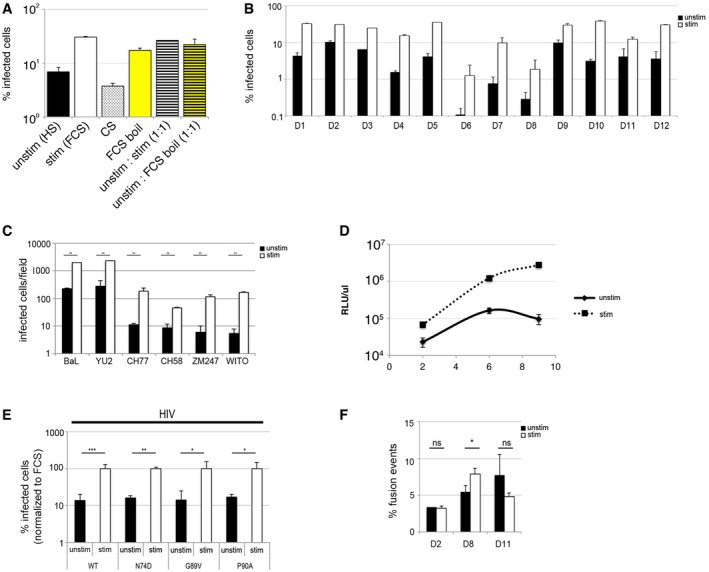
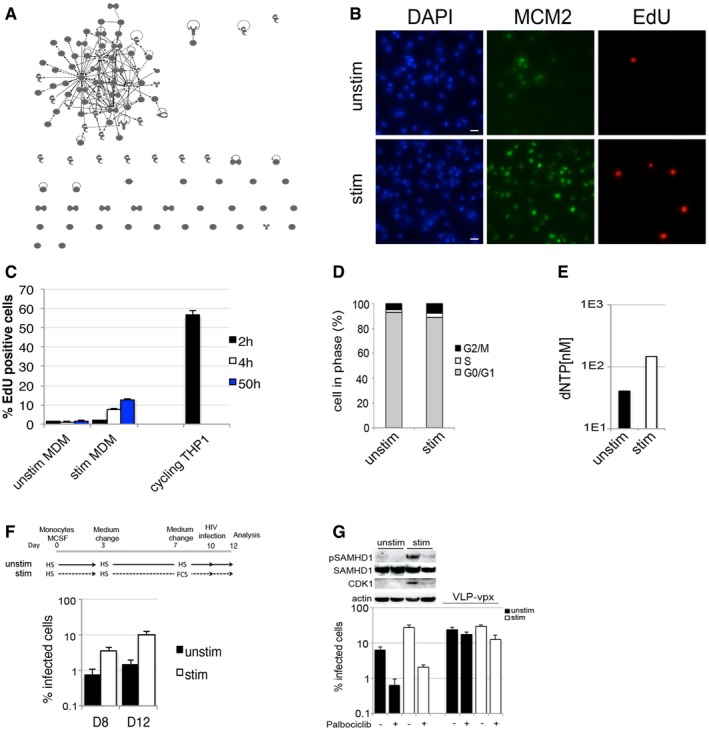
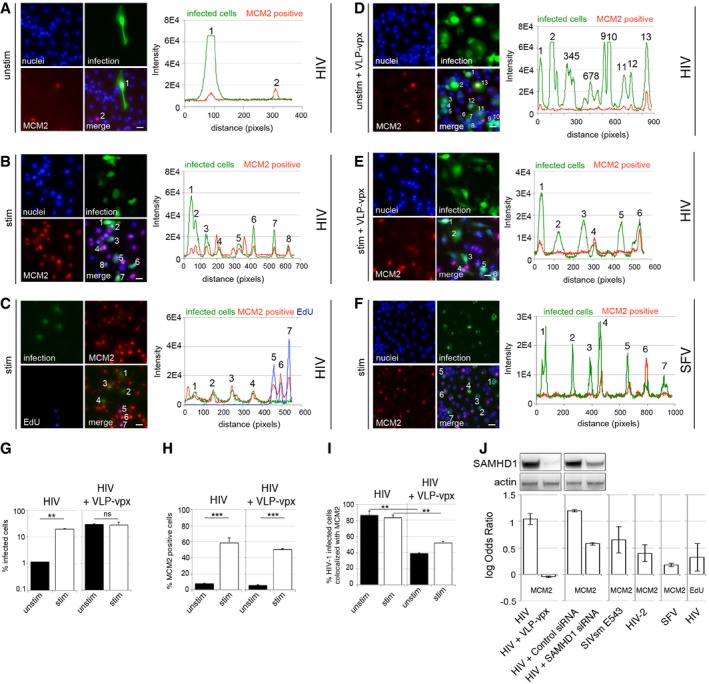
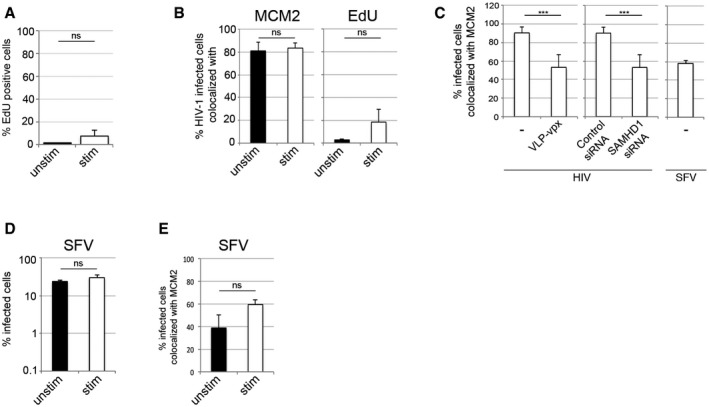
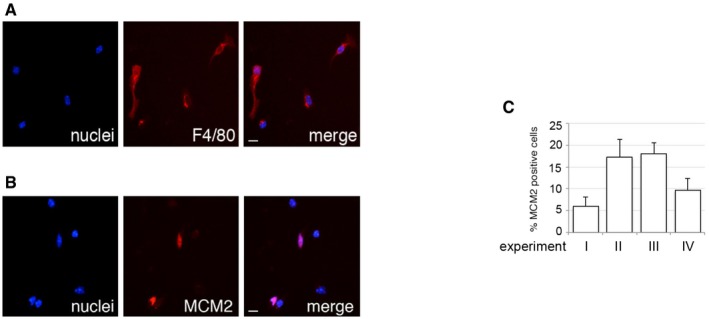
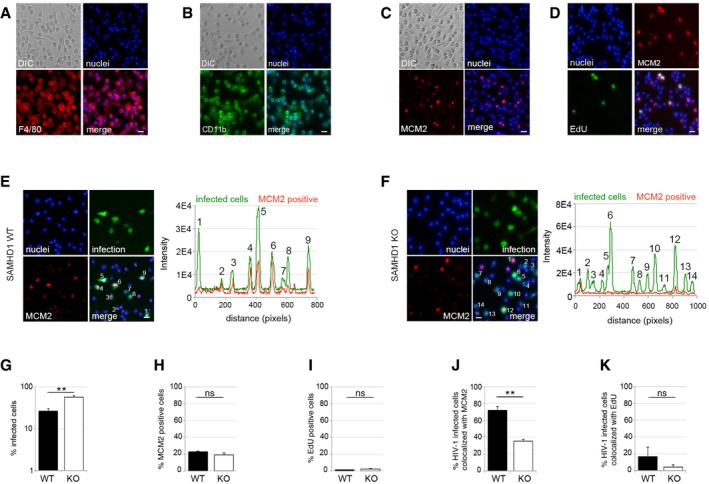
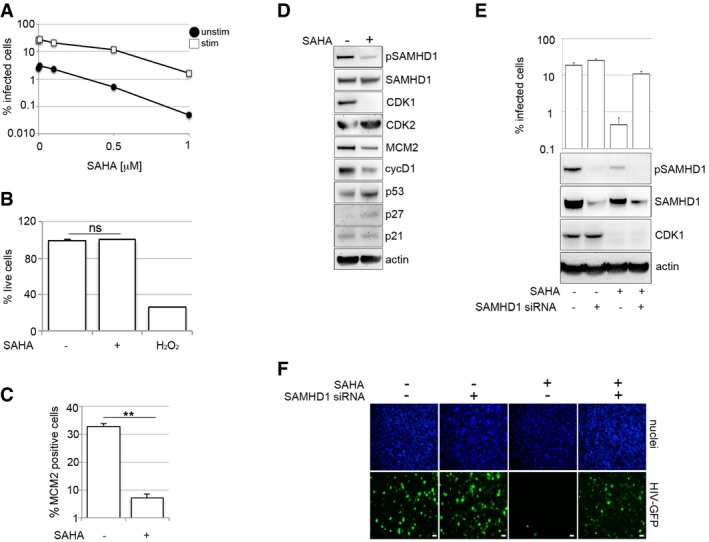
An unresolved question is how HIV-1 achieves efficient replication in terminally differentiated macrophages despite the restriction factor SAMHD1. We reveal inducible changes in expression of cell cycle-associated proteins including MCM2 and cyclins A, E, D1/D3 in macrophages, without evidence for DNA synthesis or mitosis. These changes are induced by activation of the Raf/MEK/ERK kinase cascade, culminating in upregulation of CDK1 with subsequent SAMHD1 T592 phosphorylation and deactivation of its antiviral activity. HIV infection is limited to these G1-like phase macrophages at the single-cell level. Depletion of SAMHD1 in macrophages decouples the association between infection and expression of cell cycle-associated proteins, with terminally differentiated macrophages becoming highly susceptible to HIV-1. We observe both embryo-derived and monocyte-derived tissue-resident macrophages in a G1-like phase at frequencies approaching 20%, suggesting how macrophages sustain HIV-1 replication Finally, we reveal a SAMHD1-dependent antiretroviral activity of histone deacetylase inhibitors acting via p53 activation. These data provide a basis for host-directed therapeutic approaches aimed at limiting HIV-1 burden in macrophages that may contribute to curative interventions.
一个尚未解决的问题是,尽管存在限制因子SAMHD1,HIV-1如何在终末分化的巨噬细胞中实现高效复制。我们发现巨噬细胞中与细胞周期相关的蛋白质(包括MCM2和细胞周期蛋白A、E、D1/D3)的表达发生了可诱导的变化,但没有DNA合成或有丝分裂的证据。这些变化是由Raf/MEK/ERK激酶级联反应的激活诱导的,最终导致CDK1上调,随后SAMHD1的T592位点磷酸化并使其抗病毒活性失活。在单细胞水平上,HIV感染仅限于这些类似G1期的巨噬细胞。巨噬细胞中SAMHD1的缺失消除了感染与细胞周期相关蛋白表达之间的关联,终末分化的巨噬细胞变得对HIV-1高度敏感。我们观察到胚胎来源和单核细胞来源的组织驻留巨噬细胞处于类似G1期的频率接近 20%,这表明了巨噬细胞维持HIV-1复制的方式。最后,我们揭示了组蛋白去乙酰化酶抑制剂通过激活p53发挥的SAMHD1依赖性抗逆转录病毒活性。这些数据为旨在限制巨噬细胞中HIV-1负担的宿主导向治疗方法提供了基础,这可能有助于治愈性干预。