Liu Juan, Zhou Xiang, Li Qing, Zhou Shu-Min, Hu Bin, Hu Guo-Wen, Niu Xin, Guo Shang-Chun, Wang Yang, Deng Zhi-Feng
Department of Neurosurgery, Shanghai Jiao Tong University Affiliated Sixth People's Hospital, Shanghai, China.
Department of Neurosurgery, Shanghai Jiao Tong University Affiliated Sixth People's Hospital, Shanghai, China; Graduate School of Nanchang University, Nanchang, China.
Biomed Res Int. 2017;2017:2957538. doi: 10.1155/2017/2957538. Epub 2017 Jan 3.
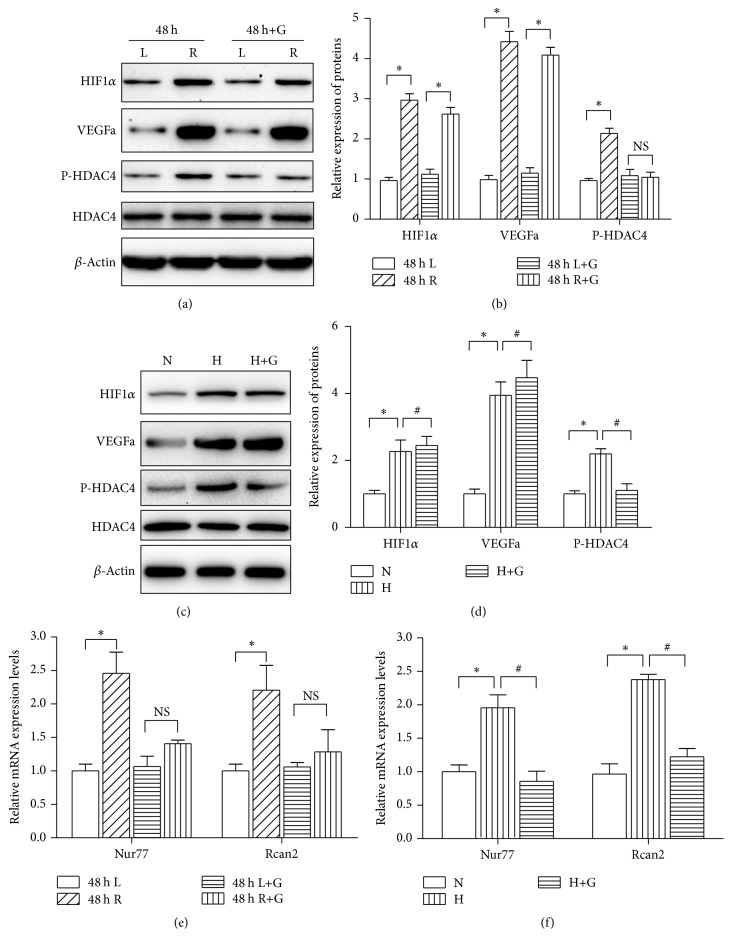
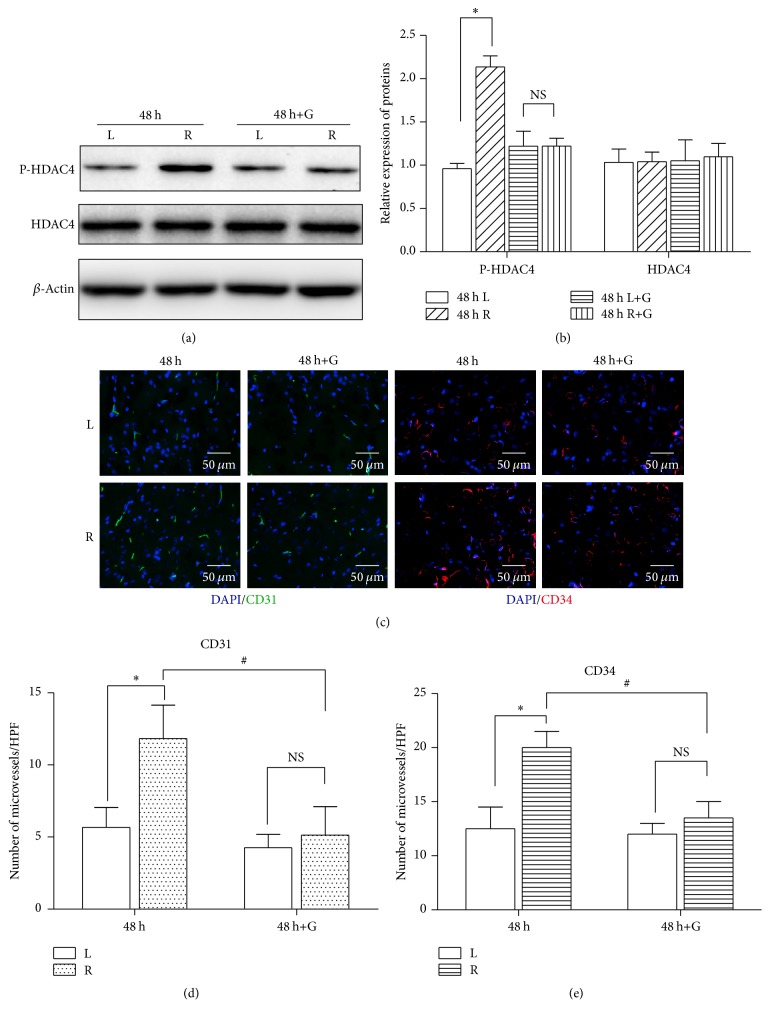
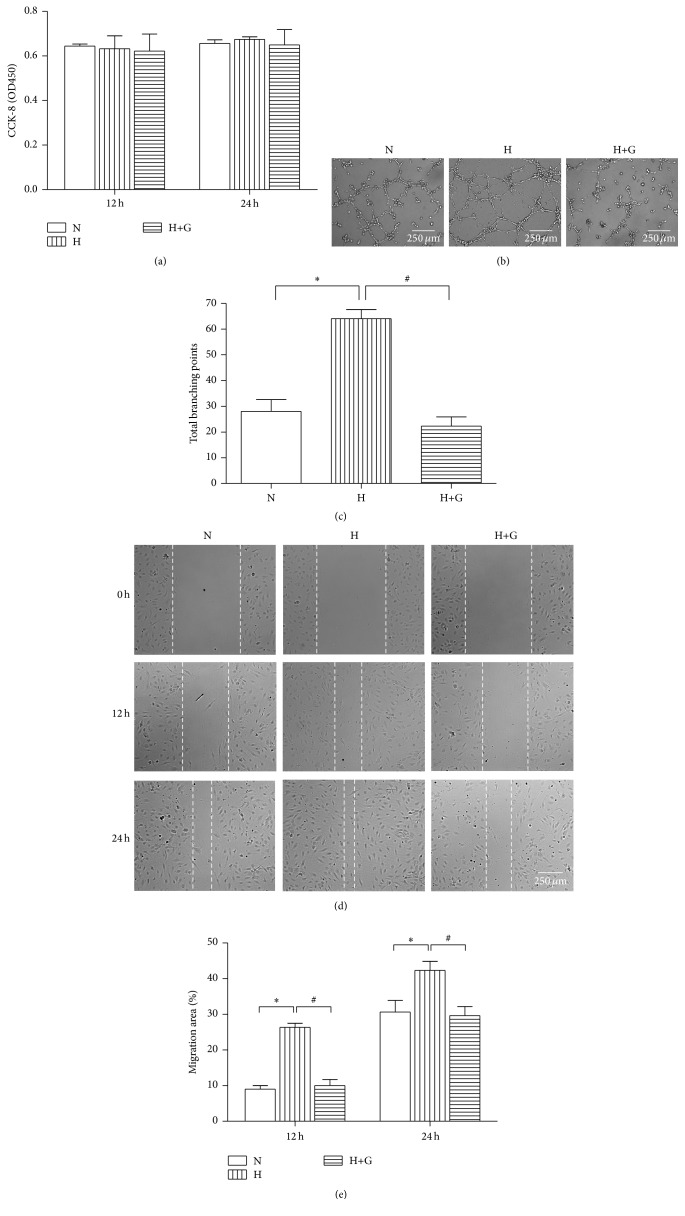
Acetylation or deacetylation of chromatin proteins and transcription factors is part of a complex signaling system that is involved in the control of neurological disorders. Recent studies have demonstrated that histone deacetylases (HDACs) exert protective effects in attenuating neuronal injury after ischemic insults. Class IIa HDAC4 is highly expressed in the brain, and neuronal activity depends on the nucleocytoplasmic shuttling of HDAC4. However, little is known about HDAC4 and its roles in ischemic stroke. In this study, we report that phosphorylation of HDAC4 was remarkably upregulated after stroke and blockade of HDAC4 phosphorylation with GÖ6976 repressed stroke-induced angiogenesis. Phosphorylation of HDAC4 was also increased in endothelial cells hypoxia model and suppression of HDAC4 phosphorylation inhibited the tube formation and migration of endothelial cells in vitro. Furthermore, in addition to the inhibition of angiogenesis, blockade of HDAC4 phosphorylation suppressed the expression of genes downstream of HIF-VEGF signaling in vitro and in vivo. These data indicate that phosphorylated HDAC4 may serve as an important regulator in stroke-induced angiogenesis. The protective mechanism of phosphorylated HDAC4 is associated with HIF-VEGF signaling, implicating a novel therapeutic target in stroke.
染色质蛋白和转录因子的乙酰化或去乙酰化是复杂信号系统的一部分,该信号系统参与神经疾病的控制。最近的研究表明,组蛋白脱乙酰酶(HDACs)在减轻缺血性损伤后的神经元损伤方面发挥保护作用。IIa类HDAC4在大脑中高度表达,神经元活动依赖于HDAC4的核质穿梭。然而,关于HDAC4及其在缺血性中风中的作用知之甚少。在本研究中,我们报告中风后HDAC4的磷酸化显著上调,用GÖ6976阻断HDAC4磷酸化可抑制中风诱导的血管生成。在缺氧内皮细胞模型中HDAC4的磷酸化也增加,抑制HDAC4磷酸化可抑制体外内皮细胞的管腔形成和迁移。此外,除了抑制血管生成外,阻断HDAC4磷酸化在体外和体内均抑制HIF-VEGF信号下游基因的表达。这些数据表明,磷酸化的HDAC4可能是中风诱导血管生成的重要调节因子。磷酸化HDAC4的保护机制与HIF-VEGF信号有关,提示中风有一个新的治疗靶点。