Guo Xiaoou, Xu Jingjing, Cui Xiaohui, Chen Hao, Qi Hongyan
College of Horticulture, Key Laboratory of Protected Horticulture of Education Ministry and Liaoning Province, Collaborative innovation center of protected vegetable suround Bohai gulf region Shenyang, Shenyang Agricultural University, Liaoning, 110866, People's Republic of China.
BMC Plant Biol. 2017 Jan 28;17(1):28. doi: 10.1186/s12870-017-0977-7.
Oriental melon is one of the most popular crops for its nutritional and flavour quality. Components that determine melon quality, such as sugar, colour, texture, flavour and aroma, among other factors, accumulate in different developmental stages. Thus, correlating the proteomic profiles with the biochemical and physiological changes occurring in the oriental melon is very important for advancing our understanding of oriental melon quality in the ripening processes.
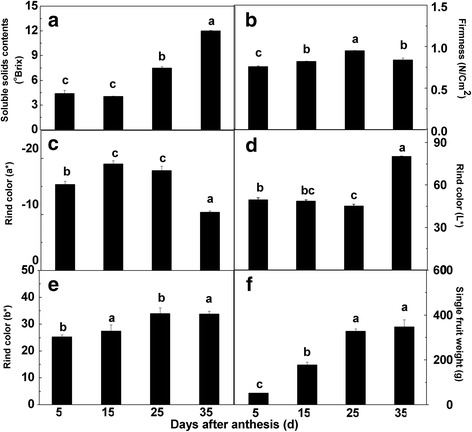
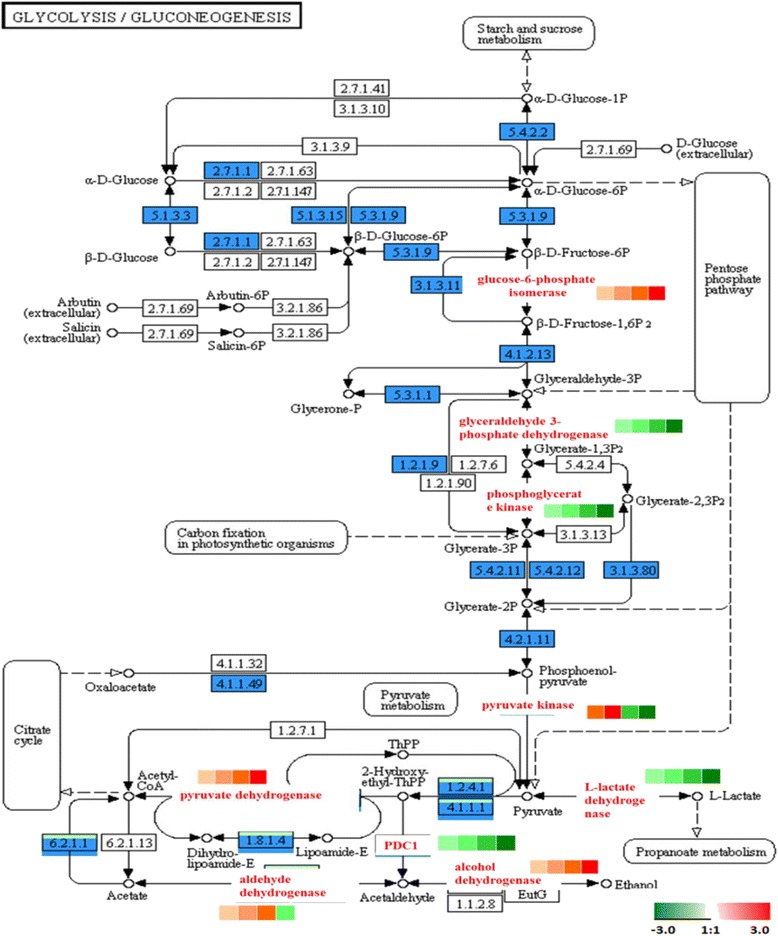
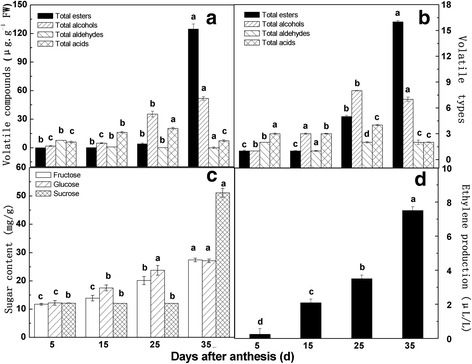
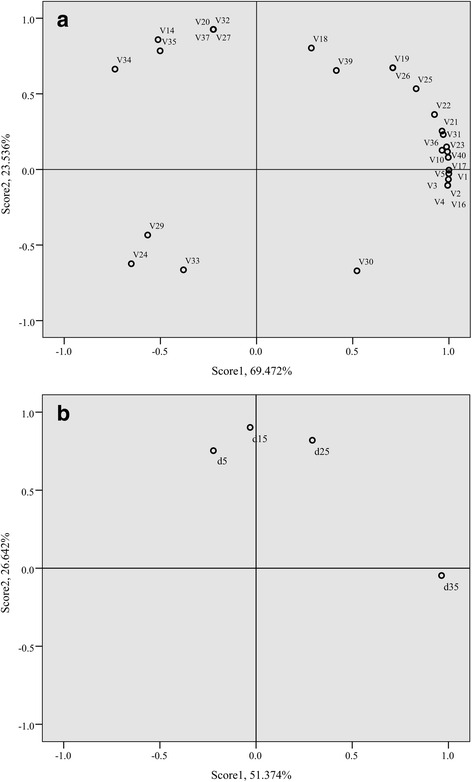
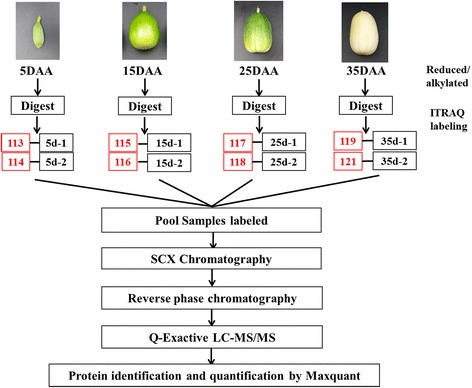
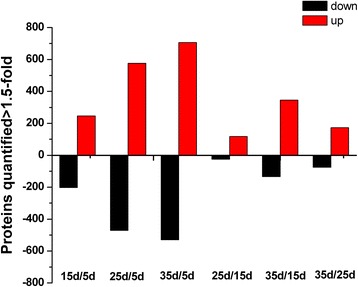
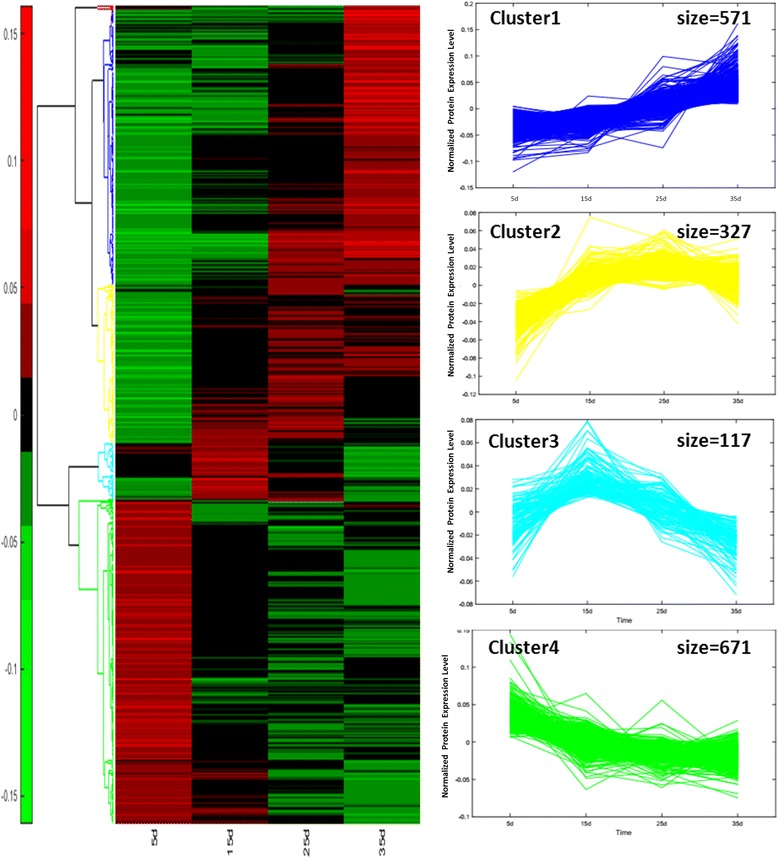
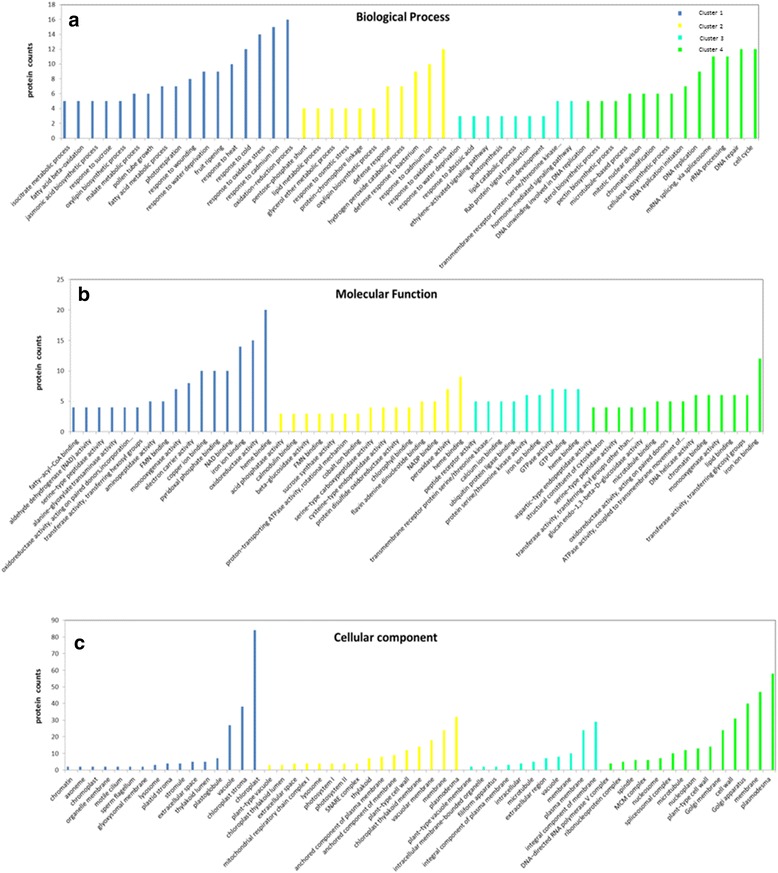
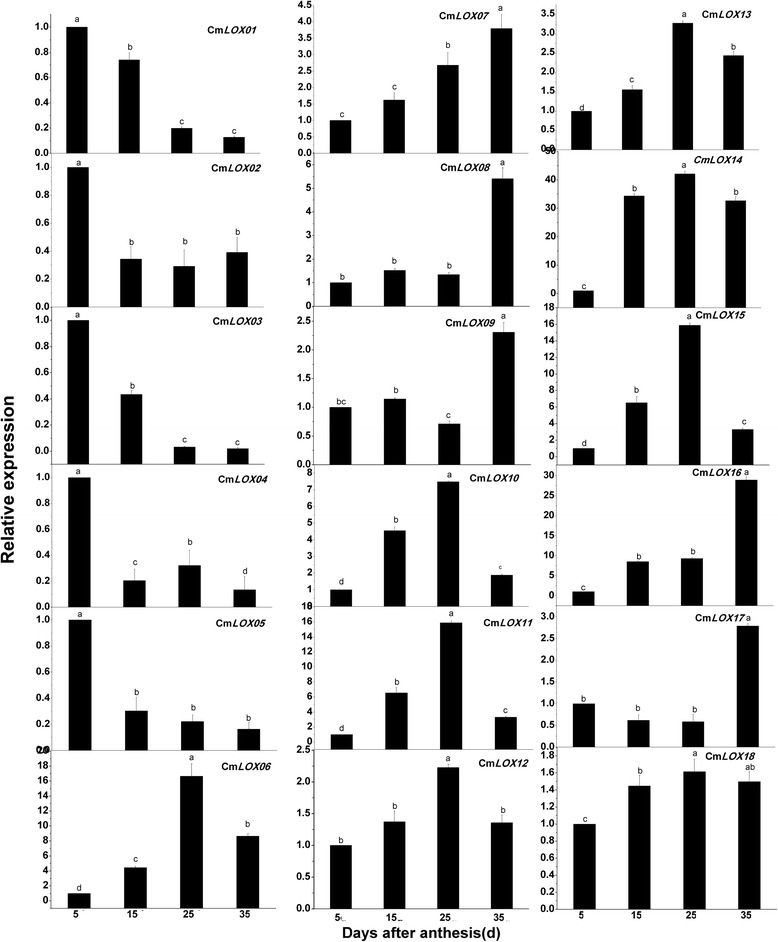
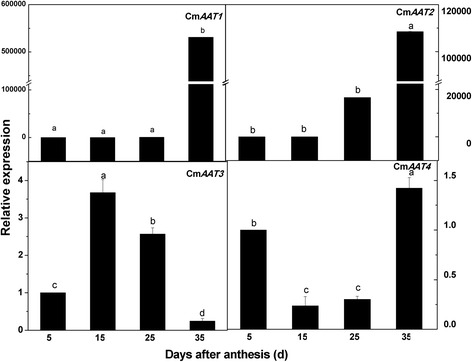
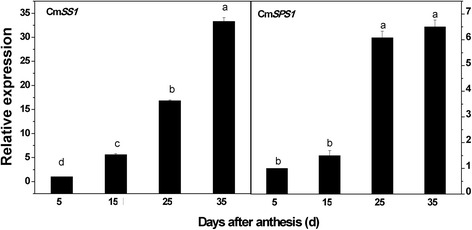
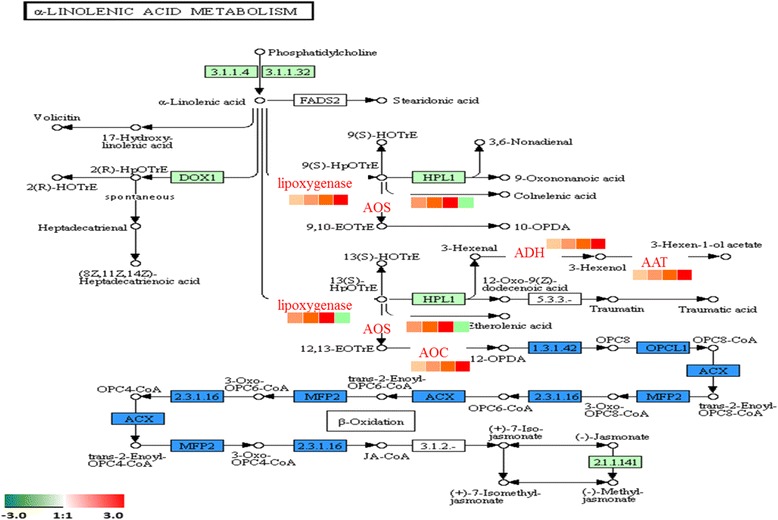
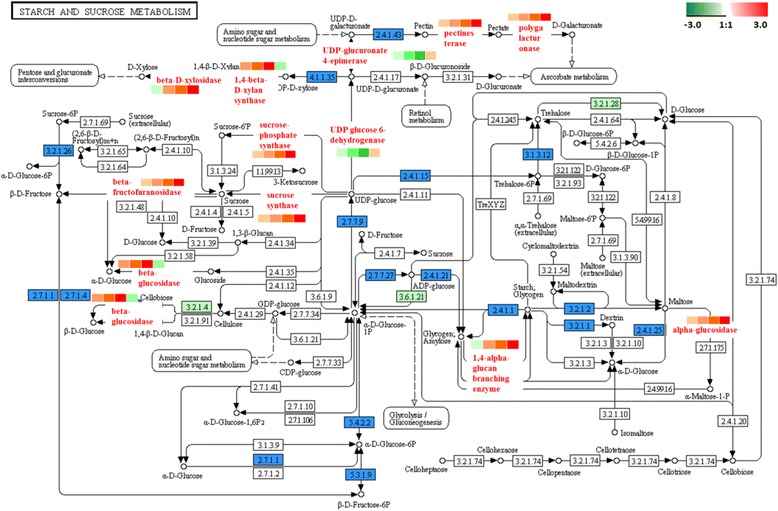
iTRAQ-based protein profiling was conducted on 'YuMeiren' oriental melon fruit at different developmental stages. Physiological quality indices, including firmness, rind colour, soluble solids content (SSC), ethylene production, sugar content and volatile compounds were also characterized during four maturity periods of the melon, including 5, 15, 25 and 35 days after anthesis (DAA). A principal component analysis (PCA) revealed that the aroma volatiles at 5 DAA and 15 DAA were similar and separated from that of 35 DAA. More than 5835 proteins were identified and quantified in the two biological repeats and divided into 4 clusters by hierarchical cluster analysis. A functional analysis was performed using Blast2GO software based on the enrichment of a GO analysis for biological process, molecular function and cellular components. The main KEGG pathways, such as glycolysis, α-linolenic acid and starch and sucrose metabolism, were analyzed. The gene family members corresponding to differentially expressed proteins, including lipoxygenase (CmLOX01-18) and alcohol acetyltransferase (CmAAT1-4) involved in the α-linolenic acid metabolic pathway, were verified with real-time qPCR. The results showed that the expression patterns of 64.7% of the genes were consistent with the expression patterns of the corresponding proteins.
This study combined the variation of the quality index and differentially expressed proteins of oriental melon at different developmental stages that laid the foundation for the subsequent protein and gene function validation.
东方甜瓜因其营养和风味品质而成为最受欢迎的作物之一。决定甜瓜品质的成分,如糖分、颜色、质地、风味和香气等,在不同发育阶段积累。因此,将蛋白质组学图谱与东方甜瓜成熟过程中发生的生化和生理变化相关联,对于增进我们对东方甜瓜品质的理解非常重要。
对不同发育阶段的‘玉美人’东方甜瓜果实进行了基于iTRAQ的蛋白质谱分析。在甜瓜的四个成熟期,包括开花后天数(DAA)5、15、25和35天,还对生理品质指标进行了表征,包括硬度、果皮颜色、可溶性固形物含量(SSC)、乙烯产量、糖分含量和挥发性化合物。主成分分析(PCA)显示,5 DAA和15 DAA时的香气挥发物相似,与35 DAA时的不同。在两个生物学重复中鉴定并定量了超过5835种蛋白质,并通过层次聚类分析将其分为4个簇。基于对生物过程、分子功能和细胞成分的GO分析富集,使用Blast2GO软件进行了功能分析。分析了主要的KEGG途径,如糖酵解、α-亚麻酸以及淀粉和蔗糖代谢。通过实时qPCR验证了与差异表达蛋白对应的基因家族成员,包括参与α-亚麻酸代谢途径的脂氧合酶(CmLOXs01-18)和乙醇乙酰转移酶(CmAATs1-4)。结果表明,64.7%的基因表达模式与相应蛋白质的表达模式一致。
本研究结合了东方甜瓜不同发育阶段品质指标和差异表达蛋白的变化,为后续蛋白质和基因功能验证奠定了基础。