Maria Sifat, Swanson Mark H, Enderby Larry T, D'Amico Frank, Enderby Brianna, Samsonraj Rebekah M, Dudakovic Amel, van Wijnen Andre J, Witt-Enderby Paula A
Division of Pharmaceutical Sciences, Duquesne University School of Pharmacy, Pittsburgh, PA 15282, USA.
Functional Medicine, Heart Preventics, LLC, Sequim, WA 98382, USA.
Aging (Albany NY). 2017 Jan 26;9(1):256-285. doi: 10.18632/aging.101158.
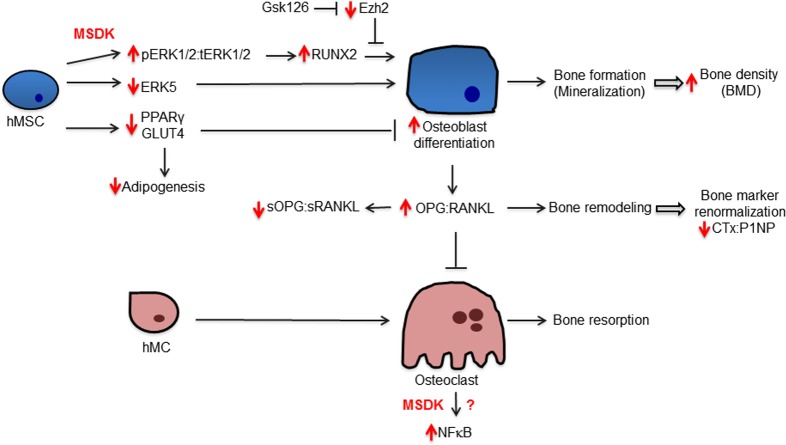
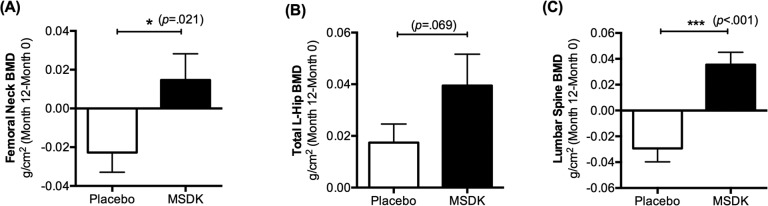
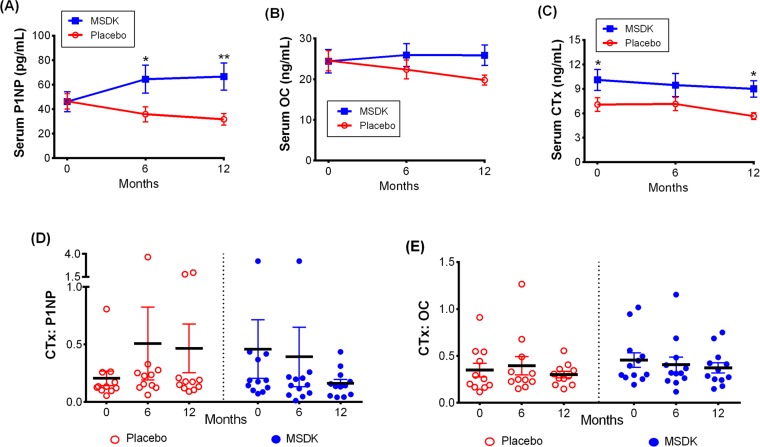
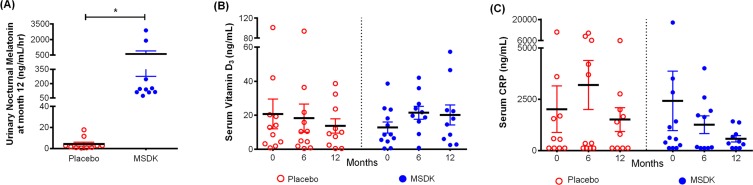
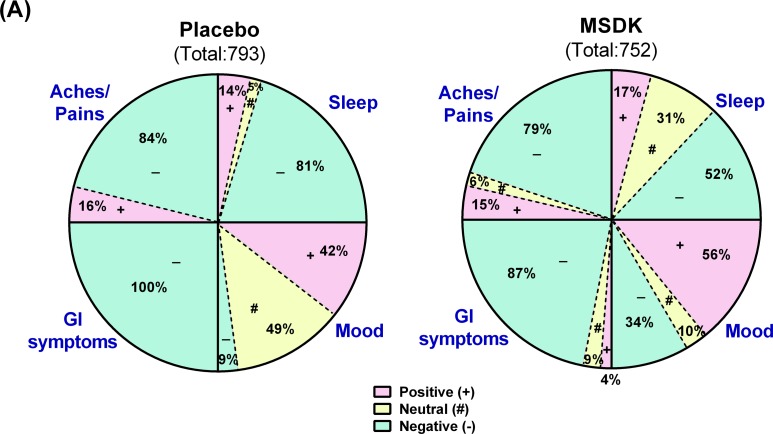
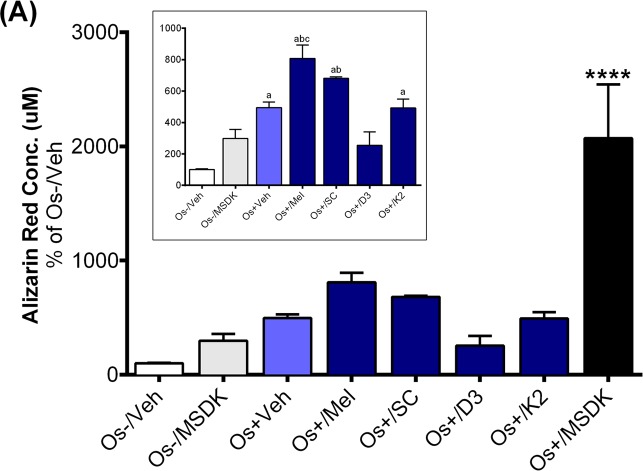
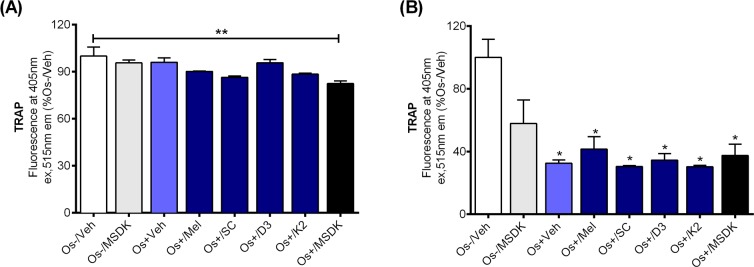
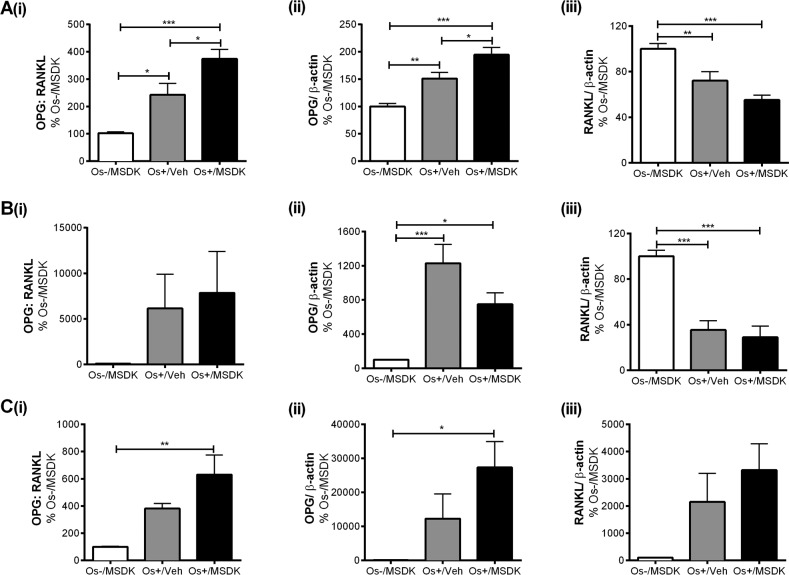
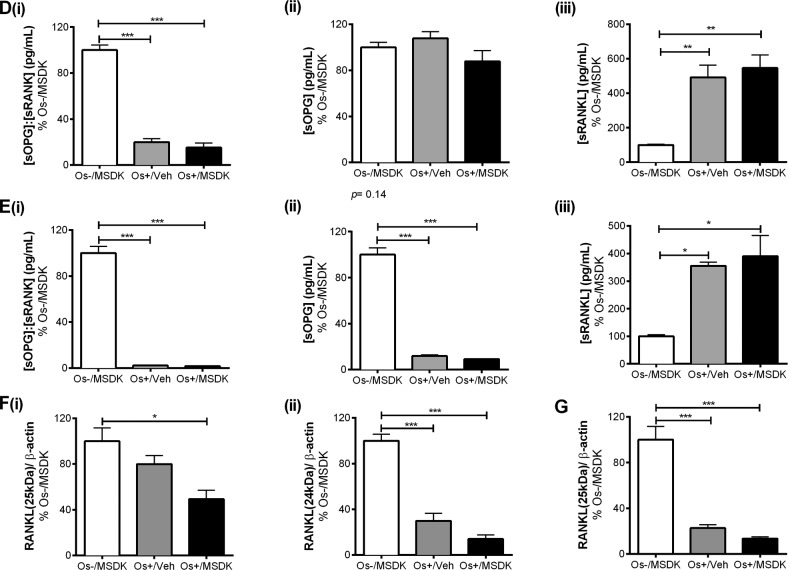
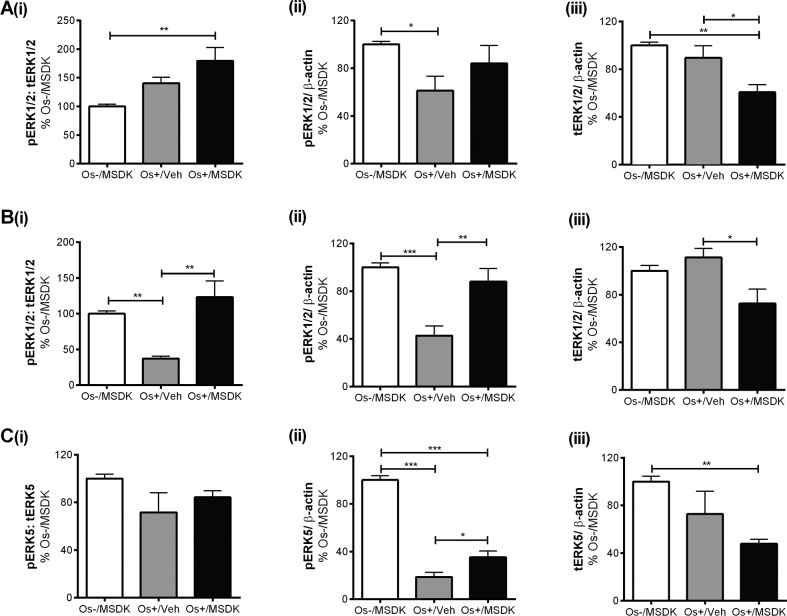
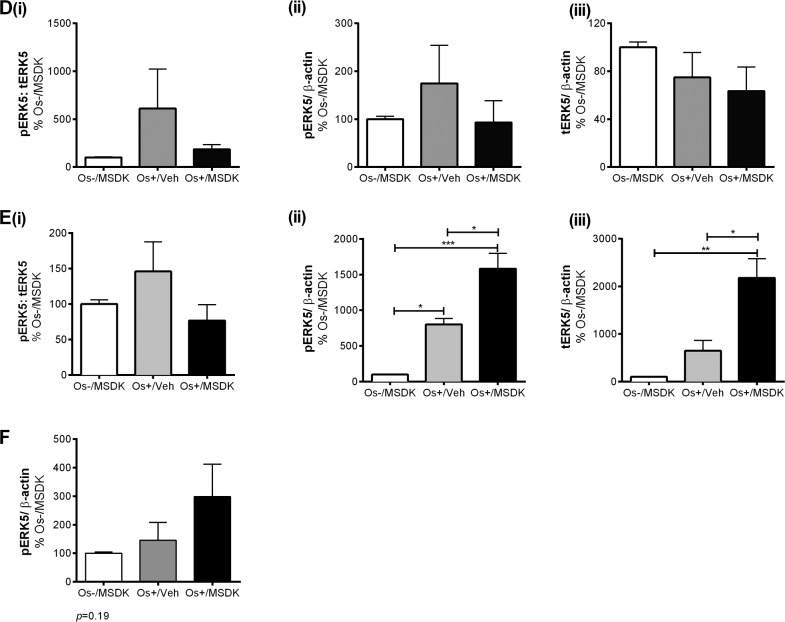
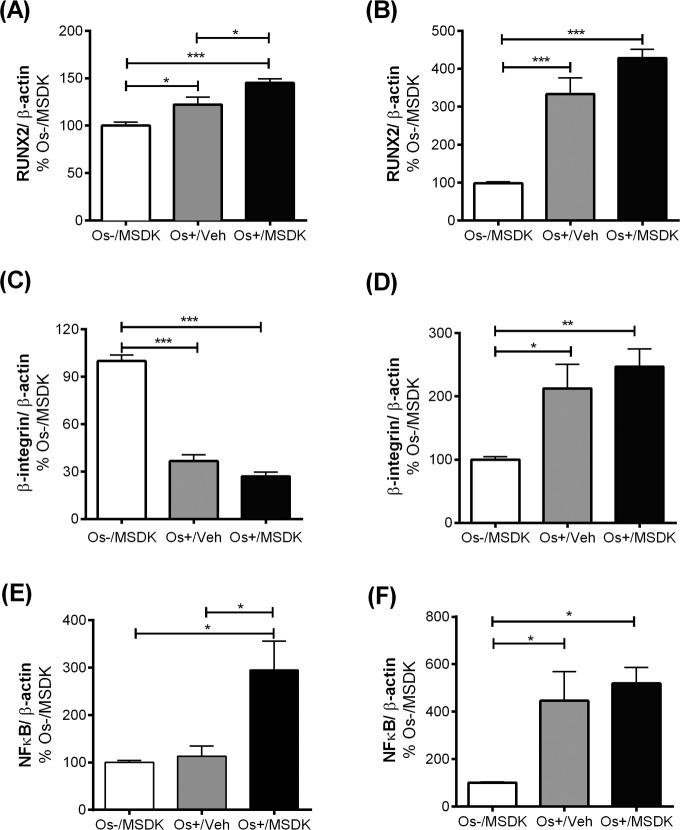
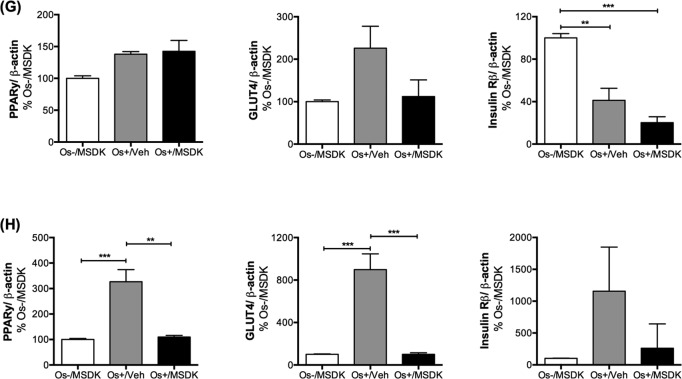
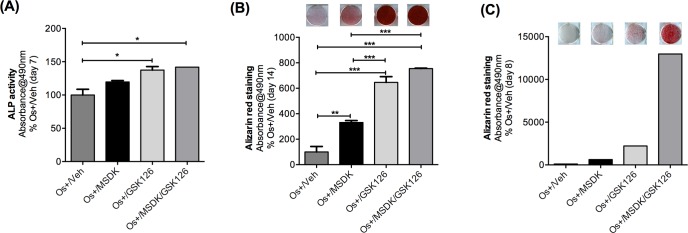
This one-year double blind randomized control trial assessed the effects of nightly melatonin, strontium (citrate), vitamin D3 and vitamin K2 (MK7; MSDK) on bone mineral density (BMD) and quality of life (QOL) in postmenopausal osteopenic women (ages 49-75). Compared to placebo, MSDK treatment increased BMD in lumbar spine (4.3%) and left femoral neck (2.2%), with an upward trend for total left hip (p=0.069). MSDK increased serum P1NP levels and reduced bone turnover (CTx:P1NP). Psychometric analyses indicated that mood and sleep quality improved for the MSDK group. MSDK-exposed human mesenchymal stem cells (hMSCs) and human peripheral blood monocytes (hPBMCs) plated in transwells or layered demonstrated increases in osteoblastogenesis, decreases in osteoclastogenesis, increases in OPG (TNFRSF11B) and decreases in RANKL (TNFSF11) levels. In transwell osteoblasts, MSDK increased pERK1/2 (MAPK1/MAPK3) and RUNX2 levels; decreased ERK5 (MAPK7); and did not affect the expression of NFκB (NFKB1) and β1integrin (ITGB1). In layered osteoblasts, MSDK also decreased expression of the metabolic proteins PPARγ (PPARG) and GLUT4 (SLC2A4). In adipose-derived human MSCs, MSDK induced osteoblastogenesis. These findings provide both clinical and mechanistic support for the use of MSDK for the prevention or treatment of osteopenia, osteoporosis or other bone-related diseases.
这项为期一年的双盲随机对照试验评估了夜间服用褪黑素、柠檬酸锶、维生素D3和维生素K2(MK7;MSDK)对绝经后骨质减少女性(49 - 75岁)骨密度(BMD)和生活质量(QOL)的影响。与安慰剂相比,MSDK治疗使腰椎骨密度增加了4.3%,左股骨颈骨密度增加了2.2%,左全髋骨密度有上升趋势(p = 0.069)。MSDK提高了血清I型前胶原氨基端前肽(P1NP)水平并降低了骨转换(I型胶原交联C末端肽:P1NP)。心理测量分析表明,MSDK组的情绪和睡眠质量有所改善。接种于Transwell小室或铺层培养的经MSDK处理的人间充质干细胞(hMSCs)和人外周血单核细胞(hPBMCs)显示成骨细胞生成增加,破骨细胞生成减少,骨保护素(OPG,肿瘤坏死因子受体超家族成员11B)增加,核因子κB受体活化因子配体(RANKL,肿瘤坏死因子配体超家族成员11)水平降低。在Transwell小室培养的成骨细胞中,MSDK增加了磷酸化细胞外信号调节激酶1/2(pERK1/2,丝裂原活化蛋白激酶1/丝裂原活化蛋白激酶3)和RUNX2水平;降低了细胞外信号调节激酶5(ERK5,丝裂原活化蛋白激酶7);并且不影响核因子κB(NFκB1)和β1整合素(ITGB1)的表达。在铺层培养的成骨细胞中,MSDK还降低了代谢蛋白过氧化物酶体增殖物激活受体γ(PPARγ,PPARG)和葡萄糖转运蛋白4(GLUT4,溶质载体家族2成员4)的表达。在脂肪来源的人间充质干细胞中,MSDK诱导了成骨细胞生成。这些发现为使用MSDK预防或治疗骨质减少、骨质疏松或其他骨相关疾病提供了临床和机制方面的支持。