Department of Neuropsychiatry, Keio University School of Medicine, Tokyo 160-8582, Japan.
Research Fellow of Japan Society for the Promotion of Science (RPD), Tokyo 102-0083, Japan.
Nat Commun. 2017 Feb 1;8:14304. doi: 10.1038/ncomms14304.
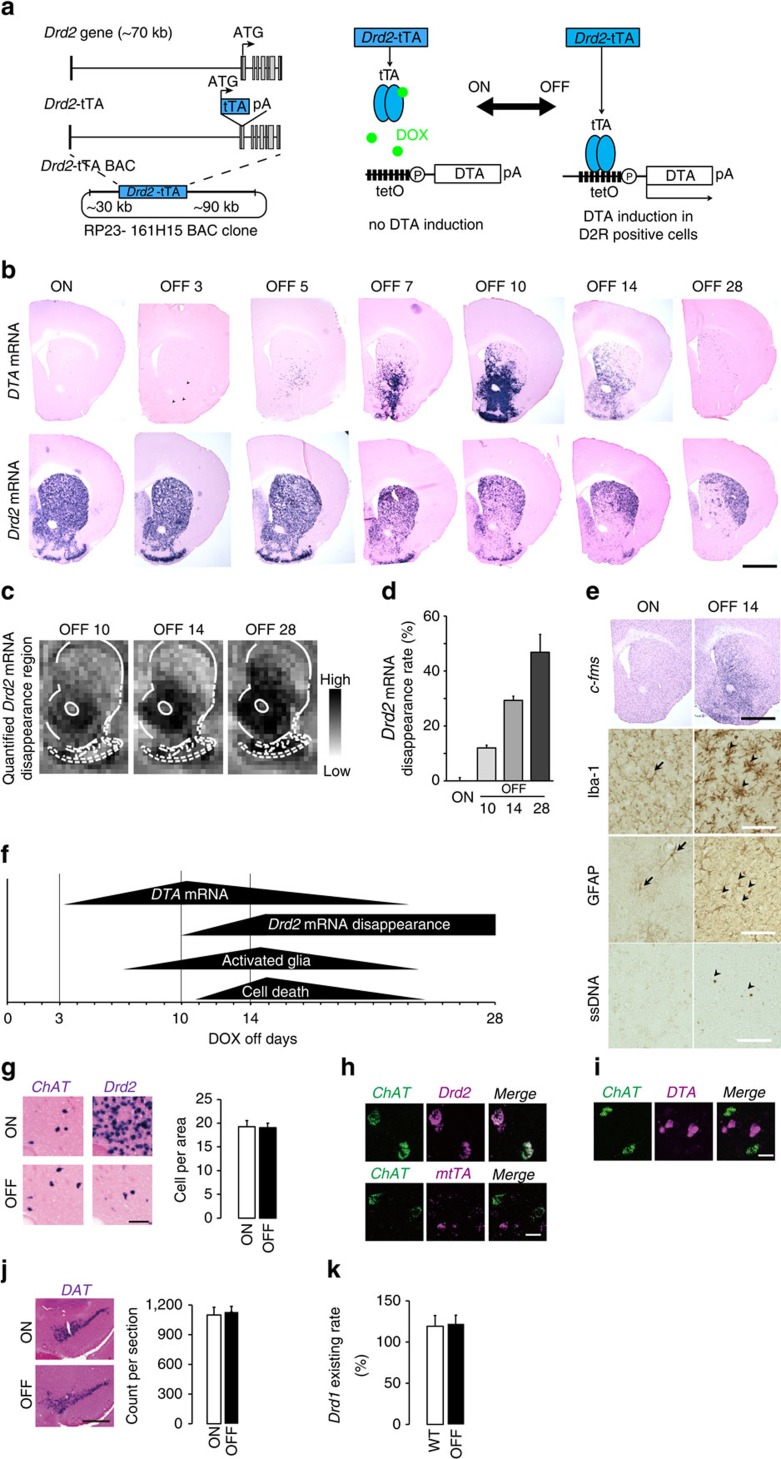
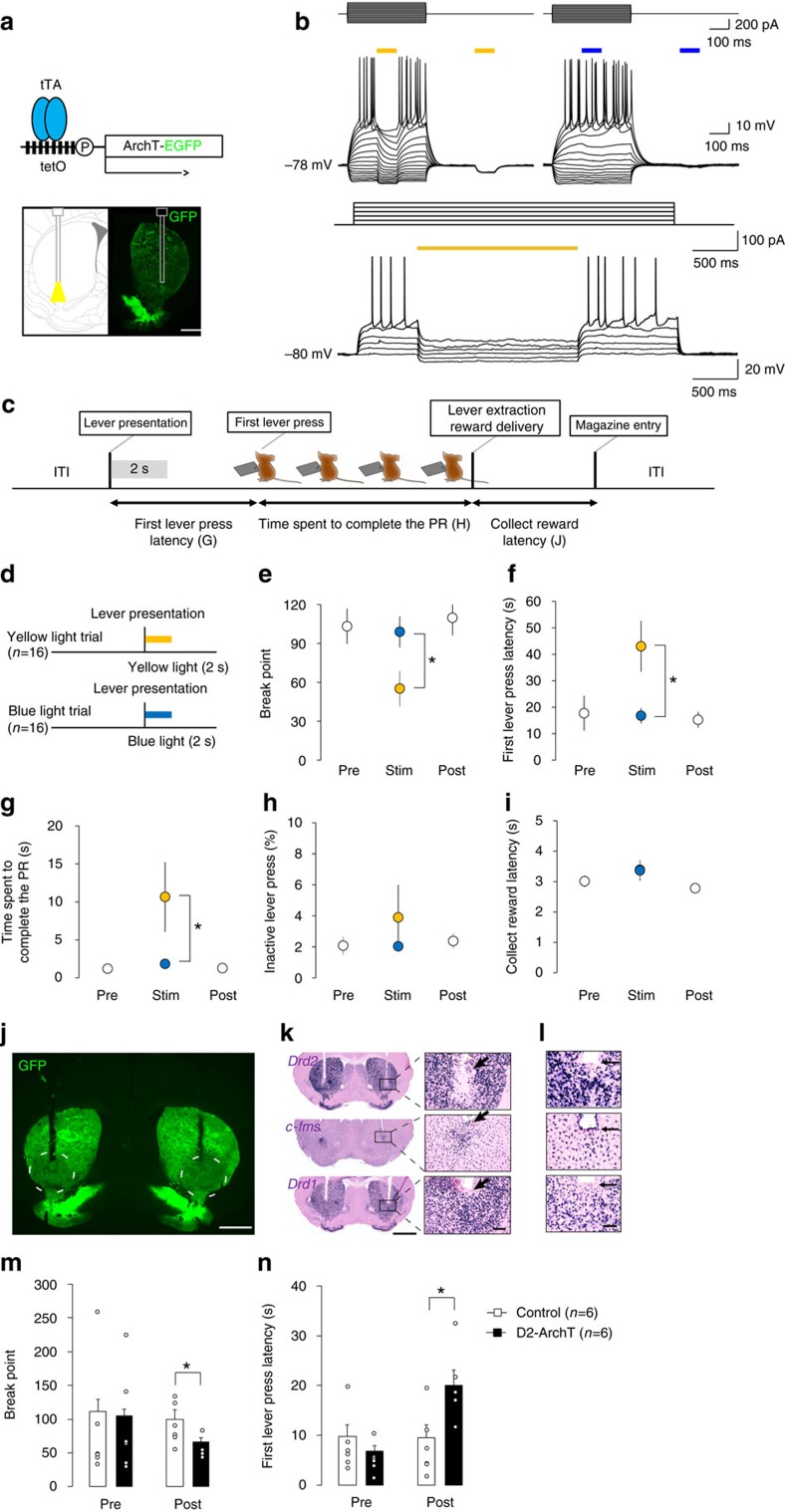
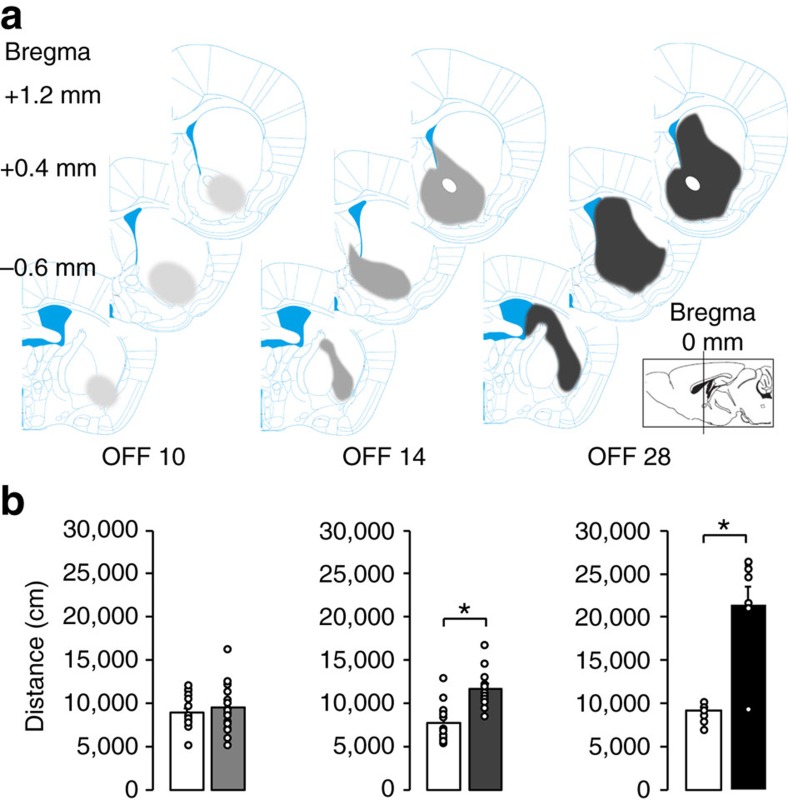
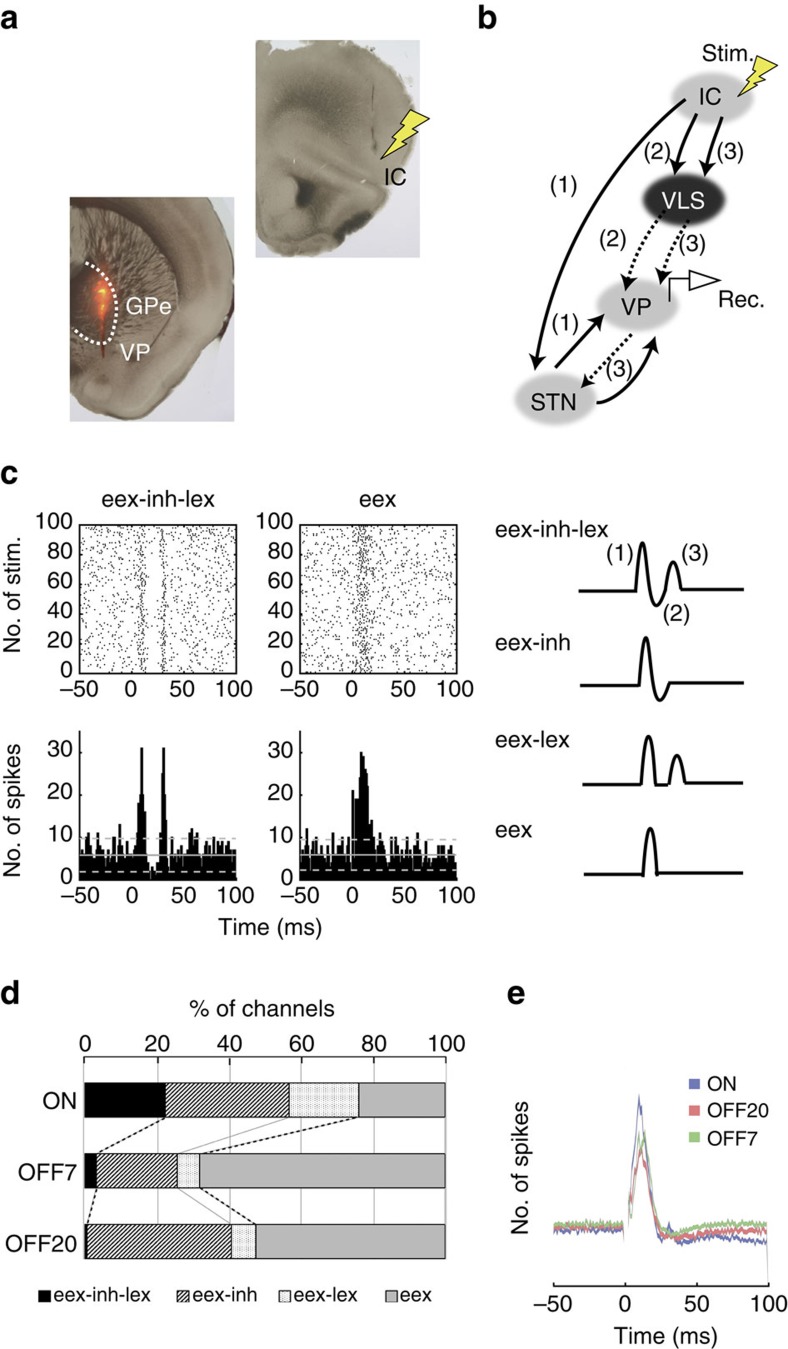
Impaired motivation is present in a variety of neurological disorders, suggesting that decreased motivation is caused by broad dysfunction of the nervous system across a variety of circuits. Based on evidence that impaired motivation is a major symptom in the early stages of Huntington's disease, when dopamine receptor type 2-expressing striatal medium spiny neurons (D2-MSNs) are particularly affected, we hypothesize that degeneration of these neurons would be a key node regulating motivational status. Using a progressive, time-controllable, diphtheria toxin-mediated cell ablation/dysfunction technique, we find that loss-of-function of D2-MSNs within ventrolateral striatum (VLS) is sufficient to reduce goal-directed behaviours without impairing reward preference or spontaneous behaviour. Moreover, optogenetic inhibition and ablation of VLS D2-MSNs causes, respectively, transient and chronic reductions of goal-directed behaviours. Our data demonstrate that the circuitry containing VLS D2-MSNs control motivated behaviours and that VLS D2-MSN loss-of-function is a possible cause of motivation deficits in neurodegenerative diseases.
动机障碍存在于多种神经障碍中,这表明动机减退是由广泛的神经系统功能障碍引起的,涉及多种回路。基于动机障碍是亨廷顿病早期的主要症状的证据,此时多巴胺受体 2 表达的纹状体中型棘突神经元(D2-MSN)受到特别影响,我们假设这些神经元的退化将是调节动机状态的关键节点。使用渐进的、时间可控的白喉毒素介导的细胞消融/功能障碍技术,我们发现腹外侧纹状体(VLS)中 D2-MSN 的功能丧失足以减少目标导向行为,而不会损害奖励偏好或自发行为。此外,VLS D2-MSN 的光遗传学抑制和消融分别导致目标导向行为的短暂和慢性减少。我们的数据表明,包含 VLS D2-MSN 的回路控制动机行为,并且 VLS D2-MSN 功能丧失可能是神经退行性疾病中动机缺陷的一个原因。