Park Yong-Beom, Ha Chul-Won, Lee Choong-Hee, Park Yong-Geun
Department of Orthopedic Surgery, Chung-Ang University Hospital, Chung-Ang University College of Medicine, 102 Heukseok-ro, Dongjak-gu, Seoul, 06973, South Korea.
Department of Orthopaedic Surgery, Samsung Medical Center, Sungkyunkwan University School of Medicine, 81 Irwon-ro, Gangnam-gu, Seoul, 06351, South Korea.
BMC Musculoskelet Disord. 2017 Feb 2;18(1):59. doi: 10.1186/s12891-017-1422-7.
The treatment of articular cartilage defects is a therapeutic challenge for orthopaedic surgeons. Furthermore, large osteochondral defects needs restoration of the underlying bone for sufficient biomechanical characteristics as well as the overlying cartilage.
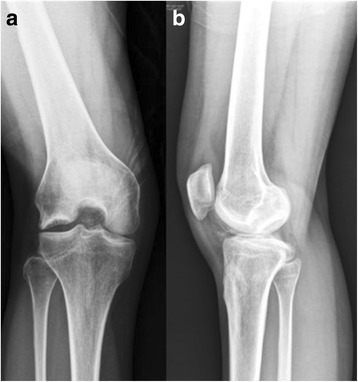
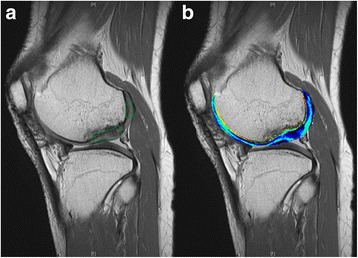
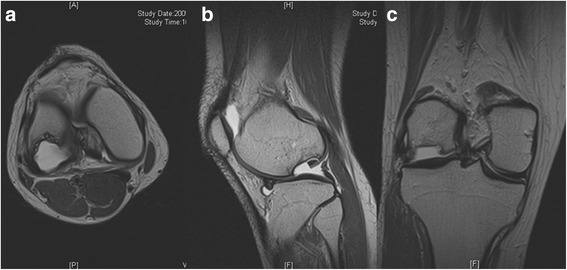
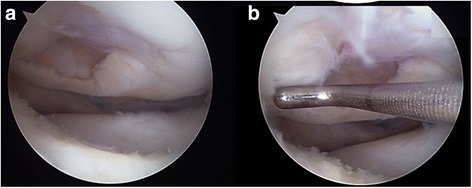
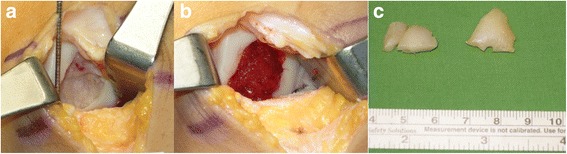
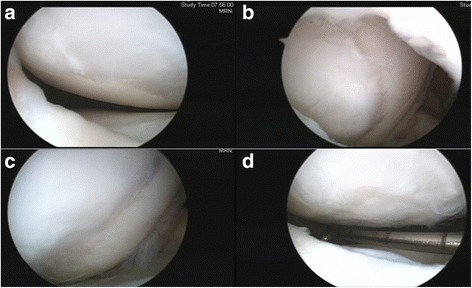
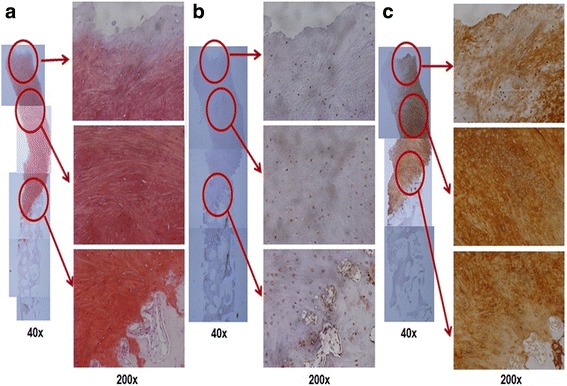
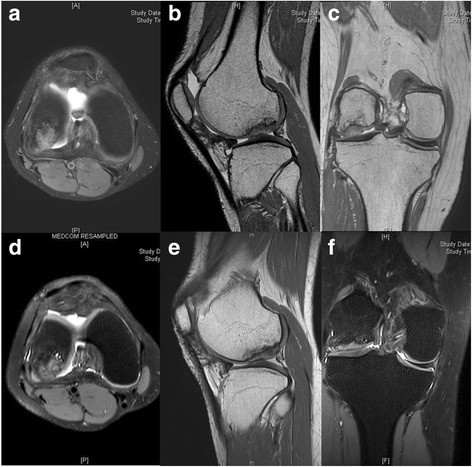
A symptomatic large osteochondral defect in the knee joint was restored using a composite of umbilical cord blood-derived mesenchymal stem cells (UCB-MSCs) 0.5 x 10/ml and 4% hyaluronic acid (HA) hydrogel. Significant improvements in pain and function of the knee joint were identified by the evaluation at 12 months after surgery. A hyaline-like cartilage completely filled the defect and was congruent with the surrounding normal cartilage as revealed by magnetic resonance imaging (MRI), a second-look arthroscopy and histological assessment. The improved clinical outcomes maintained until 5.5 years. MRI also showed the maintenance of the restored bony and cartilaginous tissues.
This case report suggests that the composite of allogeneic UCB-MSCs and HA hydrogel can be considered a safe and effective treatment option for large osteochondral defects of the knee.
关节软骨缺损的治疗对骨科医生来说是一项治疗挑战。此外,大面积骨软骨缺损需要修复其下方的骨质以获得足够的生物力学特性,同时也需要修复上方的软骨。
使用每毫升含0.5×10个脐带血来源间充质干细胞(UCB-MSCs)与4%透明质酸(HA)水凝胶的复合物修复了膝关节有症状的大面积骨软骨缺损。术后12个月的评估发现膝关节疼痛和功能有显著改善。磁共振成像(MRI)、二次关节镜检查和组织学评估显示,缺损被类似透明软骨的组织完全填充,且与周围正常软骨一致。改善的临床结果持续至5.5年。MRI还显示修复的骨和软骨组织得以维持。
本病例报告表明,同种异体UCB-MSCs与HA水凝胶的复合物可被视为膝关节大面积骨软骨缺损安全有效的治疗选择。