Thomas Gareth J, Morton Colin A
Cancer Sciences Unit, Faculty of Medicine, University of Southampton, Southampton, UK.
NHS Forth Valley, Stirling, Scotland, UK.
Dermatol Ther (Heidelb). 2017 Jan;7(Suppl 1):21-29. doi: 10.1007/s13555-016-0166-x. Epub 2017 Feb 1.
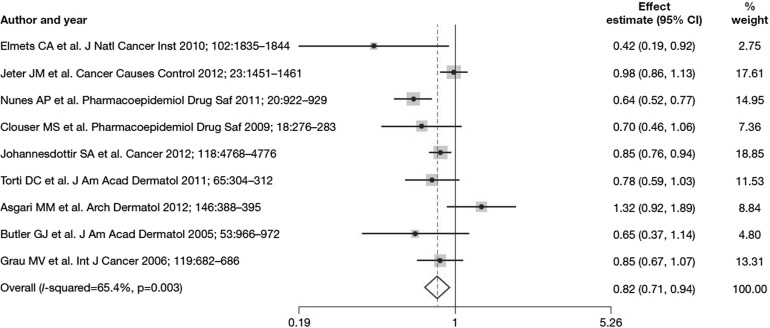
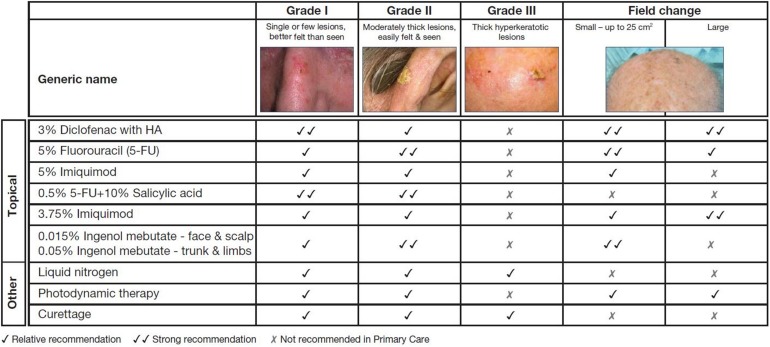
Non-steroidal anti-inflammatory drugs (NSAIDs) are a chemically diverse class of drugs that target the cyclooxygenase (COX) pathway and have anti-inflammatory, analgesic, and antipyretic properties. Elevated expression of COX-2 has been associated with tumor progression in skin cancer through multiple mechanisms. We present evidence for a chemoprotective effect of NSAIDs and discuss potential mechanisms of action of COX-2 in cancer. We also discuss the challenges associated with the treatment of actinic keratosis and the factors that should be taken into consideration when selecting a treatment regimen. A range of treatments are reviewed, with an emphasis on combination therapies.
非甾体抗炎药(NSAIDs)是一类化学结构多样的药物,其作用于环氧化酶(COX)途径,具有抗炎、镇痛和解热特性。COX-2的高表达已通过多种机制与皮肤癌的肿瘤进展相关联。我们提供了NSAIDs化学保护作用的证据,并讨论了COX-2在癌症中的潜在作用机制。我们还讨论了光化性角化病治疗相关的挑战以及选择治疗方案时应考虑的因素。本文综述了一系列治疗方法,重点是联合疗法。