Pierannunzii Luca
Gaetano Pini Orthopedic Institute, P.zza C. Ferrari, 1, 20122, Milan, Italy.
J Orthop Traumatol. 2017 Sep;18(3):187-196. doi: 10.1007/s10195-016-0439-2. Epub 2017 Feb 1.
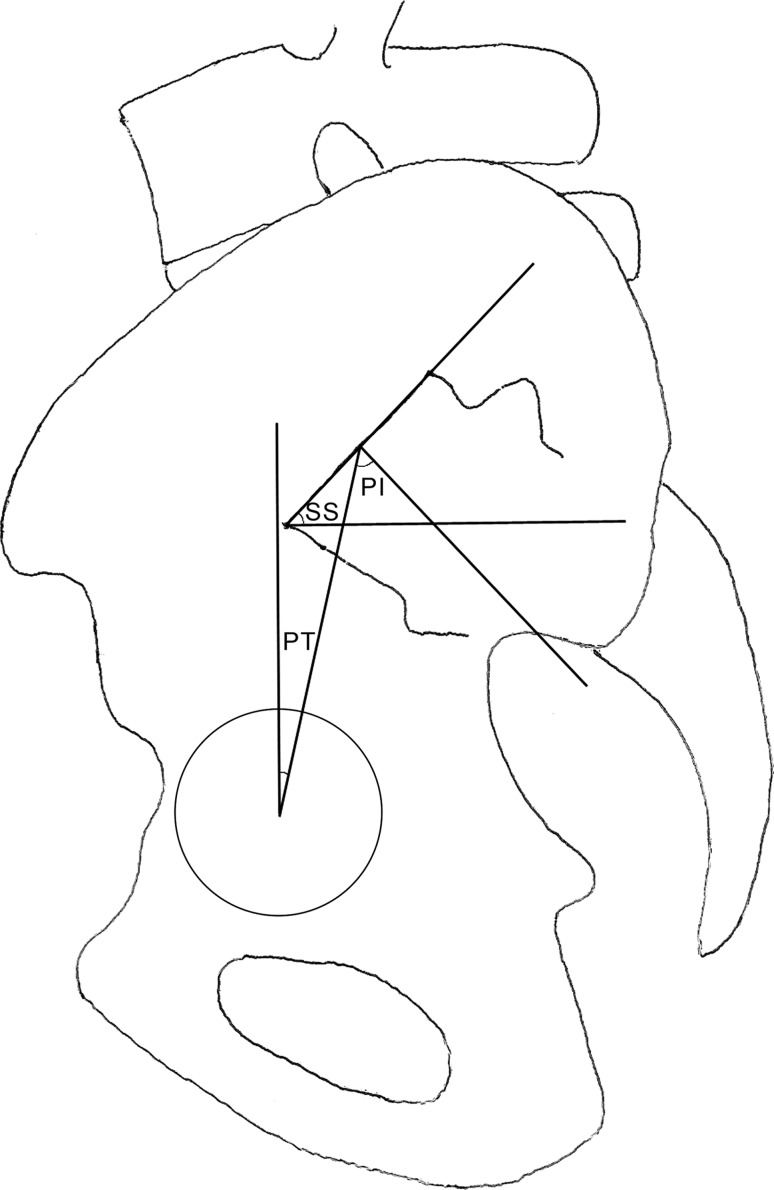
Pelvic posture and kinematics influence acetabular orientation and are therefore expected to be involved in the pathomechanics of femoroacetabular impingement (FAI). This systematic review aims to determine whether FAI patients show pelvic postures or patterns of motion contributing to impingement or, conversely, develop compensatory postures and patterns of motion preventing it.
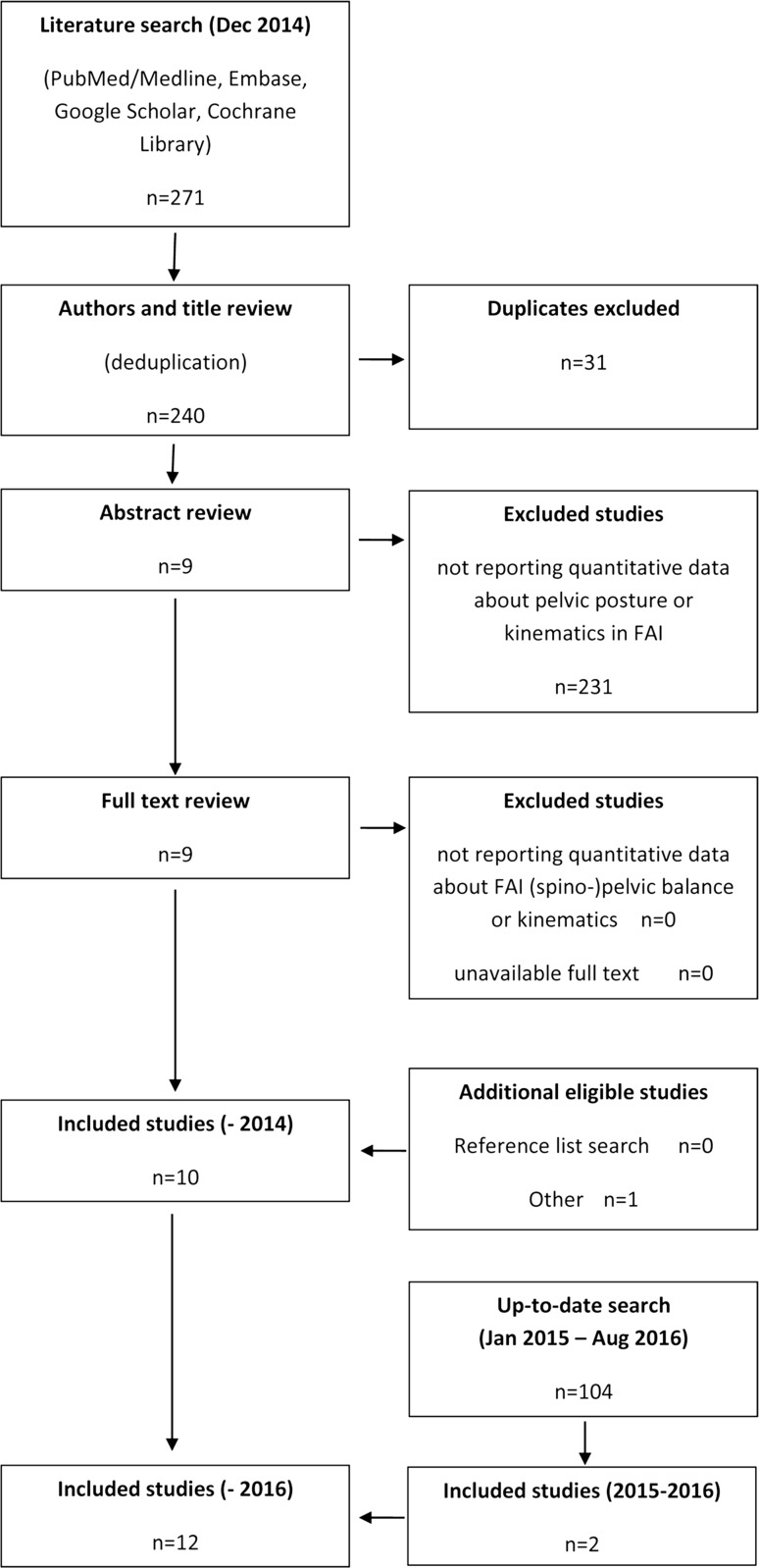
PubMed/MEDLINE, Embase, Google Scholar and the Cochrane Library were systematically searched to find all the studies that measured pelvic positional and/or kinematic data in humans (patients or cadaveric specimens) affected by FAI.
Twelve items were selected and grouped according to the main field of investigation. No quantitative data synthesis was allowed due to methodological heterogeneity. Pelvic posture and kinematics seem to play a relevant role in FAI. The patients, especially if symptomatic, show a paradoxical lack of pelvic back tilt in standing hip flexions, i.e., in squatting, that enhances femoroacetabular engagement. Such an aberrant pattern might depend on a lower pelvic incidence. On the contrary, active hip flexion in decubitus elicits a compensatory, more pronounced back tilt to facilitate hip flexion without impingement. Stair climbing shows a compensatory pattern of augmented pelvic axial rotation and augmented peak forward tilt to reduce painful hip motions, namely internal rotation and extension.
In FAI patients, pelvic posture and kinematics are sometimes an expression of compensatory mechanisms developed to reduce pain and discomfort, and sometimes an expression of paradoxical responses that further enhance the impingement pathomechanism.
IV.
骨盆姿势和运动学影响髋臼方向,因此预计与股骨髋臼撞击症(FAI)的病理力学有关。本系统评价旨在确定FAI患者是否表现出有助于撞击的骨盆姿势或运动模式,或者相反,是否会形成防止撞击的代偿性姿势和运动模式。
系统检索PubMed/MEDLINE、Embase、谷歌学术和Cochrane图书馆,以查找所有测量受FAI影响的人类(患者或尸体标本)骨盆位置和/或运动学数据的研究。
根据主要研究领域选择了12项研究并进行分组。由于方法学异质性,未进行定量数据综合分析。骨盆姿势和运动学似乎在FAI中起重要作用。患者,尤其是有症状的患者,在站立位髋关节屈曲(即蹲位)时,骨盆后倾明显不足,这会增强股骨髋臼的接触。这种异常模式可能取决于较低的骨盆倾斜度。相反,卧位时主动髋关节屈曲会引发代偿性的、更明显的后倾,以促进髋关节屈曲而不发生撞击。上楼梯时表现出一种代偿模式,即骨盆轴向旋转增加和前倾角峰值增加,以减少疼痛的髋关节运动,即内旋和伸展。
在FAI患者中,骨盆姿势和运动学有时是为减轻疼痛和不适而形成的代偿机制的表现,有时是进一步增强撞击病理机制的反常反应的表现。
IV级。