Villalobos Claudio, Maldonado Pedro E, Valdés José L
Programa Disciplinario de Fisiología y Biofísica, I.C.B.M., Facultad de Medicina, Universidad de Chile, Independencia, Santiago, Chile.
Biomedical Neuroscience Institute. Universidad de Chile, Independencia, Santiago, Chile.
PLoS One. 2017 Feb 3;12(2):e0171304. doi: 10.1371/journal.pone.0171304. eCollection 2017.
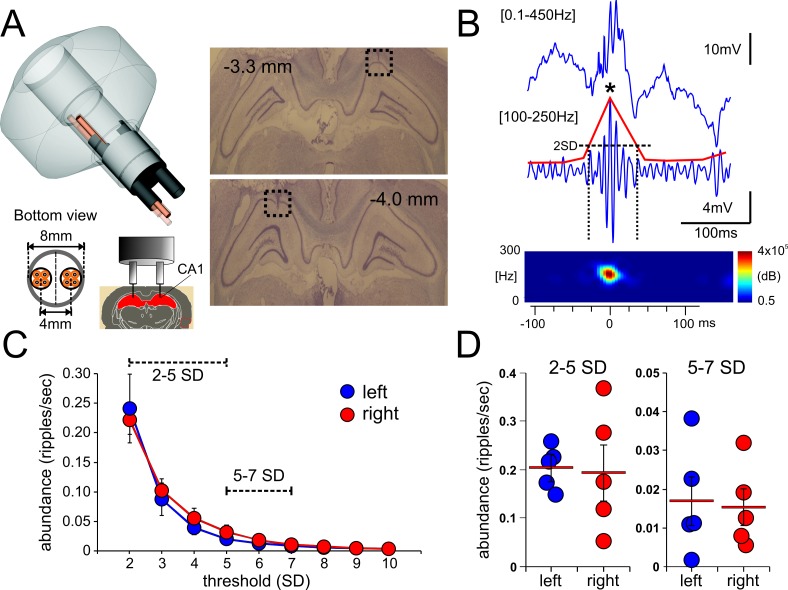
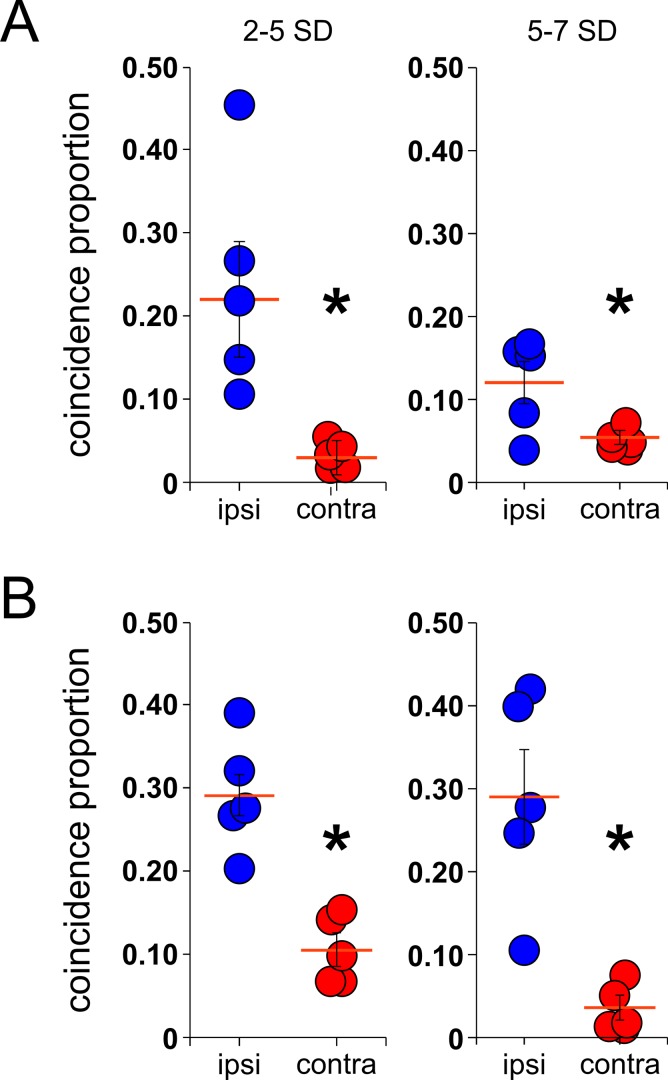
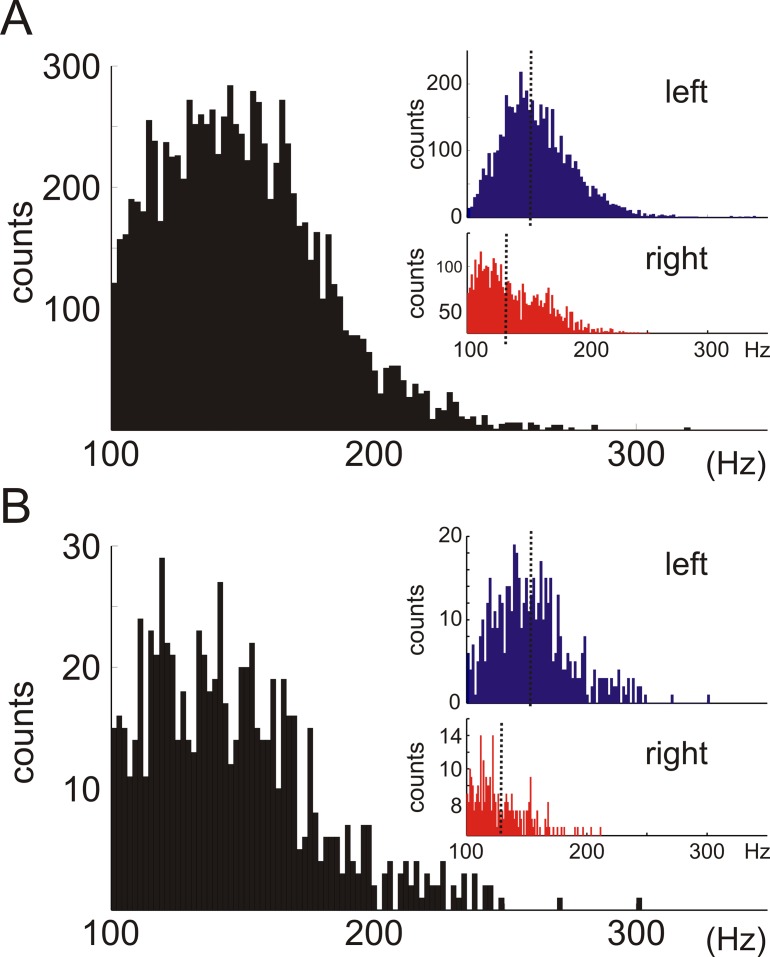
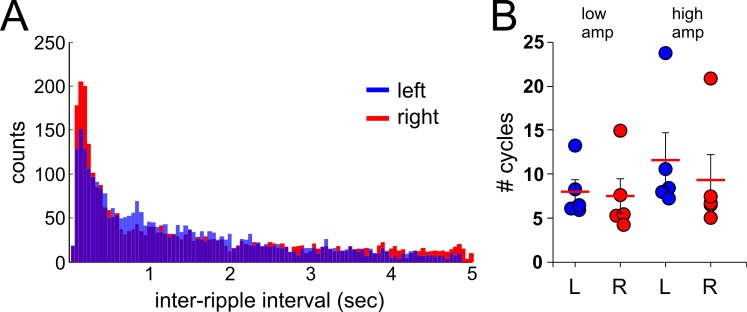
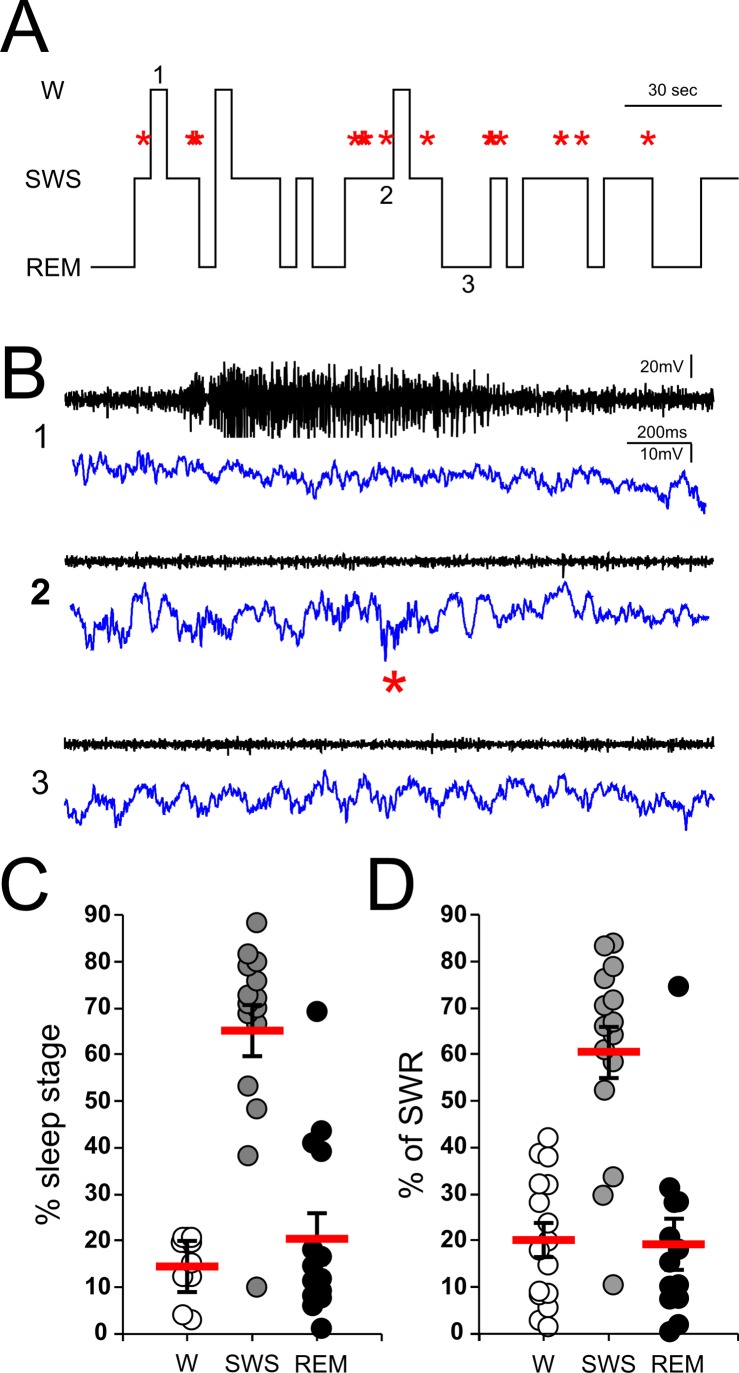
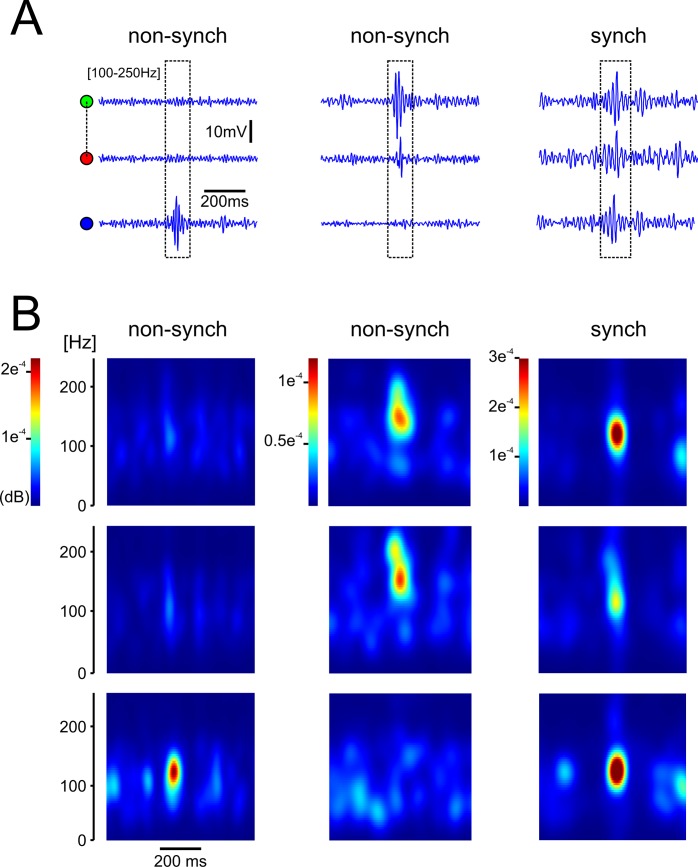
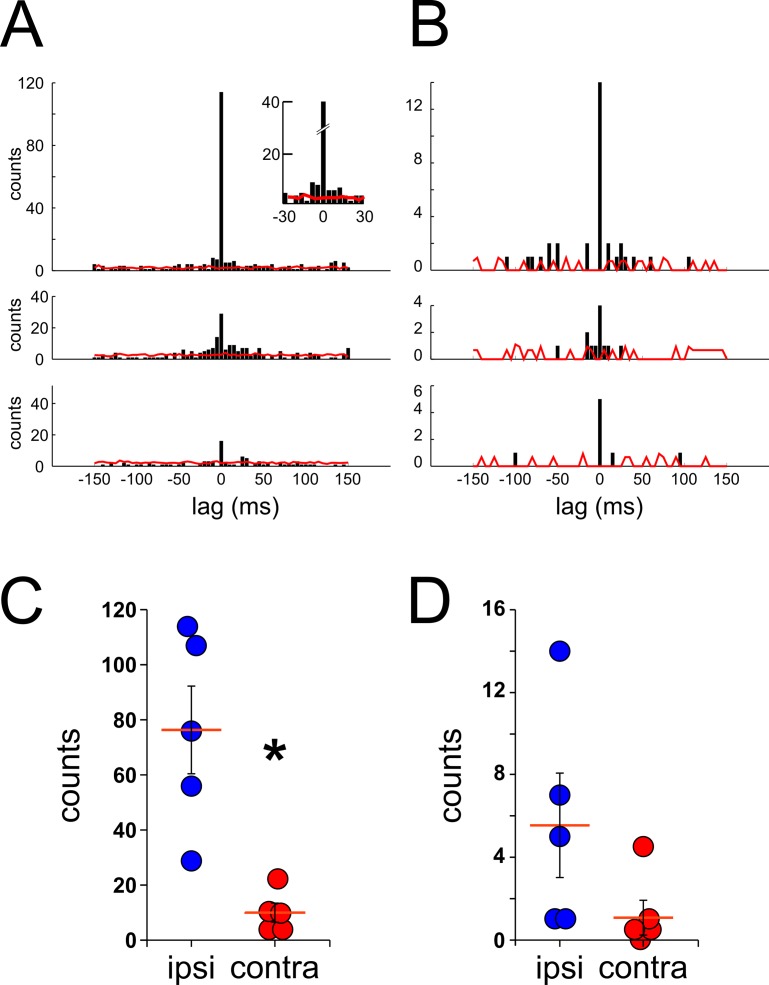
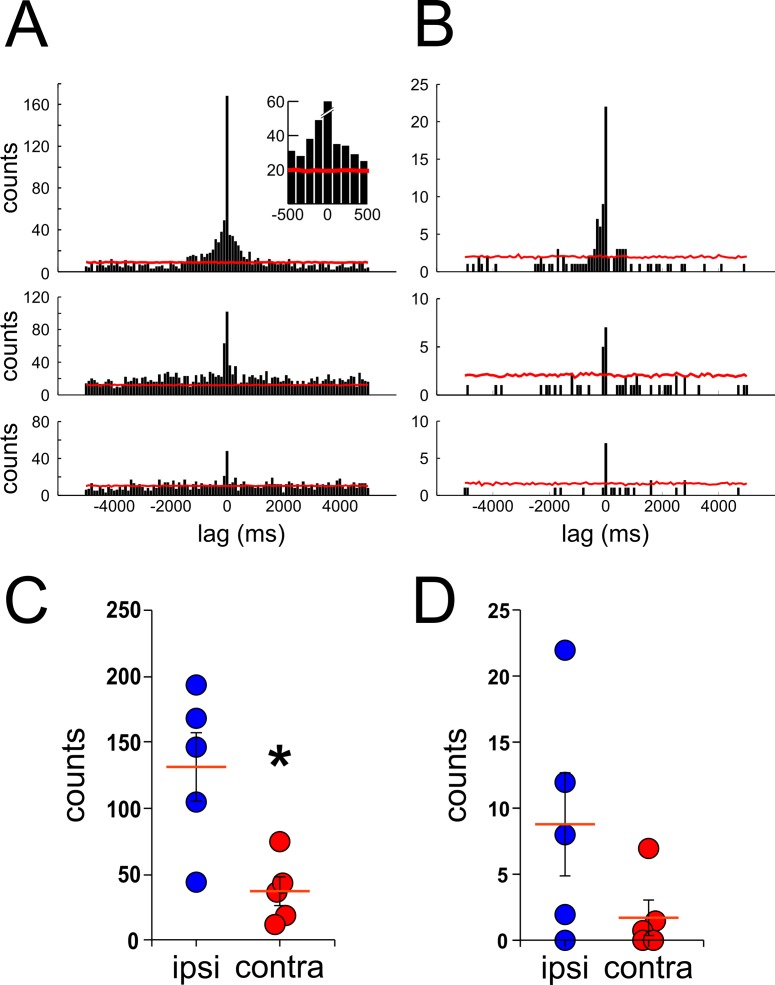
Spatial memory, among many other brain processes, shows hemispheric lateralization. Most of the published evidence suggests that the right hippocampus plays a leading role in the manipulation of spatial information. Concurrently in the hippocampus, memory consolidation during sleep periods is one of the key steps in the formation of newly acquired spatial memory traces. One of the most characteristic oscillatory patterns in the hippocampus are sharp-wave ripple (SWR) complexes. Within this complex, fast-field oscillations or ripples have been demonstrated to be instrumental in the memory consolidation process. Since these ripples are relevant for the consolidation of memory traces associated with spatial navigation, and this process appears to be lateralized, we hypothesize that ripple events between both hippocampi would exhibit different temporal dynamics. We tested this idea by using a modified "split-hyperdrive" that allows us to record simultaneous LFPs from both right and left hippocampi of Sprague-Dawley rats during sleep. We detected individual events and found that during sleep periods these ripples exhibited a different occurrence patterns between hemispheres. Most ripple events were synchronous between intra- rather than inter-hemispherical recordings, suggesting that ripples in the hippocampus are independently generated and locally propagated within a specific hemisphere. In this study, we propose the ripples' lack of synchrony between left and right hippocampi as the putative physiological mechanism underlying lateralization of spatial memory.
在许多其他大脑过程中,空间记忆表现出半球侧化。大多数已发表的证据表明,右侧海马体在空间信息处理中起主导作用。与此同时,在海马体中,睡眠期间的记忆巩固是新获得的空间记忆痕迹形成的关键步骤之一。海马体中最具特征性的振荡模式之一是尖波涟漪(SWR)复合体。在这个复合体中,快速场振荡或涟漪已被证明在记忆巩固过程中起作用。由于这些涟漪与空间导航相关的记忆痕迹巩固有关,并且这个过程似乎是侧化的,我们假设两侧海马体之间的涟漪事件会表现出不同的时间动态。我们通过使用一种改良的“分裂超驱动”来测试这个想法,该方法使我们能够在睡眠期间同时记录来自Sprague-Dawley大鼠左右海马体的局部场电位(LFP)。我们检测到单个事件,并发现睡眠期间这些涟漪在半球之间表现出不同的发生模式。大多数涟漪事件在半球内记录之间而非半球间记录之间是同步的,这表明海马体中的涟漪是独立产生并在特定半球内局部传播的。在这项研究中,我们提出左右海马体之间涟漪缺乏同步性是空间记忆侧化的假定生理机制。