Kim Sung-Eun, Choo Jinsil, Yoon Joon, Chu Jae Ryang, Bae Yun Jung, Lee Seungyeoun, Park Taesung, Sung Mi-Kyung
Department of Food and Nutrition, Sookmyung Women's University, Seoul, Republic of Korea.
Department of Life Systems, Sookmyung Women's University, Seoul, Republic of Korea.
PLoS One. 2017 Feb 7;12(2):e0171664. doi: 10.1371/journal.pone.0171664. eCollection 2017.
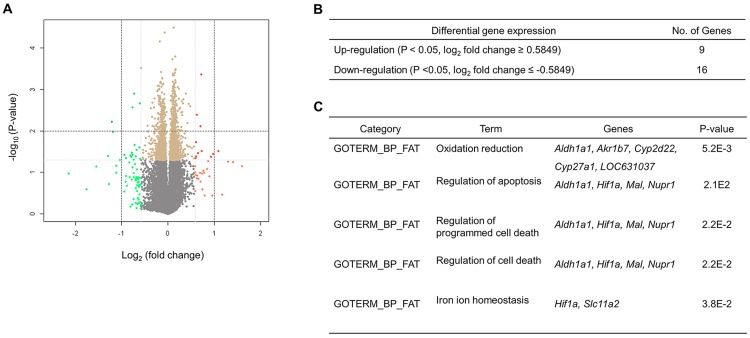
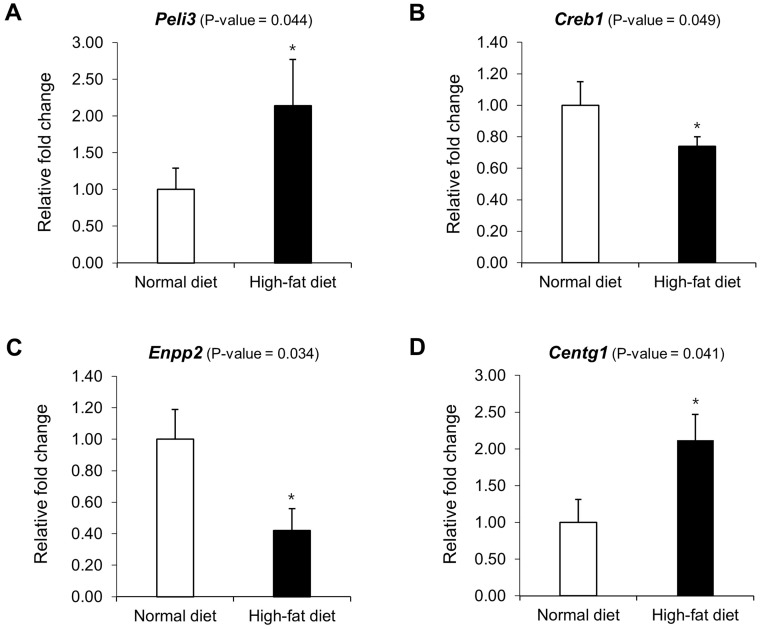
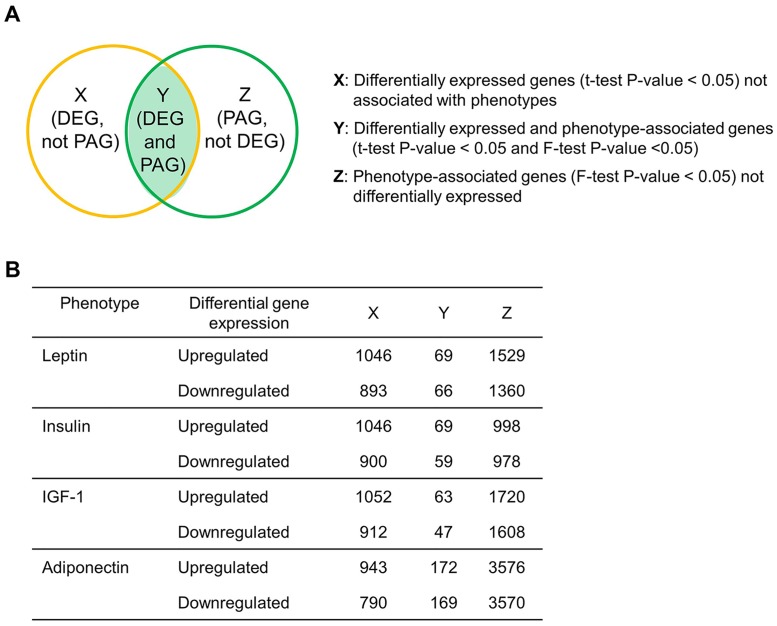
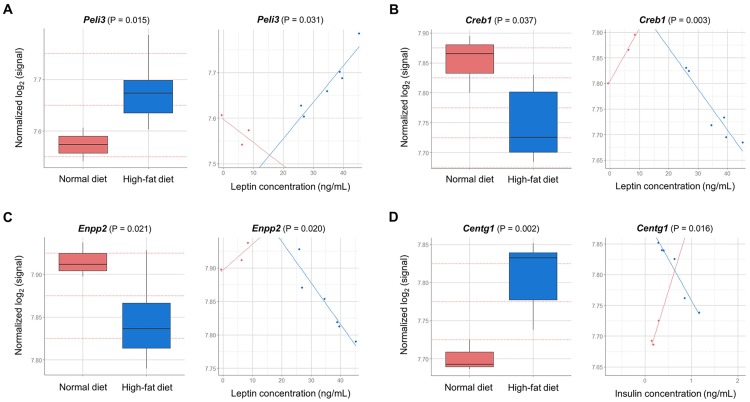
Obesity-induced chronic inflammation is known to increase the risk of ulcerative colitis, Crohn's disease, and colorectal cancer. Accumulating evidence suggests that leptin and insulin are key molecules linking obesity with diseases of the lower intestine. Here, we identified serum phenotype-associated genes in the colon of diet-induced obese mice as early biomarkers of obesity-associated colonic diseases. C57BL/6J mice were fed with either normal diet (ND, 15% of fat calories) or high-fat diet (HFD, 45% of fat calories) for 8 weeks. Serum concentrations of insulin, insulin-like growth factor-1 (IGF-1), leptin, and adiponectin were measured as obesity-related phenotypic markers. Genome-wide gene expression profiles of colon tissue were determined, followed by statistical analyses to detect differentially expressed and serum phenotype-associated genes. HFD-fed mice showed higher serum concentrations of leptin (P < 0.001) and insulin (P < 0.01) than those in the ND group, whereas serum IGF-1 and adiponectin concentrations did not differ between the two dietary groups. Among differentially expressed genes affected by HFD, 135, 128, 110, and 341 genes were associated with serum levels of leptin, insulin, IGF-1, and adiponectin, respectively. We identified 17 leptin-associated genes and 4 insulin-associated genes that inversely responded to HFD and ND. Among these, leptin-associated Peli3 (Pellino E3 ubiquitin protein ligase family member 3), Creb1 (cAMP responsive element binding protein 1), and Enpp2 (ectonucleotide pyrophosphatase/phosphodiesterase 2, autotaxin) and insulin-associated Centg1 (AGAP2, ArfGAP with GTPase domain) are reported to play a role either in obesity or colonic diseases. mRNA expression of these genes was validated by RT-qPCR. Our data suggest Peli3, Creb1, Enpp2, and Centg1 as potential early biomarker candidates for obesity-induced pathophysiological changes in the colon. Future studies verifying the function of these candidates are needed for the prevention, early detection, and treatment of colon diseases.
已知肥胖诱导的慢性炎症会增加溃疡性结肠炎、克罗恩病和结直肠癌的风险。越来越多的证据表明,瘦素和胰岛素是将肥胖与下肠道疾病联系起来的关键分子。在此,我们在饮食诱导的肥胖小鼠结肠中鉴定出血清表型相关基因,作为肥胖相关结肠疾病的早期生物标志物。将C57BL/6J小鼠分为两组,分别喂食正常饮食(ND,脂肪热量占15%)或高脂饮食(HFD,脂肪热量占45%),持续8周。测量血清中胰岛素、胰岛素样生长因子-1(IGF-1)、瘦素和脂联素的浓度,作为肥胖相关的表型标志物。测定结肠组织的全基因组基因表达谱,随后进行统计分析以检测差异表达基因和血清表型相关基因。喂食HFD的小鼠血清瘦素浓度(P < 0.001)和胰岛素浓度(P < 0.01)高于ND组,而两组饮食组之间血清IGF-1和脂联素浓度没有差异。在受HFD影响的差异表达基因中,分别有135、128、110和341个基因与瘦素、胰岛素、IGF-1和脂联素的血清水平相关。我们鉴定出17个与瘦素相关的基因和4个与胰岛素相关的基因,它们对HFD和ND有相反的反应。其中,与瘦素相关的Peli3(Pellino E3泛素蛋白连接酶家族成员3)、Creb1(cAMP反应元件结合蛋白1)和Enpp2(胞外核苷酸焦磷酸酶/磷酸二酯酶2,自分泌运动因子)以及与胰岛素相关的Centg1(AGAP2,具有GTPase结构域的ArfGAP)据报道在肥胖或结肠疾病中起作用。通过RT-qPCR验证了这些基因的mRNA表达。我们的数据表明,Peli3、Creb1、Enpp2和Centg1作为肥胖诱导的结肠病理生理变化的潜在早期生物标志物候选物。未来需要进行研究以验证这些候选物的功能,用于结肠疾病的预防、早期检测和治疗。