Basu Baidehi, Chakraborty Joyeeta, Chandra Aditi, Katarkar Atul, Baldevbhai Jadav Ritesh Kumar, Dhar Chowdhury Debjit, Ray Jay Gopal, Chaudhuri Keya, Chatterjee Raghunath
Human Genetics Unit, Indian Statistical Institute, 203 B. T. Road, Kolkata, 700108 India.
Molecular Genetics Division, CSIR-Indian Institute of Chemical biology, 4 Raja S C Mullick Road, Kolkata, 700 032 India.
Clin Epigenetics. 2017 Feb 3;9:13. doi: 10.1186/s13148-017-0314-x. eCollection 2017.
Oral squamous cell carcinoma (OSCC) is one of the common malignancies in Southeast Asia. Epigenetic changes, mainly the altered DNA methylation, have been implicated in many cancers. Considering the varied environmental and genotoxic exposures among the Indian population, we conducted a genome-wide DNA methylation study on paired tumor and adjacent normal tissues of ten well-differentiated OSCC patients and validated in an additional 53 well-differentiated OSCC and adjacent normal samples.
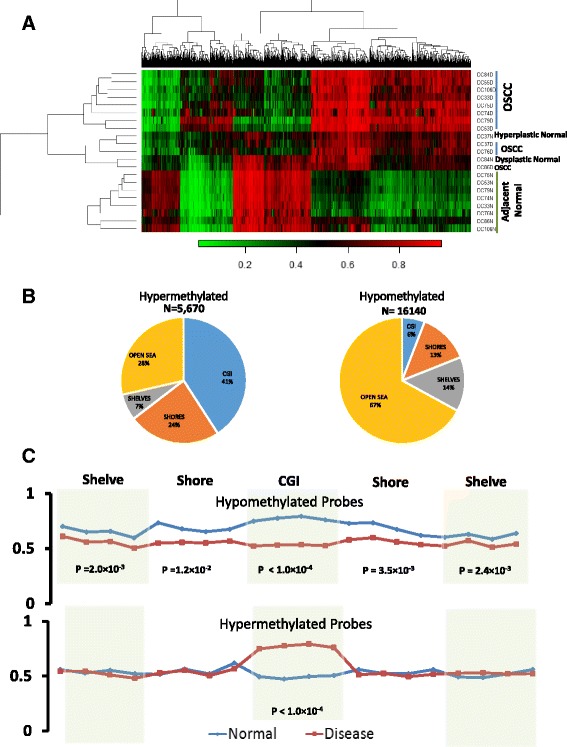
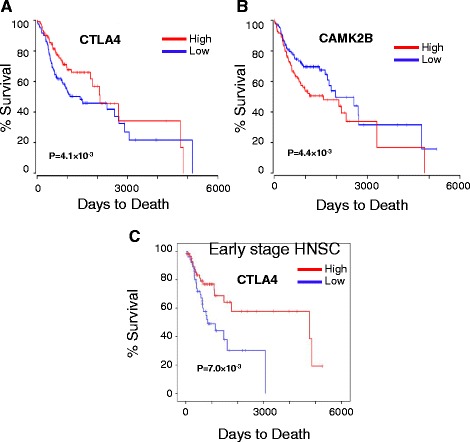
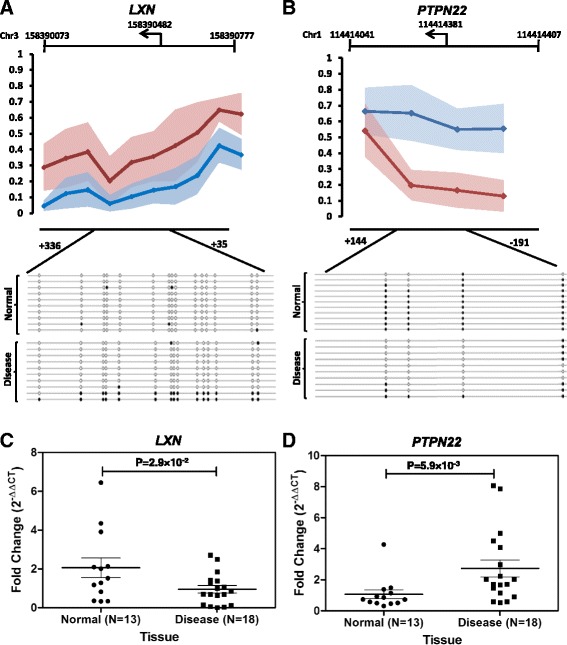
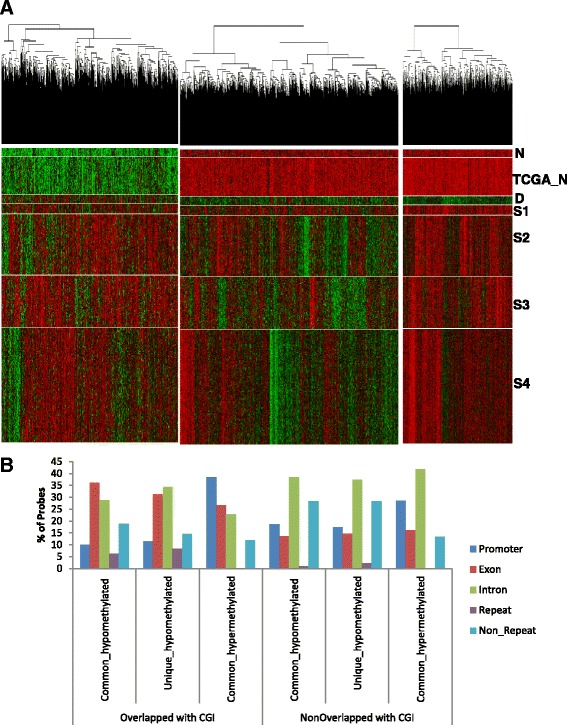
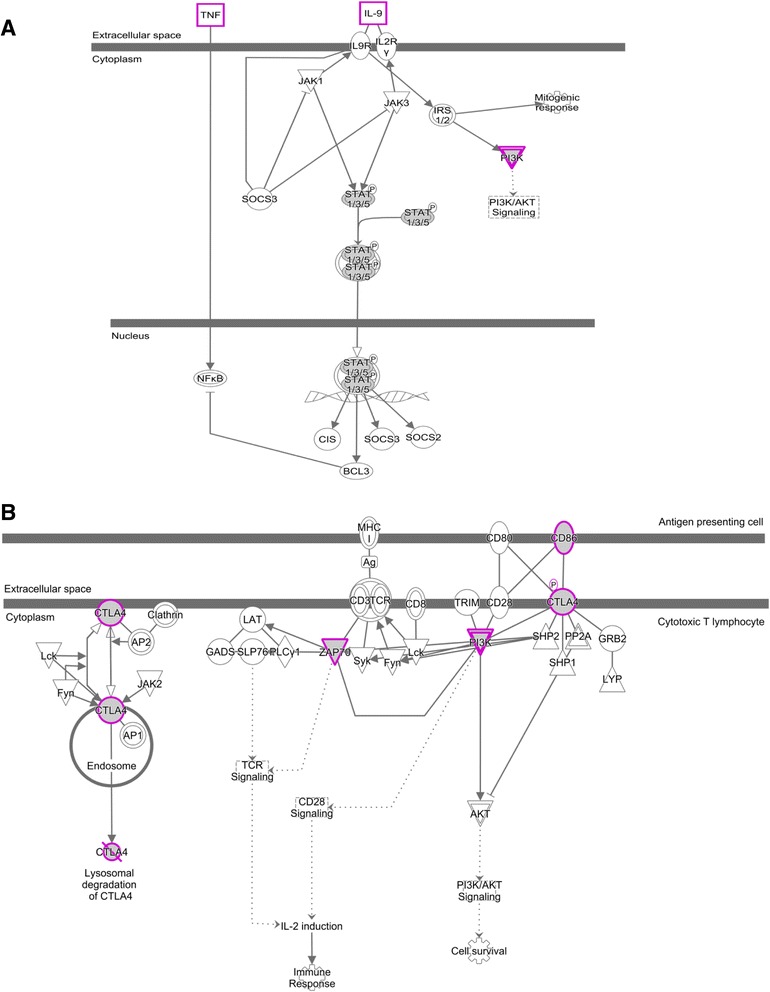
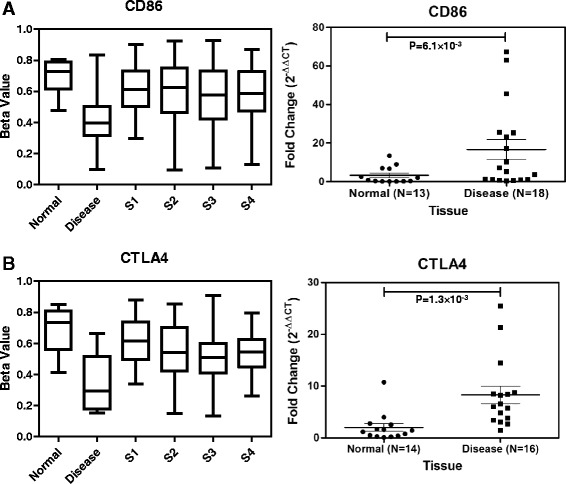
Genome-wide DNA methylation analysis identified several novel differentially methylated regions associated with OSCC. Hypermethylation is primarily enriched in the CpG-rich regions, while hypomethylation is mainly in the open sea. Distinct epigenetic drifts for hypo- and hypermethylation across CpG islands suggested independent mechanisms of hypo- and hypermethylation in OSCC development. Aberrant DNA methylation in the promoter regions are concomitant with gene expression. Hypomethylation of immune genes reflect the lymphocyte infiltration into the tumor microenvironment. Comparison of methylome data with 312 TCGA HNSCC samples identified a unique set of hypomethylated promoters among the OSCC patients in India. Pathway analysis of unique hypomethylated promoters indicated that the OSCC patients in India induce an anti-tumor T cell response, with mobilization of T lymphocytes in the neoplastic environment. Survival analysis of these epigenetically regulated immune genes suggested their prominent role in OSCC progression.
Our study identified a unique set of hypomethylated regions, enriched in the promoters of immune response genes, and indicated the presence of a strong immune component in the tumor microenvironment. These methylation changes may serve as potential molecular markers to define risk and to monitor the prognosis of OSCC patients in India.
口腔鳞状细胞癌(OSCC)是东南亚常见的恶性肿瘤之一。表观遗传变化,主要是DNA甲基化改变,与多种癌症有关。考虑到印度人群中不同的环境和基因毒性暴露情况,我们对10例高分化OSCC患者的肿瘤组织和癌旁正常组织进行了全基因组DNA甲基化研究,并在另外53例高分化OSCC及癌旁正常样本中进行了验证。
全基因组DNA甲基化分析确定了几个与OSCC相关的新的差异甲基化区域。高甲基化主要富集在富含CpG的区域,而低甲基化主要发生在开阔海域。CpG岛上下游低甲基化和高甲基化的明显表观遗传漂移表明,OSCC发生过程中低甲基化和高甲基化的机制是独立的。启动子区域的异常DNA甲基化与基因表达相关。免疫基因的低甲基化反映了淋巴细胞浸润到肿瘤微环境中。将甲基化组数据与312例TCGA HNSCC样本进行比较,在印度的OSCC患者中发现了一组独特的低甲基化启动子。对独特的低甲基化启动子进行通路分析表明,印度的OSCC患者可诱导抗肿瘤T细胞反应,并在肿瘤环境中动员T淋巴细胞。对这些表观遗传调控的免疫基因进行生存分析表明,它们在OSCC进展中发挥着重要作用。
我们的研究确定了一组独特的低甲基化区域,这些区域富集在免疫反应基因的启动子中,并表明肿瘤微环境中存在强大的免疫成分。这些甲基化变化可能作为潜在的分子标志物,用于定义印度OSCC患者的风险和监测其预后。